
How to Make DIY Parrot Food: Simple and Healthy Recipes
Are you concerned that commercial parrot food might lack the freshness and nutrients needed to keep your bird’s feathers bright and their energy high?
After years of caring for my own parrots-Kiwi, Sunny, and Sage-I’ve seen how homemade meals boost their health and happiness. I’ll guide you through the essentials so you can feel confident in every bite.
- Learn to mix balanced nutrients that support your parrot’s unique diet and prevent common health issues.
- Pick safe, natural ingredients while steering clear of toxic foods that could harm your feathered friend.
- Create easy recipes tailored to different parrot species, using simple steps that fit into your busy day.
You’ll find clear, actionable tips that make DIY feeding a breeze. Dive into topics like nutritional needs, ingredient selection, recipe steps, storage tips, cost savings to get started right away.
Why Homemade Parrot Food Rocks for Your Feathered Pal
Making your own parrot food gives you full control over what goes into their bowl. You can pick the freshest ingredients and avoid harmful additives that often sneak into commercial mixes. Following general parrot dietary guidelines can help you keep a balanced diet in mind. A typical plan mixes pellets with fresh produce and a moderate amount of seeds. I’ve seen my Green-cheeked Conure, Kiwi, perk up with more energy and brighter feathers since switching to homemade meals.
Homemade diets let you tailor meals to your parrot’s unique tastes and health needs. My Sun Conure, Sunny, loves when I mix in his favorite fruits, making mealtime a joyful bonding experience. It feels rewarding to know exactly what they’re eating and see them thrive. There are homemade parrot food recipes that offer healthy, nutritious options. These recipes let you balance fruits, veggies, grains, and seeds to suit your bird’s needs.
Preparing food yourself can save money and reduce waste over time. Using whole foods means less packaging and more nutritious variety for your bird. My African Grey, Sage, enjoys the texture changes, which keep her curious and engaged during feedings.
Must-Have Ingredients for a Wholesome Parrot Diet
A balanced parrot diet includes a mix of fruits, vegetables, grains, and proteins. Rotating ingredients ensures your bird gets a wide range of vitamins and minerals for optimal health. Such a careful approach can influence how long and well a parrot lives. Diet quality also affects overall longevity. I always check with my vet to fine-tune recipes based on my parrots’ ages and activity levels.
Safe Fruits and Veggies Your Parrot Will Love
Fresh produce should make up a big part of your parrot’s daily intake. Offer colorful options like apples, berries, and leafy greens to provide antioxidants and fiber. Kiwi goes crazy for chopped carrots and bell peppers, which add crunch and fun to his diet. In the wild, parrots forage on a mix of seeds, fruits, and greens depending on what’s available. A varied home diet helps mimic that natural pattern.
- Apples (remove seeds)
- Blueberries and strawberries
- Carrots and sweet potatoes
- Spinach and kale
- Broccoli and cauliflower
Wash all fruits and veggies thoroughly to remove pesticides. I chop them into bite-sized pieces to prevent choking and make eating easier for my smaller birds. Sunny’s vibrant yellow feathers seem to glow brighter when he eats orange-colored veggies like squash.
Grains, Legumes, and Protein Powerhouses
Grains and legumes add essential carbs and protein to keep your parrot active. Cooked quinoa, brown rice, and lentils are easy to digest and packed with nutrients. I mix these into a base for Sage’s meals, and she pecks at them with her intelligent, methodical style. When planning a base diet, many owners ask whether pellets or seeds are better. A practical approach is a pellet-based base supplemented with grains and legumes for variety and nutrition.
- Cooked brown rice or oats
- Quinoa and millet
- Lentils and chickpeas
- Boiled eggs (chopped, for protein)
- Unsalted nuts like almonds or walnuts
Always cook grains and legumes to soften them and improve digestibility. I avoid raw beans, as they can be toxic, and stick to small portions to prevent obesity. My parrots get excited when they hear the pot simmering-it’s like a dinner bell for them!
Foods to Steer Clear Of for Parrot Safety
Some common foods are dangerous and must be avoided to protect your parrot’s health. Avocado, chocolate, and caffeine can cause serious illness or even be fatal. I keep these far away from my birds after a scare with a friend’s parrot who got into some chocolate crumbs. For a complete list of toxic foods to avoid with parrots, consult a veterinarian or a trusted avian-care resource. This list highlights common hazards but is not exhaustive.
- Avocado (contains persin, which is toxic)
- Chocolate and caffeine products
- Onions and garlic (can damage red blood cells)
- Salty or sugary snacks
- Alcohol and moldy foods
Stick to fresh, whole foods and avoid processed items. When in doubt, research or consult a vet to ensure every bite is safe and nourishing. I double-check ingredients lists and store hazardous foods in sealed containers away from curious beaks.
Simple Steps to Whip Up DIY Parrot Food Like a Pro
Gathering and Prepping Your Ingredients
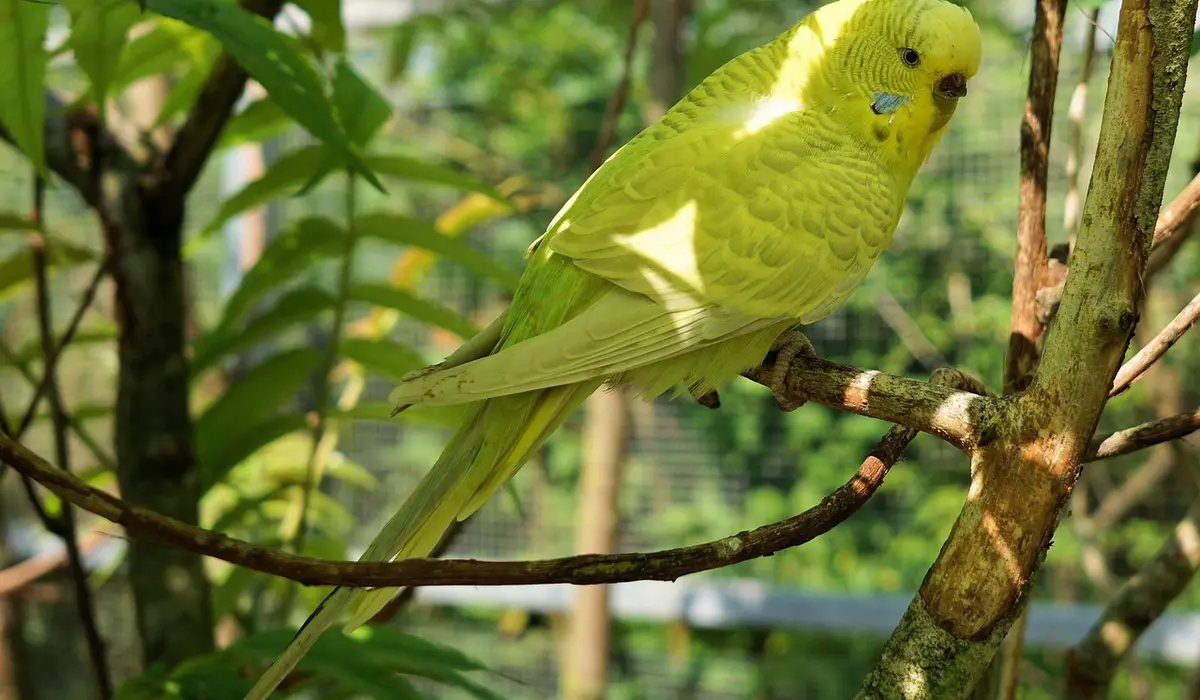
Start by picking fresh, bird-safe fruits and veggies from your local market or garden. I always choose organic options for my parrots Kiwi and Sunny to avoid harmful chemicals. Wash everything under cool running water to get rid of dirt and residues. Chop ingredients into small, bite-sized pieces that match your bird’s beak size—this makes eating easier and safer. For a Quaker parrot diet, these safe foods are ideal to keep on hand. Focus on fresh, bird-safe fruits, vegetables, and grains, while avoiding avocado, chocolate, caffeine, and other toxic items.
- Select a variety of colors: red bell peppers, orange carrots, green kale.
- Include safe grains like cooked quinoa or brown rice for added fiber.
- Add a sprinkle of nuts or seeds, but keep it light to prevent obesity.
From my years with Sage, my African Grey, I’ve learned that proper prep reduces choking risks and boosts nutrient absorption. Store prepped items in airtight containers to lock in freshness until mixing time.
Mixing and Storing for Freshness
Combine your chopped ingredients in a large bowl, gently tossing to blend flavors and textures. Mix in small batches to ensure each serving stays vibrant and nutrient-rich. Use clean hands or a spoon-this keeps bacteria away and maintains food safety.
- Layer wet and dry items to prevent sogginess.
- Add a dash of avian-safe supplements if your vet recommends them.
- Portion the mix into daily servings for easy feeding.
I refrigerate leftovers in glass jars, which keeps food fresh for up to three days. Freeze extra portions in ice cube trays for quick, thaw-and-serve meals that my birds adore.
Easy-Peasy Parrot Food Recipes to Try Today
Colorful Parrot Chop Delight
Ingredients You’ll Need
- 1/2 cup chopped carrots (for vitamin A)
- 1/4 cup diced apples (remove seeds)
- 1/4 cup broccoli florets (rich in antioxidants)
- 2 tablespoons cooked sweet potato (for energy)
- 1 tablespoon flaxseeds (omega-3 boost)
This mix mirrors what I feed Kiwi-it’s packed with nutrients and keeps her playful and curious.
Quick Prep Steps
- Wash and chop all vegetables and fruits into tiny pieces.
- Steam the sweet potato until soft, then cool it down.
- Toss everything together in a bowl, adding flaxseeds last.
- Serve immediately or store in the fridge for later.
My parrots go wild for the bright colors-it’s like a mini feast that supports their health and happiness.
Hearty Parrot Mash for Extra Energy
Ingredients for a Nutritious Blend
- 1/2 cup cooked brown rice (fiber-rich base)
- 1/4 cup mashed peas (for protein)
- 1/4 cup chopped spinach (iron-packed)
- 1 tablespoon crushed almonds (healthy fats)
- 1 teaspoon turmeric (anti-inflammatory benefits)
Sunny, my Sun Conure, thrives on this mash-it gives her the energy for social antics and affectionate chirps.
Simple Cooking Directions
- Cook the brown rice according to package instructions and let it cool.
- Lightly steam the peas and spinach to soften them.
- Mash all ingredients together in a pot, stirring in turmeric and almonds.
- Cool completely before serving to avoid burns.
This warm, comforting dish is perfect for colder days or after active play sessions.
Storing and Serving Your Homemade Parrot Creations
Best Ways to Keep Food Fresh and Safe
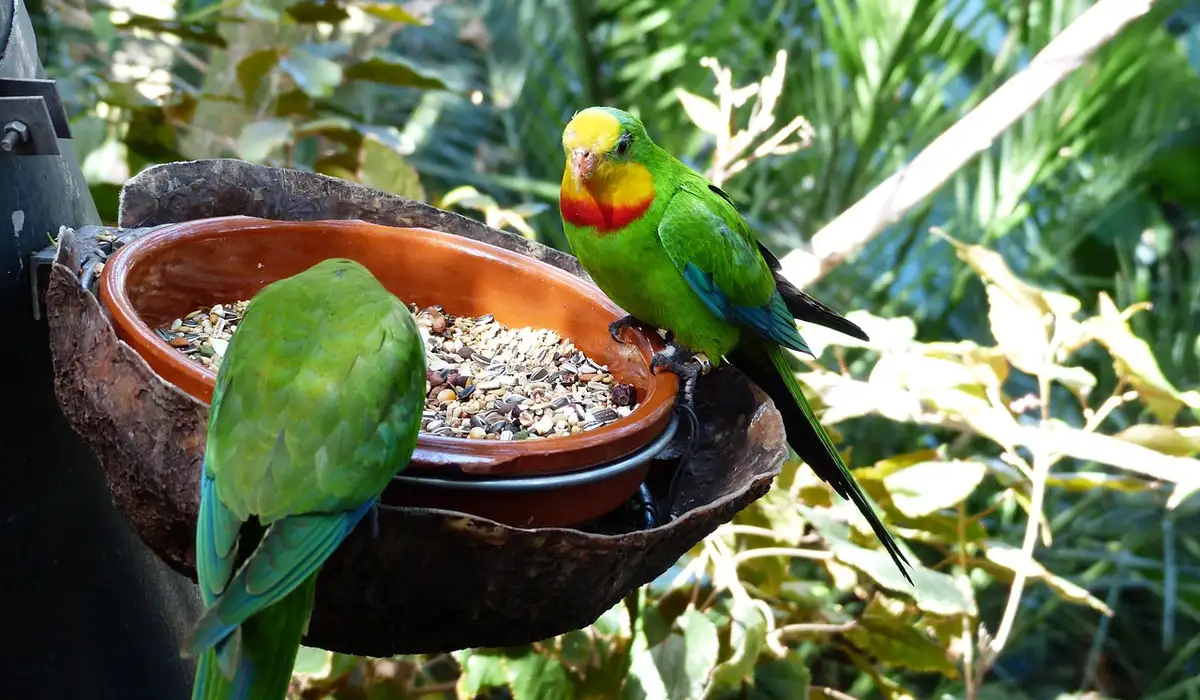
Store homemade parrot food in sealed containers in the refrigerator-it stays good for 2-3 days. I use BPA-free plastic or glass to prevent contamination and preserve taste. For longer storage, freeze portions in labeled bags and thaw them in the fridge overnight.
- Avoid leaving food out for more than two hours to stop bacterial growth.
- Clean feeding dishes daily with hot, soapy water.
- Rotate stocks weekly to use the oldest batches first.
Proper storage not only maintains nutrients but also prevents waste, which aligns with animal welfare by reducing resource use.
How Much to Feed for a Happy, Healthy Bird
Offer about 1-2 tablespoons of food per bird, twice a day, adjusting for size and activity level. Watch your parrot’s weight and behavior-overfeeding can lead to health issues like obesity. Sage, with her calm demeanor, needs less than energetic Kiwi, so I tailor portions individually.
- Start with small servings and increase if your bird finishes quickly.
- Include variety to cover all nutritional bases without excess.
- Consult an avian vet for personalized advice, especially for young or senior birds.
Balanced feeding supports a long, vibrant life-my flock’s joy is proof that homemade care makes a difference.
FAQs
How do I transition my parrot from commercial to homemade food?
Start by mixing a small amount of DIY food with their regular diet to help them adjust to new textures and flavors. Gradually increase the homemade portion over 1-2 weeks while observing their eating habits and overall health.
What should I do if my parrot is a picky eater and refuses DIY food?
Introduce new foods slowly by combining them with favorites or offering at different times to spark interest. Be consistent and patient, as it may take multiple attempts for your parrot to accept the change.
Can the same DIY recipe be used for all parrot species?
No, different species have unique dietary needs based on size, metabolism, and health, so recipes should be adjusted accordingly. Always research or consult a vet to ensure the mix suits your specific bird, like a macaw versus a budgie.
How often should I change the ingredients in my parrot’s DIY meals?
Aim to rotate fruits, veggies, and grains every week to provide nutritional variety and prevent meal fatigue. This practice helps ensure your parrot gets a broad spectrum of vitamins and minerals for optimal health. For practical, species-specific guidance, check the best diet nutrition guide for the Amazon parrot. A reliable guide can help tailor portions, staples, and feeding frequency to your bird’s age and health.
Are supplements necessary for a balanced DIY parrot diet?
If you use a diverse mix of fresh, whole foods, supplements may not be needed, but check with an avian vet for individual advice. Over-supplementing can be harmful, so focus on natural ingredient variety to meet most nutritional requirements.
Wrapping It Up
Making your own parrot food is a fantastic way to know exactly what your feathered friend is eating. Focus on a balanced mix of fresh vegetables, high-quality pellets, and safe grains to build a nutritious foundation. Always double-check that every ingredient is parrot-safe, and introduce new foods slowly to avoid upsetting their sensitive digestive systems. These practices align with parrot diet requirements and are described in our species complete feeding guide. For more species-specific details, consult the full feeding guide to tailor meals to your parrot’s unique needs.
Caring for a parrot is a long-term commitment that extends far beyond their diet. Keep educating yourself on their complex needs, from mental stimulation to proper veterinary care, to ensure they live a full and happy life. Your dedication to learning and providing the best possible care makes all the difference for your companion’s well-being. To translate that knowledge into action, create a long-term care plan for your parrot. This plan should cover housing, daily routines, nutrition, enrichment, and regular veterinary care.
Further Reading & Sources
- Making Chop….aka homemade Parrot food – Heidi’s Happy Acre Farm
- How to Make Homemade Bird Food: 15 Steps (with Pictures) – wikiHow
- r/parrots on Reddit: Does anyone feed their birds purely homemade food?
Suzanne Levine is a dedicated parrot enthusiast and experienced avian caregiver with over 15 years of hands-on experience in parrot care. As the founder of Parrot Care Central, Suzanne is passionate about sharing her knowledge and insights to help fellow parrot owners provide the best possible care for their feathered friends. Her expertise spans nutrition, behavior, health, and enrichment, making her a trusted resource in the parrot care community.
Nutrition