
How to Identify Parrot Bird Bands: A Simple Guide
Staring at that small band on your parrot’s leg can leave you feeling puzzled and a bit anxious about what it means for your feathered friend’s identity and care.
Drawing from my time with parrots like Kiwi’s playful antics and Sage’s calm intelligence, I’ll walk you through the essentials. Here are the top insights you’ll gain:
- How to easily read and understand the codes on the band
- Why band identification is vital for your parrot’s health and safety
- Simple steps to handle missing or unclear bands without stress
You’ll get clear, actionable advice that puts your mind at ease. Topics covered include band types, decoding methods, legal notes, and next steps for owners.
What Are Parrot Bird Bands and Why Do They Matter?
A parrot leg band is a small, circular ring, usually made of aluminum or stainless steel, placed around a bird’s leg. This tiny piece of identification is a cornerstone of responsible pet parrot care, acting as a permanent form of ID, much like a social security number for a person. It stays on for the bird’s entire life.
Banding serves several critical purposes for both breeders and owners.
- Tracking and Identification: If your feathered friend ever flies out an open door or gets lost, a band is the quickest way for a finder or vet to identify and reunite you. I’ve personally had a scare with my conure, Kiwi, and the peace of mind his band provided was immense.
- Legal Compliance: For certain protected or imported species, banding is a legal requirement to prove they were bred in captivity and not taken from the wild. This helps combat the illegal pet trade.
- Breeding Records: Bands are essential for ethical breeders to maintain accurate lineage, track hatch dates, and manage genetics to prevent inbreeding. When I got my African Grey, Sage, his band confirmed his age and the reputable aviary he came from.
Reading Parrot Leg Bands: Cracking the Code
At first glance, the string of numbers and letters on a band looks like random gibberish. But with a little know-how, you can transform that code into a story about your parrot’s origins. The information is typically stamped and can be quite small, so a magnifying glass is your best friend here.
Here is a simple process to decipher the information on most standard, closed bands.
- Identify the Organization: Look for a set of initials, like “SPBE,” “AFA,” or “CBS.” This represents the avicultural society or bird club that issued the band. For instance, my sun conure Sunny’s band starts with “SPBE,” identifying the Society of Parrot Breeders and Exhibitors.
- Locate the Year: Find a two or four-digit number representing the year the parrot was born or banded. My African Grey, Sage, has “16” on his band, meaning he hatched in 2016.
- Find the Unique ID: The remaining numbers are a unique serial code assigned specifically to your bird. This is what the issuing organization uses to look up your parrot in their database.
- Check for State/Country Codes: Some bands may include a state abbreviation (e.g., “FL”) or a country code to pinpoint the geographic origin.
Let’s look at a fictional example for a Green-cheeked Conure: SPBE FL 23 18462. You could read this as a bird bred in Florida, hatched in 2023, and registered with the SPBE under ID #18462.
Types and Materials of Parrot Identification Bands
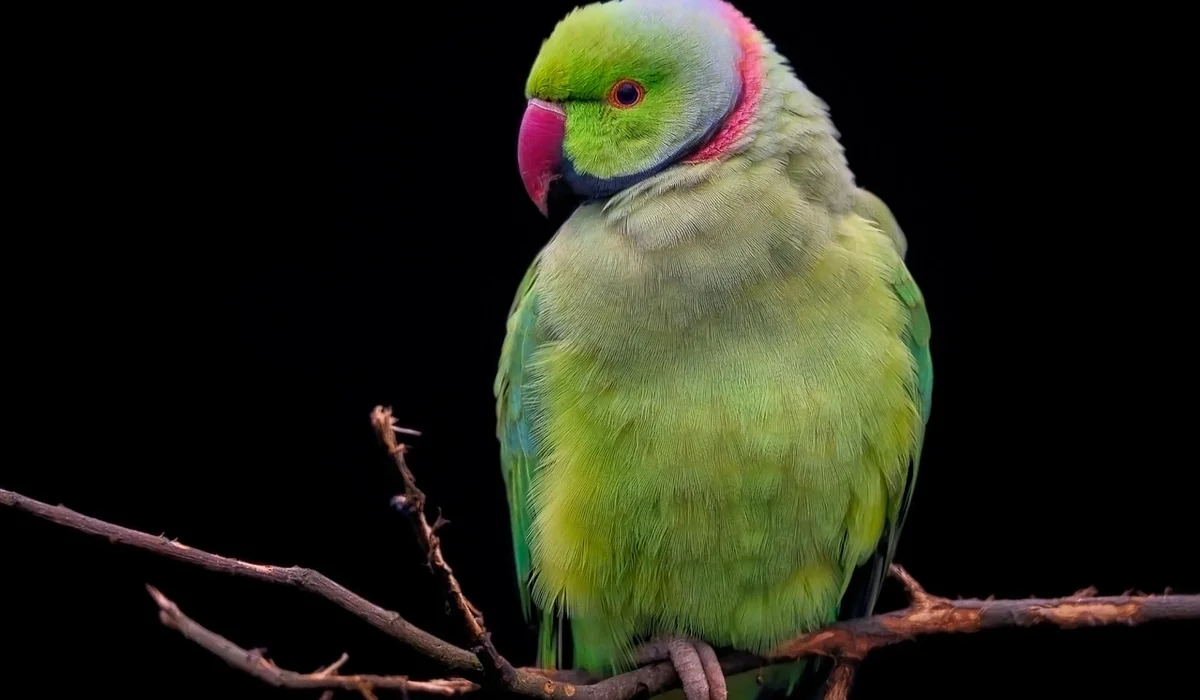
When I first got Kiwi, my Green-cheeked Conure, I noticed her tiny band and wondered what it was all about. Parrot bands come in various styles, each serving a unique purpose for identification and tracking. Open bands are like flexible rings that can be added to adult birds, while closed bands are solid loops placed on chicks before their feet grow too large. Color-coded bands offer a quick visual cue for breeders or owners with multiple birds, and combination bands mix numbers with colors for detailed records. Over the years, I’ve seen how these styles help keep our feathered friends safe and traceable.
Materials matter a lot for durability and comfort. Aluminum bands are lightweight and budget-friendly, but they can wear down or corrode over time, especially in humid climates. Stainless steel is my go-to for long-lasting use-it resists rust and tampering, though it’s a bit heavier. Plastic bands are colorful and gentle on delicate legs, ideal for smaller parrots like conures, but they might not hold up against chewing. From Sunny’s playful nibbling to Sage’s calm demeanor, I’ve learned that choosing the right material prevents irritation and ensures the band lasts through their active lives, much like selecting the right cage material contributes to your parrot’s well-being.
Getting the fit right is crucial for your parrot’s well-being. Bands should sit snugly without restricting blood flow or movement, much like a comfortable bracelet for humans. For tiny birds like budgies, a smaller diameter works, while larger parrots like African Greys need broader bands. A parrot size guide helps explain what “big” means for different species, since different species get different band sizes. It also highlights how individual birds may vary by age and growth, so regular checks are still essential. I always check Kiwi’s band regularly to make sure it hasn’t tightened as she grows. Proper sizing avoids injuries and keeps your bird happy and healthy, which is a core part of responsible pet care.
How to Look Up Parrot Band Numbers Effectively
Tracking down a parrot’s history through its band number can feel like solving a fun puzzle. Start by carefully noting the full number and any letters or symbols on the band, using a magnifying glass if needed for clarity. Next, hop online to search databases like the American Federation of Aviculture or international registries-these often list breeders and birth details. Don’t forget to reach out directly to breeders or clubs mentioned; many are happy to share info, just like when I traced Sunny’s origins to a caring aviary. And if you’re looking to acquire a parrot, it’s crucial to know where to find reputable parrot breeders and what to look for.
- Use trusted websites such as BirdBand or local avian societies for decoding systems.
- Contact your avian vet for recommendations on reliable resources.
- Keep a log of your searches to avoid repeating steps and save time.
Verifying band authenticity protects you from scams and ensures accurate info. Look for standardized formats, like sequential numbers or manufacturer codes, and cross-check with multiple sources to confirm details. When buying a parrot online, stick to legitimate sellers on reputable platforms that offer clear origin and health information and buyer protections. Check seller ratings, credentials, and return policies before purchasing. Be wary of sellers who can’t provide backup documentation—I once avoided a shady deal by double-checking a band’s legitimacy with a vet. Staying vigilant helps keep the parrot community honest and supports animal welfare by preventing illegal trade.
Parrot Banding Systems: Who Issues Them and How
Banding isn’t just a random act; it’s often managed by organized groups to maintain bird welfare. Clubs like the Avicultural Society issue bands for pedigree tracking, while government agencies might require them for legal compliance in captive parrot ownership. Breeders frequently use their own systems to monitor lineage and health, which I’ve seen firsthand with Sage’s detailed records. These organizations work together to create a network that safeguards birds and promotes ethical practices.
Legal requirements vary by region, but they’re designed to prevent neglect and illegal trade. In many areas, captive parrots must have bands to prove lawful acquisition and support conservation efforts. Compliance involves registering your bird and keeping bands intact-skipping this can lead to fines or worse, harm to the animal. I always advocate for following these rules; it’s a simple step that makes a big difference in protecting our parrot pals.
Good record-keeping ties everything together for a seamless experience. Maintain a file with band numbers, vet visits, and any changes in your parrot’s life, updating it regularly to stay organized. From these records, you can draft a long-term care plan for your parrot that outlines health milestones, dietary needs, and daily routines. Having a long-term plan in place makes it easier to adjust care as your bird ages or when circumstances change. This habit helped me quickly address Kiwi’s minor health scare by referencing her band details. Documenting everything ensures you’re prepared for emergencies and contributes to a broader culture of responsible parrot care.
Bands vs. Microchips: Choosing the Right ID for Your Parrot
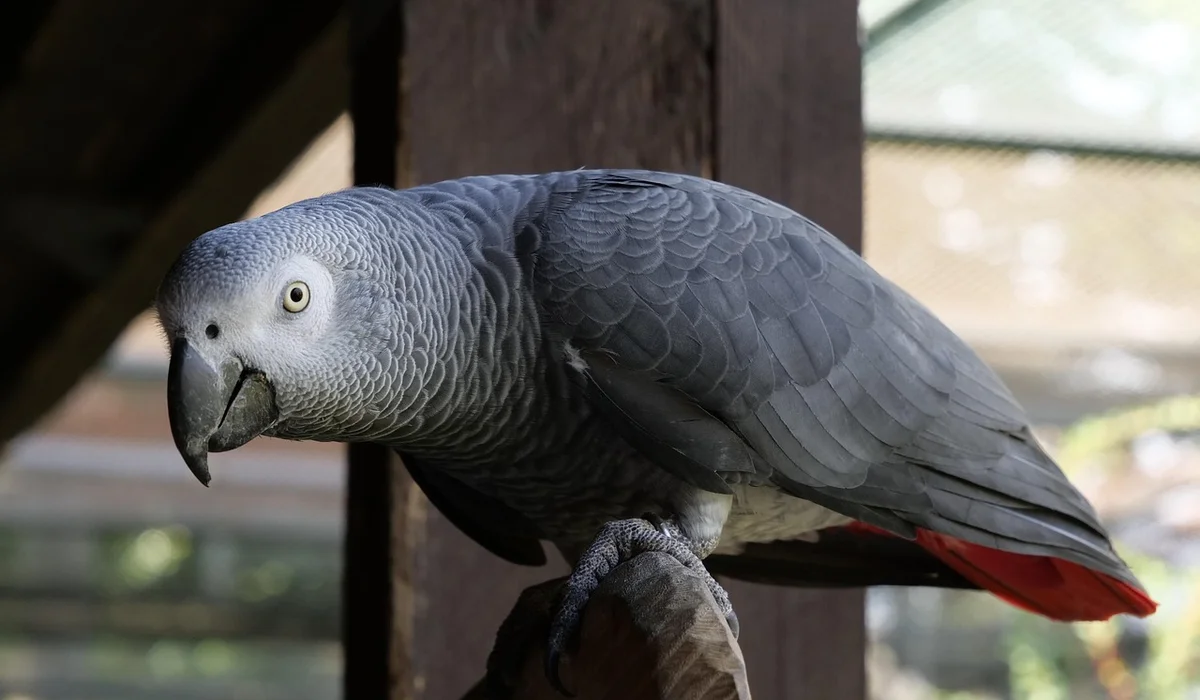
Deciding between a leg band and a microchip feels like picking a safety system for your feathered kid. I’ve used both methods with my flock and learned that each has its own superpowers and weaknesses. Let’s break down the real-world pros and cons so you can make the best choice.
Leg Bands: The Classic Choice
Leg bands are those little rings you see on your parrot’s ankle. My Green-cheeked Conure, Kiwi, has worn one since I got him.
- Pros: Instantly visible for quick identification, no special tools needed to read them, typically very affordable.
- Cons: Can snag on toys or cage bars, may cause leg injuries if improperly fitted, some parrots figure out how to remove them.
Microchips: The High-Tech Option
A microchip is a tiny rice-sized device injected under the skin, usually between the shoulder blades. My African Grey, Sage, has one.
- Pros: Permanent and nearly impossible to lose or remove, much safer with no risk of snagging, universally readable by vets and shelters.
- Cons: Requires a special scanner to read the ID number, involves a quick vet visit for implantation, slightly more expensive upfront.
From an animal welfare perspective, I lean toward microchips for their superior safety. I’ve seen too many close calls with bands getting caught, and a microchip eliminates that daily risk entirely. The peace of mind knowing Sage’s ID can’t be lost or become a hazard is worth the extra initial cost. However, bands work perfectly fine for many parrots when fitted correctly and monitored closely. To help you weigh the options, this complete guide to microchipping your parrot outlines the pros, cons, and the step-by-step procedure. It also covers cost, veterinary considerations, and aftercare.
Caring for Your Parrot’s Band: Safety and Maintenance Tips
If your parrot wears a leg band, think of it like a piece of jewelry that needs regular check-ups. A neglected band can turn from a simple ID tag into a serious danger in seconds. Here’s how to keep your bird safe and comfortable. Toys can also be dangerous if not chosen and maintained properly, so include a quick toys safety checklist in your routine. A brief checklist helps you spot hazards like loose strings, small parts, or chewed materials before your bird gets hurt.
Regular Inspection Routine
- Check Daily: During your normal interactions, quickly look at the band. Make sure it spins freely around the leg and isn’t too tight.
- Weekly Deep Look: Once a week, hold your parrot calmly and examine the band closely. Look for any cracks, rough edges, or debris stuck inside.
- Skin Check: Gently move the band to inspect the skin underneath. Watch for redness, swelling, or feather loss around the area.
Cleaning the Band
Bands collect food, dust, and moisture over time. I use a soft toothbrush dipped in warm water to gently scrub Kiwi’s band during his bath time. Avoid any harsh chemicals or soaps that could irritate his skin. Just a simple physical scrub keeps it clean and functional.
When Removal Becomes Necessary
Sometimes, a band causes more problems than it solves. You should never, ever try to remove a band yourself-this is a job for an avian vet. I learned this the hard way when my Sun Conure, Sunny, got a piece of thread tangled in his band. Removal requires special tools and expertise to avoid breaking your parrot’s delicate leg bones.
Recognizing Band-Related Emergencies
Contact your vet immediately if you notice any of these warning signs:
- The band feels stuck and won’t rotate around the leg
- Visible swelling or discoloration of the foot or leg
- Your parrot constantly chewing or picking at the band
- Any bleeding or open wounds near the band
- Changes in how your parrot stands or moves that leg
Prevention is always better than treatment when it comes to band safety. By making band inspection part of your regular care routine, you can catch small issues before they become big problems. My parrots have taught me that being proactive about their safety is one of the most loving things I can do as their caretaker.
FAQs
How can I tell if my parrot’s band is the right size?
A properly fitted band should spin freely around the leg without any resistance. If it feels tight or causes swelling, consult an avian vet for adjustment.
What should I do if my parrot loses its identification band?
Contact the breeder or issuing organization immediately to report the loss and check for replacement options. Consider microchipping as a more permanent identification solution to prevent future issues.
Are there any specific cleaning products safe for parrot bands?
Use only warm water and a soft-bristled brush to gently clean the band, as harsh chemicals can irritate your parrot’s skin. If you need to use a cleaner, choose bird-safe, non-toxic options and rinse thoroughly. Always ensure no residue remains before handling your bird. Regular cleaning helps prevent debris buildup and maintains band readability.
How do band codes differ between avicultural societies?
Each society uses unique prefixes, such as initials or location codes, in their band numbering systems. Refer to the specific organization’s guidelines or database to accurately interpret the codes for your parrot.
Can I request a replacement band if the original is damaged?
Yes, reach out to the original issuer or a certified avian group with your parrot’s records to order a new band. Ensure the replacement includes updated details if necessary for accurate tracking.
Closing the Loop
You now have the tools to read your parrot’s life story from its leg. Remember, that little band is your direct line to their origin, so keep a record of the codes and check both legs for multiple bands. If the information is unclear or missing, your best next step is to contact the breeder directly or consult with an avian veterinarian who can help you interpret it. Before you commit, consider asking questions for breeders and rescues about the bird’s history and care. This helps you choose a parrot whose needs you can meet and ensures transparency from the source.
Decoding a band is just one part of the incredible journey of parrot companionship. Embrace the responsibility of pet ownership by considering a microchip as a permanent backup and by committing to learn something new about their care every single day. Your feathered friend depends on your dedication for a long, healthy, and joyful life.
Further Reading & Sources
- Leg Bands and Identification for Birds | VCA Animal Hospitals
- Reading Your Bird’s Leg Band
- How to Look Up Bird Band Numbers for Parrots | Pets on Mom.com
Suzanne Levine is a dedicated parrot enthusiast and experienced avian caregiver with over 15 years of hands-on experience in parrot care. As the founder of Parrot Care Central, Suzanne is passionate about sharing her knowledge and insights to help fellow parrot owners provide the best possible care for their feathered friends. Her expertise spans nutrition, behavior, health, and enrichment, making her a trusted resource in the parrot care community.
Finding a Parrot