Parrot Species Identification Guide: What Do Different Parrots Look Like?
Published on: December 3, 2025 | Last Updated: December 3, 2025
Written By: Suzanne Levine
Ever spotted a stunning parrot and had no idea what species it was? That confusion is totally normal, and I’ve been there myself with my own feathered friends like Kiwi and Sunny.
I’ll guide you through the basics so you can identify parrots with ease. You’ll get clear insights on key features that make each species unique, drawing from my hands-on experience caring for various parrots.
- Identify parrots by their vivid colors and distinct markings, like the red belly on my Green-cheeked Conure, Kiwi.
- Recognize size and shape differences that help tell species apart, from small conures to larger African Greys.
- Understand how personality traits often link to appearance, aiding in quick, accurate identification.
By the end, you’ll feel confident spotting differences. We cover: common species, color patterns, size ranges, behavior clues.
Meet the Parrot Families: A World of Feathered Variety
Parrots split into distinct families, each with a signature look that makes identification easier once you know what to look for. Choosing the right pet parrot for your home lifestyle means matching these traits to your routine, space, and care capacity. Understanding the family traits helps you pick a parrot that fits your life and home environment.
You can spot a true parrot from the Psittacidae family by their classic, robust build and often vibrant, solid-colored plumage without a movable head crest. My Green-cheeked Conure, Kiwi, is a perfect example with his sleek green body.
Cockatoos, from the Cacatuidae family, are the show-offs with their spectacular erectile crests.
- They use these crests to communicate emotions, raising them when excited or curious.
- Their plumage often feels softer and more downy compared to the firmer, more structured feathers of a macaw.
- Many species, like the Sulphur-crested Cockatoo, sport stunning white feathers.
Don’t forget the unique Strigopidae family from New Zealand!
- The Kea, a clever alpine parrot, has a pronounced, sharply curved beak perfect for probing and manipulating objects.
- Their olive-green plumage helps them blend into their rugged mountain habitats.
Colors and Patterns: The Palette of Parrot Plumage
Parrot feathers come in every color imaginable, creating a living rainbow that helps us tell them apart at a glance.
Many parrots use green as a base color for camouflage in forest canopies, like the various Amazon species, while macaws often stun with brilliant blues and yellows.
Patterns are just as important as the colors themselves for identification.
- Some parrots, like many conures, have beautifully scalloped patterns where each feather is edged in a slightly different shade.
- Barring, a series of thin lines, is common on some smaller parrots and can be seen in certain light.
- Vivid patches of color, like the bright red shoulders on some macaws, act as clear field marks.
While rare, pure black and white parrots do exist and are breathtaking.
- The Palm Cockatoo is a majestic, jet-black bird with striking red cheek patches.
- The Umbrella Cockatoo is a vision in pure, snowy white with that iconic, expansive crest.
From personal observation, the colors are intensely vibrant.
My Sun Conure, Sunny, looks like he’s flown through a sunset, with a fiery red-orange belly that melts into a vibrant yellow and flashes of electric blue on his wings.
The sheer diversity is a constant reminder of nature’s incredible artistry.
Size and Shape Clues: From Tiny Budgies to Giant Macaws
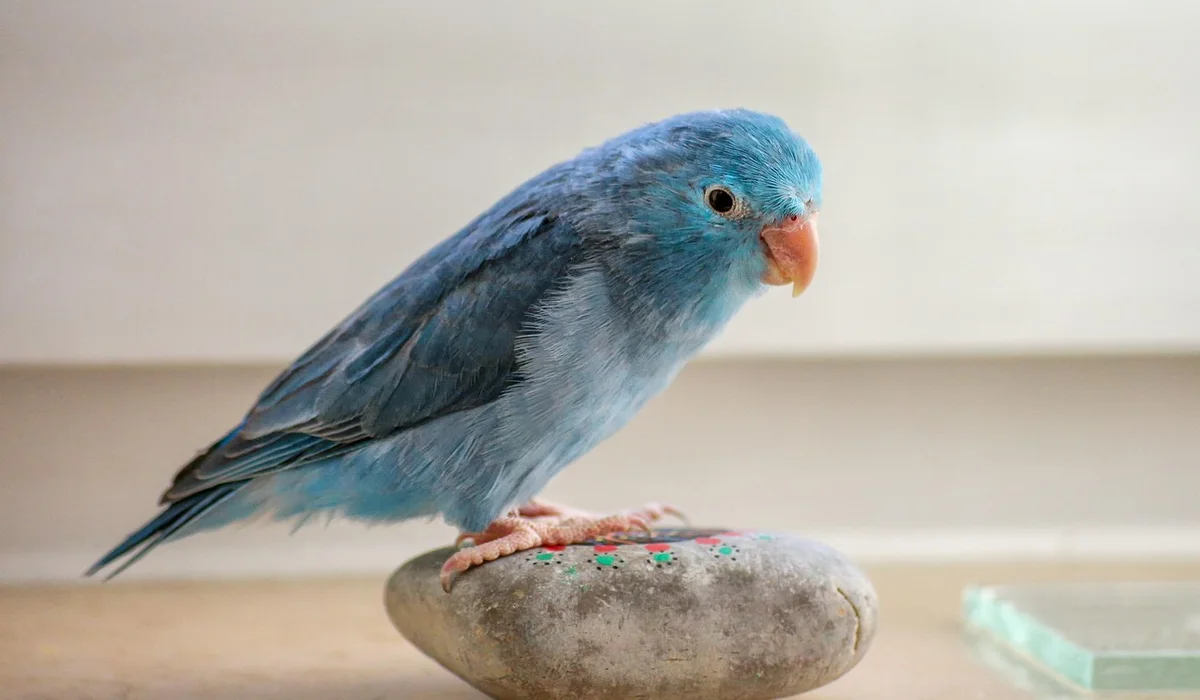
When you’re trying to identify a parrot, the very first thing that usually catches your eye is its size. Parrots come in a breathtaking range of sizes, from birds that fit in the palm of your hand to giants with the wingspan of a small eagle. This physical scale is your most immediate and reliable clue.
I remember the first time I held a budgie and then later met a Hyacinth Macaw. The difference was staggering. Let’s break down the common size categories you’ll encounter in the pet world.
The Three Main Size Groups
- Small Parrots (5 to 12 inches): This group includes popular starters like budgies (parakeets), cockatiels, and lovebirds. My Green-cheeked Conure, Kiwi, falls into the smaller end of this range. These birds are lightweight, often weighing just a few ounces, and are perfect for people with limited space.
- Medium Parrots (12 to 20 inches): Think of species like Conures, Caiques, and smaller Amazons. They offer a great balance-more substantial presence and personality than a small bird, but without the immense space and care demands of the giants. My Sun Conure, Sunny, is a vibrant ball of energy in this category.
- Large Parrots (20 inches and up): This is the realm of the Macaws, Cockatoos, and large African Greys. My African Grey, Sage, is a magnificent example of this group’s intelligent and calm demeanor. These birds are incredibly powerful and require an experienced owner who understands their long-term commitment.
Key Features to Look For
Beyond just length, specific body parts tell a detailed story about a parrot’s species.
Beak Shape and Power
All parrots have a hooked beak, but the shape and size vary dramatically. A Macaw’s beak is a massive, powerful tool capable of cracking open the hardest nuts, while a lovebird’s beak is a much smaller, delicate instrument. The beak’s strength is a direct reflection of the bird’s natural diet and lifestyle.
Tail Length and Style
Tails are a fantastic identifier. Parakeets, for instance, are famous for their long, graceful tail feathers that can make up half their body length. In contrast, a Caique or a Pionus has a much shorter, squared-off tail. This feature is often the easiest to spot from a distance and can instantly narrow down your options.
Eye Rings and Facial Features
Don’t forget to look at their faces. Some species, like the African Grey, have a striking, light grey patch of bare skin around their eyes. Cockatoos often have a movable crest of feathers on their head that they raise when excited or alarmed. These subtle facial markings are like a parrot’s fingerprint, unique to their kind. Observing Sage’s intelligent eyes and that distinct pale ring always reminds me of her species’ unique look.
Quick-Reference Size Guide
Here’s a simple table to help you quickly compare some of the most common pet parrot species. Remember, these are averages, and individual birds can vary. This table ties into our parrot lifespan guide, as lifespans differ widely between species. Some parrots can live for decades with proper care.
| Species | Average Length | Average Weight | Size Category |
|---|---|---|---|
| Budgerigar (Budgie/Parakeet) | 7 inches | 1-1.5 ounces | Small |
| Lovebird | 5-7 inches | 1.5-2.5 ounces | Small |
| Cockatiel | 12-13 inches | 3-4 ounces | Small |
| Green-cheeked Conure | 10 inches | 2-3 ounces | Small |
| Sun Conure | 12 inches | 4-5 ounces | Medium |
| African Grey Parrot | 13 inches | 14-18 ounces | Large |
| Blue-and-Gold Macaw | 30-35 inches | 2-3 pounds | Large |
Getting a feel for a parrot’s size and shape is the foundational first step in becoming a skilled identifier. It helps you appreciate the incredible diversity within the parrot family and sets the stage for looking at their stunning colors and patterns next.
Spotlight on Popular Pet Parrots: Recognizing Your Feathered Friend
Macaws and Their Majestic Looks
- Macaws impress with their grand size, often stretching over three feet from beak to tail. You can’t miss how their long, elegant tails sweep behind them as they move.
- Their feathers burst with vibrant hues like royal blue, sunshine yellow, and fiery red. I’ve watched macaws at sanctuaries use their colorful plumage to express moods, almost like a living rainbow.
- Expressive faces with intelligent eyes make each macaw unique. Caring for these giants requires space and commitment, so always adopt from reputable sources to support their well-being.
Conures and Cockatiels: Colorful Companions
- Conures like my Green-cheeked, Kiwi, flaunt playful patterns mixing green bodies with red bellies and blue wing tips. Their small size packs a big personality, perfect for lively homes.
- Cockatiels charm with upright crests that wiggle when they’re curious or excited. I’ve seen cockatiels use those crests to signal everything from happiness to alarm.
- Social behaviors shine in conures and cockatiels, who thrive on interaction. Kiwi loves perching on my shoulder and chirping along to music, showing how bonded they become.
- Sun Conures, like my Sunny, glow in yellow, orange, and green, making them eye-catching pals. Their affectionate natures mean they demand daily playtime to stay happy and healthy.
African Greys and Amazons: Intelligent Appearances
- African Greys, such as my Sage, stand out with sleek grey plumage and bold red tail feathers. Their subtle colors hide a sharp mind that picks up words and sounds effortlessly.
- Amazons dominate in shades of green, often accented with splashes of yellow or blue on their heads. I’ve noticed how their green coats help them blend, but their vocal talents make them impossible to ignore.
- Cognitive traits link directly to their looks; Sage solves puzzles and recalls phrases with ease. Providing enrichment toys keeps their smart brains engaged and prevents boredom.
- Both species need mental stimulation to match their sharp appearances. Adopting from shelters gives these wise birds a second chance at a fulfilling life.
Unusual Parrots: Beyond the Ordinary Hues
Many people picture a bright green bird when they think of parrots, but some species break the mold entirely. My own flock taught me that parrot beauty comes in many forms, from the fiery red of my conure’s belly to the wise grey of my African Grey.
The Eclectus Parrot: A Tale of Two Colors
If you ever need proof that male and female birds can look completely different, the Eclectus parrot is your answer. The males are a brilliant, almost neon green, like a fresh lime, while the females are a stunning deep red and purple. For the longest time, people even thought they were two separate species! This dramatic difference helps them blend into their specific roles in the rainforest canopy.
Poicephalus Parrots: Masters of Subtlety
Not all parrots are flashy. The Poicephalus family, which includes the Meyer’s and Senegal parrots, wears a sophisticated palette of earth tones. Their olive greens, soft browns, and muted greys are a form of natural camouflage, helping them disappear into the woodlands of Africa – much like the African Grey Parrot. My friend’s Senegal, with its V-shaped vest of color, is a perfect example of this understated elegance.
A Fun Slice of Parrot History
The classic image of a pirate with a parrot on his shoulder isn’t just a cartoon fantasy. Historical accounts suggest sailors did keep parrots, often large, brightly colored Macaws, as treasured companions on long voyages. These birds were relatively easy to care for on ships and provided a vibrant, living souvenir from tropical ports. It’s a charming piece of trivia that connects these magnificent birds to our own human history of exploration.
Age and Gender Visuals: How Parrots Transform Over Time
Watching a parrot grow is like seeing a flower slowly bloom. Their appearance shifts dramatically from fluffy chick to sleek adult, and for some species, gender plays a starring role in their final look. I’ve witnessed this firsthand with my own flock, and it never ceases to amaze me.
From Fluffball to Fabulous: Juvenile vs. Adult Plumage
Baby parrots often look quite different from their parents. Their initial feathers, called juvenile plumage, are typically duller and less defined.
- Budgerigars (Budgies): Young budgies have black stripes running down their forehead to their cere. As they mature, these stripes recede. The cere-the fleshy area above the beak-changes color, often turning blue in males and a crusty tan or brown in females.
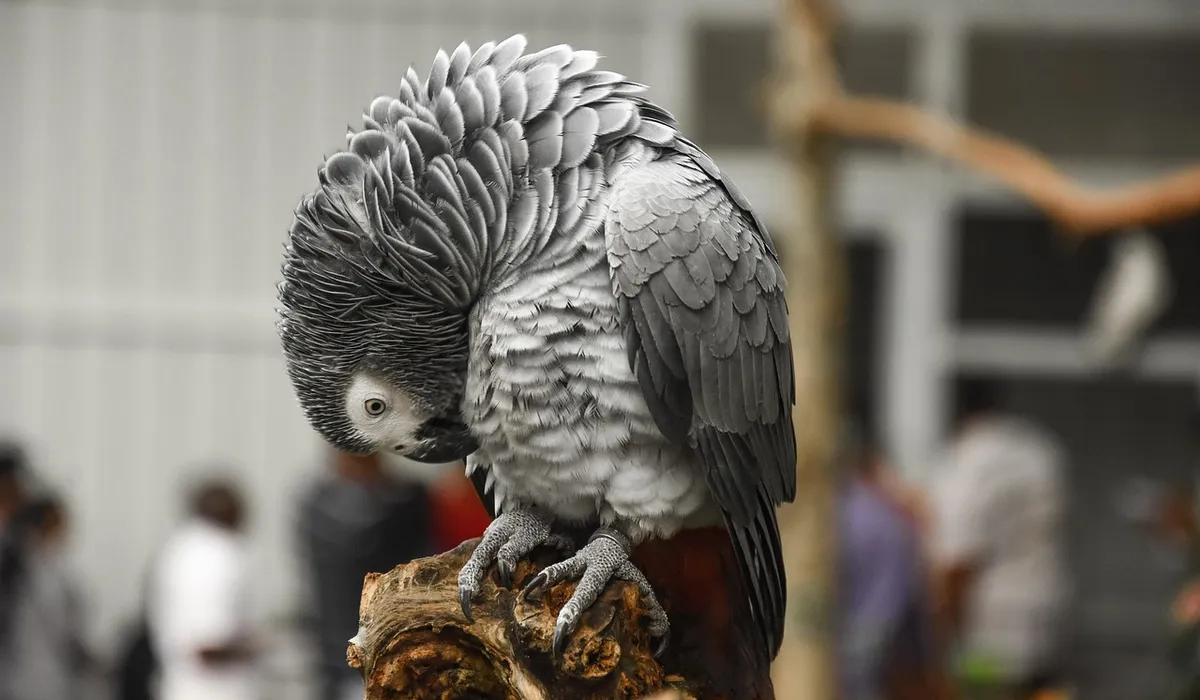
- African Greys: Chicks have dark irises that lighten to a pale, striking yellow as they reach adulthood, usually by the time they are a year old. Their tail feathers also become a more vibrant, solid red.
- Green-cheeked Conures: Juveniles have duller colors overall. My Kiwi’s signature red belly was much paler when I first brought him home, deepening into a rich burgundy over his first year.
This transformation isn’t just about beauty; it’s a clear signal that a parrot is reaching sexual maturity and adulthood.
A World of Difference: Sexually Dimorphic Species
In some parrot species, males and females look completely different. This is called sexual dimorphism, and it makes visual identification much simpler.
The Eclectus parrot is the most famous example. Here is how you can tell them apart in just a few steps:
- Observe the primary color. Males are a vibrant, almost neon green. Females are a stunning red and blue or purple.
- Check the beak. Male Eclectus parrots have a bright orange beak with a yellow tip. Females have an all-black beak.
- Look at the eye ring. Both have a small ring of feathers around their eyes, but the color can be more pronounced and varied in females.
This dramatic difference is one of the most extreme in the parrot world, making the Eclectus a fascinating case study in avian evolution. Do Eclectus parrots eat a complete diet? A complete diet guide explains how to balance their unique nutritional needs and keep them healthy.
Feathers and Time: My Observations on Aging
Even after reaching adulthood, a parrot’s appearance continues to subtly evolve. My African Grey, Sage, is a perfect example.
When Sage was younger, his grey feathers had a silvery, almost metallic sheen to them. Now, at eight years old, I’ve noticed his plumage has dulled slightly, losing some of that brilliant youthful luster.
- This is a normal part of the aging process, much like how human hair can lose its shine.
- Older parrots might also develop lighter-colored feathers in areas of frequent wear, like around the beak or on the head from scratching.
- Their nails and beaks may grow thicker and require more frequent maintenance.
Paying attention to these gentle changes helps you provide the best possible care throughout your parrot’s long life. For a thorough overview of the most common parrot health concerns, see our complete guide. It highlights warning signs, prevention tips, and when to consult a veterinarian.
Quick ID Tips for Parrot Enthusiasts
Identifying parrots becomes much simpler when you break it down into a clear, three-step process. I always start with the most obvious feature-color-before moving to size and finally those special markings that make each bird unique. This method has never let me down, whether I’m at an aviary or spotting a wild parrot. That same three-step approach also serves as a solid foundation for a train-different-parrot-species comparative guide. It helps you compare how different species respond to cues and tailor training accordingly.
A Simple 3-Step Identification Method
- Observe the Color Palette First
Look at the overall body color and any striking patches. My Green-cheeked Conure, Kiwi, has a green body with a bright red belly, which immediately narrows down the possibilities. Focus on the most vibrant areas first, as these are your biggest clues.
- Estimate the Bird’s Size
Compare the parrot to common objects for quick reference. Is it sparrow-sized (like a parrotlet), crow-sized (like my conures), or as large as a hawk (like a macaw)? This size check quickly eliminates many species that don’t match. This size awareness informs housing cage requirements—choose a cage with appropriate size, bar spacing, and perch layout for that species. A properly sized cage supports wing movement and daily activity.
- Spot the Unique Markings
Search for distinctive features like crests (cockatoos), eye rings (some amazons), or specialized beaks. These final details often confirm your identification beyond any doubt.
Helpful Tools and Ethical Practices
I’ve found that carrying a regional field guide specific to your area makes identification much more accurate. Mobile apps like Merlin Bird ID can be incredibly helpful for instant verification in the field. Always remember to observe birds from a respectful distance, especially during nesting season, and never disturb their natural behaviors.
Behavior Tells the Full Story
Visual identification only gives you part of the picture. Watching how a parrot behaves often provides the confirmation you need for positive identification. Cockatiels frequently bob their heads when curious or excited, while my sun conure, Sunny, uses specific body postures to communicate. These behavioral clues, combined with physical characteristics, create a complete identification profile that’s much more reliable than looks alone.
FAQs
What if a parrot’s colors don’t match the standard description for its species?
Some parrots can have color mutations, resulting in unique shades like blue, yellow, or cinnamon that differ from their wild counterparts. These variations are often bred in captivity and do not change the bird’s fundamental species identification based on its size, shape, and other features.
How can I tell the difference between a conure and a similar-looking parakeet?
Conures typically have a more robust, stockier body and a larger, more powerful beak compared to the slender build and smaller beak of a parakeet. Observing the tail length can also help, as many conures have shorter, wedge-shaped tails, while parakeets are known for their long, tapered tail feathers.
What should I do if I still can’t identify a parrot after using the guide?
Take a clear photograph and consult with avian experts at a local bird club, rescue, or veterinarian who have hands-on experience with many species. You can also use reputable online bird forums or identification apps where you can share the picture and details for community assistance. When arranging vet care, focus on choosing the right bird specialist—a board-certified avian veterinarian or an experienced clinician for your bird’s species. Ask about their diagnostic approach and aftercare to ensure appropriate treatment.
Final Thoughts
Identifying your parrot is just the first step in a wonderful journey. Remember to look beyond just the feathers and colors; pay close attention to their size, beak shape, and most importantly, their unique personality, as these traits truly define who they are. Additionally, learning how to tell if your parrot is happy can deepen your bond even further.
Caring for a parrot is a long-term commitment that requires your dedication to learning and growing alongside them. I encourage you to embrace being a lifelong student of parrot care, ensuring you provide a loving, stimulating, and forever home for your beautiful, complex companion. To help you start strong, check out this step-by-step survival guide for your new parrot’s first day home.
Further Reading & Sources
Suzanne Levine is a dedicated parrot enthusiast and experienced avian caregiver with over 15 years of hands-on experience in parrot care. As the founder of Parrot Care Central, Suzanne is passionate about sharing her knowledge and insights to help fellow parrot owners provide the best possible care for their feathered friends. Her expertise spans nutrition, behavior, health, and enrichment, making her a trusted resource in the parrot care community.
Finding a Parrot