
Health Considerations: Are Adopted Parrots Healthier Than Bred Parrots?
Choosing a parrot often brings up worries about their health origins. You might wonder if adopted parrots come with hidden illnesses or if bred parrots have genetic weaknesses that could affect their well-being.
Having raised parrots like Kiwi, Sunny, and Sage, I’ve seen both sides and can help you weigh the facts. Here are three essential points to guide your decision:
- Genetic health risks vary between bred and adopted parrots, impacting long-term vitality.
- Adopted birds may have documented health histories, offering clearer insights into their needs.
- Environmental factors and care quality often outweigh origin in determining overall health.
You’ll find practical, easy-to-follow advice ahead. Topics covered include: Genetic Factors, Adoption Benefits, Common Health Issues, Preventive Care, Cost Comparisons
Exploring the Health Debate: Adoption vs. Breeding
When you bring a parrot home, their health story starts long before they perch in your space. Adopted parrots often come with histories that shape their well-being, while bred parrots might have controlled starts but hidden genetic risks. I’ve cared for both types, and each path offers unique health twists.
Core differences pop up right away. Adopted birds might arrive with unknown medical pasts or stress-related quirks, but they frequently dodge inbreeding traps common in some bred lines. Bred parrots, on the other hand, can boast clear lineage records, yet poor breeding practices might saddle them with hereditary issues.
| Health Factor | Adopted Parrots | Bred Parrots |
|---|---|---|
| Genetic Diversity | Often higher, reducing inbreeding risks | Can be lower, increasing susceptibility to genetic diseases |
| Initial Medical History | Variable; may include prior vet checks or gaps | Typically documented from hatch, but depends on breeder |
| Common Health Issues | Stress-induced problems, malnutrition from past care | Genetic disorders like feather picking or respiratory ailments |
My Green-cheeked Conure, Kiwi, came to me adopted with a sketchy health record. She had minor feather issues from a cramped previous home, but her mixed background meant she bounced back fast with proper diet and love. In contrast, bred parrots I’ve known, like some Sun Conures, sometimes face predictable health hiccups tied to their bloodlines.
What Adoption Brings to Parrot Health
Choosing adoption can unlock surprising health perks for your feathered friend. Many rescued parrots have already weathered various environments, which might toughen their immune systems over time. I’ve seen this in my flock-birds from shelters often handle new germs better than their bred counterparts.
- Reduced inbreeding risk due to diverse genetic pools
- Potential for prior health screenings in well-run rescues
- Stronger resilience from adapting to different homes
To assess an adopted parrot’s health history, follow these steps. Start by requesting any available vet records and observing the bird’s behavior for red flags like lethargy or abnormal droppings. Ask the rescue about past illnesses and diet, and schedule a vet visit pronto to fill in gaps.
- Review existing medical documents for vaccinations or treatments
- Watch for signs of good health: bright eyes, smooth feathers, active movement
- Inquire about previous owners’ care habits and any known stressors
Health Considerations in Bred Parrots
Bred parrots bring their own set of health puzzles, often rooted in genetics. Inbreeding can lead to weakened immune systems or chronic conditions, so picking a responsible breeder is non-negotiable. I’ve learned this through friends’ experiences with parrots prone to issues like psittacine beak and feather disease.
Good breeder practices make all the difference. Reputable breeders screen for common avian diseases and maintain clean, spacious environments to prevent outbreaks. They should provide health guarantees and transparency about lineage.
- Blood tests for viral infections such as PBFD or polyomavirus
- DNA sexing to avoid hormone-related health problems
- Fecal exams to check for internal parasites
- Beak and feather assessments for early signs of disease
Immediate Health Steps for New Parrots
Bringing a new parrot home is exciting, but their health needs kick in fast. Start with a vet checkup within the first week to catch any hidden issues and set a baseline for future care. I did this with Sunny, my Sun Conure, and it spared us from a potential parasite problem. For baby parrots, the first 90 days are critical. A complete guide on baby parrot care covers feeding, housing, and routines for this period.
- Schedule a full veterinary exam, including weight checks and physical inspection
- Request parasite screening and update immunizations if needed
- Set up a quarantine area away from other pets for at least 30 days
- Monitor for stress signs like changes in appetite or vocalization
Quarantine isn’t just about disease control—it’s a safety net. Isolating your new parrot helps prevent spreading illnesses to your existing flock and gives the bird time to decompress. To maximize safety, many keepers follow a 30-day quarantine protocol for every new bird. This standard period gives you time to observe health, behavior, and acclimation before joining the flock. From my experience, this step is vital for adopted birds with trauma histories, as it reduces overwhelm.
Handling rehoming stress takes patience. Offer familiar toys or perches from their old home to ease the transition, and spend quiet time nearby to build trust. With Sage, my African Grey, I used soft talking and treats to help her feel secure after a rough start.
Veterinary Checkup Essentials
That first vet visit sets the tone for your parrot’s health journey. Expect a thorough head-to-toe exam where the vet checks beak alignment, feather condition, and overall body score. They’ll look for abnormalities that could signal bigger issues.
- Beak health assessment for overgrowth or damage
- Feather evaluation to spot plucking or mites
- Common tests like deworming and blood work for baseline health
- Weight monitoring to track nutritional status
Regular checkups are your parrot’s health insurance. I make it a habit to visit the vet annually, catching small problems before they balloon into emergencies. This proactive approach has kept my birds thriving for years. This is a key point you’ll find in any parrot preventative care guide. Annual vet visits help catch issues early and support long-term wellbeing.
Quarantine and Stress Management
Setting up a quarantine space is simpler than you think. Use a separate room with good ventilation, and equip it with a clean cage, fresh water, and easy-to-clean surfaces. This minimizes cross-contamination and lets your parrot adjust without pressure.
- Choose a quiet area away from household traffic
- Provide separate food and water bowls to avoid sharing germs
- Disinfect the space regularly and wash your hands after interactions
- Include hiding spots or perches for security
Watch for behavioral cues of stress. Signs like feather ruffling, loss of appetite, or unusual aggression mean your parrot needs extra calm and care. Mitigate this by maintaining a routine and avoiding sudden changes. If you need more tips, learn how to calm a scared or stressed parrot.
I’ve helped several parrots settle in after tough moves. With Kiwi, I used gradual introductions to new sounds and people, which cut her anxiety and built a strong bond. Remember, slow and steady wins the race-your patience pays off in a healthier, happier bird.
Long-Term Health and Lifespan Insights
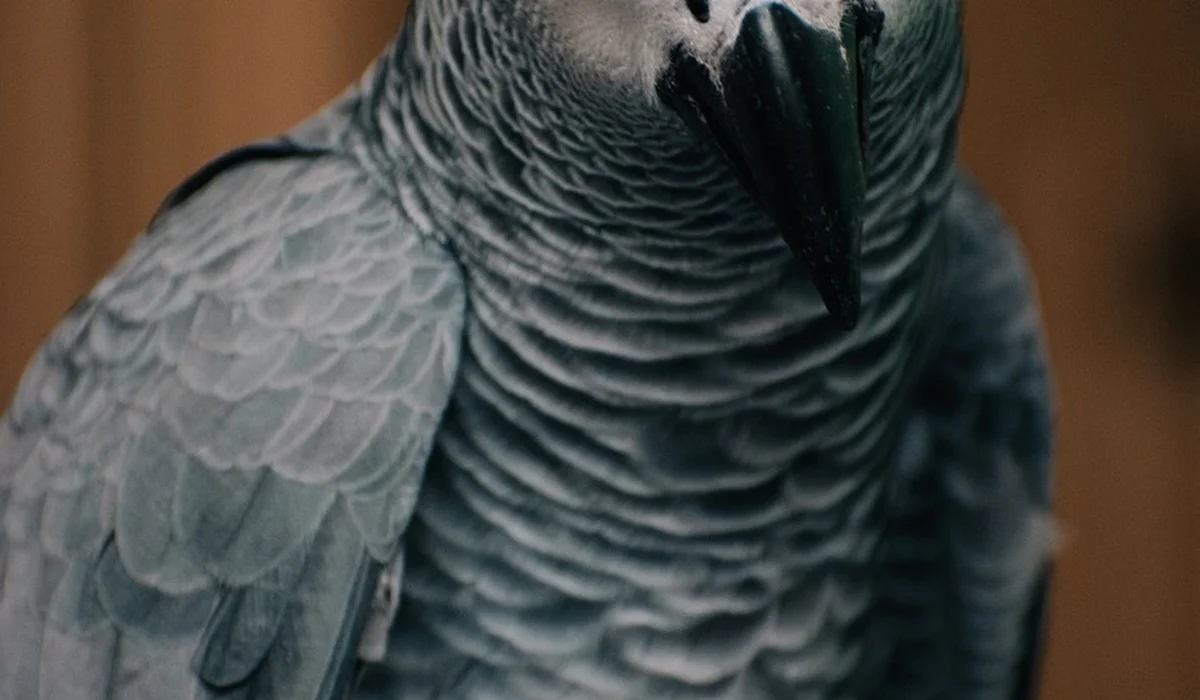
Adopted parrots often come with unknown health histories, which can mean higher risks for chronic issues like respiratory infections or feather plucking. Bred parrots might face genetic predispositions, but adopted ones can surprise you with resilience when given consistent care. My African Grey, Sage, was adopted at age five with a history of neglect, yet she’s thrived for years with no major illnesses, showing that love and attention can turn things around.
- Compare lifespan: Bred parrots may live slightly longer on average due to controlled breeding, but adopted parrots can match or exceed this with excellent care-many reach their full lifespan potential with proper support.
- Chronic illness risks: Adopted birds might have hidden conditions from past stress, while bred ones could inherit issues; regular vet checks help manage both.
- Nutrition, enrichment, and bonding effects: A balanced diet keeps immune systems strong, playful activities reduce stress-linked diseases, and deep bonds encourage healthier behaviors that support longevity.
Strategies for ongoing health monitoring include scheduling annual vet visits and keeping a simple journal of your parrot’s weight and mood. Access care by building a relationship with an avian vet early on-this saved my Sun Conure, Sunny, from a minor infection that could have worsened. Watch for subtle changes in appetite or energy, as these often signal underlying health shifts.
Nutrition and Diet Impact
Common vitamin deficiencies in parrots include Vitamin A, which can lead to skin and respiratory problems, and Calcium, causing weak bones. Prevent these by offering a varied diet rich in colorful veggies, high-quality pellets, and occasional fruits. I’ve seen Kiwi, my Green-cheeked Conure, perk up after switching from seed-heavy meals to a mix that includes spinach and sweet potatoes.
- List deficiencies: Vitamin A (from lack of dark leafy greens), Calcium (needed for egg-laying females), and Vitamin D (from insufficient sunlight exposure).
- Prevention tips: Rotate foods like carrots, broccoli, and fortified pellets; avoid avocado and chocolate, which are toxic.
Examples from my feeding routines: For breakfast, Sage gets chopped kale and a pellet base, while Sunny enjoys a fruit medley with papaya and mango. This variety not only prevents boredom but ensures they get a spectrum of nutrients for robust health. These practices mirror general parrot dietary guidelines that advocate variety along with a consistent pellet base. They also underscore the role of fresh produce and sensible portions in maintaining health. The link between diet and immune system is clear—poor nutrition weakens defenses, making parrots prone to infections, but a balanced intake boosts their ability to fight off illnesses.
Environmental and Behavioral Health
Enrichment activities like foraging toys and puzzle feeders dramatically cut stress and prevent behavioral issues like screaming or feather destruction. Reducing stress through play can lower cortisol levels, which directly supports physical health and longevity. I’ve noticed Kiwi’s curiosity keeps him engaged, and his feather condition improved once I added more interactive elements to his cage.
- Steps for a stimulating home: Place perches at varying heights, introduce new toys weekly, and set up safe foraging opportunities with hidden treats.
- Bonding observations: When I spend quiet time talking to Sage, she becomes calmer and eats more consistently, showing how emotional connection fuels overall wellness.
Simple changes, like rotating toys or adding a swing, can make a huge difference. Bonding doesn’t just build trust-it encourages parrots to stay active and alert, which wards off health decline. From my experience, a happy parrot is often a healthier one, with fewer vet visits over time.
Behavioral Health and Its Role in Wellness
Behavioral issues like sudden frustration or low energy can be early warnings of health problems, such as pain or nutritional gaps. Paying attention to these signs helps you catch issues before they escalate, much like I did when Sunny’s usual chirping turned quiet, hinting at a need for dietary adjustment. Sometimes parrots shake due to health issues or stress. Adopted parrots might carry trauma from past homes, leading to habits like fear biting, but rehabilitation with patience can restore their zest for life.
- Explore signaling behaviors: Aggression might indicate discomfort, while lethargy could point to illness; address these with vet consults and environmental tweaks.
- Trauma effects and rehabilitation: Use positive reinforcement, avoid forcing interactions, and provide safe spaces to help adopted birds heal over time.
- Positive signs to watch: Active preening, playful antics, and vocal greetings are all indicators of good behavioral and physical health in both adopted and bred parrots.
Rehabilitation isn’t quick, but it’s rewarding. Consistent, gentle care can transform a scared parrot into a confident companion, boosting their overall wellness. I’ve seen this with Sage, who went from hiding to eagerly participating in family activities after months of trust-building.
Rehoming Stress and Recovery
Common behavioral challenges in adopted parrots include excessive screaming, feather plucking, or avoidance due to past instability. Address these by creating a predictable routine and using calm, reassuring interactions to build security. My personal success story involves Kiwi, who arrived with a habit of nipping out of fear; through slow introductions and treat-based rewards, he now seeks out cuddles and shows no signs of stress.
- Outline challenges: Fear-based aggression, refusal to eat, or over-preening; counter with gradual desensitization and enriched environments.
- Tips for trust: Offer favorite foods from your hand, speak in soft tones, and avoid sudden movements to reduce anxiety and foster connection.
Building trust takes time, but it’s worth every moment. Reducing anxiety through these methods not only improves behavior but supports physical health by lowering stress-related risks. Sunny’s transformation from a timid bird to a social butterfly proves that love and consistency can heal deep wounds.
Preventative Care for Behavioral Issues
Daily checks for behavior and environment include observing eating habits, vocalizations, and cage cleanliness to spot early red flags. Regular play and social interaction are vital for mental health, as they prevent boredom and depression that can lead to physical ailments. I make it a point to engage each of my parrots in short play sessions daily, which keeps their minds sharp and bodies active.
- List daily checks: Monitor for changes in droppings, ensure fresh water is available, and check that toys are safe and engaging.
- Support mental health: Incorporate training games, allow out-of-cage time, and provide social opportunities with family members or other pets if safe.
Consistency in care routines-like feeding and bedtime-helps parrots feel secure, reducing stress-induced behaviors. Emphasizing routine doesn’t just prevent issues; it builds a foundation for long-term health and happiness in your feathered friend. From my flock’s experience, a stable environment has been key to avoiding common pitfalls and enjoying vibrant, joyful companions for years.
Making Your Choice: A Health-First Approach
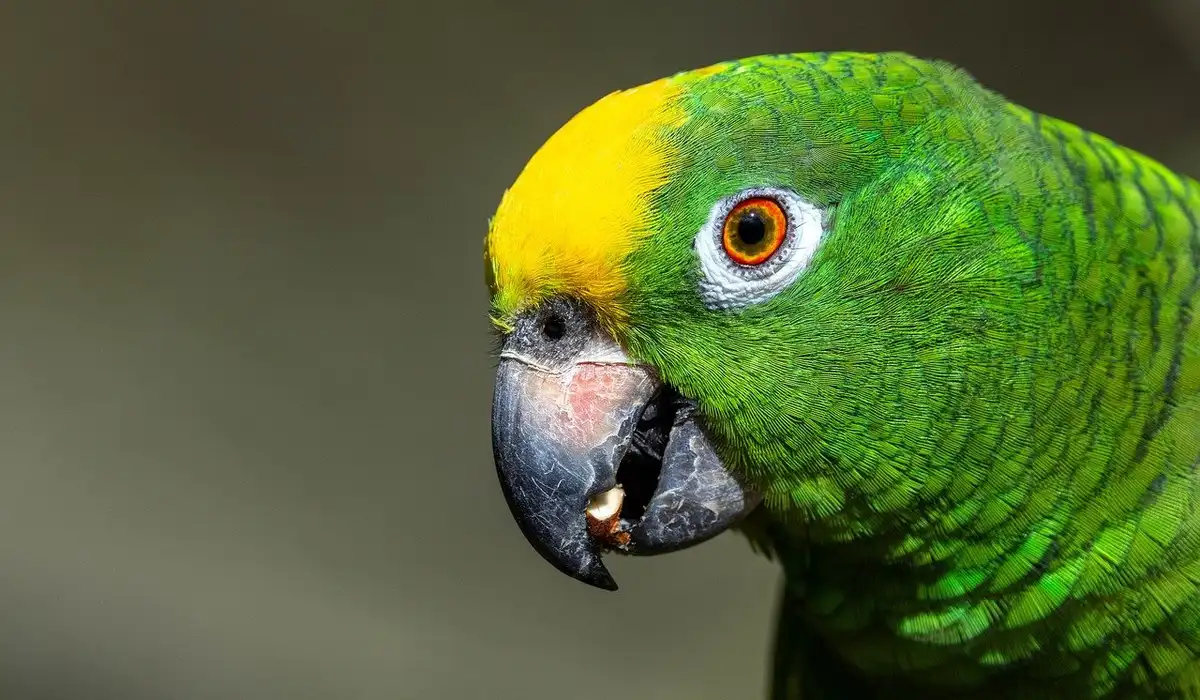
Choosing between an adopted or bred parrot hinges on your ability to assess health risks and match them to your lifestyle. Your decision should prioritize the bird’s well-being and your capacity to provide consistent care, whether that means handling potential behavioral quirks from adoption or genetic predispositions from breeding. So, when weighing adoption vs buying, which option is right for your family and the parrot? Focus on welfare, long-term care, and ethical sourcing to guide the choice.
Costs vary significantly, with adopted parrots often having lower initial fees but possibly needing more veterinary attention early on. Long-term expenses like annual check-ups, specialized diets, and emergency care apply to both, so budget for surprises to avoid financial strain. For a detailed overview of costs, check out our complete parrot ownership cost breakdown.
When evaluating rescues and breeders, look for transparency in health records and living conditions. I’ve found that asking detailed questions upfront, like I did when adopting Kiwi, helps you spot red flags and build trust with the source.
Cost and Care Access Considerations
Adopted parrots might cost $50 to $300 initially, while bred ones range from $200 to over $2,000, depending on species. For a complete initial purchase price guide, factor in all upfront costs beyond the bird itself—cage, perches, toys, and starter supplies. This helps you budget from day one. Veterinary bills can add up fast, with routine visits costing $100-$200 and emergencies hitting $500 or more, so factor that into your budget from day one.
- Buy food and supplies in bulk to cut recurring costs.
- Make DIY toys from safe household items to enrich your parrot’s environment affordably.
- Schedule regular health checks to catch issues early and avoid costly treatments later.
- Join local bird clubs for shared resources and discounts on vet services.
- Research low-cost vaccination clinics or payment plans with avian vets in your area.
Finding an affordable avian vet involves checking online reviews and asking for referrals from trusted parrot owners. From my experience with Sunny, building a relationship with a vet who offers sliding-scale fees can make ongoing care more manageable and less stressful.
Evaluating Sources for Healthy Parrots
Ask rescues and breeders about the parrot’s medical history, including any past illnesses or genetic testing. Before bringing a parrot home, ask these questions of breeders or rescue organizations. Demand to see vet records and inquire about socialization practices to gauge how well the bird has been cared for over time.
- What vaccinations or health screenings has the parrot received?
- Can you provide details on the bird’s diet and exercise routine?
- How do you handle behavioral issues or medical emergencies?
- Are there any known genetic conditions in the lineage for bred parrots?
- What support do you offer after adoption or purchase?
Red flags include dirty cages, birds showing signs of stress like feather plucking, or evasive answers about health. Watch for overcrowding or lack of enrichment, as these can indicate neglect that might lead to long-term health problems.
Building a support network with other parrot owners has been a game-changer for me, especially with Sage’s complex needs. Connect through online forums or local groups to share tips, swap supplies, and get emotional backing for the ups and downs of parrot parenting.
FAQs
How do adopted and bred parrots differ in initial health assessments?
Adopted parrots may have incomplete medical histories, requiring a thorough vet check to uncover past issues. Bred parrots often come with documented health records, but still need evaluations for genetic risks.
What role does diet play in preventing health problems in parrots?
A varied diet rich in vitamins and minerals helps prevent deficiencies like weak bones or respiratory issues. Consistent nutrition supports immune function and reduces the likelihood of chronic illnesses over time.
Can behavioral issues in parrots indicate underlying health concerns?
Yes, changes in behavior such as aggression or lethargy can signal pain or stress-related health problems. Addressing these early with vet guidance and environmental adjustments promotes overall wellness.
Wrapping It Up on Parrot Health
From my years with parrots like Kiwi, my playful Green-cheeked Conure, I’ve learned that health isn’t about adoption versus breeding-it’s about the care and environment each bird receives. Focus on vet checks, proper diet, and observing your parrot’s behavior to gauge their well-being, no matter their background. Every parrot deserves a chance at a healthy life, and that starts with you making informed choices.
Owning a parrot is a long-term commitment that thrives on your willingness to grow and adapt. Keep educating yourself on parrot care trends and connect with communities to share insights and support. Your proactive approach not only enriches your bond but also champions animal welfare in our shared passion for these amazing birds.
Further Reading & Sources
- For and Against the Breeding of Pet Parrots. – Three Birds and a Cloud
- r/parrots on Reddit: A question about breeding parrots.
- r/parrots on Reddit: Can you develop a bond with an adopted/rescued bird like you would have had with a baby hand fed breeder bird?
Suzanne Levine is a dedicated parrot enthusiast and experienced avian caregiver with over 15 years of hands-on experience in parrot care. As the founder of Parrot Care Central, Suzanne is passionate about sharing her knowledge and insights to help fellow parrot owners provide the best possible care for their feathered friends. Her expertise spans nutrition, behavior, health, and enrichment, making her a trusted resource in the parrot care community.
Health & Wellness