
Can Parrots Sing? Unpacking Their Musical Gifts
Published on: May 13, 2026 | Last Updated: May 13, 2026
Written By: Suzanne Levine
You might be staring at your parrot, hearing those quirky sounds, and wondering if they’re capable of real singing or just making noise. I’ve spent years with birds like Kiwi, my Green-cheeked Conure, who often surprises me with playful tunes, and I know how this question can nag at you.
Let me guide you through the fascinating world of parrot vocals with these key insights:
- How parrots naturally mimic and even create musical patterns.
- Simple ways to encourage singing without stressing your bird.
- Why this boosts their happiness and strengthens your bond.
You’ll get straightforward advice to make music a joyful part of your parrot’s life. We’ll dive into: Vocal abilities, Training tips, Health benefits.
Do Parrots Actually Sing Like Humans?
When we talk about singing, it’s not the same for parrots as it is for songbirds like sparrows. Sparrows produce instinctive, species-specific melodies, while parrots rely heavily on learned vocalizations. They don’t compose original tunes from scratch in the way humans do.
Parrots are incredible mimics rather than composers. They absorb sounds from their environment—whistles, words, phone rings, and even snippets of songs—and replicate them. My Green-cheeked Conure, Kiwi, doesn’t invent music, but he’ll whistle the theme from a show he’s heard repeatedly, sometimes mixing it with a microwave beep for his own quirky remix. Parrots are highly intelligent birds, capable of learning, memory, and creative problem-solving. Kiwi’s playful remix offers just a glimpse of that intelligence.
From my years with Sunny, my Sun Conure, I’ve noticed he picks up on catchy rhythms. If I tap a beat on the table, he’ll bob his head and chirp along, matching the tempo surprisingly well. It’s not human singing, but it shows an ear for musical patterns that’s truly captivating.
How Parrots Produce Musical Sounds
Parrots have a unique vocal organ called the syrinx, located where the trachea splits into the lungs. This syrinx acts like a built-in synthesizer, allowing them to control pitch, volume, and even produce two sounds at once. It’s why they can mimic complex noises so accurately. That raises the question: do parrots mimic human speech sounds? Many parrots can imitate human words and phrases with training.
Vocal learning in parrots involves both their syrinx and advanced brain cognition. Think of it as their brain recording a sound, then their syrinx playing it back like a skilled musician. African Grey parrots like Sage excel at this, often copying intonations and emotions behind words. Many people marvel at how African Grey parrots like Sage can carry on conversations, sometimes using context-appropriate phrases. Their vocal play isn’t just mimicry—it reveals understanding of tone and social cues.
To observe your parrot’s sound-making, follow these steps:
- Play different types of music or sounds daily and note any attempts at imitation.
- Watch for head movements or body swaying that show rhythm recognition.
- Record their vocalizations to track progress and identify repeated patterns.
- Reward them with praise or a treat when they mimic a desired sound to encourage repetition.
Singing Versus Mimicry: What’s the Difference?
True singing involves creating original melodies, while mimicry is copying existing sounds exactly. Parrots typically fall into the mimicry category, but they often blend sounds creatively into what we might call “songs.” For example, Kiwi combines a door creak with a happy whistle, making it his signature tune.
This blending isn’t just random-it’s linked to social bonding. When Sunny mimics my laughter and mixes it with a chirp, it’s his way of connecting and sharing joy. In the wild, such vocal exchanges strengthen flock relationships, and in our homes, it deepens the bond with us.
Which Parrot Species Are Natural Singers?
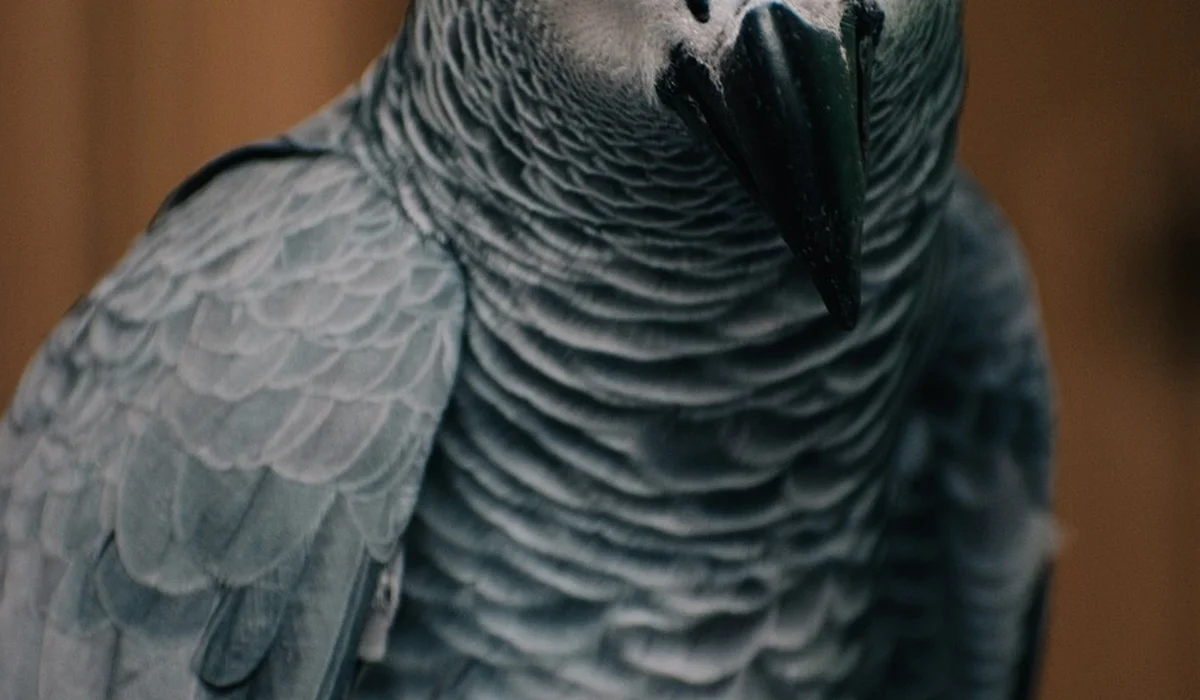
Many parrot species possess remarkable vocal talents, though their approaches to “singing” vary dramatically across breeds. From my years living with multiple parrots, I’ve observed that species like African Greys, Budgerigars, and Cockatiels consistently demonstrate the most musical inclinations. Parrots’ vocal versatility and social nature set them apart from many other pets. Their ability to mimic human speech adds a level of interaction rarely found elsewhere.
- African Greys master complex melodies with astonishing accuracy, often weaving human speech into their performances
- Budgerigars create cheerful, continuous streams of chirps and whistles that resemble spontaneous song composition
- Cockatiels specialize in sweet, repetitive whistles that many owners describe as actual tunes rather than random noises
Their vocal repertoires reflect their distinct personalities and cognitive abilities. My African Grey Sage calmly pieces together melodies he hears from the radio, while my Green-cheeked Conure Kiwi creates playful, unpredictable chirp sequences that change daily.
Species variation in learning full songs is enormous – some parrots simply mimic sounds while others genuinely seem to understand musical structure. This diversity makes each parrot’s musical journey completely unique to their species and individual personality.
African Grey Parrots: The Intelligent Vocalists
African Greys stand apart in the parrot world for their sophisticated vocal capabilities. My Sage doesn’t just mimic songs – he rearranges melodies, adds his own variations, and sometimes incorporates words that match the music’s emotional tone.
- They learn complex melodies by analyzing patterns rather than simple repetition
- Their singing often includes perfectly timed human speech that fits the musical context
- Cognitive processing allows them to modify songs based on their mood or environment
The intelligence behind their singing becomes obvious when you notice how they adjust their performances. Sage sings more elaborate compositions when he’s feeling particularly content, simplifying his tunes during quieter moments.
Budgies and Cockatiels: The Cheerful Chirpers
These smaller parrots fill homes with constant musical companionship through their bright vocalizations. Unlike African Greys who approach singing intellectually, Budgies and Cockatiels sing from pure emotional expression.
- Their whistling serves as social bonding – they often sing to maintain contact with flock members
- Chirping sequences function as courtship displays, with males creating more complex songs to attract mates
- Daily chirping routines help establish social hierarchies and group cohesion
I’ve noticed their singing increases dramatically during social interactions. When my birds see me preparing their favorite foods or anticipate playtime, their chirping evolves into what sounds like genuine celebratory songs.
What Your Parrot’s Singing Reveals About Their Welfare
Your parrot’s vocal habits provide direct insight into their physical and emotional state. Regular singing typically indicates a happy, healthy bird, while changes in vocal patterns can signal underlying issues that need attention.
I’ve learned to interpret my birds’ songs as a daily wellness check. When Kiwi stops his playful chirping or Sage simplifies his complex melodies, I know to look closer at their environment and health.
- Consistent, varied singing suggests contentment and mental stimulation
- Sudden silence or reduced vocalization may indicate illness, stress, or depression
- Repetitive, frantic singing can signal anxiety or environmental distress
- Harsh, screaming-like sounds often reflect discomfort or unmet needs
Monitoring vocal changes forms a crucial part of responsible parrot guardianship. As someone deeply committed to animal welfare, I consider tracking my parrots’ singing patterns as essential as monitoring their eating habits or physical condition.
Here’s how to assess if your parrot’s singing indicates proper care:
- Note the daily pattern and duration of singing sessions
- Watch for changes in volume, pitch, or song complexity
- Observe their body language during vocalization
- Compare their current singing to their established baseline
- Document any correlations between environmental changes and vocal changes
Your parrot’s voice tells their story – we just need to learn how to listen properly. Understanding these vocal cues helps ensure we provide the enriched environment every parrot deserves for a fulfilling life.
How to Encourage Your Parrot to Sing and Whistle
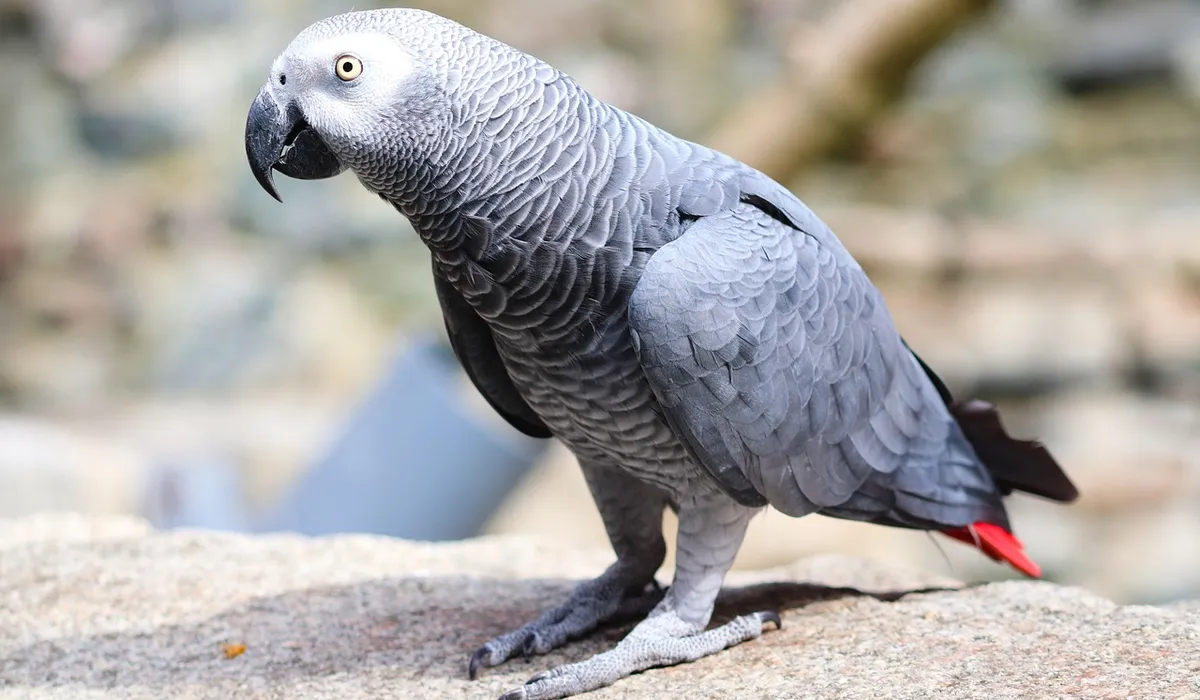
Getting your parrot to sing starts with patience and fun interactions. Positive reinforcement turns training into a game your bird eagerly joins. In positive reinforcement training for parrots, rewarding the exact sound you want helps shape the behavior. This approach makes practice enjoyable and efficient. I always use small treats or verbal praise the moment my parrots make any sound, which keeps them motivated.
- Start with short, daily sessions of 5-10 minutes to avoid overwhelming your bird.
- Use a clicker or a specific word like “good” paired with a favorite snack, such as a piece of fruit.
- Whistle or sing simple tunes yourself, and reward any attempt your parrot makes to copy you.
Vocal enrichment can spark your parrot’s inner musician. Toys that make noise or play melodies encourage natural mimicry and play. My Sun Conure, Sunny, adores her bell toy-it’s her go-to for experimenting with new sounds.
- Introduce toys with bells, rattles, or recorded bird songs to stimulate interest.
- Play soft music or nature sounds in the background during active hours.
- Rotate toys weekly to keep the environment fresh and engaging.
From my own flock, I’ve seen what works through trial and error. Personalized attention helps each parrot find their unique voice. With Kiwi, my Green-cheeked Conure, I whistle a simple tune during playtime, and he now joins in with his own variations. These small milestones translate well to teaching your parrot fun, easy tricks. Start with simple goals—like a wave or a spin—and celebrate the progress together.
- Observe your parrot’s favorite sounds and build on them-if they love high pitches, incorporate those.
- Involve family members in singing sessions to make it a social activity.
- Keep sessions light-hearted; if your bird seems stressed, take a break and try later.
Making singing rewarding ensures it becomes a cherished habit. Consistency and joy are the keys to turning vocal practice into a bonding experience. Follow these steps to create positive associations.
- Choose a quiet time when your parrot is alert and curious, like morning or after a nap.
- Demonstrate a easy whistle or song, and immediately offer a treat for any response.
- Gradually increase complexity as your parrot gains confidence, always ending on a high note.
- Incorporate singing into daily routines, such as during feeding or cage cleaning, to normalize it.
Fun Vocal Play Ideas to Boost Musicality
Interactive games make learning sounds exciting and natural. Engaging your parrot in play builds their confidence and musical skills. I often use “copycat” games with Sage, my African Grey, where we take turns mimicking each other’s noises.
- Try hide-and-seek with sounds-call out from another room and reward your parrot for responding.
- Use sound-based toys like puzzle feeders that chirp or play tunes when manipulated.
- Set up a “music corner” with safe, bird-friendly instruments, such as small drums or shakers.
Creating a stimulating environment supports vocal growth. A rich sensory setting encourages parrots to explore and imitate new sounds. Place your parrot’s cage in a social area where they can hear household noises and conversations.
- Play diverse audio, from classical music to podcasts, to expose them to various pitches and rhythms.
- Arrange perches at different heights near windows for auditory stimulation from outdoors.
- Schedule regular “sound sessions” where you sing or talk directly to your parrot, making eye contact to reinforce connection.
Choosing a Parrot with Musical Talents
Selecting a parrot for singing involves matching species traits to your lifestyle. Some birds naturally excel at mimicry, while others prefer simpler sounds. African Greys like Sage are brilliant with complex tunes, whereas Sun Conures like Sunny belt out loud, cheerful notes.
- Opt for species known for vocal ability, such as African Greys, Amazon parrots, or Budgerigars.
- Consider personality-outgoing birds often mimic more readily, while shy ones may need extra encouragement.
- Research breed-specific traits; for example, Cockatoos are dramatic performers but require lots of attention.
Age, noise level, and training potential shape your choice. Younger parrots generally learn faster, but older birds can still pick up new tricks with patience. I’ve found that noise-sensitive households do better with quieter species, like Green-cheeked Conures.
- Young parrots (under 1 year) adapt quickly to training, but ensure they’re weaned and healthy.
- Assess your tolerance for volume-Sun Conures are vibrant but loud, ideal for active homes.
- Look for birds with a history of social interaction, as they’re more likely to engage in vocal play.
My experience with varied parrot types offers practical insights. Caring for different species taught me that musical talent blends with individual quirks. Kiwi’s playful nature made him a quick learner, while Sage’s intelligence allowed for intricate song copying.
- Spend time with potential parrots before adopting to gauge their vocal interest and comfort with humans.
- Consult reputable breeders or rescues about a bird’s background and any existing vocal habits.
- Prioritize adoption from shelters to support animal welfare, as many birds need loving homes.
FAQs
Can parrots sing like humans do?
No, parrots do not sing with original melodies as humans do, since they rely on mimicry rather than composition. They reproduce sounds they hear, such as whistles or music snippets, but do not create tunes from scratch.
Can parrots learn and sing entire songs?
Parrots can mimic parts of songs they are exposed to, often repeating catchy phrases or rhythms. However, they typically blend or alter these elements rather than performing complete, accurate renditions like human singers. This topic is part of a complete guide to parrot sounds. In that guide, we’ll explain what different parrot sounds mean and how to interpret them.
How do sparrows’ singing abilities compare to parrots?
Sparrows sing innate, species-specific melodies that are instinctive and not learned, unlike parrots who acquire sounds through imitation. This makes sparrow singing more uniform and genetically programmed, while parrot vocalizations are more adaptable and influenced by their environment.
In Closing
Your parrot’s musical talent is a beautiful blend of natural mimicry and creative expression, shaped entirely by your interaction and the environment you provide. Focus on singing to them, playing varied music, and celebrating every little chirp or whistle as a step in their unique artistic journey. It can also help to encourage them to dance to music for a full expression of their artistic flair.
Caring for a parrot is a lifelong commitment to learning their language and respecting their wild instincts, even in your living room. Keep observing, keep listening, and let your shared love for sound deepen the bond you share with your feathered friend.
Further Reading & Sources
- The Top 3 Singing Pet Birds | Chewy
- Six parrots that can sing opera better than you – Classic FM
- Parrot’s Unbridled Passion About His Singing Voice Is the Hype We All Need – Parade Pets
Suzanne Levine is a dedicated parrot enthusiast and experienced avian caregiver with over 15 years of hands-on experience in parrot care. As the founder of Parrot Care Central, Suzanne is passionate about sharing her knowledge and insights to help fellow parrot owners provide the best possible care for their feathered friends. Her expertise spans nutrition, behavior, health, and enrichment, making her a trusted resource in the parrot care community.
Enrichment Activities