
Parrot Preening: Normal Habits and Warning Signs
Is your parrot’s constant preening making you anxious about their health? I’ve felt that worry too, especially with my curious Kiwi and affectionate Sunny, and I’m here to help you spot the difference between harmless grooming and potential problems.
Drawing from my years of hands-on experience with parrots like Sage, I’ll guide you through the essentials. Key takeaways include:
- Identifying what healthy preening looks like in daily routines
- Recognizing subtle signs that preening has turned harmful
- Simple, proactive steps to safeguard your bird’s well-being
You’ll gain practical, easy-to-follow advice that puts your mind at ease. Topics covered: normal preening patterns, abnormal behaviors, when to seek vet care, and tips for promoting parrot welfare.
The Inside Scoop on Why Parrots Preen
The Biological Basics of Preening
Preening is as natural to a parrot as breathing is to us. Think of it as their built-in, all-in-one grooming and maintenance system. My Green-cheeked Conure, Kiwi, starts his day with a thorough session, and I’ve learned it’s driven by pure instinct.
At the base of their tail, parrots have a special gland called the uropygial gland. This gland produces a waxy oil that a parrot collects with its beak and meticulously spreads across its feathers. This oil acts as a conditioner, keeping feathers supple and waterproof.
Beyond the oil, preening is about realignment. Each tiny barb on a feather has even smaller hook-like barbules that must zip together perfectly. When my Sun Conure, Sunny, runs a feather through her beak, she’s often reconnecting these barbules to restore that smooth, aerodynamic surface.
What Makes a Parrot Start Preening?
You’ll notice preening happens at specific times. It’s not random! Environmental factors are a huge trigger; a light mist from a spray bottle often sends my flock into a preening frenzy, mimicking a tropical rain shower.
Here are the most common reasons your parrot might start preening:
- After Eating: A messy beak needs cleaning, and food particles can get stuck on chest feathers.
- After a Bath or Misting: This is prime time for applying that protective oil and realigning feathers.
- Upon Waking or Before Sleep: It’s part of their daily routine, like us brushing our hair.
- During Relaxed Moments: Content parrots often preen while perched quietly, a sign they feel safe.
- As a Displacement Behavior: Sometimes, a slightly nervous parrot will preen to soothe itself; you can learn more about stress signs in parrots here.
How Preening Keeps Feathers in Top Shape
A well-preened feather is a functional feather. Preening directly impacts your parrot’s ability to fly efficiently, regulate its body temperature, and stay protected from the elements. I see it with my African Grey, Sage; his pristine grey feathers are a testament to his diligent care.
This daily ritual accomplishes several critical tasks:
- Waterproofing: The oil coating causes water to bead up and roll off, keeping the skin dry and warm.
- Dust and Parasite Removal: Preening dislodges dust, skin flakes, and the occasional pesky mite.
- Conditioning: The oil prevents feathers from becoming brittle and breaking.
- Zip-locking Barbs: It restores the feather’s seamless vane, which is essential for silent, powerful flight.
Decoding Your Parrot’s Preening Habits
What Does Normal Preening Look Like?
Normal preening is a calm, methodical process. You’ll see your parrot gently nibbling along the length of its feathers, often starting at the wings and working across its body. They’ll frequently shake out their wings and fluff up their feathers to get better access.
It should look relaxed and purposeful. A happy, preening parrot often has slightly fluffed feathers, soft eye pins (indicating relaxation), and may make soft, contented clicking sounds. Kiwi gets so into it he sometimes loses his balance and has to grab back onto his perch!
You might also see them scratching their head with their foot or rubbing their head against a perch. This is all part of the standard package and shows they’re taking their grooming seriously.
The Social Side of Preening
Preening isn’t always a solo activity. In the wild, parrots preen each other, a behavior called allopreening. This is a massive sign of trust and affection within a flock, and it strengthens social bonds. For Quaker parrots, bonding and gentle taming tips rely on patient, positive socialization. Regular, calm interactions can help new birds feel secure and ready to mirror flock behavior.
Your parrot may try to include you in this ritual. If your bird gently nibbles your hair, eyebrows, or even your cuticles, they are offering you the highest compliment-they see you as flock. Sunny, my social Sun Conure, loves to “preen” my freckles, convinced they are tiny specks that need removing.
It’s a beautiful behavior, but always be gentle and respectful in return. I never force this interaction; I let my parrots initiate it so it remains a positive experience for them. Gentle, patient socialization helps prevent fear-based biting and builds lasting trust with your bird. Let your parrot set the pace to keep interactions positive.
Reading Preening Postures and Cues
How a parrot preens can tell you a lot about its emotional state. A relaxed, slow preen with soft body language means your bird is content and feels secure in its environment.
Contrast that with frantic, aggressive preening. If you see your parrot yanking at feathers, preening with quick, jerky motions, or vocalizing in distress, it’s a red flag that something is wrong.
Pay close attention to these subtle signals:
- Head Down, Wings Slightly Lifted: An invitation for you to scratch their head, a vulnerable area they can’t easily reach.
- Rigid Body, Tense Feathers: This preening is likely stress-related, not maintenance.
- Focusing on One Spot Relentlessly: Could indicate an irritation, a stuck pin feather, or the start of a behavioral issue.
Learning this body language has been key for me. Noticing the difference between Sage’s calm, intellectual preening and Kiwi’s playful, sometimes clumsy approach helps me understand their individual needs and moods.
When Preening Goes Wrong: Warning Signs
Spotting Excessive Preening and Feather Damage
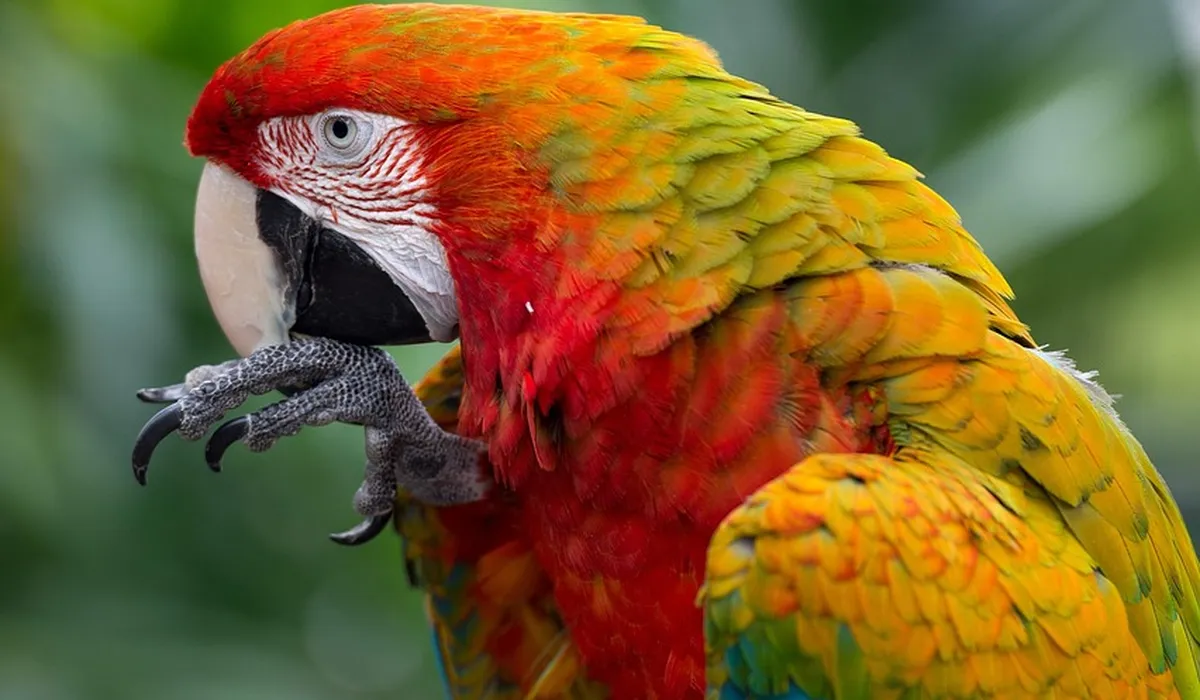
I remember watching my Green-cheeked Conure, Kiwi, one afternoon and noticing she’d been at the same spot on her wing for nearly twenty minutes. Normal preening is a maintenance routine, but obsessive grooming is a cry for help. You need to watch for feathers that look chewed, frayed, or have broken shafts.
Look for bald patches, especially on the chest, legs, or under the wings. Your parrot’s skin should never be visible through a thin or missing feather coat. My Sun Conure, Sunny, once started over-preening his tail, and it turned out the room humidity was far too low for his comfort. If you’re wondering whether you should groom your parrot, nail, beak, and feather care are important parts of everyday handling. Regular, gentle grooming and feather checks can help keep your parrot comfortable and healthy.
- Blood on feathers or dried blood on the shaft (a broken blood feather is an emergency).
- Constant, frantic picking that seems more stressful than soothing.
- Chewed feather ends that look like they’ve been through a shredder.
- Symmetrical baldness on both sides of the body, which often points to a medical issue.
Preening as a Clue to Health and Happiness
Your parrot’s preening habits are a direct window into their physical and emotional state. A parrot that stops preening entirely is often a very sick parrot. My African Grey, Sage, will meticulously arrange every feather when he’s content, but if he’s feeling off, his plumage becomes dull and messy. Parrots also shake or fluff as part of normal activity. If shaking is persistent or accompanied by other symptoms, it can be a health warning sign.
Watch the texture of the new pin feathers coming in. Healthy new feathers should be well-formed and sheathed in a waxy coating that crumbles away easily. If they are discolored, brittle, or seem painful for your bird to touch, it’s a major red flag for nutritional deficiencies or liver problems.
- A happy, healthy preen is calm, methodical, and leaves feathers sleek and aligned.
- Preening is a social activity; bonded birds will often preen each other (allopreening).
- A sudden change in preening duration or intensity is one of the first signs of stress or illness.
Helping Your Parrot Preen Healthily
Enrichment and Environment for Better Preening
Think of your parrot’s environment as their personal grooming spa. Proper humidity is non-negotiable for easy preening and healthy skin. I use a room humidifier, especially in winter, to keep the air from getting too dry and making those pin feathers itchy and hard to break open. Maintaining balanced humidity also supports respiratory health, keeping airways moist and less prone to irritation. When breathing is comfortable, feathers tend to stay healthier and shed more smoothly.
Offer regular bathing opportunities. My parrots love a gentle mist from a spray bottle, which mimics rain and encourages natural preening behavior. A shallow dish of water or a secure shower perch works wonders too. A clean bird is a bird that can preen effectively. This is part of a complete guide on cleaning your parrot and its environment safely. Regular grooming should go hand in hand with keeping cages, perches, and toys clean to prevent buildup and health issues.
- Install a bird-safe humidifier to maintain 40-60% humidity.
- Provide a varied diet rich in vitamins A and E for superior skin and feather health.
- Offer different textures for rubbing against, like rough cement perches and soft rope perches.
- Ensure full-spectrum lighting to help them synthesize vital nutrients for feather growth.
Preventing Feather Picking and Other Issues
Feather destructive behavior is complex, but prevention is always the best medicine. Boredom is public enemy number one for a parrot’s plumage. I rotate foraging toys for Kiwi and Sunny every few days to keep their minds and beaks busy with something other than their feathers. When I notice early signs of plucking, I adjust enrichment and routines. I also consult a veterinarian if needed.
Schedule a vet visit at the first sign of trouble. Rule out medical causes like parasites, infections, or allergies before assuming it’s behavioral. I learned this the hard way when a simple skin infection was the root of a picking problem. Your vet is your best partner in this.
- Increase out-of-cage time and flight exercise to reduce pent-up energy.
- Establish a predictable daily routine to minimize anxiety and stress.
- Use positive reinforcement to reward your parrot when they are playing with toys, not preening.
- Never punish a bird for feather picking, as this will only increase their stress and worsen the behavior.
Preening and Molting: Untangling the Two
How Preening and Molting Interact
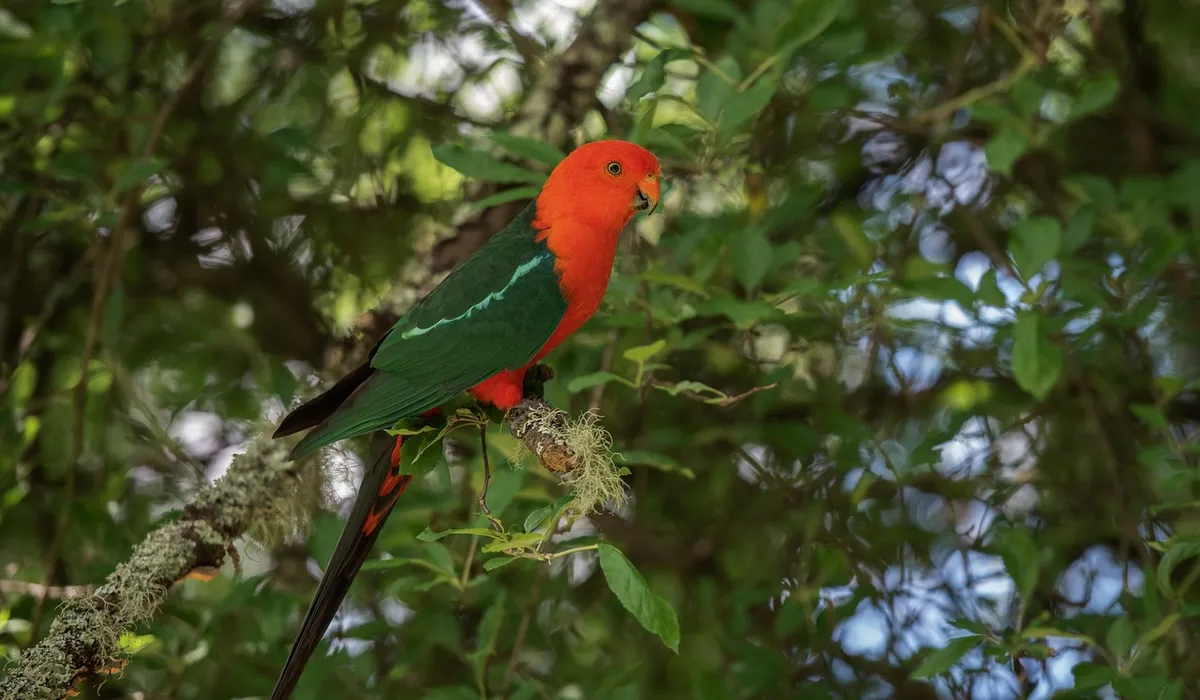
Molting is a completely natural, energy-intensive process where your parrot sheds old feathers and grows new ones. Think of preening as the essential maintenance crew that arrives after the construction team (molting) has done its job. During a molt, you’ll notice a lot more feather dust and tiny pin feathers poking through.
My Green-cheeked Conure, Kiwi, gets especially itchy and focused when those pin feathers emerge. Preening helps break open the waxy sheath surrounding each new feather, releasing the full, beautiful plume underneath. Without this careful attention, the new feather could remain trapped and cause your bird significant discomfort.
You’ll see a noticeable uptick in preening activity during a molt. This is your parrot’s way of managing the intense physical process of regeneration, ensuring every new feather is perfectly positioned for flight and insulation. It’s a demanding time, so I always make sure my flock gets extra nutrients and plenty of undisturbed rest.
Preening Peculiarities Across Parrot Species
Common Pet Parrots and Their Preening Styles
Not all parrots preen the same way. Their techniques can be as unique as their personalities and colors. Observing your bird’s individual style helps you learn what’s normal for them. Color comes from pigments and feather structure, and color mutations can create striking new hues. These factors help explain why parrots look so colorful.
- Conures (Green-cheeked & Sun): My conures, Kiwi and Sunny, are vigorous and almost playful preeners. They often preen in short, energetic bursts, sometimes while hanging upside down! They tend to create more feather dust than my larger parrot.
- Cockatoos & Cockatiels: These powder-down birds produce a fine, white dust that helps waterproof their feathers. Their preening distributes this powder, which means you’ll see more visible dust in the air and on surfaces around their cage. This is completely normal but does require more frequent cleaning on your part.
- African Greys: My African Grey, Sage, is a methodical and meticulous preener. He takes his time on each feather, often preening quietly for long periods. Greys are not powder-down birds, so they produce significantly less dust, but their focus on detail is remarkable.
- Macaws & Amazons: Larger parrots like these often incorporate more beak-clicking sounds into their preening ritual. It’s a common, soothing behavior. They are typically very thorough, ensuring every large flight and tail feather is in perfect alignment.
Understanding your parrot’s species-specific habits allows you to spot deviations that might signal a health issue. A dusty bird that suddenly stops producing powder, or a fastidious preener that becomes messy, is telling you something is wrong. Fluffed feathers can be one such indicator.
FAQs
How often do parrots typically preen in a day?
Parrots preen multiple times daily, often after routine activities like waking or eating. They may spend several hours in total on preening to keep their feathers in optimal condition.
What is the role of preening in parasite control and hygiene?
Preening helps dislodge and remove external parasites such as mites or lice from feathers and skin. It also clears away dirt and debris, supporting overall cleanliness and health.
How can owners prevent harmful preening like feather picking while promoting normal preening?
Provide engaging toys and social interaction to reduce boredom and stress that can lead to feather picking. Ensure a nutritious diet and regular veterinary care to address any underlying issues and encourage healthy grooming habits.
In Closing
Keep a close eye on your parrot’s preening habits to spot what’s normal versus worrisome. Regular, gentle preening is a sign of good health, but excessive picking or bald patches could mean stress or illness. From my years with Kiwi, my playful Green-cheeked Conure, I’ve learned that sudden changes often hint at hidden issues, so don’t hesitate to consult an avian vet if you’re unsure.
Responsible parrot ownership means always growing your knowledge to meet their complex needs. Embrace the journey of learning and adapting to provide the best care for your intelligent companion. Your dedication helps ensure a thriving life for your bird, much like how I’ve seen Sage, my African Grey, flourish with attentive, informed handling.
Further Reading & Sources
- Preening – Wikipedia
- Does Your Bird Over Preen? This Might Be Why!
- A Preening Parrot and Why That’s a Good Thing | Medium
Suzanne Levine is a dedicated parrot enthusiast and experienced avian caregiver with over 15 years of hands-on experience in parrot care. As the founder of Parrot Care Central, Suzanne is passionate about sharing her knowledge and insights to help fellow parrot owners provide the best possible care for their feathered friends. Her expertise spans nutrition, behavior, health, and enrichment, making her a trusted resource in the parrot care community.
Feather Care