How Smart and Intelligent Are African Grey Parrots
Have you ever questioned if African Grey Parrots are truly as brilliant as stories suggest, and worried about meeting their high mental needs?
I have spent years with my African Grey, Sage, observing her sharp mind and calm demeanor firsthand. Let me guide you through the fascinating world of their intelligence with clear, experience-based insights.
Here are three key takeaways we will explore:
- Their cognitive skills that can match a young child’s abilities
- Advanced communication talents, including vocabulary use in context
- Deep emotional awareness and social bonding behaviors
You will receive practical advice to understand and support these amazing birds. The article covers: cognitive abilities, communication skills, emotional intelligence, training methods, common misconceptions, and animal welfare tips.
What Makes African Grey Parrots So Intelligent?
African Grey Parrots shine with their sharp problem-solving skills and logical reasoning. They don’t just mimic sounds; they connect actions to outcomes, like figuring out how to unlatch a toy for a reward. My own African Grey, Sage, once watched me use a key to open a cabinet and later tried to mimic the motion with a small stick. It showed me how they observe and reason through challenges in real time, highlighting their intelligence and sensory abilities.
Their intelligence isn’t just about tricks-it’s rooted in deep cognitive abilities. From memory that recalls specific words or events to forming abstract ideas, these birds grasp concepts that many animals can’t. Sage remembers where I hide his favorite treats, even days later, and he’s started to group objects by color during play, showing early concept formation.
- Memory: They retain detailed information, like vocal patterns or locations, for long periods.
- Concept formation: African Greys can categorize items, such as sorting toys by type or color.
- Abstraction: They understand ideas beyond the physical, like using words in new contexts to communicate needs.
Groundbreaking Studies on African Grey Cognition
Irene Pepperberg’s research with Alex the African Grey Parrot transformed how we see bird brains. Alex didn’t just repeat words; he used them meaningfully to identify objects, count, and even express desires. In experiments, he could label over 50 items, distinguish colors and shapes, and grasp numerical concepts up to six, proving parrots have reasoning skills akin to young children.
These studies highlighted their ability to handle same/different tasks and basic math. Alex’s success in telling researchers when two items were identical or not showed a level of abstract thought once thought unique to primates. Other experiments, like those on social learning in wild African Greys, reveal they teach each other foraging techniques, boosting survival through shared knowledge.
- Language skills: Alex used English words to communicate, answer questions, and make requests.
- Numerical understanding: He could count objects and understand quantities without visual cues.
- Conceptual tasks: Research shows African Greys excel in tests involving comparisons and problem-solving without direct training.
Everyday Signs of Smart Behaviors in African Greys
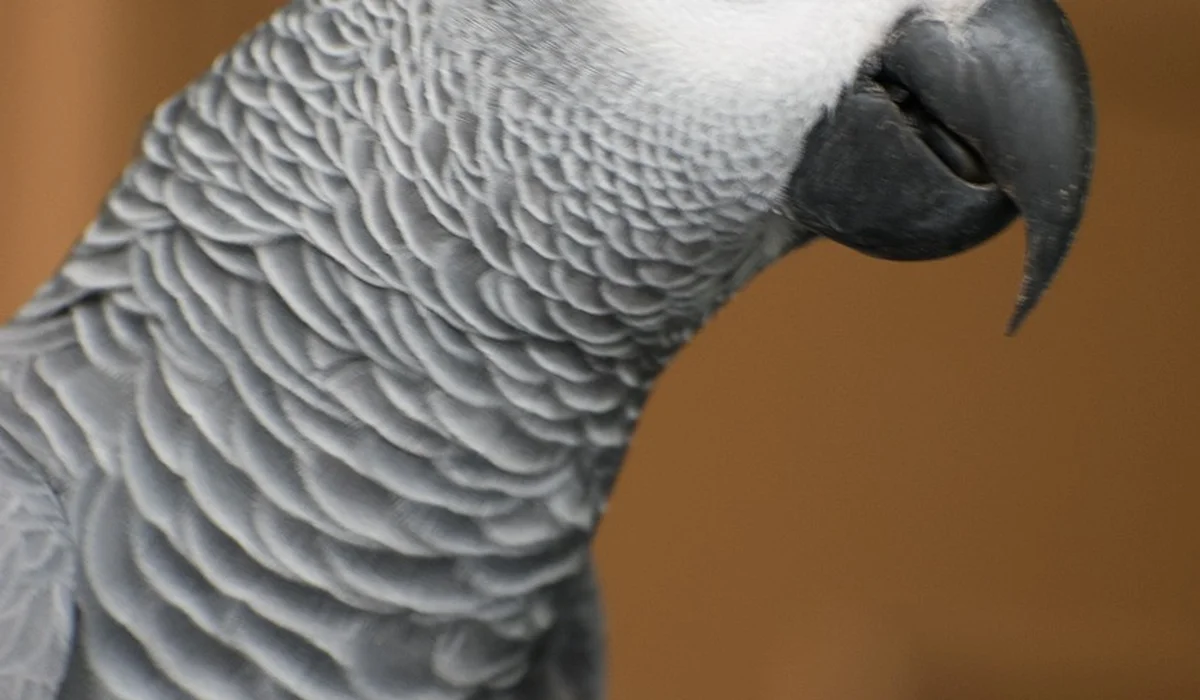
You can spot an African Grey’s intelligence in their daily actions, from the way they talk to how they solve problems.
Watch for vocalization where they don’t just mimic sounds but use words in context, like my Sage saying “water” when his bowl is empty.
- Vocalization: They grasp language nuances, asking questions or making comments that fit the situation.
- Mimicry: African Greys copy household noises, from doorbells to laughter, showing they pay close attention to their surroundings.
- Tool use: In studies and at home, they’ve been seen using objects like sticks to retrieve treats, demonstrating problem-solving skills.
I’ve seen Sage learn by watching other birds; he picked up a foraging trick from Kiwi, our conure, after just a few observations.
Social learning is huge-they imitate behaviors to bond or get what they want, like mimicking my voice to call the dog.
African Greys communicate needs clearly; Sage taps his beak on the cage when he’s hungry or fluffs his feathers to show he’s relaxed. Fluffing can signal comfort, but it’s important to distinguish everyday fluffing from signs of illness. If it’s persistent or accompanied by changes in activity, appetite, or droppings, it may warrant a closer look.
Their emotional intelligence shines through, as they read your mood and respond with comforting sounds or actions.
How African Grey Intelligence Compares to Other Parrots
When you stack up African Greys against other parrots, the differences in smarts become obvious through simple observations. In discussions of the smartest parrot species in the world, the African Grey is frequently highlighted. Their problem-solving and vocal abilities help explain why.
African Greys often outshine conures like Kiwi in complex tasks, such as understanding abstract concepts or using tools.
- Contrast with conures: Conures are playful and quick to learn tricks, but African Greys excel in reasoning and memory-based challenges.
- Comparison to Amazons: Amazons are vocal and social, yet African Greys typically show deeper comprehension of language and cause-effect relationships.
Learning speed is a key factor; Sage mastered new words in weeks, while Sunny, our sun conure, took months for similar feats.
Memory retention sets them apart—African Greys recall people, routines, and words for years, unlike many smaller parrot species. Do parrots recognize their owners? Their bonding memory, built from repeated interactions and social cues, helps explain why they respond to familiar people and form strong attachments.
Based on my hands-on care, African Greys need more mental stimulation to thrive, reflecting their advanced cognitive abilities.
Research supports that African Greys have neural structures similar to primates, aiding their superior problem-solving over other parrots. This is particularly evident when comparing parrot intelligence to other animals.
Nurturing Your African Grey’s Brainpower at Home
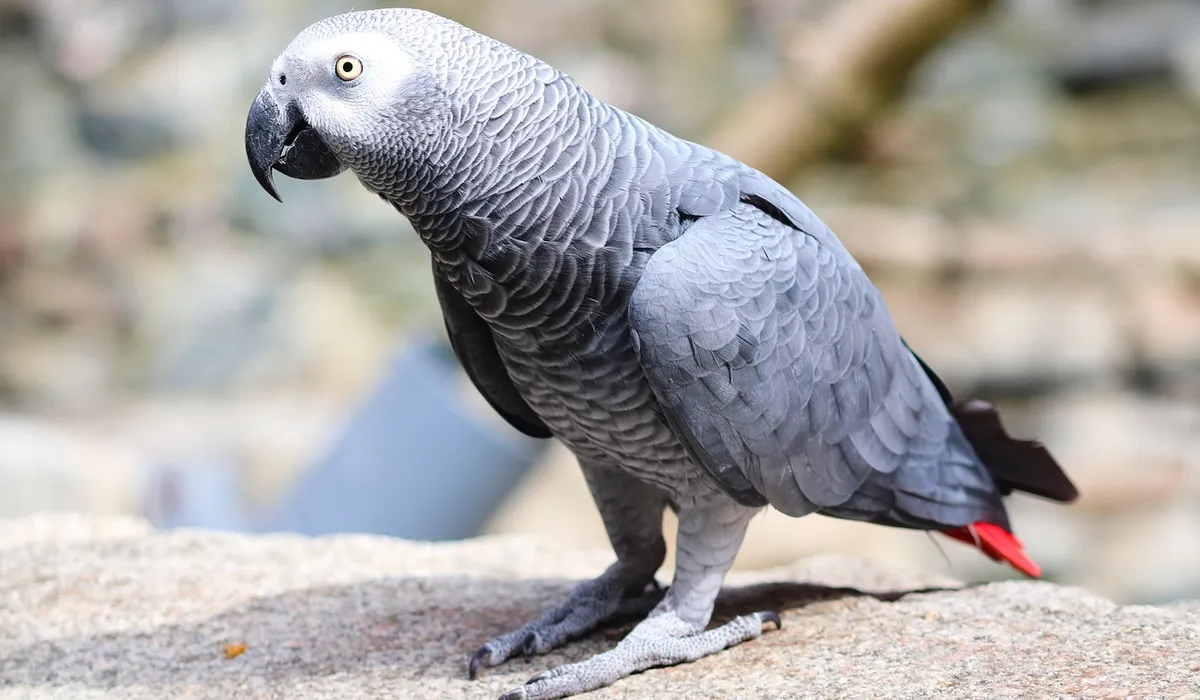
Keeping your African Grey mentally sharp is like tending a brilliant, curious garden. Their minds crave constant, positive stimulation to truly flourish and avoid the weeds of boredom and stress.
Daily Enrichment is Non-Negotiable
I rotate Sage’s toys every single week. This simple act prevents him from getting bored with his surroundings.
- Toy Rotation: Keep a stash of 10-15 different toys and swap out 3-4 every 5-7 days. Foraging toys where he has to work for a treat are his absolute favorite.
- Puzzle Games: Start simple with a cardboard box filled with crinkled paper and a hidden almond. Graduate to more complex puzzles with levers and sliding doors.
- Novel Experiences: I sometimes just give him a new, bird-safe leaf to investigate or play a different genre of music. The novelty itself is a brain workout.
Training Builds Bonds and Brains
Training isn’t about forcing tricks. It’s a conversation that builds trust and gives your parrot a sense of accomplishment. You can start with fun, easy tricks that anyone can learn in minutes. We practice for just five minutes, twice a day.
- Start with “Target Training,” using a chopstick for them to touch with their beak.
- Use their favorite high-value treat, like a tiny piece of walnut, as a reward.
- Always end on a positive note, even if it’s just for one successful action.
Create a Sanctuary, Not a Cage
A low-stress environment is the bedrock of intelligence. Loud noises, sudden movements, or a lack of predictable routine can shut down a Grey’s willingness to learn. Sage’s cage is in our living area, but it’s positioned so he can retreat to a quiet corner when the household gets too busy.
Bonding is your secret weapon against boredom. Just sitting near their cage, reading a book aloud, or quietly chatting about your day makes them feel secure and part of the flock. This emotional safety gives them the confidence to explore, play, and learn.
Common Myths and Realities About Grey Parrot Smarts
There’s a lot of folklore surrounding these incredible birds. Let’s separate the sensational stories from the grounded, everyday reality of living with a genius.
Myth: All Parrots Are Equally Vocal and Clear
This is perhaps the biggest misconception. While many parrots can mimic, the African Grey’s ability to associate words with meaning, context, and emotion is in a league of its own. My sun conure, Sunny, is loud and can whistle tunes, but he doesn’t construct sentences like Sage does.
Myth: Intelligence is Static and Inborn
A parrot’s brainpower isn’t a fixed trait. Their cognitive abilities directly expand and deepen with age, provided they receive consistent, loving mental engagement. The 3-year-old Sage was clever; the 8-year-old Sage is profoundly insightful, often predicting routines and expressing clear preferences. Parrots are widely regarded as intelligent birds. Their capacity to learn, imitate, and adapt makes them fascinating companions.
Reality: Every Single Grey is an Individual
Just like people, they have unique personalities and learning speeds. I’ve met Greys who are masterful talkers but shy with puzzles, and others who are silent but can solve any mechanical toy you give them. Comparing your bird to a viral internet sensation does them a great disservice. Celebrate the unique, smart creature you have in your home.
Their intelligence is a responsibility. It means they feel boredom deeply, form powerful attachments, and need our understanding. When a parrot is bored, it often acts out or seeks constant attention. You can learn more about this issue when a parrot is bored, and recognizing that signal is the first step in helping them thrive. Meeting them at their cognitive level isn’t just fun; it’s a fundamental part of ethical, compassionate parrot care.
FAQs
What is the African grey intelligence test?
Intelligence tests for African Greys often use puzzle toys or memory games to evaluate problem-solving and learning abilities. Owners can try simple assessments, like hiding treats under cups, to observe their bird’s reasoning skills.
What is African grey intelligence Reddit?
On Reddit, parrot enthusiasts share anecdotes about African Greys demonstrating smart behaviors, such as using tools or understanding context in speech. These forums offer community insights and practical advice for engaging these intelligent birds. Many threads specifically discuss how African Grey parrots talk, sharing recordings of phrases and tips to encourage vocabulary. These discussions highlight the social and cognitive aspects of their speech.
What is African grey intelligence age?
African Greys begin showing intelligence early, with basic mimicry and problem-solving appearing in juveniles under one year. Their cognitive abilities deepen with age, often reaching a peak in adulthood around 3-7 years through continued mental stimulation.
What is African grey intelligence age by age?
As hatchlings, they start with simple sound imitation, progressing to complex tasks like object sorting by 1-2 years old. By 3-5 years, many can use words contextually and solve advanced puzzles, showing lifelong learning potential.
What is African grey intelligence age chart?
An age chart would map cognitive milestones, such as vocabulary acquisition or tool use, across different life stages. It serves as a guide for owners to provide appropriate enrichment as their parrot matures.
Closing Thoughts on African Grey Intelligence
Caring for an African Grey means providing a rich environment full of puzzles, training, and positive social interaction to satisfy their powerful minds. From my experience with Sage, their intelligence isn’t just a party trick-it’s a fundamental part of their being that requires your daily engagement and respect.
Owning such a cognitively complex bird is a lifelong commitment to learning and adapting your care as new insights into parrot welfare emerge. We owe it to these brilliant creatures to be the best-informed guardians possible, ensuring their emotional and intellectual lives are as vibrant as their physical ones. Cognitive enrichment plays a key role—brain games and problem-solving tasks help keep their minds sharp. For practical ideas, explore cognitive enrichment for parrots: 10 brain games to keep your bird sharp.
Further Reading & Sources
- Harvard study shows parrots can pass classic test of intelligence – Harvard Gazette
- African gray parrot – Intelligence Tests | Britannica
- r/nextfuckinglevel on Reddit: The intelligence of this African Grey Parrot
Suzanne Levine is a dedicated parrot enthusiast and experienced avian caregiver with over 15 years of hands-on experience in parrot care. As the founder of Parrot Care Central, Suzanne is passionate about sharing her knowledge and insights to help fellow parrot owners provide the best possible care for their feathered friends. Her expertise spans nutrition, behavior, health, and enrichment, making her a trusted resource in the parrot care community.
African Grey Parrots