
How to Socialize a Parrot to Prevent Fear-Based Biting
Does your parrot lunge or bite when you approach, leaving you feeling frustrated and worried about your bond? I’ve been there with my own birds, like Kiwi, my playful Green-cheeked Conure, who used to nip out of fear before we worked through it together.
You’re in the right place to learn how to build trust and stop fear-based biting for good. I’ll guide you through three key takeaways:
- Recognize subtle signs of fear in your parrot’s body language before a bite happens.
- Use gradual, positive steps to socialize your parrot without overwhelming them.
- Create a safe environment that reduces stress and encourages curiosity.
Rest easy-you’ll get straightforward, actionable advice based on my hands-on experience. Topics covered include: reading parrot cues, step-by-step socialization, handling setbacks, daily routines, and building long-term trust.
Understanding Fear-Based Biting in Parrots
Fear-based biting happens when a parrot feels threatened or scared and uses its beak to defend itself. This is different from hormonal biting, which is linked to mating seasons and possessiveness, or territorial biting, which occurs when a bird guards its cage or favorite person. Fear biting is purely a defensive reaction to perceived danger. Understanding whether a bite is fear-based or aggressive can help you respond appropriately. Signs of fear, such as [this](https://parrotcarecentral.com:/what-are-the-signs-of-a-fearful-vs-an-aggressive-parrot-bite), include retreating, flared feathers, and vocal distress; aggression often shows as a rapid lunge with a hard bite.
Common triggers for this behavior include:
- Sudden, fast movements near them
- Loud, unexpected noises like shouting or dropped objects
- Lack of early, positive exposure to various people, sounds, and environments
- Unfamiliar objects or people approaching too quickly
- Past negative experiences, like improper handling
I’ve seen this firsthand with my Green-cheeked Conure, Kiwi. When something startles him, he doesn’t just bite-he first freezes, his feathers slick tight to his body, and his eyes pin rapidly. Recognizing these subtle fear signals early can prevent a bite from happening. My Sun Conure, Sunny, used to fluff up and let out a low growl when the vacuum cleaner came out, a clear sign she was terrified.
Addressing fear-based biting is non-negotiable for a parrot’s well-being. A parrot living in constant fear is a stressed parrot, which can lead to plucking, illness, and a shattered bond with you. By tackling the fear, you build a relationship based on security and mutual respect, not intimidation. Learn how to calm a scared or stressed parrot.
Building a Foundation of Trust and Patience
Trust is the absolute bedrock of parrot socialization. You cannot rush this process; patience isn’t just a virtue here, it’s a requirement. Pushing a scared bird will only confirm their fears and set your progress back weeks or even months.
Start by creating a predictable and peaceful world for your parrot.
- Establish a consistent daily routine for feeding, play, and sleep.
- Place their cage in a quiet corner away from heavy foot traffic and loud appliances.
- Speak in a calm, gentle voice whenever you’re near them.
Gentle handling is your next step. Always let the parrot choose to come to you, using positive reinforcement like a small piece of their favorite nut or fruit. Move your hand slowly and predictably, approaching from the front where they can see you. Begin with short, positive sessions of just being near the cage, then progress to offering a hand for them to step up onto your hand without pressure. This is the stage where you train your parrot to step up onto your hand. Reward immediately when they step up, and keep sessions brief and positive.
Slow exposure to new things is key. If your parrot is scared of a new toy, place it across the room for a few days, then gradually move it closer as they become curious instead of fearful.
Earning Sage’s, my African Grey’s, trust was a lesson in patience. For the first month, I’d just sit by her cage and read aloud. It took weeks of this before she’d take a treat from my hand without flinching, but that moment of breakthrough was worth every second of waiting. With Sunny, it was about associating my hands with good things, not grabbing, and now she eagerly flies to my shoulder for head scratches.
Effective Socialization Techniques to Reduce Fear
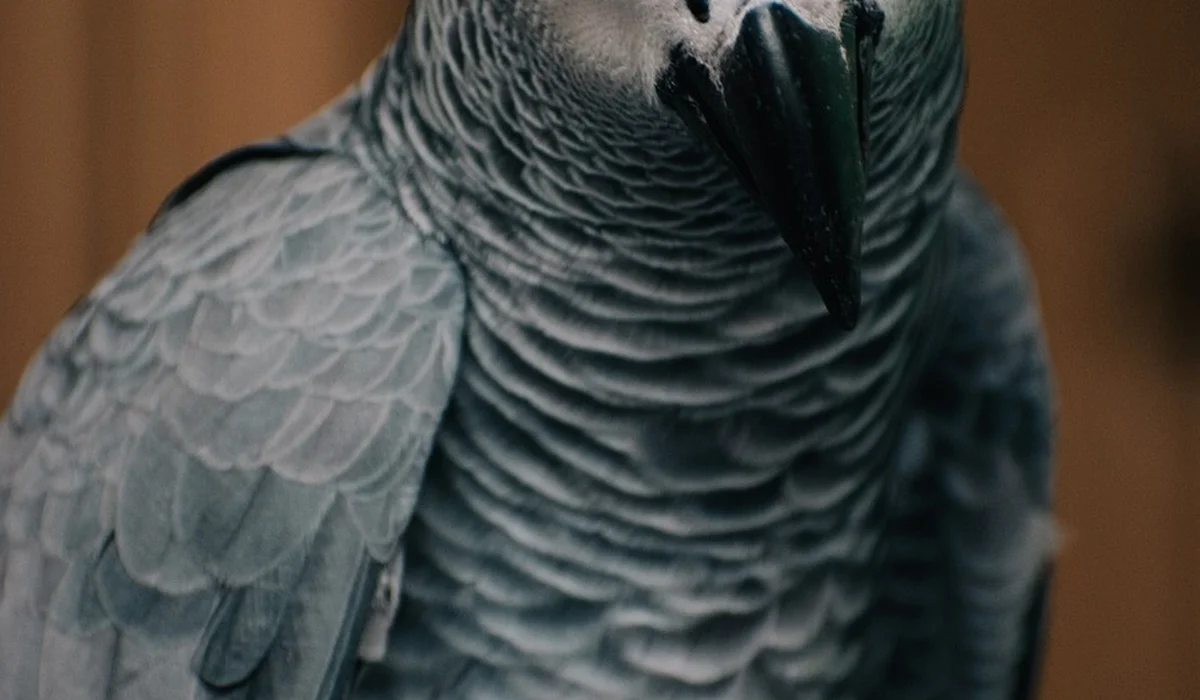
Gradual exposure is your best friend when desensitizing a fearful parrot. Start with the trigger at a distance where your bird remains calm, then slowly decrease that distance over multiple sessions. For example, if your parrot fears hands, begin by placing your hand near the cage without moving, then progress to resting it on the door, and finally inside the cage.
Positive reinforcement builds trust and changes negative associations. Here’s how to do it right:
- Identify a high-value treat your parrot loves-something they rarely get.
- The moment your parrot shows calm behavior near a trigger, immediately offer the treat.
- Keep sessions short, under 15 minutes, to avoid overwhelming them.
- Always end on a positive note, even if it’s a small success.
Target training gives your parrot a job to focus on, which reduces anxiety. You’ll need a small stick (the target) and a clicker. This is a foundational skill for parrots and a common topic in a beginner’s guide to target training. Mastering it builds a simple, reliable communication cue you can use to train more advanced tricks.
- Present the target. When your parrot touches it with their beak, click and give a treat.
- Once they understand, use the target to guide them to move toward or onto new objects or hands.
- This builds their confidence because they are making choices and being rewarded for them.
Voluntary step-ups and favorite perches create safe zones. I never force my conure, Kiwi, to step up. I present my hand or a perch and let her decide to step onto it, rewarding her choice with a sunflower seed. Her favorite perch in the living room is her comfort spot during noisy activities, making her feel secure while still part of the family.
Reading Your Parrot’s Body Language and Calming Signals
Your parrot is constantly talking to you with their body. Learning this language is your strongest defense against a bite. Key cues like feather position, eye movement, and sound tell you exactly what your bird is feeling.
Watch for these specific body language signals:
- Feather Puffing: A relaxed, full-body fluff often means contentment. A tight puff with a crouched posture signals fear or aggression.
- Eye Pinning: When the pupils rapidly constrict and dilate. This can indicate high excitement, curiosity, or escalating fear. Context is everything.
- Vocalizations: Soft chattering is usually happy. Loud, sharp screeches or growling sounds are clear warnings.
Recognizing calming signals helps you know when it’s safe to interact. A relaxed parrot will have smooth feathers, may grind their beak softly, and have a relaxed posture. A fearful parrot will appear tense, may lean away, and could raise the feathers on the back of their neck. To tell if your parrot is stressed, watch for warning signs. There are 15 common cues to look for.
Interpreting movements prevents bites. If a parrot starts backing away, turning their head to watch your hand like a hawk, or flicking their tongue, stop what you’re doing. These are clear “I’m uncomfortable” signals. With my African Grey, Sage, a slight narrowing of her eyes and a very still body tells me she’s assessing a situation and I should give her space. Respecting these small signs has prevented countless nips.
Safe Handling and Safety Precautions
Reading your parrot’s body language is your first line of defense against a bite. Watch for pinned eyes, raised feathers, or a tense posture-these are clear signs your bird needs space.
Immediate Safety Measures
- Wear long sleeves or use a small perch for initial interactions instead of your bare hand.
- Keep your movements slow and predictable to avoid startling your bird.
- If a bite seems imminent, gently redirect their attention with a favorite toy or treat.
Long-Term Precautions for Trust
I always use a soft, gentle voice with my conure, Kiwi, especially when she seems nervous. Your tone of voice can either build a bridge of trust or create a wall of fear.
For returning your parrot to their cage safely, make it a positive experience. Offer a high-value treat inside the cage so they associate it with good things, not punishment. These stress-free parrot cage return techniques help get your parrot back into its cage calmly. Keep movements slow, voice calm, and cues consistent to reinforce the routine.
Socialization in a Controlled Setting
- Start with short, 5-minute sessions in a quiet room with just one other calm person.
- Have the new person sit quietly and let the parrot observe them from a distance.
- Encourage the person to offer a treat without making direct eye contact initially.
Forcing an interaction will always backfire, breaking the fragile trust you’re trying to build. I learned this the hard way with my sun conure, Sunny, who once bit a guest because they moved too quickly.
Troubleshooting Common Socialization Challenges
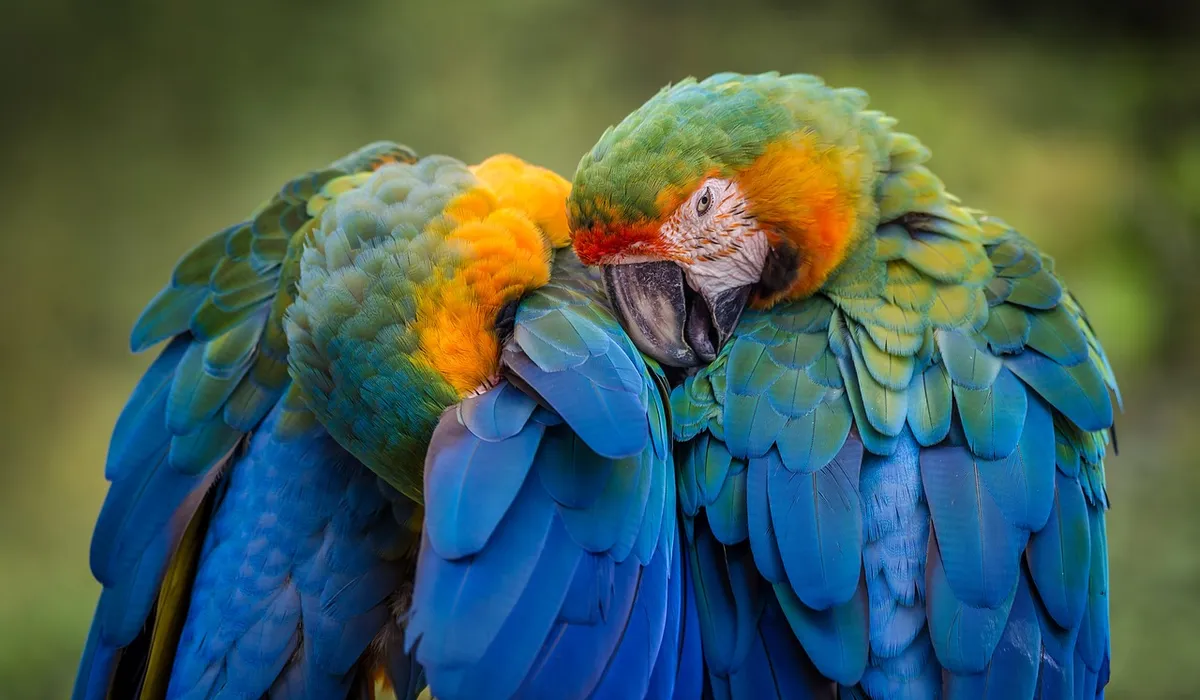
Even with perfect training, you’ll hit some bumps. My African Grey, Sage, went through a phase of refusing to step up after a loud noise scared him.
Addressing Regression and Resistance
If your parrot suddenly resists handling, don’t panic. Take two steps back in your training and revisit a previous, successful step to rebuild their confidence. Plateaus are common in parrot training, and solving them often means tweaking the approach rather than pushing harder. Try small, consistent steps and reintroduce rewarding tasks to regain momentum.
- For regression, increase the value of treats and shorten training sessions.
- For resistance, try changing the training location or time of day to create a new, positive association.
When Biting Occurs
If you get bitten, stay calm. A loud reaction can reinforce the behavior. Place the bird safely back in their cage or on a perch without any drama, giving both of you a moment to reset.
Analyze what triggered the bite-were you moving too fast? Was the environment overstimulating? Adjust your approach based on what you discover.
The Power of Consistency and Enrichment
Progress isn’t always a straight line. Daily, predictable interactions build a foundation of security that casual, sporadic training can never achieve.
Rotate foraging toys and introduce new puzzles weekly to keep their mind engaged. A bored parrot is more likely to develop fear-based behaviors.
I’ve found that mixing up training with playtime keeps all my birds eager to participate. Enrichment turns necessary socialization into a fun game they look forward to each day.
Advanced Training and Long-Term Socialization Strategies
You’ve mastered the basics, and your parrot is showing progress. Now, the real work begins to ensure those positive behaviors stick for a lifetime. I’ve seen with my own flock that consistency is your absolute best friend here.
Building Unbreakable Bonds Through Reinforcement
Think of training like building a strong friendship-it needs regular, positive interactions. A quick, fun session each day is far better than one long, exhausting drill.
- Keep high-value treats, like a tiny piece of walnut or pine nut, reserved only for training.
- Practice “step-up” commands in different rooms to generalize the behavior.
- If your parrot seems hesitant, never force it. End the session on a positive note, even if it’s a small win.
This consistent, positive reinforcement builds a deep-seated trust that makes fear-based reactions much less likely. My Green-cheeked Conure, Kiwi, used to be jumpy, but our daily five-minute “step-up” games around the house completely changed her confidence.
Enrichment: Your Secret Weapon for a Calm Parrot
A bored parrot is a nervous parrot, and a nervous parrot is more prone to biting. Enrichment is all about engaging their brilliant minds and natural behaviors.
- Forage for Food: Hide their daily pellets in cardboard egg cartons or crumpled paper bags.
- Destroyable Toys: Provide softwood blocks, sola balls, and palm fronds they can safely shred.
- Puzzle Feeders: Introduce simple puzzles that require them to slide or lift a lid to get a treat.
Providing these outlets for natural behavior significantly reduces pent-up energy and anxiety. My Sun Conure, Sunny, will calmly shred a palm leaf for an hour, which is far better than him finding my furniture equally interesting!
Socializing Through Every Stage of Life
Your approach must evolve as your parrot grows. What works for a clumsy hatchling won’t work for a set-in-their-ways adult.
For Hatchlings and Juveniles
This is the golden window for socialization. Gentle, frequent handling and exposure to various household sights and sounds builds a foundation of fearlessness. Introduce them to different people, always with positive reinforcement.
For Adult Parrots
Older birds, especially rescues, may come with baggage. Patience is your most critical tool. Move slower, let them set the pace, and use a “hands-off” approach with a perch for step-up commands until they are more comfortable. My African Grey, Sage, was an adult when I got him, and it took months of just sitting near his cage and talking before he trusted my hand.
Knowing When to Call for Backup
Despite your best efforts, some parrots need specialized help. There is no shame in this.
- Your parrot’s fear or aggression is escalating instead of improving.
- Bites are breaking the skin or becoming more frequent.
- You notice signs of plucking or other stress-related behaviors.
An avian veterinarian or certified parrot behaviorist can rule out medical causes and provide a tailored behavior modification plan. Your parrot’s welfare is the top priority, and sometimes the bravest thing you can do is ask for help. If behavior concerns linger or escalate, seeking professional guidance early can save frustration and lead to faster improvements. A professional can help differentiate medical from behavioral issues and tailor strategies to your bird’s needs.
FAQs
How long does it usually take to see improvements in a fearful parrot’s behavior?
Progress varies based on the parrot’s history and personality, with some showing changes in weeks and others taking months. Realistic timelines vary by bird; many reach basic skills in 2–4 weeks, while advanced behaviors can take months. Consistent, patient training is key to building trust over time.
What should I do if my parrot seems to regress after making progress?
Stay calm and return to earlier, successful training steps to reinforce their confidence. Keep sessions short and positive to avoid overwhelming your bird.
Can I socialize my parrot with other birds or animals in the house?
Introduce other pets gradually under close supervision to minimize stress. When introducing a new dog or cat to a home with a resident parrot, start with controlled, brief introductions behind a barrier. Only proceed to closer interactions if everyone remains calm. Always ensure your parrot has a safe retreat and monitor interactions for signs of fear.
In Closing
From my time with parrots like Kiwi and Sunny, I’ve seen that gentle, daily interactions build trust and cut down on fear-based biting. Focus on positive reinforcement with treats and praise to make new experiences feel safe and fun for your feathered friend.
Parrot care is a lifelong journey that demands patience and ongoing education. Commit to learning about their unique personalities and needs to foster a bond built on mutual respect and well-being.
Further Reading & Sources
- Managing parrot bite injuries to the hand: not just another animal bite – PMC
- How to Live a Bite Free Life with Your Parrot Part 1 – Avian Behavior International
- How to React to a Biting Parrot. – Three Birds and a Cloud
Suzanne Levine is a dedicated parrot enthusiast and experienced avian caregiver with over 15 years of hands-on experience in parrot care. As the founder of Parrot Care Central, Suzanne is passionate about sharing her knowledge and insights to help fellow parrot owners provide the best possible care for their feathered friends. Her expertise spans nutrition, behavior, health, and enrichment, making her a trusted resource in the parrot care community.
Socialization