
Renting with a Parrot: Your Guide to Landlord Agreements and Pet Deposits
Struggling to find a rental that welcomes your parrot without breaking the bank or facing rejection? I’ve been there with my own parrots, like Kiwi and Sunny, and know how stressful it can feel.
Drawing from my years of renting with feathered companions, I’ll help you tackle this head-on with clear, practical advice.
- Proven ways to present your parrot as a low-risk tenant to landlords.
- How pet deposits work and tips to negotiate fair terms.
- Simple steps to keep your rental parrot-friendly and avoid damage.
You’ll walk away with actionable strategies that I’ve used successfully. Covering landlord negotiations, pet deposit details, preparation checklists, legal rights, and maintenance habits.
What Landlords Really Think About Parrots as Tenants
Landlords often worry about noise, damage, and mess when they hear the word “parrot.” I’ve faced this firsthand with my Green-cheeked Conure, Kiwi, whose playful squawks once made a landlord hesitant until I explained how I manage her vocal habits. Sound management isn’t just about appeasing landlords—it’s about reducing stress at home for you and your bird. I’ll share how I tune her routine and vocal habits to keep noise under control. Parrots aren’t like cats or dogs—they can be louder, more destructive with their beaks, and create feather dust. Here’s how they stand out:
- Noise levels vary widely; my Sun Conure, Sunny, loves to chirp at sunrise, but I trained him to keep it down with positive reinforcement.
- Damage risks include chewed wood or wires; I always provide plenty of toys to redirect that energy, like I do for Sage, my African Grey.
- Mess from food and feathers requires daily cleaning; I share how I use easy-clean cages to show landlords it’s manageable.
In one rental, I brought Kiwi to meet the landlord, highlighting her quiet moments and my cleanup routine. That personal touch turned a “no” into a “yes” by building trust through transparency.
Are Parrots Considered Pets or Something Else?
Most rental policies label parrots as pets, but they can also be emotional support animals (ESAs) or assistance animals under specific laws. Determining your parrot’s status starts with checking your lease and local regulations—I did this for Sunny when moving to a new apartment. When you’re moving to a new home, following a step-by-step relocation checklist for your parrot can make the transition easier. It helps coordinate timing, transport, and acclimation for your feathered companion. Follow these steps to clarify where your bird fits:
- Review your rental agreement for pet clauses; if it’s vague, ask your landlord directly.
- Consult a mental health professional if your parrot serves as an ESA; they can provide documentation.
- Research state and federal laws, like the Fair Housing Act, which might offer protections beyond standard pet rules.
I once helped a friend classify their parrot as an ESA by gathering vet records and a therapist’s note. This careful approach ensures you don’t accidentally misrepresent your feathered friend.
Legal Protections for Avian Companions
Laws like the Fair Housing Act can cover emotional support animals, preventing landlords from discriminating based on disability. You have rights as a tenant, but you must provide proper proof to back them up. Here’s a checklist of documents to keep handy:
- Veterinary records showing vaccinations and health status-I update these yearly for all my parrots.
- A letter from a licensed professional if your parrot is an ESA, detailing the need for support.
- Photos or videos demonstrating your parrot’s behavior in a home setting.
When I advocated for Sage as an ESA, having his calm demeanor documented made the process smooth. Staying organized with paperwork shows landlords you’re a responsible owner who respects their property.
How to Negotiate Your Lease with a Parrot in Tow
Start the conversation early and focus on solutions, not problems. I always schedule a face-to-face chat to discuss my parrots, sharing how I’ve successfully rented with them for years. Ask these key questions to ease concerns:
- Can we include a trial period to show my parrot’s good behavior?
- What specific concerns do you have, and how can I address them, like noise or damage?
- Are there any pet fees or deposits, and can they be refundable based on condition?
From my experience, offering to pay a slightly higher deposit helped me secure a lease for Kiwi. Building trust means listening to their worries and showing you’ve thought it through.
Crafting a Pet Addendum for Your Rental Agreement
A pet addendum spells out rules to prevent misunderstandings. Include details like cage size limits, cleaning schedules, and noise control measures-I draft one for every rental to keep things clear. Follow this step-by-step guide to create yours:
- List your parrot’s species, age, and temperament; for example, I note that Sage is quiet and well-trained.
- Specify cage requirements, such as placement away from windows to reduce stress.
- Outline cleaning responsibilities, like daily waste removal and weekly deep cleans.
- Agree on consequences for violations, but frame it as a commitment to upkeep.
I once added a clause about providing chew toys to prevent damage, which reassured my landlord. A well-written addendum turns potential conflicts into shared agreements.
Showing Off Your Parrot’s Best Behavior
Demonstrate your responsibility by sharing evidence of good care. I create a “parrot resume” for each of my birds, highlighting their training and health records-it’s won over skeptical landlords every time. That same preparation makes vet visits easier. It helps you handle your parrot during examinations and reduces stress for both of you. Try these tactics to showcase your parrot:
- Share up-to-date vet records to prove your parrot is healthy and well-maintained.
- Offer a short video of your parrot in a calm, home environment; I did this with Sunny’s social interactions.
- Invite the landlord for a quick visit to see your setup, emphasizing cleanliness and safety.
In one negotiation, I brought Kiwi to meet the landlord, and her curious nature charmed them into approval. Putting your parrot’s positive traits front and center makes them an asset, not a liability.
Breaking Down Pet Deposits, Fees, and Extra Costs
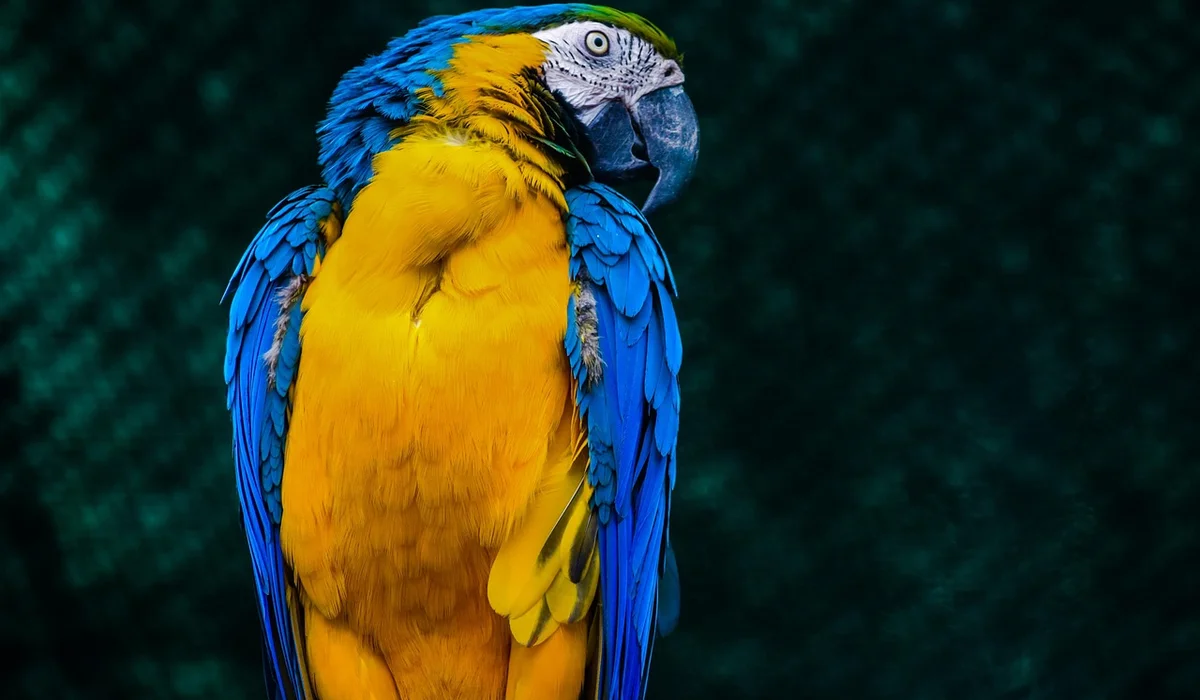
Landlords often charge extra for pets, and parrots are no exception. You’ll typically encounter three types of fees: a refundable pet deposit, a non-refundable pet fee, and monthly pet rent. These can add up quickly, so understanding them is your first step to budgeting. To get the full picture, you’ll want a complete parrot ownership cost breakdown—from purchase through lifelong care. We’ll cover upfront costs, ongoing expenses, and potential surprises along the way.
My green-cheeked conure, Kiwi, came with me to three different apartments. I’ve paid everything from a simple $200 deposit to a complex combination of all three fee types. It pays to ask for a detailed breakdown before you sign anything.
| Fee Type | Typical Cost | Is it Refundable? | Pro Tip |
|---|---|---|---|
| Pet Deposit | $200 – $500 | Yes, if no damage | Take move-in photos to prove the unit’s original condition. |
| Non-refundable Pet Fee | $100 – $300 | No | Ask if this fee can be negotiated, especially for a smaller bird. |
| Monthly Pet Rent | $25 – $50 per month | No | Factor this into your long-term budget; it’s a recurring cost. |
You can sometimes reduce these costs. I always present my parrots as well-trained family members, not messy liabilities. Offer to bring your bird for a “meet and greet” with the landlord. Show them your secure, clean travel cage. Provide a written “parrot resume” that includes your bird’s age, species, and how you manage noise and cleanliness. These are essential steps when traveling with your parrot. They help ensure a smooth, stress-free journey for both you and your bird.
What to Expect with Pet Damage Clauses
Nearly every lease will have a clause about pet-related damage. This means you are financially responsible for any destruction caused by your parrot beyond normal wear and tear. Chewed window sills, scratched-up door frames, and stained flooring are common issues landlords worry about.
My conure, Kiwi, is a notorious chewer. I learned the hard way after he nibbled the corner of a wooden cabinet. Prevention is your absolute best defense.
- Provide a variety of approved chew toys to redirect natural chewing instincts.
- Use cage skirts and playpen mats to catch food and droppings.
- Train your bird to stay on designated play stands away from walls and furniture.
- Conduct weekly “damage inspections” around your bird’s main areas.
For major peace of mind, look into pet liability insurance. Some renters’ insurance policies can be extended to cover damages caused by pets, offering a financial safety net for those unexpected incidents. It’s a small monthly fee that can save you from a massive repair bill.
Waiving Fees for Support Animals
If your parrot is a legitimate Emotional Support Animal (ESA), you may qualify to have pet fees waived. This is not a loophole for avoiding costs; it’s a legal accommodation for a documented mental or emotional disability. Landlords must make reasonable accommodations under the Fair Housing Act. Even with ESA protections, parrot ownership includes hidden costs. Regular veterinary care, high-quality toys, and potential emergency expenses can add up quickly.
A friend of mine has an African Grey, much like my Sage, as an ESA for anxiety. She was able to have all pet rent and deposits waived with the proper documentation.
- Consult with a licensed mental health professional who treats you.
- Obtain a signed letter on official letterhead stating your need for an ESA.
- Provide this letter to your landlord when discussing your lease agreement.
- Be prepared for a respectful conversation about your needs and your bird’s care.
Your Rights as a Tenant with a Feathered Friend
You have specific rights when renting with a pet. A landlord cannot discriminate against you based on pet ownership once it’s been agreed upon in the lease. They also cannot enforce rules arbitrarily or change the pet policy mid-lease without your consent.
I once had a landlord try to suddenly ban “all birds” after I’d already moved in with Sunny, my sun conure. Knowing my rights allowed me to reference our signed agreement and resolve the issue calmly.
- Your lease agreement is your primary legal protection. Read it thoroughly.
- Fair Housing Acts protect against discrimination for ESAs and service animals.
- Local tenant unions can provide free, specific advice for your area.
- Document all communications with your landlord regarding your pet in writing.
Handling Disputes Over Noise or Damage
Conflicts can arise, especially concerning parrot noise. The key to resolving any dispute is proactive, calm communication. Don’t wait for a formal complaint to land in your mailbox.
When my sunny, vocal conure Sunny went through a particularly loud phase, I spoke with my neighbors directly. I explained it was temporary, gave them my number, and offered a small “sorry for the noise” gift. It built goodwill instead of resentment.
- Address concerns immediately. If a neighbor complains, listen to their specific issue.
- Be a problem-solver. Offer solutions, like adjusting your bird’s schedule or moving its cage to a less shared wall.
- Keep your landlord informed. If you’re working on a noise issue, let them know you’re handling it responsibly.
- If the dispute escalates unfairly, seek help from a tenant’s rights organization. They can mediate and clarify local noise ordinance laws.
Finding a Rental That Welcomes Your Parrot
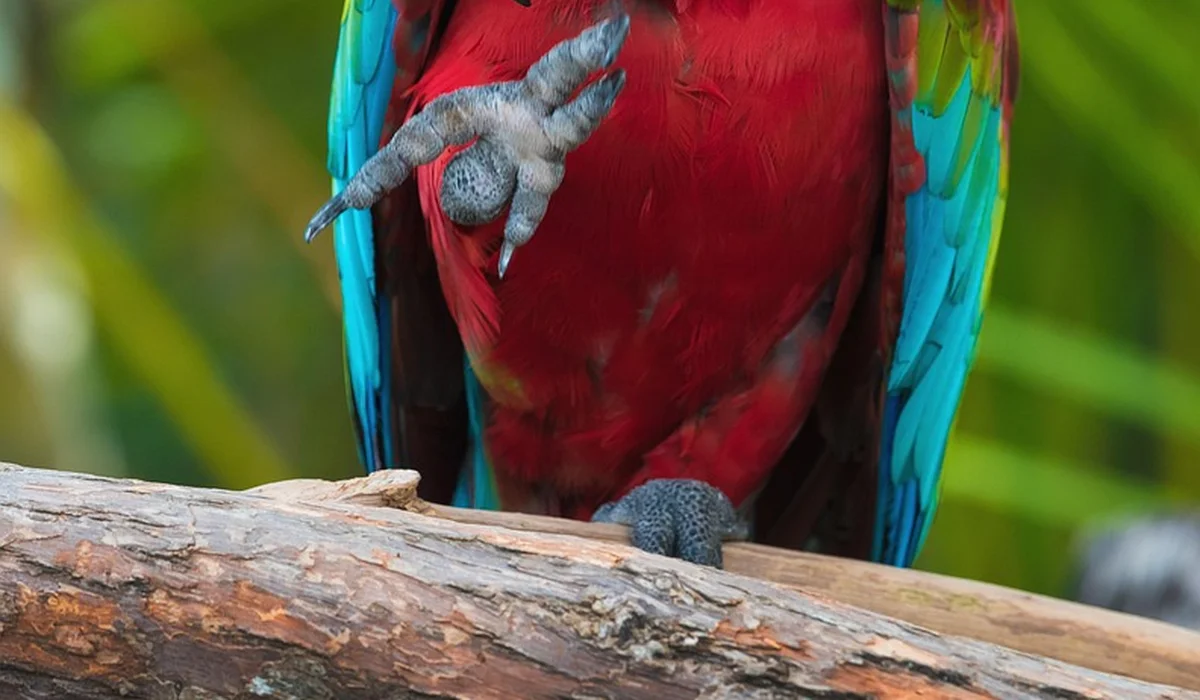
Scoring a rental that accepts your feathered friend requires a solid game plan. I’ve found success by searching specifically for “bird-friendly” or “caged pet allowed” listings, as many generic “pet-friendly” places only consider cats and dogs.
- Use dedicated pet-friendly housing websites like Zillow, Apartments.com, and HotPads, filtering for “small pets” or “other pets.”
- Join local bird owner groups on social media; members often share leads on available, bird-welcoming rentals in your area.
- Directly contact property management companies and ask for their specific pet policy regarding birds.
My green-cheeked conure, Kiwi, and I found our current apartment because I called a landlord who had listed a “no pets” policy. I politely asked if they’d consider a quiet, caged bird, and after sharing Kiwi’s profile, they made an exception. Persistence and clear communication truly pay off.
Preparing Your Parrot for the Application Process
Treat your parrot’s application like a job interview—you want to present them in the best possible light. Gather all necessary documents, including a recent avian vet health certificate and proof of current vaccinations, to show your bird is healthy and well-cared for. Regular annual vet checkups are a cornerstone of parrots’ preventative care, helping detect health issues early and keep your bird thriving.
Create a “Parrot Resume” that includes a cute photo, their name, species, age, and a brief description of their personality. Here’s my checklist for a smooth application:
- Recent Avian Vet Health Certificate
- Up-to-Date Vaccination Records
- Color Photo of Your Bird
- Brief Biography Highlighting Temperament
- Written Plan for Noise and Habitat Management
When I applied with my sun conure, Sunny, I included a note about his predictable, cheerful chirps in the morning. Providing this level of detail demonstrates responsibility and eases a landlord’s potential concerns.
Keeping Your Landlord Happy with Smart Parrot Care
A happy landlord means a secure home for you and your parrot. My daily routine revolves around proactive cleanliness to prevent any mess from becoming a problem for the property.
I use a cage liner system with newspaper at the bottom, which I change every single morning without fail. This simple habit prevents waste buildup and odors. Here’s my daily habitat maintenance list:
- Change cage liners and spot-clean droppings from around the cage.
- Wipe down cage bars and perches with a bird-safe cleaner.
- Sweep or vacuum the immediate area around the cage to catch any stray feathers or food.
- Provide fresh food and water in clean dishes to avoid spills and spoilage.
My African Grey, Sage, is a surprisingly tidy eater, but her dust can be a challenge. I run a small air purifier near her cage, which keeps the air clean and shows my landlord I’m serious about maintaining a fresh environment.
Noise Control and Neighbor Considerations
Parrot vocalizations are natural, but in an apartment, managing them is non-negotiable. Strategic cage placement away from shared walls can dramatically reduce how much noise travels to your neighbors. If you’re navigating noise complaints as a parrot owner in an apartment, this guide can help. It offers practical steps to keep your bird happy while respecting neighbors.
I trained Kiwi to understand a “quiet time” cue by rewarding calm behavior with a favorite treat during early mornings and late evenings. Training techniques that work include:
- Using positive reinforcement to reward quiet moments.
- Providing plenty of foraging toys to keep them occupied and less likely to scream for attention.
- Maintaining a consistent daily schedule for out-of-cage time, so your bird feels secure and less anxious.
I once had a neighbor who was a light sleeper, so I made sure Sunny’s cage was in my living room, farthest from their bedroom wall. Being proactive about noise not only keeps the peace but also strengthens your reputation as a considerate and responsible tenant.
FAQs
What if my landlord tries to change the pet policy after I’ve signed the lease?
Your signed lease is a legally binding agreement, so any changes typically require your consent. If this happens, review your lease terms and seek advice from a tenant rights organization to protect your agreement.
How can I handle a parrot emergency in a rental to prevent property damage?
Prepare an emergency kit with supplies like a carrier and first-aid items to manage situations safely. Inform your landlord about your proactive plans to show you’re minimizing risks and maintaining the property.
Are there ways to reduce pet deposits or fees for smaller parrot species?
Yes, you can negotiate by providing documentation of your parrot’s size, temperament, and low damage history. Offering a higher refundable deposit instead of non-refundable fees may also appeal to landlords. Additionally, make sure the landlord understands your parrot’s housing needs, which are based on its size and species.
In Closing
Getting everything in writing is your strongest move-a signed agreement from your landlord that clearly states your parrot is welcome and outlines any fees or deposits. This simple document transforms you from a rule-breaker into a responsible, prepared tenant. Be ready to talk about your bird’s needs and show you’re a committed owner; it makes all the difference.
Owning a parrot is a long-term promise that goes far beyond just finding a place to live. Embrace the journey of learning; your feathered friend’s well-being depends on your dedication to understanding their complex needs. Keep asking questions, stay curious, and always advocate for the incredible animal sharing your home. Whether you live in an apartment or a house, this parrot complete guide covers apartment living vs house living to help you tailor your space for a thriving bird. It highlights practical differences in enclosure, noise, and enrichment to fit your living situation.
Further Reading & Sources
- r/parrots on Reddit: Renting with a parrot?
- r/parrots on Reddit: Landlords and bird owners- do “no pets” policies usually apply to small/medium sized birds?
- Moving – have questions about pet friendly apartments | Parrot Forum 🦜 Parrot Owners Community
Suzanne Levine is a dedicated parrot enthusiast and experienced avian caregiver with over 15 years of hands-on experience in parrot care. As the founder of Parrot Care Central, Suzanne is passionate about sharing her knowledge and insights to help fellow parrot owners provide the best possible care for their feathered friends. Her expertise spans nutrition, behavior, health, and enrichment, making her a trusted resource in the parrot care community.
Housing