
Parrot Training Mistakes: Fix Common Errors Fast
Published on: April 17, 2026 | Last Updated: April 17, 2026
Written By: Suzanne Levine
Are you struggling to train your parrot, feeling like every step forward is followed by two steps back? You’re not alone. I’ve been there with my own flock-Kiwi the conure, Sunny the sun conure, and Sage the African Grey-and I’ve learned firsthand how small missteps can derail progress.
In this guide, I’ll walk you through the most frequent parrot training pitfalls and give you straightforward fixes. You’ll discover how to:
- Build lasting trust instead of creating fear
- Use rewards that actually motivate your bird
- Keep training sessions fun and frustration-free
By the end, you’ll have clear, actionable advice to transform your training approach. We’ll cover these essential topics: inconsistent training schedules, using the wrong rewards, moving too fast, ignoring body language, negative reinforcement, and skipping socialization.
Spotting Frequent Training Fumbles
How to Steer Clear of Yelling and Scolding
Yelling at your parrot might feel like a natural reaction when they squawk loudly or misbehave, but it rarely solves the problem. I remember one time with Kiwi, my Green-cheeked Conure, I raised my voice out of frustration, and she immediately puffed up and hid in her cage corner for hours. That moment taught me that parrots interpret loud noises as threats, which can shatter their trust in you. Instead of scolding, try using a calm, steady voice to redirect their energy toward a positive activity, like playing with a favorite toy.
Here are some simple steps to avoid yelling:
- Take a deep breath before reacting to keep your emotions in check.
- Use a soft tone to say “quiet” or gently distract them with a treat.
- Reward calm behavior immediately with a small piece of fruit or a head scratch.
Over time, this approach helps your parrot feel safe and willing to learn from you. For a tame Quaker parrot, these steps make training sessions smoother and more reliable. Building a bond based on respect, not fear, makes training sessions much more effective and enjoyable for both of you. When you train a Quaker parrot, keeping sessions short and positive reinforces trust and a willingness to learn.
The Trouble with Inconsistent Timing and Cues
If you change your commands or rewards randomly, your parrot will get confused and slow down their learning. With Sunny, my Sun Conure, I once used “step up” one day and “come here” the next for the same action, and she just stared at me blankly. Parrots thrive on clear, predictable signals because they associate cues with outcomes. Mixing up your timing or words muddles their understanding and can lead to frustration on both sides.
To stay consistent, follow these tips:
- Pick one specific word or gesture for each behavior and stick to it every time.
- Give treats or praise within seconds of the desired action to reinforce the connection.
- Practice in short bursts daily to help the cue become a habit.
I’ve found that using a clicker or a consistent sound, like a tongue click, works wonders for timing. This approach is a cornerstone of effective parrot training: the click marks the exact moment of the desired behavior. With repeated, precise cues, progress happens quickly. Clear cues and prompt rewards turn training into a fun game that your parrot looks forward to.
Why Punishment-Based Methods Fail
Punishing your parrot, such as by spraying water or isolating them, might seem like a quick fix, but it often backfires by causing fear or aggression. From my experience with Sage, my African Grey, I’ve seen how positive reinforcement builds confidence, while punishment can make a parrot withdrawn or defensive. Parrots are intelligent and emotional; they don’t understand punishment the way we do, so it usually just damages your relationship. Focusing on rewards for good behavior encourages your parrot to repeat those actions willingly. Many bites happen when a parrot feels scared, overwhelmed, or protective of a territory or person. Understanding the causes and triggers behind biting—such as miscommunication, fatigue, or a need for more enrichment—helps you prevent it and respond appropriately.
Instead of punishment, try these alternatives:
- Ignore minor misbehaviors and reward calm moments to shift their focus.
- Use time-outs sparingly, like moving them to a neutral perch for a minute, but always follow up with a positive interaction.
- Identify the root cause, such as boredom or fear, and address it with enrichment toys or gentle handling.
Animal welfare is a priority here; kindness always leads to better results. By avoiding punishment, you create a trusting environment where your parrot feels secure enough to learn and grow. Building on that trust, explore bonding techniques that work to strengthen your parrot’s bond with you. These gentle methods are proven to help your bird feel secure and happy.
Building on Patience and Steady Habits
Why Consistency Is Key to Success
Consistency in training isn’t just about repeating the same actions; it’s about building a reliable routine that your parrot can depend on. When I started training Kiwi, I made sure to use the same cues and rewards every day, and she picked up new tricks much faster. Parrots, like people, learn best when they know what to expect, which reduces stress and boosts their confidence. Sticking to a consistent approach helps your parrot understand the rules and feel more in control of their environment.
Benefits of consistency include:
- Stronger bonds because your parrot trusts you as a steady guide.
- Faster progress in learning commands and reducing unwanted behaviors.
- Less confusion, leading to a happier, more cooperative bird.
Even on busy days, a little consistency goes a long way. Making training a predictable part of your routine turns it into a positive habit that strengthens your connection over time.
Setting Up a Reliable Training Schedule
A regular training schedule keeps sessions productive and prevents burnout for both you and your parrot. I schedule short, 5-10 minute sessions with my birds each morning when they’re most alert, and it’s become a highlight of our day. Parrots have short attention spans, so frequent, brief practices work better than long, infrequent ones. Planning training around your parrot’s natural rhythms, like before meals when they’re motivated by hunger, makes learning feel like a rewarding game. Pet parrots learn by doing, as detailed in this article on what they can learn and do, so short, hands-on tasks help them build confidence. Each little success invites them to try the next trick.
Here’s how to set up a reliable schedule:
- Choose a consistent time daily, such as after breakfast or in the early evening.
- Keep sessions under 10 minutes to maintain interest and avoid fatigue.
- Use high-value treats, like bits of nut or fruit, to keep engagement high.
- Track progress in a simple journal to spot patterns and adjust as needed.
This approach has helped Sunny become more social and eager to participate. A steady schedule not only speeds up training but also deepens the bond you share with your feathered friend.
Mastering Positive Reinforcement Techniques
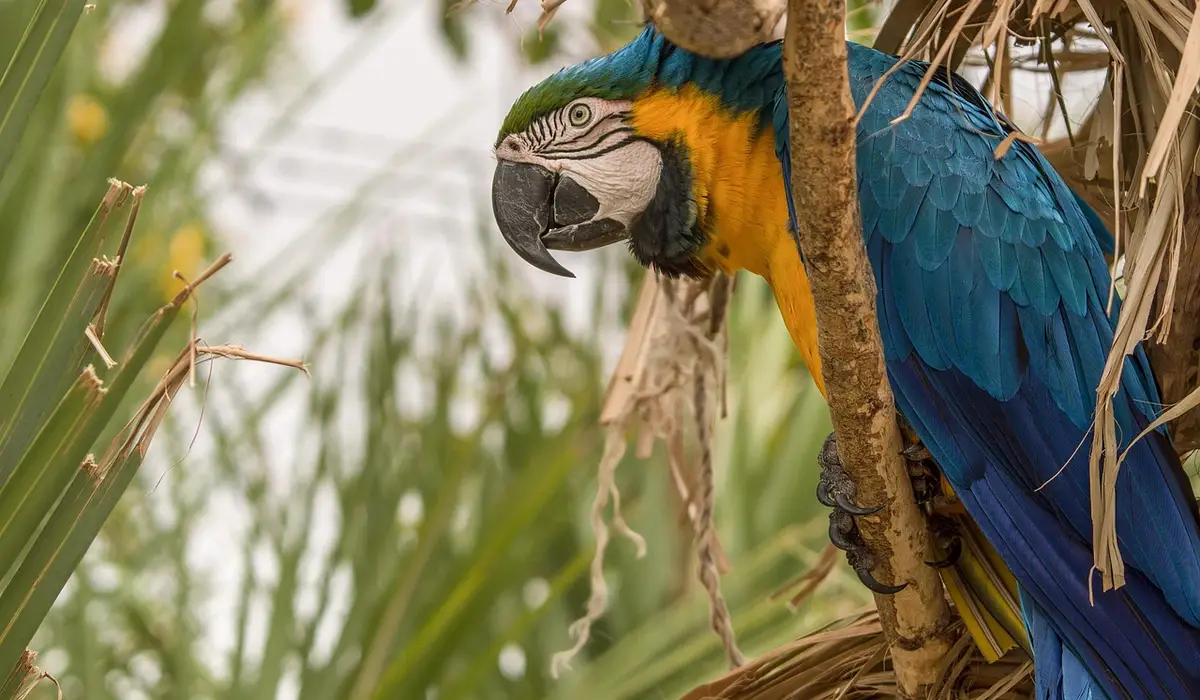
Shaping Behavior with Rewards, Not Scolds
I learned the hard way that yelling at my Green-cheeked Conure, Kiwi, only made him nervous and less likely to cooperate. Parrots respond far better to earning good things than avoiding bad ones. Think of it like teaching a child to read; you cheer for every correct letter, you don’t scold for the mistakes. When Kiwi finally stepped onto my hand voluntarily, I rewarded him with an enthusiastic “Good bird!” and his favorite millet spray. That single moment of positive connection built more trust than weeks of trying to force him.
Your timing is everything. The reward must come the *instant* the desired behavior happens. If you want your parrot to step up, the treat touches their beak the moment their foot lifts. Delayed rewards confuse them, making it impossible to connect the action with the prize. I keep tiny, high-value treats in a pouch on my hip during training sessions with my Sun Conure, Sunny, so I’m always ready to mark the exact second she gets it right.
Avoiding Treat Overuse and Boredom
It’s easy to get treat-happy, but a parrot on a full stomach has zero motivation to work. I use a portion of my parrots’ daily pellet ration as training rewards. This keeps their overall diet balanced and prevents them from filling up on fatty seeds alone. For my African Grey, Sage, a single peanut is a jackpot reward reserved for truly breakthrough moments.
Boredom is a training killer. If you do the same “step up, step down” drill for ten minutes, your parrot will mentally check out.
- Mix up the rewards. Alternate between a food treat, a head scratch, and verbal praise.
- Keep sessions short and sweet. Five minutes of focused training is better than twenty minutes of frustration.
- End on a high note. Always finish after a big success, so your parrot is excited for the next session.
Variety isn’t just the spice of life; it’s the fuel for effective and fun training. I watch my birds closely, and the second I see their attention wane, we switch to a fun game or call it a day.
Reading Your Parrot’s Body Language
Spotting Frustration and Fear Cues
Parrots scream with their feathers, not just their voices. Learning this silent language transformed my relationship with my birds. A happy, engaged parrot has relaxed, smooth feathers and bright, curious eyes. Fear or frustration looks completely different and means you need to stop and reassess.
Watch for these clear signals that your parrot has had enough:
- Pinned Eyes: Their pupils rapidly dilating and constricting. This can signal high excitement, but during training, it often means overstimulation or annoyance.
- Fluffed Feathers: A bird that puffs up and stays puffed might be feeling unwell or stressed.
- Tail Fanning: This is a classic “back off” signal. My conure, Kiwi, fans his tail when he’s feeling cornered.
- Beak Clacking or Lunging: This is a final warning. They are telling you, in no uncertain terms, that you have crossed a boundary.
Adjusting Training Based on Signals
Seeing these signals isn’t a failure; it’s valuable feedback. When Sage starts pinning her eyes during a complex trick, I know I’ve pushed too far. The most compassionate and effective thing you can do is immediately pause the training. I’ll take a step back, give her a moment of quiet, and perhaps just talk to her softly to de-escalate the situation.
Your training plan should be a flexible guide, not a rigid script.
- If you see fear, make the task easier or go back to a previous step they’ve already mastered.
- If you see frustration, shorten the session or switch to a different, more enjoyable activity.
- Always respect a “no.” Forcing interaction destroys trust. Sometimes, the best training day is the one where you do nothing but sit near the cage and read a book aloud.
Building a bond based on mutual respect and clear communication is the ultimate goal of any training. Your parrot will thank you for it with a lifetime of trust and companionship. A good next step is teaching your parrot to step up onto your hand, using a calm cue and small rewards. With patience, your hand becomes a trusted perch.
Keeping Sessions Short and Engaging
Ideal Length for Parrot Practice
Training a parrot is like having a quick, fun chat—you want to keep it brief to hold their interest. With my Green-cheeked Conure, Kiwi, I found that sessions under 10 minutes work best to prevent boredom and frustration. That insight is one data point in a train different parrot species comparative guide, which compares how various parrots respond to session length and rewards. In that guide, I’ll outline practical tips for adjusting length and techniques to fit other species. Parrots, especially playful ones like Kiwi, have short attention spans, so dragging it out can backfire. I aim for 5-10 minute bursts, ending on a high note with a favorite treat or praise. Shorter sessions build positive associations and keep your bird eager for the next round.
- Start with 2-5 minutes for young or new birds, gradually extending as they engage.
- Watch for signs of distraction, like preening or looking away, and wrap up before they lose focus.
- Schedule multiple mini-sessions throughout the day instead of one long one.
This approach helped Sunny, my Sun Conure, master simple tricks without stress. Keeping it short ensures training feels like a game, not a chore, which boosts learning and strengthens your bond.
Using Tools Like Clickers and Targets Wisely
Clickers and target sticks can be super helpful, but overusing them can confuse your parrot. I learned this the hard way with Sage, my African Grey, when I clicked too much and she got overwhelmed. Start by pairing the clicker sound with a treat so your bird connects it to rewards. For target training, use a small stick or even your finger to guide movements, like stepping up or turning around. Target training is a foundational skill in beginner guides. It helps build focus and smooth communication with your parrot.
- Introduce the clicker in a calm setting-click, then immediately give a treat to build association.
- Use the target stick to direct actions step by step, rewarding small successes.
- Keep tools simple and consistent; avoid switching methods mid-session to prevent confusion.
With Kiwi, I used a target stick to teach her to spin, and it made the process smooth and fun. Tools should enhance communication, not replace the joy of interacting with you directly. Always prioritize your parrot’s comfort and stop if they seem stressed-animal welfare comes first.
Setting Realistic Training Goals
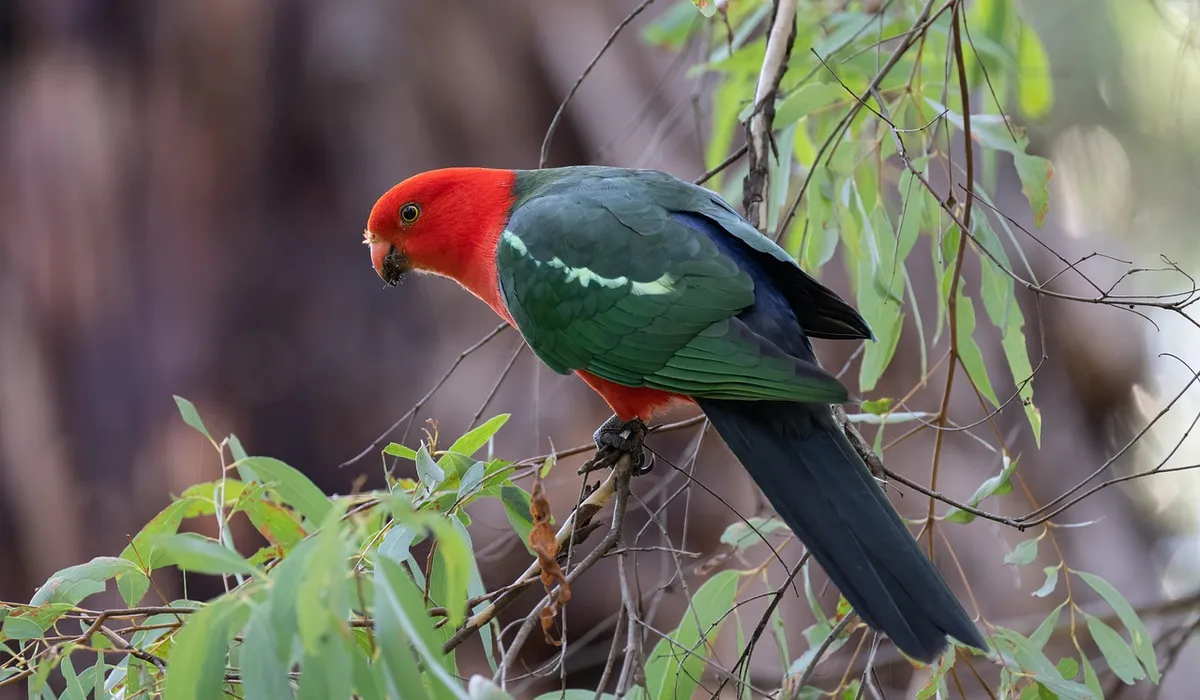
Breaking Skills into Manageable Steps
Big goals can feel overwhelming for both you and your parrot, so I break everything into tiny, achievable pieces. When I taught Sunny to wave, we started with just lifting her foot, then added the waving motion over days. This “chunking” method reduces frustration and builds confidence. Think of it like learning a dance-one move at a time.
- Identify the end goal, like speaking a word, and break it into sounds or gestures.
- Reward each small step immediately to reinforce progress.
- Adjust pace based on your bird’s personality; curious birds like Kiwi might learn faster than calmer ones like Sage.
This approach helped Sage pick up phrases without pressure. By celebrating small wins, you create a positive training environment that encourages steady growth.
Avoiding Premature Expectations
It’s easy to get excited and expect quick results, but parrots learn at their own pace. I once pushed Kiwi too hard to mimic a sound, and she shut down-a reminder that patience is key. Avoid comparing your bird to others or online videos; every parrot is unique. Focus on gradual progress, not perfection.
- Set simple, short-term goals, like mastering one step of a trick per week.
- Observe your parrot’s body language; if they seem stressed, scale back expectations.
- Celebrate effort, not just outcomes, to keep motivation high.
With Sage, I learned that slow, consistent training led to lasting skills. Rushing can harm trust and set back training, so embrace the journey and enjoy the small moments together. Your parrot’s well-being always matters more than hitting a milestone fast.
Ensuring Consistency with Multiple Caregivers
When multiple people care for your parrot, mixed signals can derail all your training progress. I learned this the hard way when my Green-cheeked Conure, Kiwi, started ignoring “step-up” commands because my partner used a different hand signal. Parrots thrive on predictability, and inconsistent rules confuse them deeply.
Creating Uniform House Rules and Cues
Establish a clear, written guide that every caregiver follows. Sit down with everyone in your household and agree on the exact words, gestures, and rewards you’ll use for basic commands. This prevents your bird from getting mixed messages.
- Use the same verbal cue for each behavior, like “up” for stepping onto your hand
- Standardize hand signals across all trainers-whether you present a flat palm or curled finger
- Keep treat rewards identical in type and size to maintain motivation
- Create a simple training log where caregivers note progress and challenges
- Schedule brief weekly check-ins to discuss what’s working and adjust techniques together
My African Grey, Sage, became much more responsive once we all used the same “good bird” praise phrase. Consistency across trainers builds trust and accelerates learning, turning your home into a cohesive training environment.
Preventing Chasing and Coercion in Training
Never chase your parrot to force cooperation-this destroys trust and creates lasting fear. I once watched a friend’s parrot develop cage aggression after being repeatedly chased with a towel for nail trims, and it took months to rebuild that broken bond. Forced interactions teach birds to view humans as threats.
Instead, build willingness through positive reinforcement:
- Let your parrot choose to participate by offering opportunities, not demands
- End sessions immediately if your bird shows stress signals like hissing or backing away
- Use target training to guide movement without physical pressure
- Respect their “no”-if they refuse to step up, try again later with higher-value treats
- Keep training sessions short (2-5 minutes) to maintain engagement without frustration
Training should feel like a fun game to your parrot, not a stressful obligation. My Sun Conure, Sunny, now flies to my hand voluntarily because we built that cooperation through patience, not pressure.
Common Questions
How can I read frustration cues in my parrot during training?
Watch for body language like pinned eyes, fluffed feathers, or tail fanning. These signs indicate it’s time to pause the session and reassess your approach.
What’s the best way to shape behavior without punishment?
Use positive reinforcement to reward small, successive steps toward the desired behavior. This method builds confidence and encourages your parrot to willingly participate. In positive reinforcement training for parrots, quick, specific rewards help reinforce the exact behavior you want. Keep sessions brief and end on a successful note to maintain motivation.
How can I prevent my parrot from becoming clicker shy?
Always pair the clicker sound with an immediate high-value treat to build a positive association. Keep initial sessions very short and positive to avoid overwhelming your bird.
How long should training sessions last for parrots?
Ideal sessions are brief, typically 5-10 minutes, to match your parrot’s attention span. Multiple short sessions per day are more effective than one long, drawn-out session.
How can I keep training consistent across multiple caregivers?
Create a simple written guide that details the exact cues, rewards, and methods everyone should use. Hold brief check-ins to ensure all caregivers are following the same training plan.
Wrapping Up Your Parrot Training Journey
Steer clear of the common pitfalls like inconsistent training schedules, using punishment, or ignoring your bird’s unique body language signals. Establishing a regular training routine helps address common behavioral issues. Short, consistent sessions with rewards reinforce good habits and clear communication. Focus instead on short, positive sessions filled with rewards, and always pay close attention to what your parrot is trying to tell you.
Being a great parrot owner is a lifelong commitment to learning and adapting alongside your feathered friend. Your dedication to understanding their needs builds a deep, trusting bond that makes your entire flock happier and healthier for years to come.
Further Reading & Sources
- Top 10 Parrot Training Mistakes to Avoid – The Posh Perch
- Parrot Training
- 5 Common Mistakes – Parrot SOS
Suzanne Levine is a dedicated parrot enthusiast and experienced avian caregiver with over 15 years of hands-on experience in parrot care. As the founder of Parrot Care Central, Suzanne is passionate about sharing her knowledge and insights to help fellow parrot owners provide the best possible care for their feathered friends. Her expertise spans nutrition, behavior, health, and enrichment, making her a trusted resource in the parrot care community.
Obedience Training