Can Parrots Eat Tomatoes? A Complete Safety Guide
Can parrots eat tomatoes? It’s a question that might make you pause, worried about hidden dangers in such a common fruit.
I’ve shared many meals with my own parrots, like Kiwi and Sunny, and I’m here to guide you through the facts. You’ll get a clear breakdown of the key points to keep your bird safe and happy.
Key takeaways include:
- Understanding which parts of tomatoes are safe and which pose risks
- How to prepare tomatoes to avoid health issues
- Recognizing signs of toxicity and when to seek help
Rest easy-this guide offers straightforward, actionable advice based on my hands-on experience. Topics covered: safety, preparation, toxicity signs, healthy alternatives, feeding tips
Tomato Safety for Parrots: What You Need to Know
My green-cheeked conure, Kiwi, once snatched a cherry tomato right off my plate. That heart-pounding moment taught me exactly which tomato parts require immediate action and which are perfectly fine for our feathered friends.
Dangerous Tomato Parts for Parrots
Every part of the tomato plant itself is a hard no for your parrot. I keep my birds far away from my garden plants after a scare with Sunny, my sun conure.
- The Plant & Leaves: These contain toxic compounds called glycoalkaloids, specifically solanine and tomatine.
- The Stems & Vines: Just as dangerous as the leaves, these can cause serious digestive upset and neurological issues.
- The Unripe, Green Fruit: While not as toxic as the plant, green tomatoes contain higher levels of those same problematic compounds. I only ever offer the fully ripe, red fruit.
Are Tomato Seeds Safe for Your Bird?
This is a super common question, and the answer brings some relief. The tiny seeds inside a ripe tomato are generally considered safe for parrots to consume in small amounts. They don’t contain the same level of toxins as the rest of the plant. For a Quaker parrot, safe foods come from a varied diet of fruits and vegetables. Tomato seeds can be part of that variety in moderation, along with other safe produce.
I’ve watched all three of my birds eat tomatoes, seeds and all, with no ill effects. The real concern isn’t the seeds themselves, but the sheer volume of tomato your bird eats in one sitting because of its high acidity. Moderation is your best friend here.
Nutritional Benefits of Tomatoes for Parrots
When served correctly, that juicy red fruit is more than just a tasty treat. Tomatoes pack a powerful nutritional punch that can support your parrot’s overall health in some fantastic ways. My African Grey, Sage, seems to perk up after a small tomato snack. But for the nutritional needs of other parrot species, especially my other pet, an Amazon parrot, I always refer to this diet and nutrition guide for Amazon parrots.
Key Vitamins and Their Impact
Let’s break down the good stuff inside this fruit and what it actually does for your bird.
- Vitamin A: This is a big one for parrots. It keeps their skin healthy and their feathers looking vibrant and strong. A deficiency can lead to dull plumage and respiratory issues.
- Vitamin C: A fantastic antioxidant that boosts their immune system. It helps their little bodies fight off illness and can aid in healing.
- Lycopene: This is what gives tomatoes their red color. It’s another antioxidant that helps protect your parrot’s cells from damage.
- Potassium: This mineral is vital for proper nerve function and muscle health, including that important heart muscle.
Seeing my birds enjoy a varied diet that includes healthy treats like tomatoes is one of the great joys of being a parrot owner. It’s all about offering that nutritional boost safely and smartly. Following general parrot dietary guidelines helps ensure a balanced mix of fruits, vegetables, pellets, and safe proteins. Sticking to safe foods and proper portions prevents obesity and other health issues.
Risks of Feeding Tomatoes to Parrots
Common Health Issues from Tomatoes
Tomatoes contain natural compounds called solanine and tomatine, primarily concentrated in the stems, leaves, and vines. These substances are toxic to parrots and can cause serious digestive upset and neurological issues if ingested. From my years with Kiwi and Sunny, I learned that even a curious nibble on a discarded tomato stem can lead to trouble.
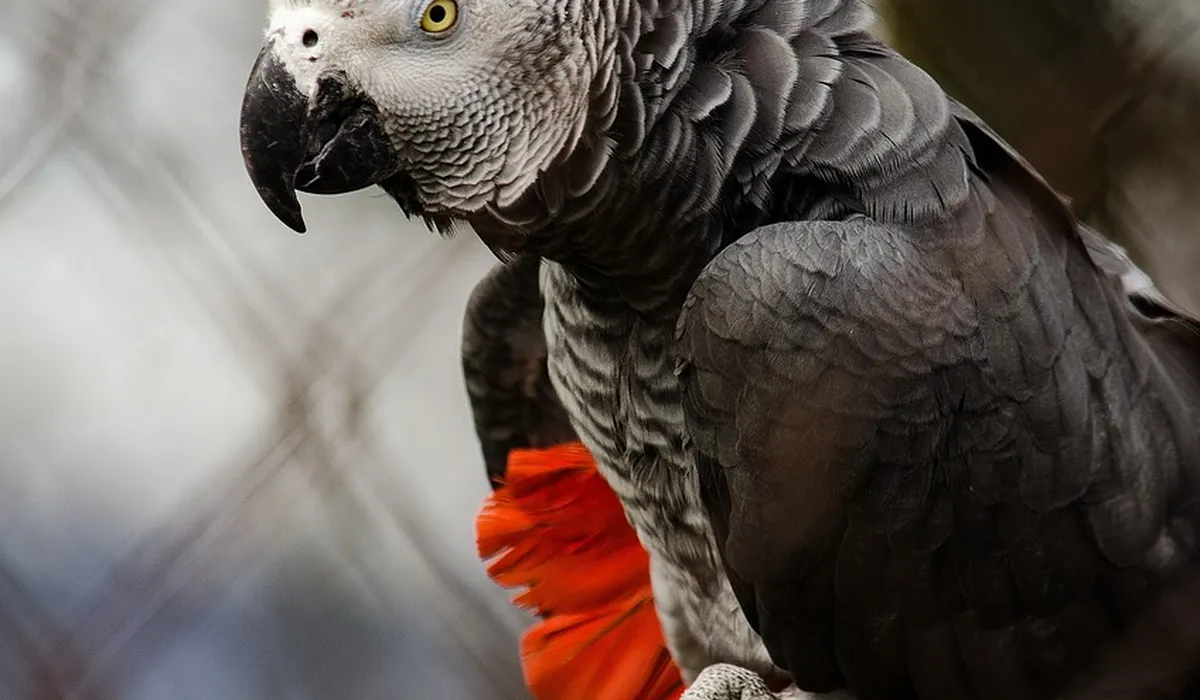
The high acidity in tomatoes presents another challenge for our feathered friends. Frequent consumption can irritate a parrot’s sensitive crop and digestive system, potentially leading to discomfort or more severe issues like ulcers. I noticed Sage, my African Grey, would sometimes get a little quiet after a tomato treat, which taught me to be extra cautious.
- Digestive Upset: Vomiting, diarrhea, or a general lack of appetite.
- Neurological Symptoms: Lethargy, weakness, or unusual clumsiness.
- Crop Inflammation: Swelling in the crop area or regurgitation.
- Calcium Absorption Interference: The acidity can hinder how well your parrot absorbs essential calcium.
How to Safely Prepare Tomatoes for Your Parrot
Choosing and Cleaning Tomatoes
Selecting the right tomato makes all the difference for your parrot’s safety. I always opt for ripe, organic tomatoes to minimize exposure to pesticides and other chemicals. The bright red color indicates lower levels of the problematic compounds found in green, unripe fruits.
Thorough cleaning is non-negotiable in my routine. A good scrub under running water helps remove any surface residues that could harm your bird. I often use a dedicated vegetable brush for my parrots’ produce to ensure it’s perfectly clean for their sensitive systems. This is part of my complete guide to clean your parrot’s environment safely. It covers choosing bird-safe cleaners, proper rinsing, and thorough drying to prevent residual toxins.
- Choose fully ripe, red tomatoes-avoid any with green areas.
- Select organic varieties when possible to reduce chemical exposure.
- Wash thoroughly under cool running water while gently scrubbing the skin.
- Pat dry with a clean paper towel before preparation.
- Inspect for any bruises or soft spots and discard if found.
Proper preparation continues with careful cutting and serving. Always remove the stem, leaves, and any green parts completely before offering tomato to your parrot. I make a habit of cutting the tomato into small, manageable pieces that my birds can easily handle without risk of choking.
Signs Your Parrot May Be Reacting Badly to Tomatoes
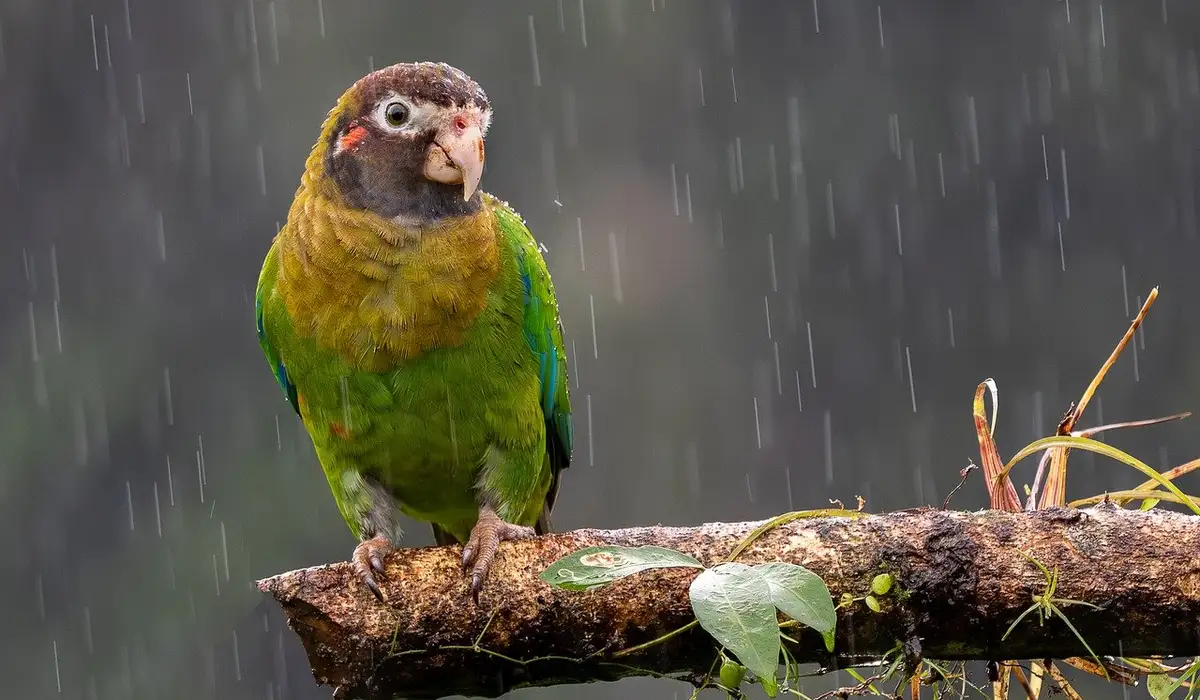
Even with the safe, ripe flesh, some parrots can have a sensitivity. I’ve noticed my conure, Kiwi, sometimes gets a bit quieter after trying new foods, which is my first clue something might be off. Watch your bird closely for these changes. To tell if your parrot is stressed, there are 15 common warning signs to watch for. These cues include changes in vocalization, feather position, appetite, and activity.
Physical Symptoms to Watch For
- Lethargy or unusual stillness
- Fluffed-up feathers for extended periods
- Vomiting or regurgitation
- Diarrhea or changes in droppings
- Loss of appetite or refusing favorite treats
Behavioral Red Flags
- Increased irritability or aggression
- Hiding at the bottom of the cage
- Decreased vocalization or complete silence
- Balance issues or difficulty perching
Trust your instincts-you know your bird’s normal behavior better than anyone. If your typically chatty companion like my Sunny goes quiet for hours after eating, it’s worth paying attention.
What to Do If Your Parrot Eats Toxic Tomato Parts
Accidents happen. Maybe a piece of stem fell on the floor, or your parrot snatched a green tomato from your plate. Staying calm is your most powerful tool in this situation, as panic can stress your bird even more. A calm, gentle approach helps a scared or stressed parrot feel safe again. By staying steady and patient, you can help your bird reset and regain trust. Here’s your action plan.
Immediate First Steps
- Remove any remaining tomato parts from the cage and your parrot’s reach.
- Offer fresh, clean water to help dilute any toxins.
- Do not try to induce vomiting-this can cause more harm.
- Keep your bird in a quiet, warm, and safe environment to reduce stress.
When to Call the Vet Immediately
- You saw your parrot consume a large amount of leaves, stems, or unripe fruit
- Any signs of tremors, seizures, or collapse
- Difficulty breathing or rapid breathing
- Vomiting that persists for more than a few minutes
Always call your avian vet or an emergency pet clinic for guidance, even if symptoms seem mild. I keep my vet’s number saved in my phone for exactly these moments. Describe exactly what and how much your parrot ate—it helps them give the best advice. That’s the kind of emergency guide scenario this topic covers. If possible, bring the product packaging or the name of the substance to the appointment so clinicians can respond quickly.
Information to Give Your Vet
- Your parrot’s species, age, and weight
- The specific tomato part ingested (e.g., stem, leaf)
- The approximate amount consumed
- The time since ingestion
- All symptoms you’ve observed, no matter how small
Quick action and clear information can make all the difference for your feathered friend’s health. It’s always better to be safe and get professional help than to wait and see.
FAQs
Can parrots eat cooked tomatoes?
Cooked tomatoes are generally safe for parrots if prepared without added salt, oils, or seasonings. Always ensure they are fully ripe and free from any green parts to avoid potential toxins.
How often can I feed tomatoes to my parrot?
Tomatoes should be an occasional treat, not a daily part of your parrot’s diet due to their high acidity. Limit servings to once or twice a week in small amounts to prevent digestive issues. This aligns with parrot diet requirements by species outlined in a complete feeding guide.
What are some healthy alternatives to tomatoes for parrots?
Safe alternatives include bell peppers, carrots, and apples, which provide similar vitamins without the high acidity. Always introduce new foods gradually and ensure they are washed and prepared properly.
Final Thoughts
Ultimately, you can safely share ripe, red tomato flesh with your parrot after removing the toxic green parts and offering it in small, occasional portions. Always wash the fruit thoroughly to remove any pesticides and monitor your bird closely for any signs of digestive upset after they try this new, acidic treat. Remember, this is just one item on the complete list of toxic foods parrots should avoid. For a full reference, consult a trusted guide on parrot nutrition.
Being a great parrot guardian means staying curious and committed to learning about their complex dietary and emotional needs throughout their long lives. Your dedication to providing informed, loving care makes all the difference in the world to your feathered friend. A quick quaker parrot care characteristics legality guide can help you apply these insights to daily care and compliance. It also highlights the bird’s unique traits and any local legal requirements.
Further Reading & Sources
- Can Parrots Eat Tomatoes? Our Vet Answers! | PangoVet
- Tomatoes…what’s the real deal? | Parrot Forum 🦜 Parrot Owners Community
- Can Parrots Eat Tomatoes? Vet-Approved Facts & FAQ | Hepper Pet Resources
Suzanne Levine is a dedicated parrot enthusiast and experienced avian caregiver with over 15 years of hands-on experience in parrot care. As the founder of Parrot Care Central, Suzanne is passionate about sharing her knowledge and insights to help fellow parrot owners provide the best possible care for their feathered friends. Her expertise spans nutrition, behavior, health, and enrichment, making her a trusted resource in the parrot care community.
Toxic Plants