Amazon Parrot Prices: Complete Guide to Different Species Costs
Worried about the high and confusing costs of Amazon parrots and if you can afford one without breaking the bank? I’ve been there-when I brought home my first Amazon, Sage, I was shocked by the price tags and hidden expenses.
Drawing from my years of caring for parrots like playful Kiwi and social Sunny, I’ll help you navigate this with clear, practical insights. Here are the key takeaways we’ll cover:
- Real price ranges for popular Amazon species, from budget-friendly to premium picks.
- Ongoing costs like food, vet care, and habitat setup that many overlook.
- Smart budgeting tips and why investing in animal welfare pays off long-term.
You’ll get straightforward advice to plan your purchase confidently. Topics covered: Species Prices, Initial Setup Costs, Ongoing Expenses, Health Care, Buying Tips, Animal Welfare Considerations
Amazon Parrot Species Price Breakdown
Common Amazon Parrot Species and Their Costs
You will find several Amazon parrot species readily available, each with a different price tag that reflects their popularity and availability. Prices can swing dramatically based on where you live and the breeder’s reputation. For a clearer picture of how much a parrot costs, use a complete initial purchase price guide that breaks down typical price ranges by species and breeder quality. It can also help you budget for starter supplies and initial veterinary checks as you bring your parrot home.
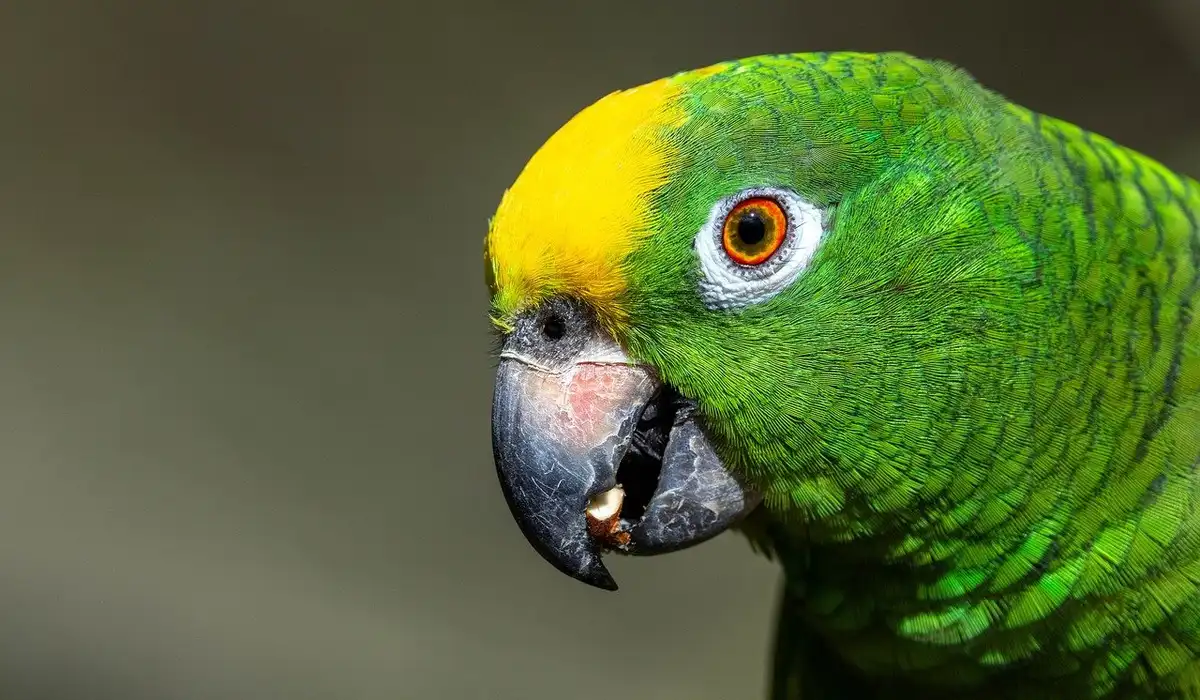
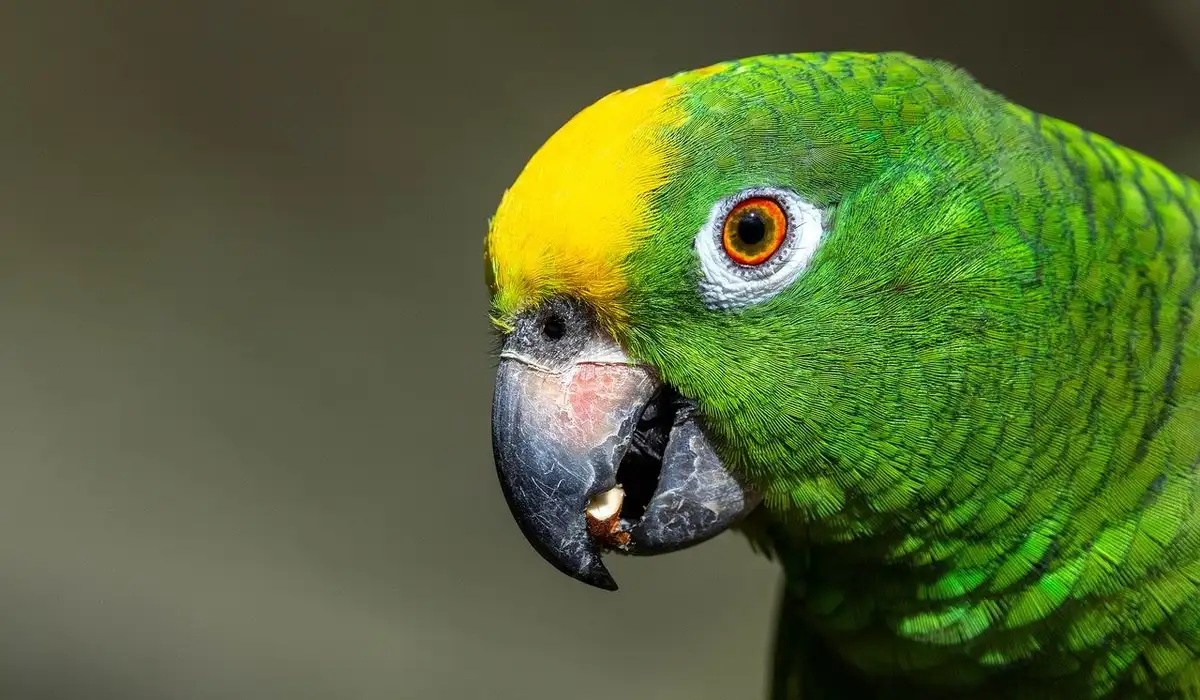
- Yellow-naped Amazon: Ranges from $1,500 to $3,000. I’ve always been captivated by their incredible talking ability, but they demand consistent interaction.
- Blue-fronted Amazon: Typically costs $1,000 to $2,500. Their playful nature and striking blue forehead make them a favorite.
- Double Yellow-headed Amazon: Expect to pay $1,200 to $2,800. Their vibrant yellow head and clownish personality are a joy to watch.
- Yellow-crowned Amazon: A more budget-friendly option at $800 to $1,500. They are intelligent but can be a bit more independent.
These prices are for healthy, hand-fed babies from reputable sources. My own experience adopting Kiwi, my conure, taught me that a lower initial price can sometimes mean hidden health or behavioral costs down the line.
Rare and High-End Amazon Parrot Prices
Venturing into the world of rare Amazons means entering a different financial league. Scarcity and unique physical traits drive these prices into the stratosphere.
- Lilac-crowned Amazon: This less common species often commands $2,500 to $4,000 due to its beautiful muted plumage and calmer demeanor.
- Vinaceous Amazon: With its stunning wine-colored feathers, this bird is a true collector’s item, priced from $3,000 to $5,000.
- Specialty Morphs/Mutations: A rare color mutation, like a pied or cinnamon Yellow-naped, can easily double or triple the standard price. I’ve seen listings exceed $7,000.
Always verify the breeder’s credentials and the bird’s provenance with these high-end purchases. The high price tag must be matched by impeccable health and legal documentation.
Factors That Shape Amazon Parrot Prices
Age and Health Impact on Price
A parrot’s age and health are the two most significant factors influencing its cost. A young, hand-fed baby parrot will always cost more than an older, parent-raised, or rehomed adult.
- Baby Chicks (Hand-fed): Highest price. They bond strongly with humans but require round-the-clock care initially.
- Young Adults (1-5 years): Moderately priced. Their personality is established, making it easier to gauge compatibility.
- Mature Adults (10+ years): Lower price or adoption fee. They can be wonderful companions but may come with ingrained habits.
A recent vet check and health guarantee are non-negotiable. Investing in a healthy bird from the start saves you from heartbreaking and expensive vet bills later, a lesson I learned the hard way with an early pet.
Training and Mutations
The skills a parrot possesses and its genetic makeup can dramatically alter its market value. A well-trained parrot is not just a pet; it’s a feathered family member with manners.
- Basic Training (Step-up, recall): Adds a few hundred dollars to the price. This foundational training makes daily life much smoother.
- Advanced Training (Talking, complex tricks): Can increase the cost by $500 to $1,000+. My African Grey, Sage, came with a small vocabulary, and it was worth every extra penny.
- Color Mutations: Rare colors like blue, cinnamon, or pied are genetic jackpots for breeders. These unique birds can cost two to three times more than their normally colored counterparts.
Remember that a high price for a trained or rare bird is only justified if the breeder provides verifiable proof of the training and the mutation’s genetics. Always prioritize a bird’s welfare and your ability to provide a lifelong home over its rarity or price tag.
Total Cost of Owning an Amazon Parrot
Initial Setup and Purchase Costs
Getting your home ready for a new Amazon parrot is a significant first investment. The bird itself is just one piece of the financial puzzle, and the cage and accessories often cost as much as the parrot. From my experience setting up for Kiwi, my Green-cheeked Conure, I learned that skimping on the initial setup just leads to bigger expenses later. A parrot cage setup and essential equipment budgeting guide can help you map out upfront expenses for the cage, perches, toys, and other essentials. Planning ahead saves money and prevents surprises down the line.
- The Parrot: Prices range from $800 for common species like the Yellow-naped to over $3,500 for rarer types like the Lilac-crowned.
- The Cage: A spacious, sturdy cage suitable for an Amazon’s size and powerful beak will cost between $300 and $800.
- Essential Gear: You’ll need perches of various textures, food and water dishes, a travel carrier, and toys. Budget at least $200-$400 for these initial supplies.
- First Vet Visit: An initial wellness check, which often includes disease testing, typically runs $100-$250.
When I brought home Sage, my African Grey, the initial outlay was a surprise. You are essentially furnishing a small, intelligent, and very messy apartment for a toddler with bolt cutters for a face. Plan for this reality to avoid financial stress.
Ongoing Care and Maintenance Fees
The purchase price is a one-time event, but the cost of care is a lifelong commitment. Your monthly budget will need to account for high-quality food, mental enrichment, and potential veterinary surprises. My birds, Sunny and Sage, have very different dietary needs, which affects my grocery bill.
- High-Quality Diet: A mix of premium pellets, fresh vegetables, and some fruits costs me about $40-$70 per month, per bird.
- Toys and Enrichment: Amazon parrots are clever and destructive. You must rotate new toys regularly to prevent boredom, costing $30-$60 monthly.
- Routine Vet Care:
- Annual Check-ups: $75-$150 per visit.
- Emergency Fund: I strongly advise setting aside $500-$1,000 for unexpected illnesses or injuries.
- Insurance: Pet insurance for parrots can cost $15-$30 per month and is worth considering for peace of mind.
The biggest ongoing cost isn’t money, but time; these complex creatures demand daily social interaction and out-of-cage time to stay happy and healthy. A neglected parrot is a costly parrot, both emotionally and financially.
Where to Buy or Adopt an Amazon Parrot
Breeder Prices vs Rescue Costs
Your source for an Amazon parrot dramatically impacts both the initial cost and the bird’s background. Buying from a breeder gives you a known history, while adoption offers a bird a second chance at a much lower upfront cost.
- Reputable Breeders: Expect to pay full market price ($800-$3,500+). The benefit is a hand-fed, socialized baby bird, often with DNA sexing and a health guarantee.
- Rescue & Adoption Organizations: Adoption fees are significantly lower, typically ranging from $100 to $500. This fee usually includes a vet check, and you are saving a life.
I’ve worked with rescues, and the parrots often come with established personalities. Adopting is a profoundly rewarding experience, but it requires patience and a willingness to work with a bird that may have a troubled past. You are not just getting a pet; you are providing rehabilitation.
Finding Reputable Sellers
Whether you choose a breeder or a rescue, doing your homework is non-negotiable. A reputable source is transparent, knowledgeable, and puts the welfare of their birds above making a sale. Avoid pet stores and online classifieds where bird mills often operate.
- Visit the Facility: A good breeder or rescue will welcome a visit. Look for clean, spacious enclosures and happy, active birds.
- Ask Endless Questions: Inquire about the bird’s diet, weaning process, socialization, and health history. They should have all the answers.
- Check for Certifications: Look for membership in organizations like the American Federation of Aviculture (AFA), which often indicates a commitment to ethical practices.
- Request References: A trustworthy seller will gladly connect you with previous customers who can share their experiences.
Trust your gut; if something feels off or the seller pressures you, walk away. Bringing a parrot into your home is a 40+ year commitment, and starting with a healthy, well-adjusted bird from an ethical source is the best foundation for a beautiful friendship.
Regional Price Variations and Legalities
Where you live dramatically shapes both the cost and the legality of bringing an Amazon parrot home. I’ve seen prices swing by hundreds of dollars just by crossing a state line, so your location is a massive price factor.
Legal Considerations by Region
Before you even think about price, you must check your local laws. This isn’t just a suggestion; it’s a necessity for responsible ownership.
- United States: Many native Amazon species fall under the Migratory Bird Treaty Act. You cannot purchase a wild-caught bird, and even captive-bred ones require proper CITES (Convention on International Trade in Endangered Species) documentation. I always double-check the breeder’s paperwork.
- European Union: Strict EU Wildlife Trade Regulations enforce CITES. Expect extensive documentation for any Amazon parrot, and some countries within the EU have additional national restrictions.
- Australia: Importing non-native parrots is typically prohibited. Your only option is often a domestically bred bird from a licensed aviculturist, which can be rare and very expensive.
- Central/South America (Range Countries): Laws are fiercely protective of native wildlife. Capturing and selling wild Amazons is illegal, and exporting them is incredibly difficult. Purchasing a bird without verified, legal provenance in these regions supports the harmful illegal pet trade.
Money-Saving Tips for Amazon Parrot Owners
Owning a parrot is a long-term financial commitment, but smart strategies can ease the burden without compromising your bird’s quality of life.
From my own flock management, I’ve learned that proactive, preventative care is the single biggest money-saver over a parrot’s lifetime. A healthy bird is a less expensive bird.
Budget-Friendly Care Strategies
- Buy Food in Bulk: Purchase high-quality pellets and safe, human-grade nuts from wholesale clubs or online in larger quantities. It drastically cuts the per-pound cost.
- Embrace DIY Toys: My parrots often prefer a simple toy made from untreated wood, cardboard, and child-safe leather strips over an expensive store-bought one. Get creative-it’s fun and saves a fortune.
- Find an Avian-Savvy Vet Before an Emergency: Establish a relationship with a vet and ask about wellness plans. An annual check-up is far cheaper than treating a advanced illness discovered too late.
- Grow Your Own Bird-Safe Greens: A small patio garden with parsley, cilantro, and wheatgrass provides fresh, free, and pesticide-free additions to their diet.
- Learn Basic Grooming: With proper instruction from your vet or a seasoned breeder, you can safely learn to trim your parrot’s nails and wings at home, saving on frequent grooming appointments.
FAQs
What is the average price of an Amazon parrot in India?
Amazon parrot prices in India are influenced by local breeding availability and import regulations. Expect to pay between ₹50,000 and ₹2,00,000 for common species from reputable sources. If you’re considering an Indian ringneck parrot, our cost, size, and care guide provides a practical overview of pricing ranges, expected cage size, and daily maintenance. That guide helps you compare options and plan a suitable setup.
What is the average price of an Amazon parrot in the USA?
In the USA, Amazon parrot prices generally align with the species-specific ranges discussed earlier. However, costs can be higher in urban areas due to demand and breeder overheads. For a detailed price comparison, check out our guide on cheapest vs. most expensive parrots.
What is the average price of an Amazon parrot in the UK?
Amazon parrot prices in the UK are often elevated due to import restrictions and breeding costs. They typically start from £1,000 and can exceed £3,000 for rarer species. For buyers specifically seeking a talking parrot prices, price often reflects the bird’s ability to mimic speech and its training history. In general, talking parrot species tend to be at the higher end of the price range.
What is the average price of an Amazon parrot in Bangladesh?
In Bangladesh, Amazon parrot prices are high due to limited local breeding and potential import issues. Costs usually range from ৳80,000 to ৳2,00,000, depending on the species and source. This info fits into a broader international parrot prices cost guide that covers markets such as the Philippines, Nigeria, and South Africa. Prices in these countries vary due to local supply, regulations, and import costs.
What is the average price of an Amazon parrot in Pakistan?
Amazon parrot prices in Pakistan vary with availability and legality, often ranging from ₨100,000 to ₨300,000. Always verify the bird’s origins to avoid supporting illegal trade. Additionally, you can compare prices with reputable retailers like Petco vs PetSmart parrot prices to find the best deal. Always ensure ethical sourcing and legal compliance, no matter where you shop.
In Closing
Ultimately, the price tag on an Amazon parrot is just the beginning of your financial journey together. Focus your budget on the lifetime costs of quality food, spacious housing, and expert veterinary care, as these ongoing investments truly define your parrot’s quality of life. Think of it as a complete ownership cost breakdown—from purchase through lifelong care. We’ll cover initial costs, ongoing expenses, and emergencies so you can budget confidently.
Bringing a parrot home is a joyful, lifelong commitment that demands your dedication to learning and adapting. I encourage you to keep exploring their complex needs, from understanding their loud vocal nature to providing enriching toys, ensuring you become the knowledgeable and devoted guardian your feathered friend deserves. Creating a safe, stimulating indoor flight environment is also essential for their health and happiness. With supervised flight time and thoughtfully chosen enrichment, you help your parrot stay active and mentally engaged.
Further Reading & Sources
- Amazon Parrots
- How Much Does an Amazon Parrot Cost? 2025 Price Guide | Hepper Pet Resources
- Amazon Parrots | Golden Cockatoo
Suzanne Levine is a dedicated parrot enthusiast and experienced avian caregiver with over 15 years of hands-on experience in parrot care. As the founder of Parrot Care Central, Suzanne is passionate about sharing her knowledge and insights to help fellow parrot owners provide the best possible care for their feathered friends. Her expertise spans nutrition, behavior, health, and enrichment, making her a trusted resource in the parrot care community.
Amazon Parrots