African Grey Parrot Cost Guide: Price, Care & Budgeting
Published on: March 22, 2026 | Last Updated: March 22, 2026
Written By: Suzanne Levine
Thinking about bringing an African Grey Parrot home, but worried the price tag is just the beginning of a financial surprise? You’re not alone. I remember feeling that mix of excitement and nervousness before my Sage flew into my life.
I’m here to help you see the full picture. We’ll break down the numbers so you can plan with confidence.
In this guide, you’ll get the real scoop on:
- The complete initial price breakdown, from the bird to the cage.
- Honest monthly and yearly care expenses you must know.
- Practical budgeting tips to make parrot ownership affordable.
You’ll walk away with clear, actionable advice to prepare for this wonderful commitment.
Topics covered: initial purchase price, cage & setup costs, vet bills, food & diet, toys & enrichment, ongoing maintenance, and smart saving strategies.
The First Big Spend: Buying Your African Grey Parrot
When I was searching for my African Grey, Sage, I quickly learned that the initial price tag varies wildly depending on where you look. Breeders typically charge between $1,500 and $3,500 for a hand-fed baby, while rescue organizations often ask for a more manageable adoption fee of $500 to $1,200.
- Breeders offer young, hand-tamed parrots, often with health guarantees and known history.
- Rescues provide a home for a bird in need, usually including initial vet checks and sometimes a starter cage.
Beyond the source, several key factors will influence your final cost.
- Age plays a huge role; a vibrant, chatty chick commands a premium, while a mature, settled adult often costs less.
- Your region matters immensely. In South Africa, where these birds are native, prices can be significantly lower than in North America or Europe due to local availability.
- The bird’s subspecies (Congo or Timneh) and any proven talking ability can also add hundreds to the price.
You’re not just buying a pet; you’re investing in a lifelong companion with the cognitive abilities of a young child. Their incredible talent for speech and complex problem-solving is precisely why they hold such high value and command these prices. I’ve spent countless hours in awe of Sage’s ability to not just mimic words, but use them in perfect context.
Essential Setup Costs: Cage, Toys, and Home Gear
Before your new feathered friend even arrives, you’ll need to create a safe and stimulating environment. This one-time setup is a crucial investment in your parrot’s physical and mental health for decades to come.
Here are the non-negotiable items you’ll need to budget for.
- Cage: This is your biggest initial expense after the bird itself. African Greys need space to fully stretch their wings and climb. Aim for a minimum of 36″ W x 24″ D x 48″ H, with bar spacing no wider than 1 inch. Expect to pay $300 to $800 for a quality, powder-coated model that will last.
- Perches: Ditch the plain, sand-covered dowels that come with most cages. Your bird needs variety in diameter and texture to keep its feet healthy. A set of natural wood, rope, and cement perches will cost $30 to $80.
- Toys: An intelligent bird is a bored bird without proper enrichment. Sage goes through destructible wood, foraging, and puzzle toys at an impressive rate. Plan to spend $50 to $150 upfront to build a solid toy rotation.
- Bowls: You’ll need at least three sturdy, stainless-steel bowls for pellets, fresh foods, and water. These are easy to clean and nearly indestructible, costing $20 to $40 for a good set.
Don’t be tempted by a flimsy, small cage or cheap plastic toys to save a few dollars; you’ll end up replacing them within a year. Investing in quality from the start saves you money and frustration down the line, and more importantly, it provides your parrot with the secure home it deserves. When selecting a cage, tailor it to your bird’s species by considering the required size, bar spacing and perch placement. Getting these housing requirements right supports safety, comfort, and long-term health.
Monthly Care Expenses: Food, Supplies, and Routine Needs
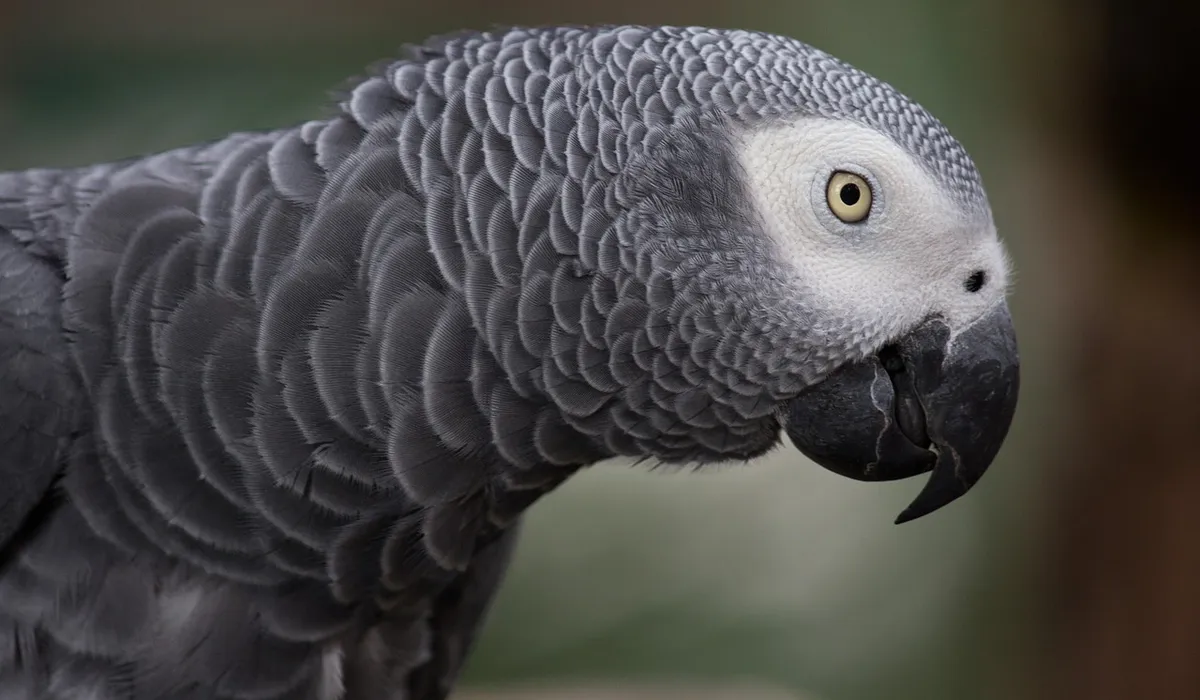
Feeding an African Grey is a daily commitment, and the grocery bill reflects that. My bird Sage taught me that a varied diet is non-negotiable for their mental and physical health.
Your Parrot’s Grocery List
- High-Quality Pellets: The staple of their diet. Expect to spend $25-$40 per month on a reputable brand.
- Fresh Produce: Daily servings of veggies like kale, carrots, and sweet potato, plus fruits like berries and apple. This adds roughly $30-$50 to your monthly bill.
- Healthy Treats: Nuts, seeds, and foraging treats for enrichment. Budget around $10-$15 monthly.
Recurring Supply Replacements
Parrots are intelligent and destructive; they need constant mental stimulation. Replacing destroyed toys is a predictable and necessary cost of parrot ownership. There are hidden costs to plan for, including veterinary care and emergency expenses. Budgeting for these needs, along with toys, helps keep your parrot healthy and happy.
- Toys: Plan to rotate and replace a few toys each month. This can cost $20-$40.
- Cage Bedding/Liners: Disposable cage liners or safe bedding materials run about $10-$15 per month.
- Miscellaneous: Cuttlebone, mineral blocks, and spray millet for training add another $5-$10.
Your Estimated Monthly Total
When you add it all up, the recurring cost for food and basic supplies typically falls between $100 and $160. Setting aside $150 a month gives you a comfortable buffer for those weeks you splurge on organic blueberries or a particularly fancy new toy.
Veterinary and Health Care: Routine Check-ups and Emergencies
An avian vet is your parrot’s most important partner besides you. I never skip Sage’s annual check-up; it’s the best way to catch small issues before they become big, expensive problems. In this preventative care guide, annual vet visits are emphasized as essential for preventing problems and keeping your parrot healthy. Learn what to expect at exams and how to prepare for them.
Standard Veterinary Costs
- Annual Well-Bird Exam: A thorough check-up, including weight monitoring and basic health screening, usually costs $75-$150.
- Grooming: Wing clipping and nail trimming, if you don’t do it yourself, can cost $25-$50 per session a few times a year.
- Diagnostic Tests: Fecal exams and basic blood work can add $100-$200 to your annual vet visit.
Planning for the Unexpected
Birds are masters at hiding illness, so when they show symptoms, it can be serious. An emergency vet visit for something like an infection or injury can easily cost $500-$1,000 or more overnight.
- Pet Insurance: Monthly premiums for a good avian policy range from $15-$30. This can save you thousands in an emergency.
- Emergency Fund: If you forgo insurance, I strongly recommend a dedicated savings fund with at least $2,000 set aside specifically for your parrot.
The Value of Preventive Care
Providing a clean environment, a balanced diet, and plenty of exercise is your first line of defense. Investing in high-quality food and regular vet visits is far cheaper than treating a nutrition-related disease or a severe infection later on. A healthy parrot is a joy; a sick one is a heartache and a financial strain. Learn more about common parrot health concerns to understand why preventive care is so important.
Budgeting Tips for Smart and Sustainable Parrot Ownership
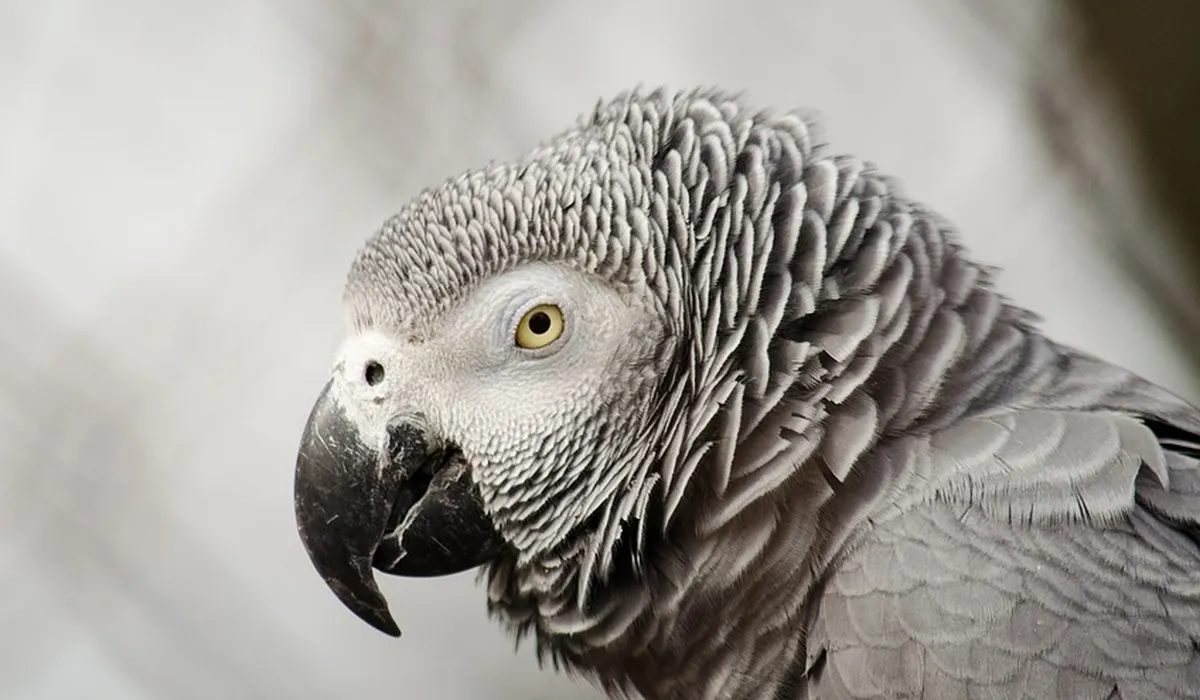
Smart budgeting lets you enjoy parrot ownership without breaking the bank. From my years with Sage, my African Grey, I’ve found that a little planning goes a long way in keeping costs manageable while ensuring top-notch care. In this guide, I break down the full cost of parrot ownership—from purchase to lifelong care. You’ll see where costs come from, how to budget, and tips to keep care affordable.
Start by tracking every expense in a simple notebook or app. I jot down everything from vet visits to toy replacements, which helps me spot patterns and avoid overspending.
- For DIY toys, use safe household items like cardboard tubes, untreated wood blocks, or old baby keys. Creating puzzles with hidden treats keeps Sage engaged and saves money on store-bought options.
- Shop savvy by buying food and supplies in bulk during sales, and compare prices online. I always check reviews to ensure quality isn’t sacrificed for a lower price.
Save on food by purchasing fresh veggies in season and mixing your own seed blends. With Sage, I buy organic produce locally and avoid wasteful packaging, which cuts costs and supports her health.
Plan for the long haul by setting aside funds for emergencies and routine vet care. Unexpected events, like sudden illnesses, can strain your budget if you’re not prepared.
Total Lifetime Cost: From Purchase to Years of Joy
Owning an African Grey is a lifelong journey that spans decades. Understanding the full financial picture helps you commit responsibly and enjoy every moment with your feathered friend.
Initial expenses include the parrot itself, a sturdy cage, and basic setup. For Sage, this meant an outlay of around $2,000, covering her adoption fee and a spacious, safe enclosure. To answer ‘how much does a parrot cost’ in full, a complete initial purchase price guide breaks down species-specific prices and essential gear. It can help you budget adoption fees, cages, toys, and basic veterinary needs for the first year.
- Monthly costs average $50 to $100 for food, toys, and minor supplies. I budget about $75 monthly for Sage’s pellets, fresh fruits, and enrichment items.
- Annual expenses range from $200 to $500 for vet check-ups, insurance, and replacing worn-out gear. Regular health visits are non-negotiable for preventing bigger issues later.
Over a typical 50-year lifespan, the total cost can reach $30,000 or more. This rough estimate highlights the deep commitment, but the daily laughs and bonds make it worth every penny.
Embrace the rewards of responsible ownership, like watching your parrot learn and thrive. Seeing Sage solve puzzles or mimic sounds reminds me why this investment in time and money brings such rich joy.
FAQs
What is the average cost of an African Grey Parrot?
The average cost varies widely based on factors like source and age, ranging from a few hundred to several thousand dollars. It’s crucial to budget for both the initial purchase and long-term care to ensure a responsible commitment.
How much does an African Grey Parrot cost in South Africa?
In South Africa, African Grey Parrots are often more affordable due to their native status and local availability. Prices can be significantly lower compared to imported birds in other regions, making them a cost-effective option for local enthusiasts. This reality ties into our international parrot prices cost guide, which compares prices across the Philippines, Nigeria, and South Africa.
What are the monthly expenses for an African Grey Parrot?
Monthly expenses cover essentials like food, toys, and routine supplies, which require consistent budgeting. Planning for these recurring costs helps maintain your parrot’s health and happiness without financial stress. Specifically budgeting for monthly parrot food costs helps ensure a balanced, nutritious diet. This approach links budgeting to proper nutrition and the parrot’s long-term health.
What should I do if my African Grey Parrot gets lost?
If your African Grey Parrot goes missing, immediately search the area and contact local animal shelters and veterinarians. Use social media and community networks to share details and increase the chances of a safe return. Separation anxiety can trigger distress when you’re gone, so building a calm routine and enrichment can help your bird cope when you’re not home.
Is the African Grey Parrot the most intelligent bird?
African Grey Parrots are widely regarded as one of the most intelligent bird species, capable of complex problem-solving and contextual language use. Their cognitive abilities often compare to those of a young child, making them fascinating companions. When people talk about intelligent parrots, African Greys are frequently cited as leading examples of avian intelligence. Their ability to learn, imitate, and even use context-appropriate dialogue continues to intrigue researchers and bird lovers alike.
Closing the Loop
Owning an African Grey is a serious financial commitment that goes far beyond the initial price tag. Plan for the full picture, from that first purchase to a lifetime of quality food, vet care, and mental enrichment. Setting up a dedicated savings fund for unexpected vet bills is one of the smartest moves you can make for your parrot’s long-term health.
This journey with your bird is a partnership built on care and knowledge. Commit to being a lifelong student of parrot behavior and welfare, as their needs are complex and ever-evolving. Your dedication to learning and providing a loving, stimulating home is the ultimate investment in a happy, healthy companion.
Further Reading & Sources
- How Much Does an African Grey Parrot Cost? 2025 Price Guide | Hepper Pet Resources
- AFRICAN GREY PARROT – Exotic Parrot Pet Store
- r/parrots on Reddit: A african grey costs around $1000 🙁
Suzanne Levine is a dedicated parrot enthusiast and experienced avian caregiver with over 15 years of hands-on experience in parrot care. As the founder of Parrot Care Central, Suzanne is passionate about sharing her knowledge and insights to help fellow parrot owners provide the best possible care for their feathered friends. Her expertise spans nutrition, behavior, health, and enrichment, making her a trusted resource in the parrot care community.
African Grey Parrots