
Australian Parrot Species: Native Birds and Their Traits
With so many vibrant Australian parrot species, it can feel overwhelming to tell them apart or understand which ones might visit your backyard.
I’ve spent years observing these incredible birds, from the chatty Lorikeets at my feeder to the majestic Cockatoos in the wild, and I’m here to help you get to know them better.
We’ll cover the essentials, including:
- Identifying unique species by their colors and calls
- Understanding their behaviors and social habits
- Recognizing their preferred habitats across Australia
By the end, you’ll have a clear picture of these native wonders.
Key species covered: Cockatoos, Lorikeets, Rosellas, Budgerigars, Eclectus Parrots, King Parrots This parrot species identification guide helps answer the question: do different parrots look alike? It highlights distinguishing features to tell species apart, such as size, color patterns, and beak shape.
Discover Australia’s Parrot Diversity
Australia’s landscape hosts an incredible variety of parrot species, each adapted to unique environments from coastal forests to arid interiors. Their vibrant colors and distinct personalities reflect the continent’s ecological richness. I’ve spent years observing these birds both in the wild and through my companions Kiwi, Sunny, and Sage, noting how their natural behaviors translate to home environments.
Spot and Identify Australian Parrot Species
Recognizing Australian parrots involves observing size, coloration, and behavioral patterns. Field identification becomes easier when you know what key features to watch for during encounters. Through my fieldwork, I’ve developed a reliable system for categorizing these magnificent birds.
Small Australian Parrots: Budgerigar and More
These compact parrots pack enormous personality into small frames. Budgerigars remain the most recognizable small Australian parrot worldwide, but they’re just the beginning of this category. Their social nature and adaptability make them excellent companions when provided proper care.
- Budgerigar: Wild type shows green body with yellow head and black scalloping; captive breeding produces blue, white, and yellow varieties
- Bourke’s Parrot: Subtle pink and blue-gray plumage with quiet, gentle disposition
- Turquoise Parrot: Brilliant blue face and wing patches with golden-yellow underparts
- Scaly-breasted Lorikeet: Green feathers with distinctive yellow scaling pattern across chest
From experience with Kiwi, my Green-cheeked Conure (though not Australian), I’ve learned small parrots require just as much enrichment and space as their larger counterparts. Never underestimate the intelligence and emotional capacity of these smaller birds.
Medium Australian Parrots: Cockatiels and Rosellas
This category includes some of Australia’s most visually striking and behaviorally complex parrots. Medium-sized parrots often display the perfect balance of manageable size and impressive cognitive abilities. Their vocalizations and social behaviors fascinate me during outdoor observations.
- Cockatiel: Gray body with yellow head and orange cheek patches; crest position indicates mood
- Eastern Rosella: Red head with white cheeks, yellow and black back with red underparts
- Crimson Rosella: Deep crimson plumage with blue cheek patches and wing markings
- Princess Parrot: Pastel pink and green coloration with long, elegant tail feathers
My sun conure Sunny demonstrates how medium parrots thrive on social interaction. These birds form deep bonds and require consistent mental stimulation to prevent behavioral issues. Rosellas particularly need spacious aviaries to accommodate their active flight patterns.
Large Australian Parrots: Cockatoos and King Parrots
Australia’s large parrots command attention with their impressive size and charismatic presence. These magnificent birds require specialized care and commitment due to their long lifespans and complex needs. When you compare large parrots to small ones, the commitment often scales with size: larger species typically need more space, daily enrichment, and longer-term planning due to their longer lifespans. Small parrots can be more adaptable to smaller living spaces, but still require consistent daily interaction and responsible ownership. Working with rescue organizations has shown me the importance of understanding their requirements before adoption.
- Sulphur-crested Cockatoo: Brilliant white plumage with yellow crest; incredibly loud and destructive if bored
- Galah: Pink and gray coloration; forms massive flocks in wild settings
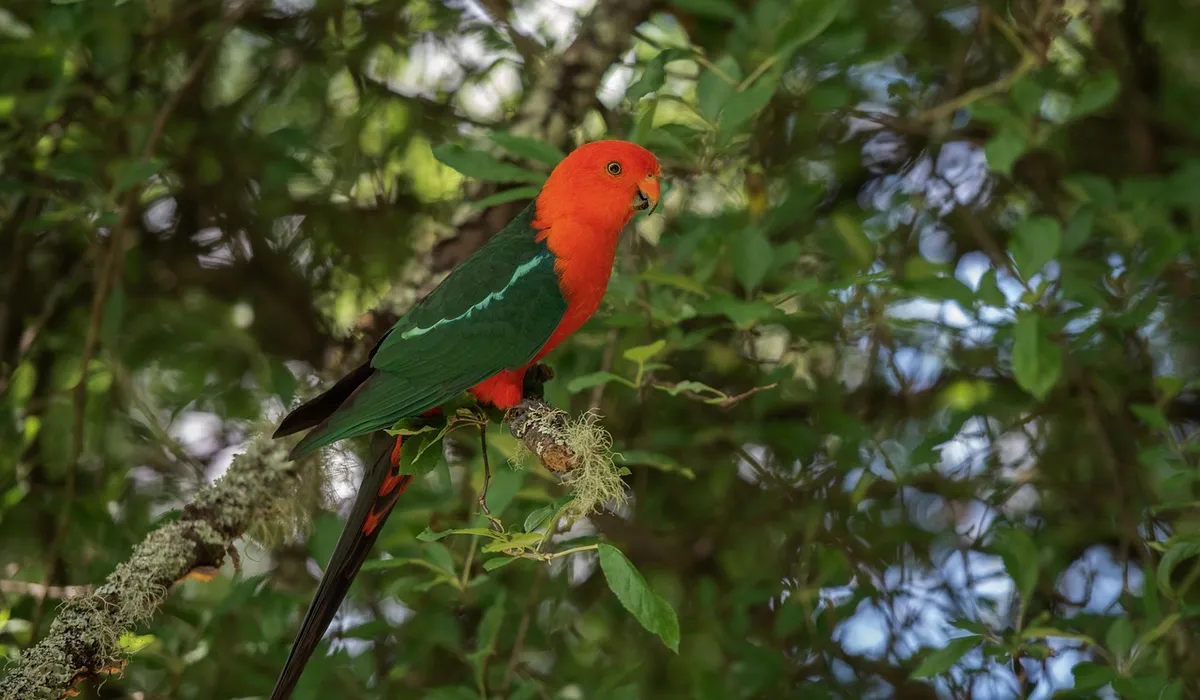
- Australian King Parrot: Males show brilliant red heads and green wings; females green with red belly
- Gang-gang Cockatoo: Males distinctive with red head and crest; females gray with reddish underparts
My African Grey Sage has taught me that large parrots need more than just adequate cage space. Their emotional intelligence demands respectful interaction and environmental enrichment that challenges their problem-solving abilities. Parrots are intelligent beings, and their minds deserve ongoing stimulation. When we recognize this, enrichment becomes as essential as a roomy cage. I’ve seen too many large parrots develop feather-plucking behaviors from insufficient mental stimulation.
Choose the Right Australian Parrot for Your Home
Picking a parrot is like choosing a new family member. Their personality needs to mesh with your lifestyle for a happy, long-term friendship. I’ve shared my home with several parrots, and their individual quirks taught me that one size never fits all. To pick the right parrot for your home lifestyle, assess your daily routine, space, and noise tolerance. That helps you match a bird’s energy and care needs to your life.
Popular Australian Parrot Personalities
Australian parrots offer a stunning range of characters. Here’s a quick look at some fan favorites:
- Cockatiels: The gentle comedians. They whistle, they’re relatively quiet, and they adore head scratches. Perfect for apartments and first-time bird owners.
- Budgerigars (Budgies): Energetic and chatty little acrobats. They can learn a surprising number of words and thrive in pairs or small flocks.
- Eclectus Parrots: The calm intellectuals. Known for their stunning color difference between males and females, they are generally more placid but need a specialized diet rich in fruits and veggies.
- Galahs: The clowns of the parrot world. Playful, affectionate, and incredibly smart, they demand a lot of interaction and mental stimulation to stay out of mischief.
My Green-cheeked Conure, Kiwi, is a tiny bundle of playful curiosity. Living with him means every day is a new adventure, but his smaller size is much more manageable than a larger, louder species. Consider your space, your patience for noise, and the time you can dedicate.
Key Considerations Before You Bring One Home
- Noise Level: Can you handle loud, frequent calls? A Galah’s screech is very different from a Budgie’s cheerful chirping.
- Space Requirements: The cage must be large enough for full wing stretches and plenty of toys. A Cockatiel needs a different footprint than an Eclectus.
- Time Commitment: These are social creatures. You’ll need to spend hours each day interacting with them outside the cage.
- Lifespan: Many Australian parrots live for decades. Bringing one home is a commitment that can span most of your adult life.
Care Basics for Australian Parrot Pets
Proper care is non-negotiable for a healthy, thriving bird. Getting the fundamentals right from day one prevents a world of health and behavior problems later on. I learned this through trial and error, and I want to help you get it right the first time.
Crafting the Perfect Diet
Seed mixes alone are like feeding a child nothing but candy.
- High-Quality Pellets: These should form the base (about 60-70%) of their diet, providing balanced nutrition.
- Fresh Vegetables & Fruits: Offer a colorful chop daily. My birds go crazy for bell peppers, kale, and a bit of apple.
- Healthy Proteins: Offer cooked legumes, eggs, or a small amount of cooked chicken occasionally for variety.
- Always Fresh Water: Change their water at least twice a day to keep it clean and appealing.
Setting Up Their Living Space
Your parrot’s cage is their castle and safe haven.
- Choose the Largest Cage You Can: Bigger is always better. The bar spacing must be appropriate so their head cannot get stuck.
- Load It with Toys: Provide a rotation of foraging toys, shreddable toys, and puzzle toys to combat boredom.
- Offer Multiple Perches: Use different diameters and materials (natural wood, rope) to keep their feet healthy.
- Place it Thoughtfully: Keep the cage in a family area, but away from direct drafts, direct sunlight, and the kitchen (fumes are dangerous).
A bored parrot is a destructive and often unhappy parrot, so enrichment is just as crucial as food and water. I make a point of rotating Kiwi’s toys every week to keep his clever mind engaged and prevent feather-plucking behaviors.
Understanding Your Aussie Parrot’s Behavior and Happiness
Watching your Australian parrot’s daily antics gives you a window into their emotional world. I’ve spent years with species like Budgerigars and Cockatiels, and their behaviors speak volumes about their contentment.
Recognizing happy signs early helps you build a stronger bond. Your parrot’s body language and sounds are their way of communicating joy or needs. In this guide, we’ll tell you the 10 key signs to tell if your parrot is happy. Knowing these signs helps you respond quickly and strengthen your bond.
Common Behaviors in Australian Parrots
Each Aussie species has unique traits that reflect their wild origins. Budgies, for instance, are naturally curious and love exploring new toys in their cage.
- Social chattering: Many, like Galahs, thrive on flock interactions and may call out for attention.
- Playful chewing: Providing safe wood toys satisfies their instinct to gnaw and prevents boredom.
- Head bobbing: In Cockatiels, this often signals excitement or a request for interaction.
I recall my Budgie, Pip, who’d bob his head whenever I entered the room-a clear sign he was eager to play. Understanding these cues lets you respond to their emotional needs promptly.
Spotting Signs of a Happy Parrot
A content Aussie parrot shows it through vibrant actions and sounds. Healthy feathers, bright eyes, and active movement are telltale indicators of well-being.
- Vocal variety: Happy parrots mix chirps, whistles, and mimicry, showing they feel secure.
- Relaxed posture: A bird that preens calmly or sleeps on one foot is likely at ease.
- Engaged play: They’ll investigate toys, forage for food, and interact with you willingly.
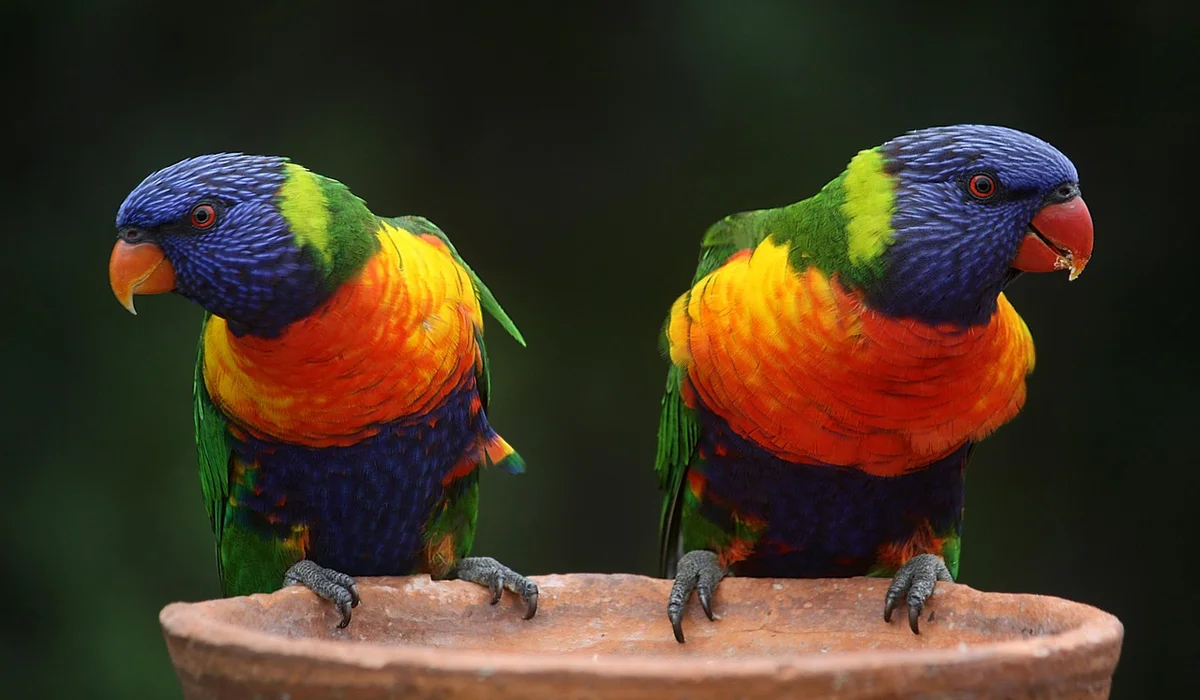
From my experience, a Rainbow Lorikeet’s colorful antics during feeding time often mean they’re in high spirits. Regular observation helps you catch small changes that could signal stress or illness.
Tips to Boost Your Parrot’s Happiness
Creating a stimulating environment is key to their mental health. Enrichment activities mimic their natural habitats and reduce behaviors like feather plucking.
- Rotate toys weekly to keep their environment fresh and engaging.
- Offer foraging opportunities by hiding treats in puzzle feeders.
- Schedule daily out-of-cage time for flight and social interaction.
I always advocate for animal welfare by ensuring parrots have space to express natural behaviors. Simple changes, like adding perches at different heights, can make a huge difference in their daily joy. To support a safe, stimulating indoor flight environment for your parrot, ensure the space is hazard-free and free from drafty windows or open doors. Schedule supervised, short flight sessions to build confidence and physical health.
Addressing Behavioral Challenges
Sometimes, parrots display behaviors that need gentle redirection. Patience and positive reinforcement work better than punishment for issues like excessive screaming. Positive reinforcement training for parrots focuses on rewarding the behaviors you want to see. It makes training a cooperative experience rather than a confrontation.
- Identify triggers: Noise or sudden movements might cause fear-based reactions.
- Provide alternatives: If they chew furniture, give them approved chew toys instead.
- Consult a vet: Rule out health problems that could be affecting their mood.
With my Cockatiel, Sunny, redirecting her nibbling to a cuttlebone helped her stay calm and healthy. Consistent routines and plenty of love often resolve minor issues over time.
FAQs
Are all Australian parrot species suitable as pets?
Not all Australian parrot species adapt well to domestic life due to their specific social and environmental needs. It’s essential to research species like Cockatoos or Lorikeets thoroughly, as they require ample space and mental stimulation to thrive in captivity. This includes understanding housing cage requirements, such as the appropriate cage size for the species. Different species have different space needs, so tailor the cage to the bird’s size and activity level.
Where can I find a reliable Australian parrot species chart?
You can access accurate charts through reputable birding websites or field guides that categorize species by size, color, and habitat. These visual aids help quickly reference key traits for birds like Rosellas or King Parrots without overwhelming detail.
What tools are best for identifying Australian parrot species in the wild?
Mobile apps with image recognition and sound databases can assist in pinpointing species by their unique calls or plumage patterns. Pairing this with regional birding guides enhances accuracy for distinguishing similar-looking parrots like Galahs and Gang-gang Cockatoos.
Why do some Australian parrot species have multiple common names?
Regional variations and historical usage often lead to different names for the same species, such as “Budgerigar” versus “Budgie.” This can cause confusion, so checking scientific names ensures clear communication about specific birds like the Eclectus Parrot.
What are Australian sparrow species, and how do they differ from parrots?
Australian sparrows, like the House Sparrow, are small passerine birds not native to Australia and belong to a different bird family altogether. They lack the curved beaks, zygodactyl feet, and advanced cognitive abilities characteristic of parrot species like Cockatiels or Lorikeets.
Closing the Loop
From my time caring for parrots like Kiwi and Sunny, I’ve found that matching their care to their wild roots makes all the difference. In the wild, parrots forage on a mix of seeds, fruits, greens, and nuts, as described in detail here. Understanding this helps me tailor care to mirror those natural foraging instincts at home. Focus on replicating natural diets with fresh veggies and nuts, and enrich their days with toys and social play to keep their minds sharp and spirits high.
Owning a parrot is a long-term commitment that demands constant attention to their well-being. Stay curious and keep updating your knowledge through trusted resources to ensure your feathered friend lives a happy, healthy life full of chirps and joy. It’s important to set realistic expectations when bringing a parrot into your home.
Further Reading & Sources
- Australian Parrots: Guide to all 57 species of Parrots in Australia
- Australian Parrots – Australia’s Wonderful Birds
- Australian Parrots: Discover All 57 Species – A Complete Guide
Suzanne Levine is a dedicated parrot enthusiast and experienced avian caregiver with over 15 years of hands-on experience in parrot care. As the founder of Parrot Care Central, Suzanne is passionate about sharing her knowledge and insights to help fellow parrot owners provide the best possible care for their feathered friends. Her expertise spans nutrition, behavior, health, and enrichment, making her a trusted resource in the parrot care community.
Nesting