
Preparing Your Home: Essential Setup Checklist for Your New Parrot
Published on: March 28, 2026 | Last Updated: March 28, 2026
Written By: Suzanne Levine
Bringing a new parrot home fills you with joy, but it can stir up worries about getting everything just right. You might feel anxious about whether your space is truly safe, stimulating, and welcoming for your feathered companion.
Drawing from my years with parrots like Kiwi, Sunny, and Sage, I will walk you through the must-haves to ease your mind. Key takeaways include:
- Choosing the right cage and accessories for comfort and play
- Setting up safe zones to prevent accidents and stress
- Stocking up on nutritious foods and engaging toys for mental health
Rest easy-you will receive straightforward, actionable tips based on real-life trials. Topics covered: cage selection, perch placement, diet basics, toy variety, safety checks, bonding steps
Choosing the Ideal Parrot Cage and Spot
Your parrot’s cage is their castle, and getting this foundation right makes all the difference for their happiness and health. I’ve set up cages for my three parrots over the years, and each one taught me something new about creating a perfect home base. For maximum enrichment, I design the setup to encourage foraging, play, and varied perches. A thoughtfully arranged cage keeps them mentally engaged and physically active.
Picking the Perfect Parrot Cage
The right cage feels like a spacious, secure apartment, not a cramped closet. My Green-cheeked Conure, Kiwi, needed a very different setup than my larger African Grey, Sage.
- Cage Types & Materials:
- Stainless Steel: The gold standard. It’s incredibly durable, easy to clean, and non-toxic. It’s a bigger investment upfront but lasts a lifetime.
- Powder-Coated: A very common and affordable option. Ensure the coating is non-toxic and chip-resistant to prevent your parrot from ingesting flakes.
- Play Top Cages: Fantastic for extra out-of-cage play space. My Sun Conure, Sunny, adores his playtop; it’s his favorite lookout spot.
- Bar Spacing & Size:
- Small Parrots (Budgies, Cockatiels, Lovebirds): Bar spacing should be 1/2 inch to 5/8 inch. The cage must be wide enough for short flights.
- Medium Parrots (Conures, Caiques, Senegals): Opt for 5/8 inch to 3/4 inch spacing. Kiwi’s cage is wider than it is tall, which he prefers for hopping and climbing.
- Large Parrots (Greys, Amazons, Macaws): 3/4 inch to 1 inch spacing is ideal. Sage’s cage is enormous, allowing him to fully spread his wings without touching the sides.
A simple rule: Buy the largest cage your space and budget can comfortably accommodate.
Finding the Best Cage Location
Location is everything; it can turn a good cage into a great home. You want your parrot to feel part of the family without being in the middle of the chaos.
- Find a Wall: Place the cage against a wall for a sense of security. Never leave the back exposed; it can make a bird feel vulnerable.
- Avoid Drafts & Direct Sun: Keep the cage away from air conditioning vents, drafty windows, and doors. Direct sunlight through a window can quickly overheat the cage.
- Observe Family Activity: Choose a room with steady, calm activity, like a living room. The kitchen is a definite no-go because of fumes and hazards.
- Lighting & Noise: Good natural light is wonderful, but not glaring direct sun. Avoid placing the cage right next to blaring TVs or speakers.
Must-have cage features are non-negotiable for safety and convenience. Look for multiple doors (especially a large front door), removable grate and trays for easy cleaning, and secure, parrot-proof locks. My curious conures figured out simple slide locks in minutes!
Bird-Proofing Your Home for Safety
Parrot-proofing is like toddler-proofing on expert mode; they can fly and have powerful beaks. Taking these steps before your bird comes home prevents heartache later.
Common Household Dangers to Avoid
What you can’t see can hurt your parrot, so a thorough room-by-room inspection is vital. I learned this the hard way when Kivi decided my favorite houseplant was a snack.
- Toxic Items & Safe Alternatives:
- Plants: Many common houseplants are poisonous. Lilies, philodendron, and poinsettia are big ones. I swapped all mine for safe spider plants and Boston ferns.
- Chemicals: Aerosol sprays, perfumes, scented candles, and non-stick cookware (Teflon) release fumes that can be fatal to birds in minutes. We only use ceramic pans now.
- Small Hazards: Remove or secure anything they can swallow or get tangled in-rubber bands, paper clips, coins, and loose threads.
- Securing the Environment:
- Windows & Doors: Always treat windows as solid walls. Use decals on large panes so birds don’t fly into them. Ensure everyone knows to close doors immediately.
- Electrical Cords: These are irresistible to chew. Use cord covers or conceal them behind furniture to prevent electrocution.
- Water Sources: Keep toilet lids closed and never leave unattended cups of water or other liquids around.
Creating a designated safe-room for initial exploration builds trust and prevents accidents. Start with one thoroughly bird-proofed room where your parrot can safely enjoy out-of-cage time before gradually introducing them to other supervised areas. This approach is laid out in the Building Parrot Safe Bird Room: Complete Design Guide. Following the guide helps you design a safe, enriching space from day one.
Essential Parrot Supplies Checklist
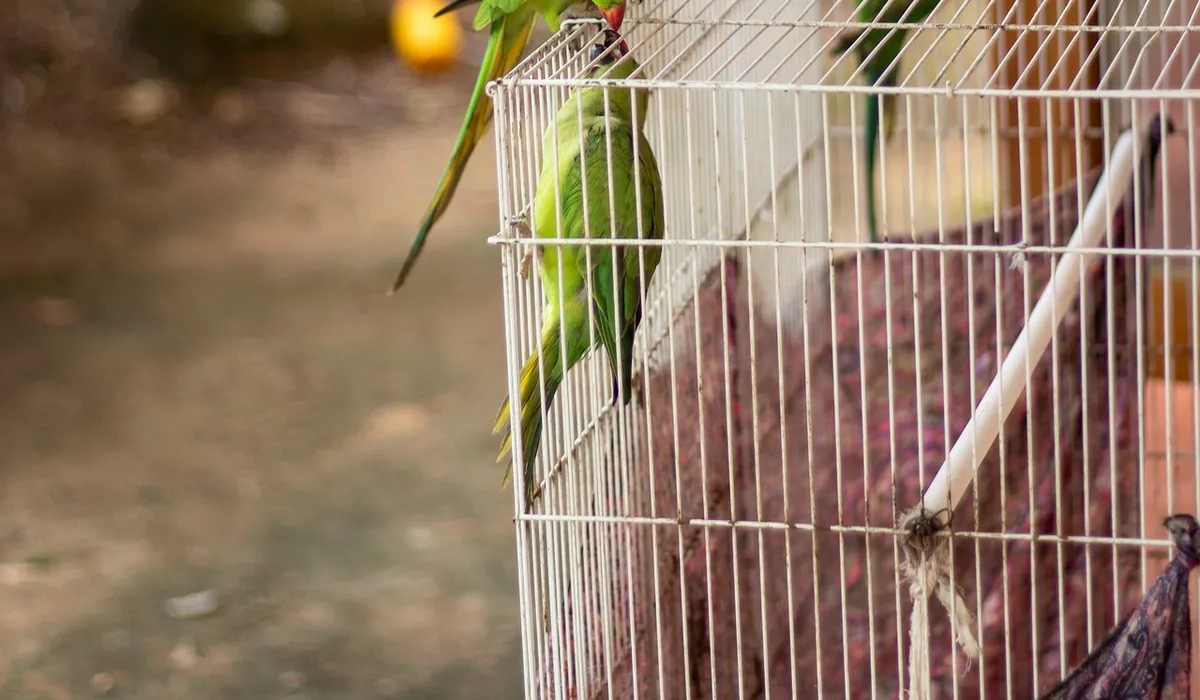
Gathering the right supplies makes your parrot feel at home and keeps them healthy. I always stock up on multiple feeders, varied perches, and a mix of toys to prevent boredom-my conure Kiwi gets restless without new items to explore. Choose stainless steel or ceramic bowls; they’re easy to clean and resist chewing damage.
- Feeders: Hanging dishes, foraging toys, and pellet dispensers encourage natural behaviors.
- Perches: Include natural wood, rope, and cement types to support foot health.
- Toys: Shreddable, puzzle, and noise-making toys provide hours of enrichment.
- Enrichment: Ladders, swings, and mirrors add fun and exercise opportunities.
Pick materials that are non-toxic and durable-avoid anything with loose parts or sharp edges. From my experience, investing in sturdy items saves money and reduces injury risks for curious birds like my Sun Conure Sunny. Set up food and water stations away from perches to minimize contamination.
Must-Have Perches and Toys
Varied perches prevent foot sores and arthritis. I rotate perches weekly for my African Grey Sage, mixing diameters to exercise her feet muscles naturally. Use natural branches like manzanita or dragonwood; they’re safe and mimic wild environments.
- Perch types: Cement for nail filing, rope for comfort, and wooden for grip.
- Toy varieties: Foraging toys hide treats, chew toys satisfy beak urges, and interactive puzzles challenge intelligence.
Toys should be colorful and textured to engage senses. Sunny adores bells and crinkly paper-it keeps her mentally sharp and reduces feather-plucking urges. Always supervise new toys to ensure they’re not a choking hazard.
Food and Water Setup
Place food and water bowls at chest height for easy access. I use locking stainless steel bowls to prevent spills; Kiwi used to toss his around until I switched! Automatic feeders can help with consistency, but manual bowls allow portion control.
- Options: Ceramic bowls for stability, plastic for lightweight use, or automated dispensers for busy schedules.
- Placement tips: Keep away from droppings areas and direct sunlight to maintain freshness.
Clean bowls daily with bird-safe soap to avoid bacteria buildup. Position them near perches but not directly under them to stop food from getting soiled-a simple change that made a huge difference for Sage’s diet.
Setting Up a Healthy Diet Plan
A balanced diet boosts your parrot’s energy and longevity. I start by mixing pellets with familiar seeds, then slowly add chopped veggies—my birds took weeks to accept new flavors, but patience pays off. Introduce one new food at a time to watch for allergies or dislikes. These steps align with general parrot dietary guidelines, which emphasize variety and portion control. Base meals on high-quality pellets, supplemented with fresh vegetables and safe fruits.
- Steps: Offer pellets as 60% of diet, fresh produce as 30%, and treats like millet sparingly.
- Safe treats: Millet sprays, small fruit pieces, and cooked grains provide joy without excess sugar.
- Calcium sources: Cuttlebone or mineral blocks support bone health and beak maintenance.
Avoid avocados, chocolate, and salty foods-they’re toxic. Balance nutrients by including leafy greens for vitamins and nuts for healthy fats, but limit seeds to prevent obesity. Always provide fresh water and change it twice daily.
Building a Balanced Parrot Diet
Aim for 60% high-quality pellets, 30% vegetables, and 10% fruits. I serve dark greens like kale and broccoli to my flock-they’re packed with antioxidants and keep feathers vibrant. Gradually mix new items with favorites; for example, hide a carrot piece in pellet mix to encourage tasting.
- Proportions: Pellets for base nutrition, veggies for fiber, fruits for vitamins.
- Introduction tips: Chop foods finely, offer at the same time daily, and use positive reinforcement like praise.
Rotate foods to prevent boredom. Sunny refused veggies until I presented them in a foraging toy-now she eagerly digs for her greens! Monitor weight and adjust portions if your parrot gains or loses too much.
Essential Supplements and Treats
Supplements fill dietary gaps without overdoing it. I attach a cuttlebone to Sage’s cage; she gnaws on it for calcium and beak exercise, which is vital for her species. Mineral blocks offer extra trace elements, but use them as supplements, not main food sources.
- Healthy snacks: Unsalted nuts, whole grains, or small berry portions reward good behavior.
- Warnings: Overfeeding seeds leads to fatty liver disease, and high-fat items like peanuts should be rare treats.
Treats should make up less than 5% of daily intake. I limit millet to training sessions-it’s a favorite but too much can cause nutritional imbalances in active birds like Kiwi. Always choose organic or washed produce to reduce pesticide exposure.
Establishing a Daily Care and Enrichment Routine

Your parrot thrives on a predictable daily schedule that keeps them engaged and healthy. A consistent routine reduces stress and helps your bird feel secure in their new home. Regular, short training sessions woven into that routine can help address common behavioral issues through positive reinforcement. Keeping training part of the routine makes it feel natural and builds trust between you and your parrot.
- Start each morning with a gentle greeting and fresh food to set a positive tone.
- Spend at least 30 minutes on handling and training sessions to build trust.
- End the day with a calm wind-down period to encourage restful sleep.
Daily care includes quick checks and simple interactions. Lighting and sleep schedules mimic natural cycles, preventing behavioral issues.
- Provide 10-12 hours of darkness for uninterrupted sleep.
- Use full-spectrum lighting during the day to support vitamin D synthesis.
- Wipe down perches and food bowls daily to prevent bacterial growth.
Interactive play keeps boredom at bay and strengthens your bond. Rotate toys weekly to spark curiosity and mental stimulation.
- Offer puzzle feeders that require problem-solving for treats.
- Set up safe foraging areas with hidden snacks to encourage natural behaviors.
- Engage in gentle games like peek-a-boo or fetch using small, bird-safe items.
Creating a Socialization and Training Plan
Socialization starts with patience and positive reinforcement. Positive reinforcement training for parrots uses small, consistent rewards and timing to shape desirable behaviors. Use treats and praise to reward desired behaviors, making learning fun for your parrot.
- Teach basic commands like “step up” onto your hand or a perch.
- Practice recall in a safe, enclosed space to build confidence.
- Avoid forcing interactions; let your bird set the pace to prevent fear.
Building trust takes time, especially with shy or rescued birds. I spent weeks sitting near Kiwi’s cage, talking softly until she felt comfortable approaching me.
- Share quiet moments without demanding attention to show you’re not a threat.
- Gradually introduce handling by offering a finger for stepping up.
- Celebrate small successes to reinforce positive associations.
Maintaining Cleanliness and Health
A clean environment is non-negotiable for your parrot’s well-being. Daily tasks prevent illness and keep your home smelling fresh. See the complete guide on how to clean your parrot’s environment safely. Learn step-by-step cage and perch cleaning to keep your bird healthy.
- Remove uneaten food and soiled bedding every morning.
- Spot-clean droppings from cage bars and play areas throughout the day.
- Change water dishes twice daily to ensure access to clean hydration.
Weekly deep cleans tackle buildup and maintain hygiene. Disinfect cages and toys with bird-safe cleaners to kill germs effectively.
- Scrub perches and trays with vinegar solution to avoid harsh chemicals.
- Wash fabric toys and covers in hot water to eliminate dust and mites.
- Inspect for wear and tear, replacing damaged items to prevent injuries.
Managing poop is part of parrot ownership, but it doesn’t have to be messy. Place newspaper or liners at the cage bottom for easy cleanup and disposal.
- Train your bird to poop on command over a specific area to minimize accidents.
- Keep pet-safe wipes handy for quick wipe-ups during out-of-cage time.
- Monitor droppings for changes in color or consistency, as they can signal health issues.
Preparing for Health and Social Needs
Proactive care ensures your parrot stays happy and healthy for years. Establishing veterinary support early prevents emergencies from becoming crises. Regular annual vet checkups are a key part of a parrot preventative care guide. They help catch issues early and keep vaccines and nutrition on track.
- Research local avian vets with positive reviews and bird-specific expertise.
- Schedule a wellness visit within the first week of bringing your parrot home.
- Keep vaccination and health records organized in a dedicated folder.
Quarantine and emergency kits are lifesavers in unexpected situations. A separate quarantine space protects your bird from potential illnesses during transitions.
- Set up a temporary cage in a quiet room away from other pets.
- Stock a first-aid kit with gauze, styptic powder, and a carrier for quick transport.
- Maintain a list of emergency contacts, including your vet and a 24-hour clinic.
Introducing your parrot to family and pets requires a gradual approach. Slow, supervised interactions build positive relationships without overwhelming your bird.
- Allow your parrot to observe from a distance before closer contact.
- Use treats to create positive associations with new people or animals.
- Watch for stress signs like feather puffing or vocalizations, and pause if needed.
Veterinary Care and Emergency Prep
Finding the right vet involves asking key questions to ensure quality care. Inquire about their experience with parrot species and emergency protocols during your first visit especially for avian care.
- Ask about diet recommendations tailored to your bird’s age and breed.
- Discuss common health issues in parrots, such as respiratory infections or feather plucking.
- Request guidance on weight monitoring and annual check-up schedules.
Essential first-aid items prepare you for minor injuries or sudden illnesses. Keep a stocked kit in an accessible spot, and practice using it calmly.
- Include items like tweezers for removing splinters, and a heating pad for warmth.
- Add a bird-safe antiseptic for cleaning wounds and a digital thermometer.
- Store your vet’s phone number and directions in the kit for quick reference.
Regular health monitoring catches problems early, saving you stress and cost. I check Sage’s weight weekly and note any behavior changes to share with our vet.
- Weigh your parrot at the same time each week to track consistency.
- Observe eating, drinking, and activity levels daily for deviations.
- Schedule bi-annual exams to detect issues like malnutrition or parasites.
Social Integration and Support
Slow introductions help your parrot adjust to new environments and companions. Give your bird time to explore at their own pace, reducing anxiety and fear.
- Start with short, supervised sessions where family members sit quietly nearby.
- Use positive reinforcement with treats when your parrot shows calm behavior.
- Avoid loud noises or sudden movements that could startle your feathered friend.
Connecting with other parrot owners provides invaluable advice and emotional support. Joining online forums or local groups lets you share tips and celebrate milestones.
- Look for communities focused on your parrot’s species for tailored guidance.
- Attend virtual meetups to discuss challenges like diet changes or training hurdles.
- Exchange stories and photos to build camaraderie and learn from others’ experiences.
FAQs
How do I introduce my parrot to its new cage for the first time?
Start by placing the cage in a quiet area and add familiar items like treats or toys to create positive associations. Allow your parrot to explore the cage at their own pace without forcing them inside to reduce stress. These stress-free techniques can help you get your parrot back to its cage calmly. With time and patience, your bird will view the cage as a safe home.
What are the signs that my parrot is stressed in its new environment?
Look for behaviors like excessive feather plucking, loss of appetite, or loud, persistent vocalizations. These can indicate discomfort, so adjust the setup by reducing noise or providing more hiding spots to help them settle.
How can I make sure my home is safe when I’m not supervising my parrot?
Always return your parrot to its secure cage with locked doors before leaving the room. Remove any potential hazards like loose wires or toxic plants from areas they can access to prevent accidents. These are essential steps to parrot-proof a room for safe flight. With the space prepared, your bird can enjoy exploring and flying more safely.
In Closing
Getting your home ready for a parrot means focusing on safety, enrichment, and comfort-like choosing a spacious cage, adding varied perches and toys, and setting up a balanced diet area. From my time with Kiwi, my playful Green-cheeked Conure, I’ve seen how a thoughtful setup reduces stress and sparks natural behaviors right away.
Parrot ownership is a joyful journey that demands responsibility and a willingness to grow alongside your bird. I regularly update my knowledge for Sage, my African Grey, to ensure her environment stays engaging and healthy over the years.
Further Reading & Sources
- Installation | ParrotOS Documentation
- How to Get Started with Parrot OS in 2025 ? A Beginner’s Step-by-Step Guide to Installation, Setup, and Essential Tools – Web Asha Technologies
- How to Install Parrot OS [Step by Step Guide]
Suzanne Levine is a dedicated parrot enthusiast and experienced avian caregiver with over 15 years of hands-on experience in parrot care. As the founder of Parrot Care Central, Suzanne is passionate about sharing her knowledge and insights to help fellow parrot owners provide the best possible care for their feathered friends. Her expertise spans nutrition, behavior, health, and enrichment, making her a trusted resource in the parrot care community.
Bird-proofing Your Home