International Parrot Prices: Cost Guide for Philippines, Nigeria & South Africa
Published on: March 24, 2026 | Last Updated: March 24, 2026
Written By: Suzanne Levine
Dreaming of a feathered friend but stressed about the price tag in different countries? I get it-when I brought home my Green-cheeked Conure, Kiwi, I faced similar worries about costs and ethical sourcing.
Let me help you navigate this with clear, experience-based insights. Here are the key takeaways you’ll gain:
- Real price ranges for popular parrot species in each country
- Factors like age and rarity that spike or drop costs
- Smart tips for ethical buying that protect bird welfare
You’ll walk away with actionable advice. We dive into: species costs, regional price drivers, legal must-knows, and care savings.
Your Quick Guide to Parrot Price Ranges
Getting a clear picture of parrot costs feels like untangling a ball of yarn with your beak—it can get messy. Prices swing wildly based on species rarity, age, and whether the bird was bred locally or flown in from another country. My own Green-cheek, Kiwi, was a local find, which saved me a bundle compared to an imported bird. This contrast is exactly why the cheapest vs most expensive parrots complete price comparison guide exists, to map out price ranges and the value drivers behind them. It helps you spot bargains and understand why some parrots command premium prices.
To make sense of it all, let’s break down the numbers you’re likely to encounter.
- Budget-Friendly Companions (₱1,500 – ₱8,000 / $30 – $150 USD): This is where you’ll find common lovebirds, budgies, and cockatiels. They are fantastic starter birds, full of personality without a staggering price tag.
- Mid-Range Personalities (₱15,000 – ₱60,000 / $270 – $1,070 USD): This bracket includes popular conures (like my playful Kiwi), Indian Ringnecks, and some smaller Amazon species. You’re paying for more complex behaviors and often, more vibrant colors.
- Premium & Rare Avians (₱100,000+ / $1,780+ USD): Enter the world of large macaws, stunning Eclectus parrots, and the famously intelligent African Greys like my friend Sage. Their price reflects their long lifespans, specialized care needs, and often, their conservation status.
Philippines Parrot Price Breakdown
The Philippine parrot market is a vibrant mix of local breeders and international imports. I’ve spent years chatting with breeders here, and the local community is incredibly passionate about ethical aviculture. Always prioritize sellers who can provide clear information on a bird’s origin and health history.
Popular Parrot Species and Their Costs
Here’s a snapshot of what you can expect to pay for some of the most sought-after parrots in the Philippines. These prices are for hand-fed, weaned babies, which I always recommend for a tamper pet. Unlike regular pet parrots, these talking parrot species are a bit more expensive.
| Parrot Species | Typical Price Range (PHP) | Personality & Notes |
|---|---|---|
| Green-cheeked Conure | ₱12,000 – ₱25,000 | Playful clowns, great for apartments. My Kiwi cost ₱18,000. |
| Sun Conure | ₱25,000 – ₱45,000 | Incredibly social but very loud. Their vibrant yellow color demands a premium. |
| African Grey Parrot | ₱80,000 – ₱150,000+ | Einstein-level smart. Price varies heavily with lineage and talking ability. |
| Blue and Gold Macaw | ₱120,000 – ₱250,000+ | A majestic, long-term commitment. Requires immense space and dedicated socialization. |
Imported vs Local Parrot Expenses
This is the single biggest factor that will impact your budget. Choosing a locally bred bird is almost always kinder to your wallet and supports the local aviculture community. I’ve seen too many people get starry-eyed over an imported bird without realizing the full financial picture.
- Local Breeders:
- Lower Initial Cost: You avoid international shipping, complex permits, and import taxes.
- Health Advantages: The bird is already acclimated to the Philippine climate and local pathogens.
- Transparency: You can often visit the aviary, meet the parent birds, and build a relationship with the breeder.
- Imported Birds:
- Sky-High Price Tag: The base price of the bird can double or triple once shipping, CITES permits, and quarantine fees are added.
- Stress on the Bird: The journey is long and terrifying for any creature. This can lead to health and behavioral issues that surface later.
- Legal Hassles: Navigating the paperwork for importing a live animal is a labyrinth. One missing document can derail the entire process.
Unless you are seeking a specific, rare color mutation unavailable locally, a Philippine-bred parrot is the wiser, more compassionate choice for both your finances and the bird’s well-being. For guidance on which parrots are most commonly available for adoption, check out our species-specific guide before making a decision.
Nigeria Parrot Cost Insights
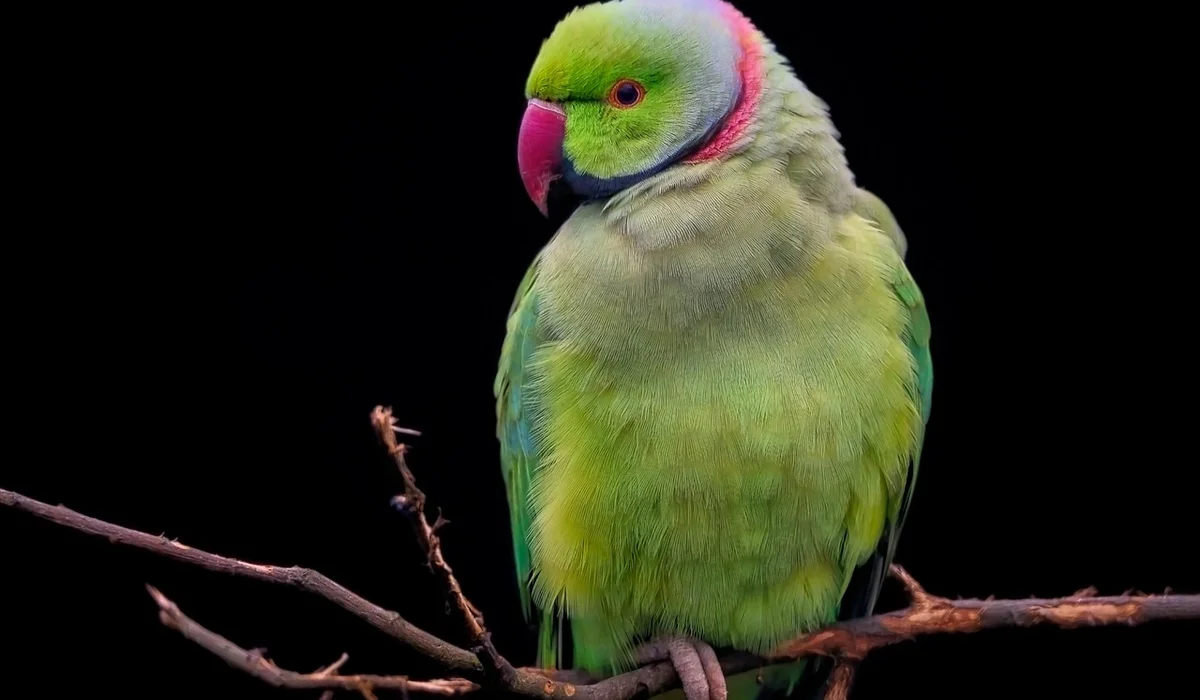
Buying a Talking Parrot in Nigeria
In Nigeria, the African Grey Parrot is the superstar when you want a feathered friend who chats. My own African Grey, Sage, started mimicking my laugh after just a few months, and now he’s a constant, witty companion in my home. These parrots are highly prized for their incredible intelligence and clear speech, which directly influences their price. Parrots are among the most intelligent birds, celebrated for problem-solving and rapid learning. This intellect is a big reason African Greys are so highly prized.
Expect to budget significantly for a healthy, young African Grey.
- African Grey Parrot (young, untrained): ₦70,000 – ₦120,000
- African Grey Parrot (talking, trained): ₦150,000 – ₦250,000+
- Senegal Parrot: ₦25,000 – ₦50,000
- Lovebirds: ₦8,000 – ₦20,000
Always ask the seller to demonstrate the parrot’s talking ability before you commit. A parrot that talks on cue is often a sign of a well-socialized and healthier bird, which is worth the extra investment. I always spend time watching how a parrot interacts with its current owner; that bond tells you everything about its potential. If you’re hoping to teach your parrot to talk on cue, that capability really means you can build reliable daily communication. It signals not just vocabulary, but a willingness to engage and learn.
Be a smart buyer. Insist on seeing the bird’s living conditions and ask for any available health records. Supporting sellers who prioritize animal welfare ensures you bring home a parrot that is both physically and mentally sound.
South Africa Parrot Expense Overview
Budget-Friendly Parrot Options
South Africa offers a wonderful mix of local and exotic parrots, making bird ownership accessible at different price points. You don’t need a massive budget to experience the joy of a parrot; my first bird was a vibrant, chatty budget-species that filled my life with color and song. The key is knowing where to look and which species fit your finances.
Here are some fantastic, more affordable parrot choices commonly found in South Africa.
- African Ringneck Parakeet: R800 – R1,500
- Lovebirds: R400 – R900
- Cockatiels: R350 – R700
- Budgett’s Parrot (a local gem): R1,200 – R2,000
Look beyond pet stores for the best deals and the most rewarding experiences. Local bird breeders and avian sanctuaries are treasure troves for finding healthy parrots that need a loving home, often at a fraction of the retail cost. I’ve found that birds from rescues have so much love to give. So which path is right—adoption or buying? Adoption gives a home to a bird in need, while buying can help you bring home a specific breed or age you’re after.
Remember, the initial purchase is just one part of the cost. Planning for a proper cage, quality food, and potential vet bills from the start is the true secret to affordable and responsible parrot ownership. This guide offers a complete parrot ownership cost breakdown—from purchase through lifelong care—so you can budget with confidence. A healthy, happy parrot is a priceless companion, no matter the initial price tag.
Parrot Species Price Comparison Across Regions
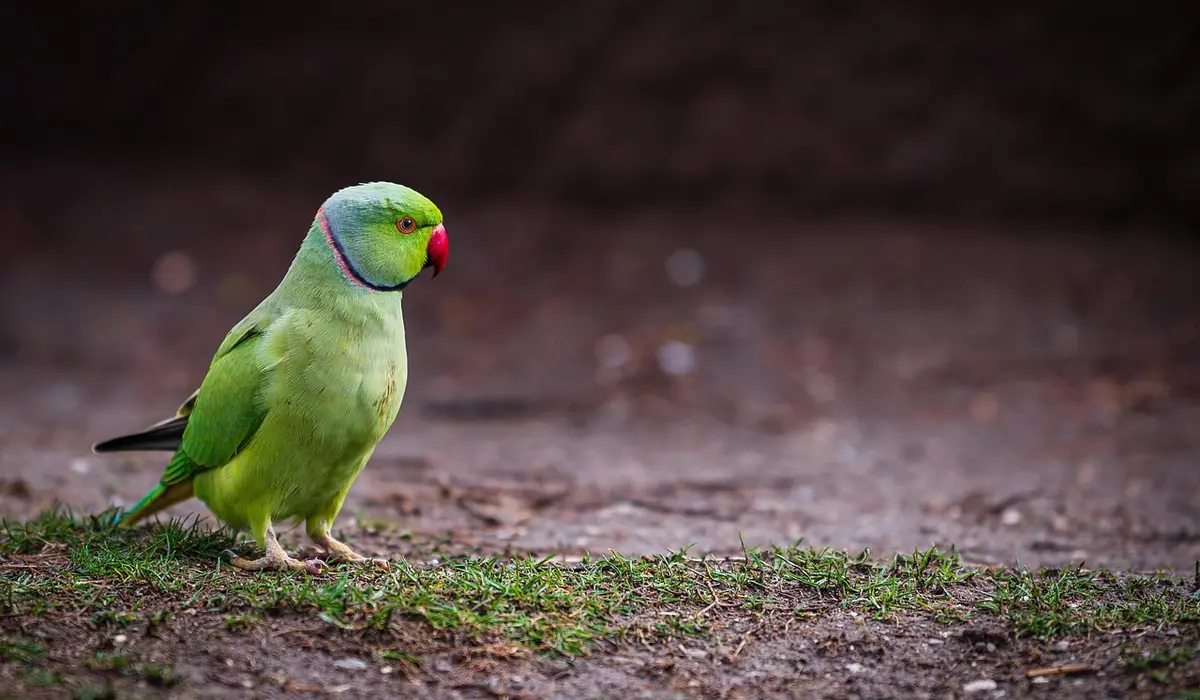
Large vs Small Parrot Costs
You’ll notice a massive price jump between smaller species like conures and larger parrots such as macaws or cockatoos. This price difference isn’t just about size-it reflects lifespan, talking ability, and rarity in each local market. I’ve seen friends in the Philippines pay three times more for an African Grey than I did for my Green-cheeked Conure, Kiwi.
| Species Type | Philippines (PHP) | Nigeria (NGN) | South Africa (ZAR) |
|---|---|---|---|
| Small Parrots (Lovebirds, Budgies) | 1,500 – 4,000 PHP | 15,000 – 30,000 NGN | 600 – 1,500 ZAR |
| Medium Parrots (Conures, Caiques) | 8,000 – 25,000 PHP | 70,000 – 150,000 NGN | 3,000 – 8,000 ZAR |
| Large Parrots (Macaws, Cockatoos) | 50,000 – 200,000+ PHP | 300,000 – 800,000+ NGN | 15,000 – 60,000+ ZAR |
Local breeding success heavily influences these numbers. South Africa often has lower prices for larger species due to established breeding programs, while Nigeria sees higher costs for imported birds. My Sun Conure, Sunny, was surprisingly affordable in South Africa compared to Philippine prices.
Beyond the Purchase: Hidden Parrot Ownership Costs
Import and Quarantine Fees
Many new owners forget that the bird’s price tag is just the beginning. Import and quarantine fees can easily double your initial investment if you’re bringing a parrot across borders. I learned this the hard way when researching international adoption.
- Philippines: 30-60 day quarantine at 500-1,000 PHP per day plus import permits
- Nigeria: Mandatory 45-day quarantine with fees ranging 80,000-150,000 NGN
- South Africa: Strict 90-day quarantine at registered facilities costing 8,000-15,000 ZAR monthly
These fees protect local bird populations but hit your wallet hard. Always verify quarantine facility standards-I’ve visited some that made me question animal welfare practices. Proper documentation and health certificates add another 20-30% to these base costs.
FAQs
What is the typical price range for beginner-friendly parrots in the Philippines?
Beginner-friendly parrots like lovebirds and budgies usually cost between ₱1,500 and ₱8,000. These species are affordable and easier to care for, making them ideal for first-time owners. If you’re wondering how much a parrot costs, here’s a complete initial purchase price guide. It covers the bird itself plus essential starter items like a cage, food, and care supplies.
How can I verify if a parrot is healthy before purchasing in the Philippines?
Look for clear eyes, smooth feathers, and active behavior as signs of good health. Always ask the seller for recent health records and observe the bird’s interaction with its environment.
What are the ongoing costs of owning a parrot in the Philippines?
Ongoing expenses include high-quality pellets, fresh fruits, and vegetables, which can cost ₱1,000 to ₱3,000 monthly. Regular vet check-ups and cage maintenance add to the long-term financial commitment.
Are there any legal permits required for owning certain parrot species in the Philippines?
Yes, some species may require CITES permits or local wildlife certificates to ensure legal ownership. Always check with the Department of Environment and Natural Resources to avoid penalties.
What factors cause price variations among parrots in the Philippines?
Prices differ due to species rarity, age, and color mutations, with rare variants commanding higher prices. The bird’s origin, whether locally bred or imported, also significantly affects the cost.
Wrapping It Up
When buying a parrot, always research local prices in the Philippines, Nigeria, and South Africa, as costs vary widely based on species, age, and breeder reputation. From my years with Kiwi and Sunny, I’ve learned that upfront expenses are just the start-factor in ongoing care like vet visits and quality food to avoid surprises. Small parrots, such as budgies or lovebirds, usually have lower upfront costs and simpler care needs, which helps first-time owners manage a budget. They can be a practical stepping stone before considering larger parrots. Look for ethical sellers who prioritize bird health over profit, ensuring your new feathered friend comes from a safe environment.
Owning a parrot is a long-term commitment that demands daily interaction and proper housing to keep them happy and healthy. I’ve seen Sage thrive through continuous learning, so join local bird clubs or online forums to share tips and stay updated on best practices in pet parrot care. A complete guide to the most common parrot health concerns can help you recognize early signs and seek timely care. It complements community tips and professional care as you build a lifelong care plan. Always put your parrot’s welfare first, making informed choices that support their well-being for years to come.
Further Reading & Sources
- How Much Does a Parrot Cost? 2025 Price Guide | PangoVet
- How Much Does It Cost to Get a Parrot? 2025 Price Guide | Hepper Pet Resources
- Pricing Guide | Discover Fair Rates – Arizona Parrots
Suzanne Levine is a dedicated parrot enthusiast and experienced avian caregiver with over 15 years of hands-on experience in parrot care. As the founder of Parrot Care Central, Suzanne is passionate about sharing her knowledge and insights to help fellow parrot owners provide the best possible care for their feathered friends. Her expertise spans nutrition, behavior, health, and enrichment, making her a trusted resource in the parrot care community.
Finding a Parrot