
Best Harnesses and Leashes for Safe Parrot Outdoor Adventures
Published on: March 21, 2026 | Last Updated: March 21, 2026
Written By: Suzanne Levine
Taking your parrot outside feels amazing, but that fear of them flying away or getting hurt can ruin the fun fast. I’ve been there with my own birds-Kiwi, Sunny, and Sage-and finding the right gear made all the difference for our outings.
I’ll help you pick the perfect setup by breaking down three key points:
- Safety features that prevent escapes and injuries
- Comfort and fit to keep your bird stress-free
- Durability and ease of use for hassle-free walks
You’ll get straightforward advice to make informed choices. Topics covered include: harness types, leash materials, proper fitting steps, training tips, and top product recommendations.
Why Your Parrot Needs a Harness for Outdoor Adventures
Supervised outdoor time gives your parrot a sensory feast of fresh air, natural sunlight for vitamin D, and new sounds that stimulate their intelligent minds. This enrichment directly reduces feather plucking and cage-bound boredom I’ve seen in my own flock. On days when outdoor time isn’t possible, you can recreate that stimulation indoors. Create a safe, stimulating indoor flight environment for your parrot with open space, varied perches, and engaging toys, always under supervision.
Letting a parrot fly free, even with clipped wings, is a massive gamble with their life. A sudden gust of wind, a loud noise, or their own curiosity can carry them away in seconds. That debate often centers on safe clipping, its pros and cons, and practical alternatives like harnesses, supervised outdoor time, or secured aviaries. Restraint isn’t about control; it’s about providing a safe connection to a world they desperately want to explore.
My green-cheeked conure, Kiwi, once got spooked on my shoulder and launched towards a tree before I could react. Without a harness, I would have lost him forever. Conversely, my African Grey, Sage, now confidently walks with me in the park, his harness giving him the courage to experience grass under his feet for the first time.
The outdoors is full of hidden dangers for an unprotected bird.
- Predators: Hawks, cats, and even larger birds see your parrot as prey.
- Weather: Sun can cause heatstroke, and a sudden rainstorm can lead to chilling.
- Toxic Plants: Many common garden plants are poisonous if nibbled.
- Getting Lost: A panicked bird will fly until exhausted, unable to find home.
- Other Pets: Off-leash dogs pose an immediate and unpredictable threat.
Types of Parrot Harnesses: Finding the Right Fit
You’ll typically encounter three main harness styles, each with a different approach to securing your bird.
The step-in harness is like a little birdie vest, where your parrot places each foot through an opening. It’s often the most secure for smaller, active birds like my conures who might try to wiggle out.
A figure-eight harness uses a single loop of material that forms a “figure 8” around the wings and body. These can be quicker to put on a cooperative, larger bird but require a perfect fit to prevent escape.
Adjustable harnesses are the gold standard, allowing you to fine-tune the neck and body loops for a snug, safe, and comfortable fit. This is what I use for Sage, as his comfort level changes day by day.
Choosing the right type depends heavily on your parrot’s size and temperament.
- For small birds like budgies and cockatiels, a lightweight, step-in style is often safest.
- Medium parrots like conures and caiques do well with either a secure step-in or an adjustable vest.
- Large parrots like macaws and cockatoos need a robust, fully adjustable harness to handle their strength.
Always measure your parrot’s neck and chest girth before buying, as “small/medium/large” labels vary wildly between brands.
The material is non-negotiable. Look for soft, durable nylon or neoprene that won’t chafe delicate skin. Most importantly, the harness must allow full, unrestricted movement of the wings and legs. If your bird can’t move naturally, the harness is a failure.
Essential Features of a Safe and Comfortable Harness
After years of harness trials with my own flock, I’ve learned that not all gear is created equal. There are parrot cage myths—eight misconceptions that compromise safety and comfort. By knowing these, you can spot issues before they affect your bird. Your parrot’s safety and comfort are non-negotiable, so scrutinize these features before buying.
- Must-have safety elements include a quick-release clasp and a breakaway design. The quick-release lets you free your bird instantly if they get tangled. A breakaway section is your backup plan-it snaps under extreme pressure, preventing injury if your parrot panics and flies hard against the leash.
- To check for a secure fit and avoid chafing, run your finger under the straps. You should be able to slip one finger underneath easily, but no more. Watch for any redness on their skin after use. I always check Kiwi’s chest and wings after our first few outings with a new harness to ensure nothing rubs.
- For durability and ease of cleaning, look for reinforced stitching and machine-washable materials. Parrots are clever chewers, so double-stitched seams are a lifesaver. A harness you can toss in the washing machine makes cleanup after a messy outdoor adventure simple and hygienic.
- Sun protection features are a fantastic bonus for brightly colored birds like my Sun Conure, Sunny. Some harnesses are made from UV-blocking fabric, which helps shield your feathered friend from harsh rays during longer outdoor visits.
Step-by-Step Guide to Harness Training Your Parrot
Training takes patience, but the reward of safe outdoor exploration is incredible. Go at your parrot’s pace and celebrate every tiny success. In this beginner’s guide to target training, the foundational skill is teaching your parrot to touch a target. Mastering this cue builds focus, confidence, and a reliable way to guide future training.
- Start with harness acclimation indoors. Simply leave the harness near your bird’s cage for a few days. Let them see it, investigate it, and realize it’s not a threat. I did this with my African Grey, Sage, and it made a world of difference in reducing his initial suspicion.
- Progress to leash attachment and short sessions. Once your parrot is comfortable, gently put the harness on without fastening it. Then, attach the leash for just a minute or two while offering their favorite treat. Keep these sessions incredibly brief and positive.
- Practice outdoor exposure gradually. Begin in a completely enclosed space like a screened porch. Then, move to a quiet, familiar backyard for just five minutes. The goal is to build confidence without overwhelming them.
- Share positive reinforcement techniques. High-value treats, like a piece of pine nut or millet spray, are your best tool. Reward any calm behavior near or in the harness. Verbal praise and head scratches also work wonders for social birds.
- Address common training challenges. If your parrot freezes or tries to bite the harness, don’t force it. Just end the session and try again later. Some birds take weeks to accept the harness, and that’s perfectly normal. Consistency and a calm demeanor are key.
Outdoor Safety Tips for Harnessed Parrot Outings
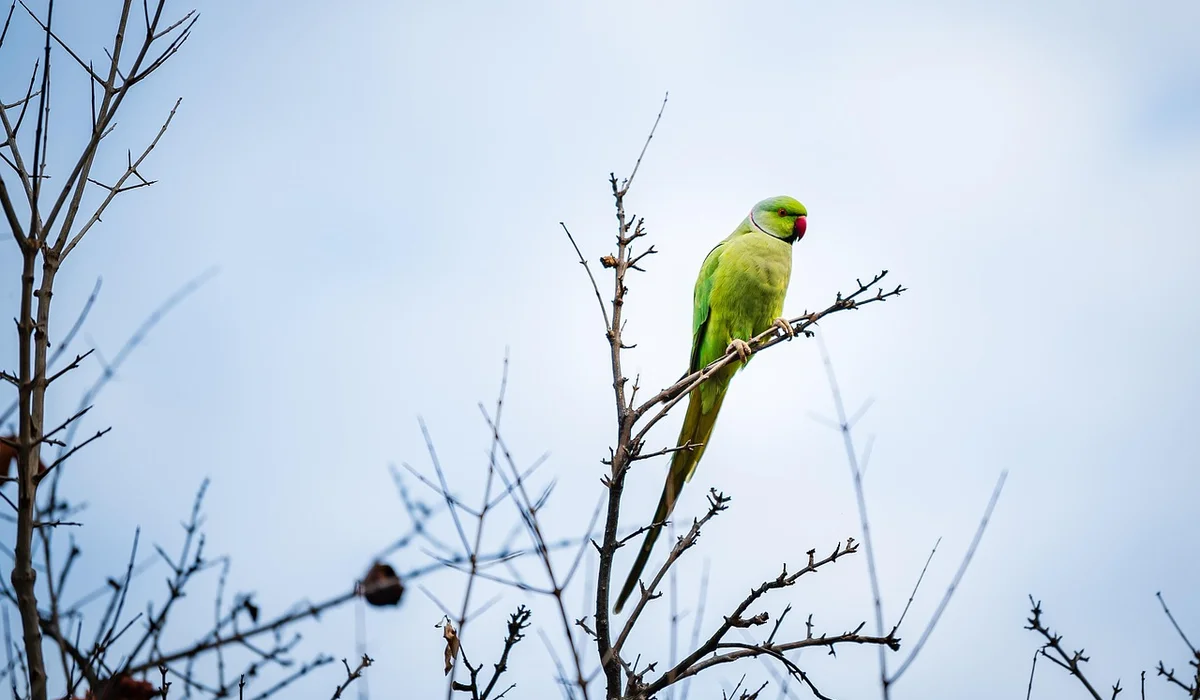
Taking your parrot outside requires careful planning to keep them safe and happy. Always check the weather forecast before heading out, as sudden changes can stress your bird. I learned this the hard way with Sunny, my Sun Conure, when a quick rain shower sent us scrambling for cover – he was shivering and needed extra cuddles to calm down. To safely take your parrot outside, use a well-fitted harness and leash and choose a quiet, safe spot. Always supervise and be ready to bring them back indoors if they seem stressed or uncomfortable.
- Weather precautions: Avoid extreme heat, cold, or strong winds; parrots like Kiwi, my Green-cheeked Conure, can overheat easily in direct sun.
- Predator awareness: Watch for birds of prey, cats, or dogs; I once spotted a hawk circling overhead and quickly brought Sage, my African Grey, inside to avoid a scare.
- Environment choices: Pick quiet, familiar spots away from loud noises or busy streets to reduce stress.
Constant supervision is non-negotiable when your parrot is harnessed outdoors. You must keep your eyes on your bird at all times to react quickly to any dangers. With playful parrots like Kiwi, who loves to explore, I never let him out of sight—even a moment’s distraction could lead to a tangled leash or worse. Station training—teaching your parrot to stay in one place—can make outdoor time safer and easier, especially when you need to check gear or respond quickly. This approach helps you set a clear expectation for where your bird should be while you supervise.
If a harness isn’t working for your parrot, consider safe alternatives. Travel cages or enclosed playpens allow outdoor time without the risk of escape. When Sage was hesitant about harnesses, I used a small carrier for short outings, and he gradually grew more comfortable with the experience. These are essential steps to traveling with your parrot. Planning ahead—secure transport, gradual acclimation, and safety checks—helps make trips smoother and safer.
Sharing a personal success, I recall how Sunny’s first harness outing went smoothly because I practiced indoors first. Building trust through gradual exposure made all the difference in his confidence. Always prioritize your parrot’s comfort over forcing an adventure.
Troubleshooting Common Harness Issues
Many parrots resist harnesses at first, but patience and positive reinforcement can help. Start with short, indoor sessions using treats and praise to create a positive association. Kiwi used to squirm away, but after weeks of gentle practice, he now sees the harness as a fun prelude to outside time. Harnesses are best for supervised outdoor time, while carriers are safer for travel. Many owners pair them—harness for outings and a sturdy carrier for transport and vet visits.
- For resistance or fear: Move slowly, offer favorite toys, and never force it-rushing can damage trust.
- For improper fit or escapes: Check that the harness is snug but not tight; adjust straps to prevent rubbing or gaps where a bird could slip out.
If your parrot shows signs of extreme stress, like prolonged screaming or feather plucking, seek professional help. Consult an avian vet or behaviorist to address underlying issues safely. I did this with Sage when he seemed overly anxious, and their advice helped us find a better approach. Additionally, you can handle parrot behavioral issues through routine training. Regular, short training sessions and a predictable daily routine can help reinforce calm behavior and reduce stress over time.
Regular maintenance keeps harnesses in good condition for long-term use. Clean harnesses after each outing with mild soap and water, then store them in a dry, cool place to prevent wear. This habit has extended the life of my gear and ensured it’s ready for our next adventure.
FAQs
Can I use a regular pet leash for my parrot?
Parrot-specific leashes are designed to be lightweight and minimize tangling risks. Using a leash made for dogs or cats may be too heavy and uncomfortable for your bird’s size and strength.
How do I store a parrot harness when not in use?
Clean the harness after each outing and let it air dry completely. Store it in a cool, dry place away from direct sunlight to prevent material wear and keep it in good condition.
What are the first signs that my parrot is stressed while wearing a harness?
Watch for behaviors like feather fluffing, rapid breathing, or attempts to chew or remove the harness. If you see these, calmly end the session and try again later to build positive associations.
In Closing
Selecting the right harness and leash for your parrot means prioritizing a secure, comfortable fit and gradual training to build trust. Positive reinforcement turns harness time into a fun bonding activity, reducing stress for your feathered friend. I learned this firsthand with my playful Green-cheeked Conure, Kiwi, who now eagerly awaits our outdoor explorations.
Responsible parrot ownership involves ongoing education and commitment to their physical and emotional health. Continuously seek out reliable resources and connect with avian communities to stay informed on best practices. Your dedication ensures a vibrant, safe life for your parrot, fostering a joyful partnership built on care and respect.
Further Reading & Sources
- Aviator Bird Harness | The Aviator Harness
- Parrot Harnesses | Get 10% Off Your First Order
- r/parrots on Reddit: What are your thoughts on bird harnesses and leads?
Suzanne Levine is a dedicated parrot enthusiast and experienced avian caregiver with over 15 years of hands-on experience in parrot care. As the founder of Parrot Care Central, Suzanne is passionate about sharing her knowledge and insights to help fellow parrot owners provide the best possible care for their feathered friends. Her expertise spans nutrition, behavior, health, and enrichment, making her a trusted resource in the parrot care community.
Travelling with Parrots