
Station Training: Teach Your Parrot to Stay Put
Published on: February 14, 2026 | Last Updated: February 14, 2026
Written By: Suzanne Levine
Does your feathered friend constantly wander off, land where they shouldn’t, or make it impossible to open a door without an escape artist performance? I’ve been there, watching my Green-cheeked Conure, Kiwi, turn a simple room cleanup into a high-stakes game of “catch the parrot.” It’s frustrating and can even be dangerous for them.
I’m going to help you solve this by breaking down station training into simple, actionable steps. We’ll cover:
- Why a “stay” command is a non-negotiable for safety and your sanity.
- How to choose the perfect station that your bird will actually love.
- The exact, positive reinforcement method that builds trust, not fear.
You’ll finish this article with a clear, stress-free plan. We’re covering everything from the basics of station training, a step-by-step training guide, troubleshooting common problems, to advancing to more complex skills.
What Is Station Training and Why Your Parrot Needs It
Station training is teaching your parrot to go to a specific spot, like a perch or mat, and stay there until you give a release cue. This simple command builds a foundation of trust and gives your bird a predictable “job” to do, which directly taps into their natural need for routine and mental security, much like target training for parrots.
It’s a game-changer for safety and behavior management in a home full of potential hazards.
- It enhances calmness by giving your parrot a clear, safe place to be, reducing anxiety and frantic flying.
- It supports handling for nail trims, wing inspections, and vet visits without the stress of a chase.
- It prevents accidents by keeping your bird safely stationed away from open doors, hot stoves, or other pets.
I saw this firsthand with my Green-cheeked Conure, Kiwi. His curiosity was endless, and he’d often try to land on my shoulder while I was cooking. After a few weeks of consistent station training, he learned that his rope perch on the kitchen island was his “safe zone,” and he’d happily fly there instead of toward a hot pan. It turned a potential danger into a positive interaction for both of us.
Gathering Your Station Training Toolkit
You don’t need a lot of fancy gear to get started, just a few key items that make the process smooth and rewarding for your parrot. Think of this as your home essential setup checklist for a new parrot. It helps you prepare a safe, comfortable space before you bring your feathered friend home.
- Perches or Mats: A dedicated station can be a small tabletop perch, a rope coil, or even a colorful bathroom tile. Choose something stable and easy to clean.
- Target Sticks: A chopstick or a retractable pen works perfectly to guide your bird to the station. The goal is for them to touch the tip with their beak.
- High-Value Treats: This is non-negotiable. Use tiny pieces of something your parrot goes crazy for, like a bit of pine nut, a piece of millet spray, or a sliver of almond.
- Clicker: A clicker provides a sharp, consistent sound to mark the exact moment your parrot does the right thing, making the learning process faster.
When selecting tools, always consider your parrot’s size and personality. A large Macaw needs a sturdy, wide perch, while a tiny Budgie might prefer a small platform. My Sun Conure, Sunny, adores her brightly colored platform, but my African Grey, Sage, is perfectly content with a simple wooden perch.
If you’re on a budget, look around your house. A small, heavy ceramic dish can be a station. A wooden dowel or a spoon can be a target stick. The most important tool isn’t something you can buy; it’s your patience and a pocketful of delicious treats.
The Step-by-Step Station Training Process
Starting with Basics: Introduce the Station
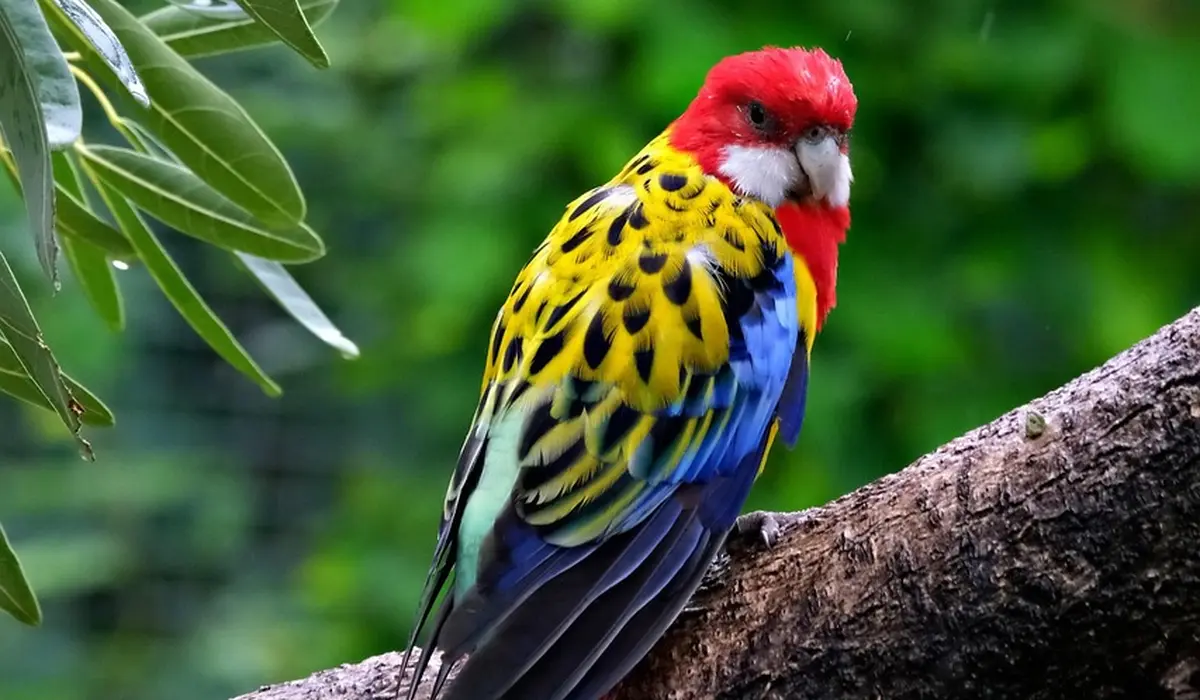
Begin by choosing a simple, flat perch or a small, distinct mat that your parrot can easily recognize as their special spot. I always use a brightly colored hand towel for my Green-cheeked Conure, Kiwi, because it stands out against our neutral-toned furniture.
- Place the station in a quiet, familiar area where your parrot already feels safe and comfortable.
- Hold a high-value treat, like a piece of millet or a pine nut, to lure your bird onto the station.
- The moment both of their feet touch the station, immediately give them the treat and offer verbal praise like “Good bird!”
Repeat this simple “on and off” process several times in short, five-minute sessions. Your goal here is to build a powerful, positive association between the station and wonderful things happening.
Building the Stay Cue and Increasing Duration
Once your parrot reliably steps onto the station for a reward, you can begin to shape the “stay” behavior. Patience is your greatest tool here, as rushing will only confuse your feathered friend. This same step-by-step approach helps stop your parrot from biting by teaching calm, predictable responses.
- Ask your parrot to step onto the station, but wait one single second before giving the treat.
- If they remain, mark that exact moment with a clear word like “Yes!” or a click from a clicker, then deliver the reward.
- Gradually increase the wait time from one second to two, then five, and so on, always marking and rewarding successful stays.
Keep your training sessions upbeat and brief to maintain their interest. My Sun Conure, Sunny, thrives on this gradual build-up, and her joyful chirps when she succeeds make every second worth it.
Adding Challenges: Distractions and Distance
When your parrot can stay put for about ten seconds with you standing right there, it’s time to up the ante. Introducing distractions slowly teaches them to hold their position even when interesting things are happening. Regular, routine training helps you address common behavioral issues and keep progress steady. Sticking to a predictable practice also reduces frustration for both of you.
- Start with very mild distractions, like you simply taking a single step to the side while they stay.
- If they hold their position, immediately return, mark the behavior, and give a fantastic reward.
- Slowly build up to taking two steps away, then walking around the room, or gently tossing a toy on the floor nearby.
Always set your parrot up for success by increasing difficulty in tiny increments. This careful progression builds a reliable “stay” that holds up in real-world situations, which is a game-changer for their safety and your peace of mind. To get even better results, explore the top 12 parrot training myths that are holding back progress and learn how to overcome them.
Solving Common Station Training Hurdles
- If your parrot leaves the station early, it usually means the duration was increased too quickly. Go back to a shorter time they can easily succeed at and rebuild from there.
- For a parrot that lacks focus, evaluate the training environment. Is it too noisy? Are they tired or hungry? Shorten sessions and use their absolute favorite, can’t-resist treats.
- When a parrot refuses treats, they might be stressed, full, or simply not motivated by that food. Try a different reward, like head scratches or access to a favorite toy, and ensure they are healthy.
- Gentle redirection is key. If they fly off, calmly and without fuss, return them to the station and try again with an easier step.
- Consistency in your cues, rewards, and session timing builds trust and understanding faster than anything else.
I’ve faced every one of these issues with my African Grey, Sage. His brilliant mind sometimes gets bored with repetition, so I learned to keep training fresh by changing up the rewards and always ending on a positive note, even if it’s a very small win.
Tailoring Training to Your Parrot’s Personality and Size
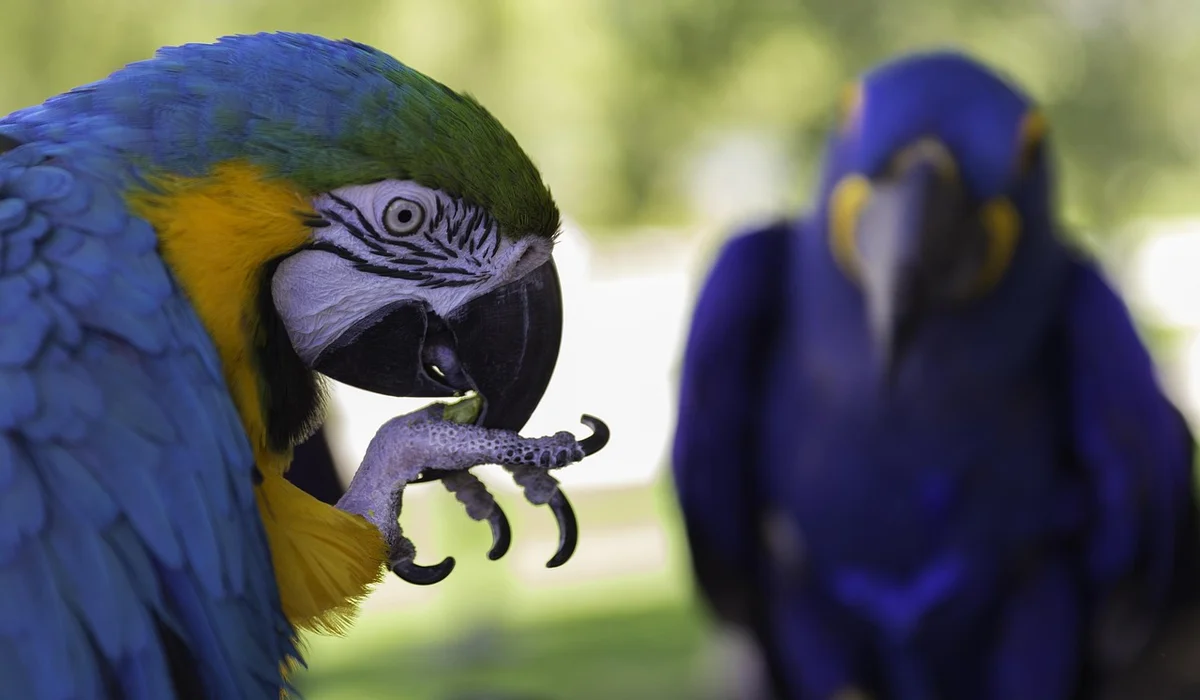
Training my Green-cheeked Conure, Kiwi, feels completely different from working with my African Grey, Sage, and your experience will be just as unique. The size and personality of your parrot dramatically change how you should approach station training. This is the kind of insight you’d find in a parrot species comparative guide. It helps you compare how to train different species based on size, temperament, and vocal habits.
Small Parrots vs. Large Parrots
Smaller parrots, like conures and cockatiels, are often bundles of fast-moving energy.
- For the Kiwis of the world: Keep sessions incredibly short-think 3 to 5 minutes max. Their tiny attention spans need quick, fun interactions. I found Kiwi responded best to tiny, easily eaten treats like a piece of millet spray.
- For the Sages of the world: Larger parrots like African Greys and Amazons can handle longer, more thoughtful sessions of 10-15 minutes. They need mental challenges, so I’d ask Sage to perform a simple trick before giving her a station reward, which kept her brilliant mind engaged.
Adjusting for Energy and Intelligence
You must become a detective of your parrot’s moods and capabilities.
- High-Energy Birds: My Sun Conure, Sunny, is a whirlwind. For her, I incorporated station training into active play. The “station” was a perch she had to fly to, turning it into a fun game that burned off her energy.
- Thoughtful, Cautious Birds: Sage is a master observer. With her, I had to move slower, sometimes spending an entire session just getting her comfortable near the station perch without any pressure to step up. Patience is your best tool here.
- Birds with a Tough Past: A rescued parrot might be wary of new objects. Introduce the station perch slowly, over days, placing it near their cage with favorite treats on it before you even start formal training.
Reading Their Body Language
Your parrot’s feathers, eyes, and posture tell you everything.
- Good signs: Relaxed posture, soft eyes, gentle chattering. This means “I’m having fun, let’s keep going!”
- Stop signs: Flattened feathers, pinned eyes, turning away, or biting at the perch. This is your bird saying the session is too much, too fast. When Kiwi starts rapidly preening, I know it’s time for a break.
Keeping Training Safe and Fun for Your Feathered Friend
Training should always feel like a game, not a chore. The ultimate goal is a stronger bond and a happier, more confident bird.
Your Parrot’s Welfare Comes First
Their mental and physical health is the top priority, every single time.
- Zero Stress Zone: If your parrot seems fearful or stressed, you are moving too quickly. End the session on a positive note with a simple, already-mastered trick or a favorite treat.
- Positive Reinforcement is Everything: Reward the behaviors you want to see. A tasty sunflower seed, a head scratch, or an enthusiastic “Good bird!” works wonders. Punishment destroys trust and simply does not work.
- Monitor Their Health: A bird that suddenly isn’t interested in training or their favorite treats might be feeling unwell. Always rule out health issues first.
Common Mistakes to Skip Entirely
I’ve made some of these errors myself, so learn from my experience!
- Rushing the Steps: Don’t expect a perfect “stay” in one day. Master one tiny step before moving to the next.
- Using Punishment or Force: Never yell, spray with water, or force your bird onto the station. This creates a fearful animal, not a willing partner.
- Training When You’re Frustrated: Parrots are incredibly perceptive. If you’re in a bad mood, they will sense it and the session will fail. Try again later.
Making it Fun with Enrichment
Boredom is the enemy of good training.
- Mix Up the Rewards: Don’t just use the same seed every time. Rotate between a piece of walnut, a bit of mashed sweet potato, and verbal praise to keep them guessing and interested.
- Keep Sessions Playful: Turn it into a hide-and-seek game where the station perch is “home base.” Use a silly, happy voice. When you have fun, your parrot will have fun too.
- End on a High Note: Always finish the session after a big success, even if it’s a small one. This leaves your bird feeling clever and eager for the next training game.
FAQs
How long should each station training session last?
Keep sessions short, typically 5 to 10 minutes, to match your parrot’s attention span. Always end on a successful note to keep them eager for the next session.
What if my parrot isn’t motivated by food treats?
Try using alternative rewards like head scratches, access to a favorite toy, or enthusiastic verbal praise. Identify what your parrot values most to maintain their engagement and progress. If your parrot seems bored, mix up rewards and activities to re-engage them. Understanding what they value most helps you answer why your parrot is bored and how you can help.
Can I use station training to manage multiple parrots at once?
Yes, but train each parrot individually first to avoid confusion and competition. This is a form of positive reinforcement training for parrots. Once they master the skill separately, you can introduce shared sessions with clear cues and rewards for each bird.
Closing the Loop
Ultimately, station training boils down to patience, consistency, and celebrating every tiny win with your parrot. Use high-value treats, keep sessions short and sweet, and always end on a positive note to build a fun and trusting experience for your feathered friend. When you set out to train a tame Quaker parrot, these same principles help you teach simple cues and gentle handling. With time and repetition, your bird will learn to respond eagerly to you.
Remember, training is just one part of a much bigger picture in providing a fulfilling life for your intelligent companion. When you hit a training plateau, take a step back to reassess cues and rewards, and try small, varied practice sessions to reignite progress. If you’re stuck, try swapping up tasks or timing to re-engage your bird. I encourage you to keep exploring parrot behavior and enrichment, as we are all lifelong learners in the wonderful world of responsible pet parrot care.
Further Reading & Sources
- Training Your Bird To Stay Put or Station – BirdSupplies
- How to Train Your Bird to “Station” (Stay Put!)
- Station Training: What If He Won’t Stay Put? | Parrot Forum 🦜 Parrot Owners Community
Suzanne Levine is a dedicated parrot enthusiast and experienced avian caregiver with over 15 years of hands-on experience in parrot care. As the founder of Parrot Care Central, Suzanne is passionate about sharing her knowledge and insights to help fellow parrot owners provide the best possible care for their feathered friends. Her expertise spans nutrition, behavior, health, and enrichment, making her a trusted resource in the parrot care community.
Obedience Training