
Parrot Cage Myths: 8 Misconceptions That Compromise Safety and Comfort
You want the absolute best for your feathered friend, but the sheer amount of conflicting advice about parrot cages can leave you feeling lost and worried you’re making a mistake. I’ve been there myself, standing in a pet store completely overwhelmed before bringing my first conure, Kiwi, home.
Let’s clear the air together. I’ll help you cut through the noise by focusing on three critical takeaways that truly matter for your parrot’s happiness and health.
- Why bigger isn’t always better, and what cage dimensions genuinely promote safety and play.
- How common materials and finishes you assume are safe could be secretly harming your bird.
- The truth about cage placement and how a single wrong spot can cause chronic stress.
You will get straightforward, actionable advice to make confident decisions for your companion. We’ll tackle these common myths head-on.
Myth 1: Bar Spacing Doesn’t Matter Much, Myth 2: Round Cages Are More Aesthetically Pleasing, Myth 3: More Toys Equals a Happier Bird, Myth 4: Stainless Steel is the Only Safe Option, Myth 5: A Single Large Perch is Sufficient, Myth 6: Cages are Just for Sleeping, Myth 7: Deep Cleaning Requires Harsh Chemicals, Myth 8: Cage Placement is Only About Your Home’s Decor
Cage Size and Space: Why Bigger and Smarter Layouts Matter
Myth: Escape Time Outweighs Cage Dimensions
I often hear owners say, “My parrot is only in the cage to sleep.” I thought this myself with my first conure, Kiwi. This mindset dangerously underestimates how much time a parrot actually spends confined, especially during unexpected events, which can sometimes lead to separation anxiety. Life happens-guests arrive, cleaners come, or you simply need to focus on a work call.
A small cage during these hours forces a bird into a state of stress and boredom. I’ve seen Kiwi become visibly frustrated in a travel carrier, which is essentially a tiny, temporary cage. Your parrot’s primary home must be spacious enough for full wing-flapping and short hopping flights from perch to perch. It’s their safe fortress, not a prison cell.
Myth: A Single Play Stand is Enough Enrichment
Placing a play gym on top of the cage seems like a great solution, right? I tried this with my sun conure, Sunny. A standalone play area is just an extension, not a replacement for a stimulating internal cage environment. Sunny would get bored on his gym and start screaming for attention because his actual living space was bare.
The inside of the cage needs to be a dynamic world. Rotate a variety of perches-natural wood, rope, and cement-at different heights and angles to encourage foot health and exploration. Hang foraging toys, shreddable items, and puzzles that challenge their intelligent minds daily. A busy beak is a happy beak.
Bar Spacing and Cage Design: Avoiding Hidden Hazards
Myth: One Bar Spacing Fits All Parrots
Choosing a cage based on looks or price alone is a recipe for disaster. Bar spacing is not a one-size-fits-all specification; it is a critical safety measurement tailored to your bird’s head size. My African Grey, Sage, could easily get his large, powerful beak stuck in a cage designed for a smaller conure.
Here’s a quick guide I follow for my flock:
- Small Birds (Budgies, Parrotlets): 1/2 inch to 5/8 inch spacing.
- Medium Birds (Conures, Caiques): 3/4 inch to 1 inch spacing. This is what Kiwi and Sunny use.
- Large Birds (Greys, Amazons): 1 inch spacing. This is essential for Sage’s safety.
Always measure the distance between the bars yourself before buying, as manufacturer labels can sometimes be misleading. A head or body getting trapped can lead to panic, severe injury, or worse.
Myth: Wire Grates Pose No Risk of Entrapment
Many cages come with a wire grate at the bottom, supposedly to keep the bird away from its own waste. These grates can be a significant hazard, leading to broken toes, nail injuries, and painful bumblefoot from constant pressure on hard, uneven surfaces.
I removed the grates from all my birds’ cages years ago. It is far safer and more comfortable to use a deep layer of appropriate cage liner paper at the bottom, which you can change regularly. This allows for natural foraging behavior at the cage floor and provides a soft, forgiving surface for your parrot’s feet. Their health is worth the extra few minutes of daily cleaning.
Cage Materials and Build: Separating Fact from Fiction on Safety
Myth: Metal Cages Are Always Durable and Secure
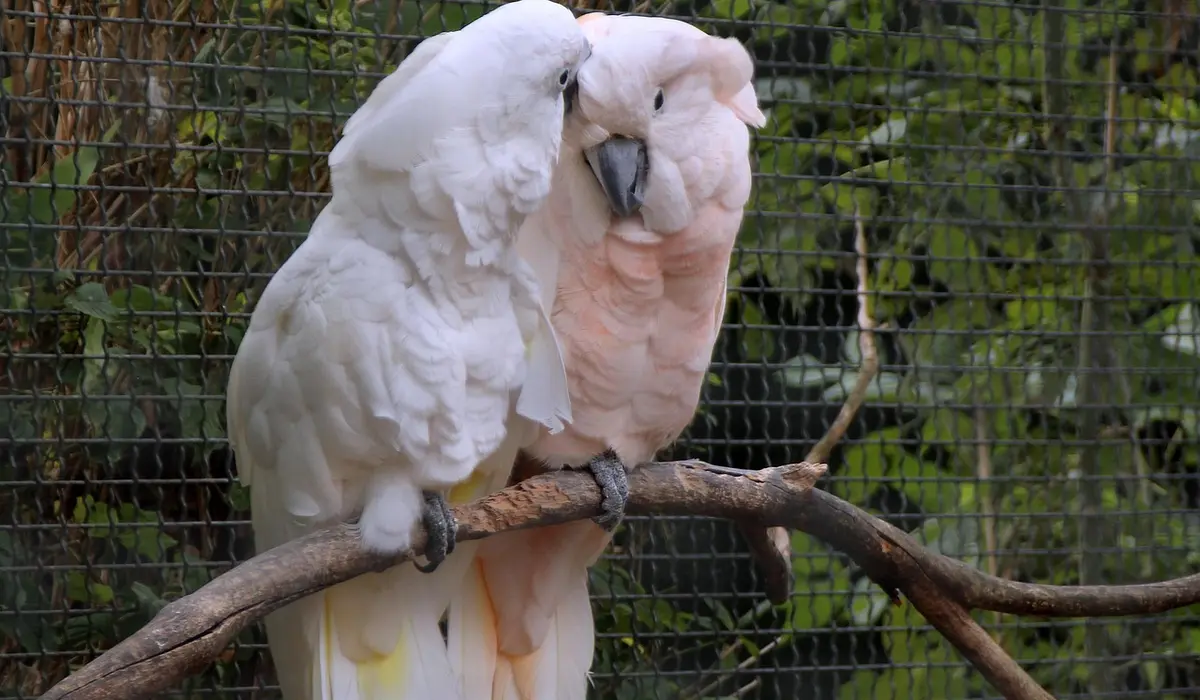
Many parrot owners assume all metal cages are tough and safe, but that’s a risky oversimplification. I learned this firsthand when Kiwi, my Green-cheeked Conure, started showing signs of irritation from a cage with a flaking coating. Not all metals are parrot-proof; some can rust or contain toxic elements like zinc or lead, which pose serious health threats. For instance, galvanized steel might seem sturdy, but it can release harmful zinc when scratched or chewed. Instead, opt for stainless steel or powder-coated cages that resist corrosion and are non-toxic. From my experience, regularly inspecting the cage for chips or wear helps prevent accidental ingestion of dangerous materials. Here’s a quick guide to safe cage materials: Metal vs Wooden Cages: Pros and Cons for Your Parrot’s Health.
- Stainless steel: Highly durable and rust-resistant, ideal for long-term use.
- Powder-coated steel: Provides a safe barrier if the coating remains intact; check for damage often.
- Avoid metals with visible rust or unknown alloys, as they can leach toxins into your bird’s environment.
I’ve seen how a poorly chosen cage led to vet visits, so always prioritize materials that stand up to your parrot’s natural chewing instincts. If you’re planning a DIY foraging wall to enrich your parrot’s cage, choose sturdy, non-toxic materials and secure fastenings. A well-built foraging wall can turn chewing into constructive activity and extend safe cage time.
Myth: Plastic Cages Offer a Cheaper, Safer Alternative
It’s tempting to think plastic cages are a budget-friendly and harmless option, but this myth can put your parrot in danger. When Sunny, my Sun Conure, started nibbling on a plastic toy, I noticed how easily it broke into sharp pieces. Plastic cages often lack the strength to withstand strong beaks, leading to cracks that harbor bacteria or cause injury. Additionally, they can be one of the environmental toxins and household dangers that can make parrots sick. Plus, many plastics contain chemicals like BPA that can leach out over time, affecting your bird’s health. In my years of care, I’ve found that investing in a well-built metal cage saves money and stress in the long run. For those on a tight budget, consider these safer alternatives:
- Look for cages made from reinforced, bird-safe plastics if you must use them, but monitor for wear.
- Combine with metal components for added durability, ensuring no small parts can be swallowed.
- Regularly clean plastic surfaces to prevent buildup of germs that thrive in porous materials.
Remember, a cage should be a sanctuary, not a hazard—choose materials that support your parrot’s well-being without cutting corners. For maximum enrichment, design the setup to invite exploration with varied perches and engaging toys.
Perches and Toys: Debunking Enrichment and Safety Fallacies
Myth: Perch Variety is Unnecessary for Foot Health
Some bird owners believe one type of perch is enough, but this ignores how vital variety is for preventing foot problems. With Sage, my African Grey, I saw how switching perches reduced her risk of bumblefoot and kept her feet strong. Using perches of different diameters and textures encourages natural gripping motions, which improves circulation and prevents pressure sores. Think of it like wearing the same shoes every day-it leads to discomfort and long-term issues. From my routine, I mix natural wood, rope, and cement perches to mimic the diversity of branches in the wild. Here are simple steps to diversify your perch setup:
- Start with a range of sizes: thin perches for delicate feet and thicker ones for resting.
- Incorporate materials like manzanita or dragon wood for durability and texture variation.
- Rotate perches monthly to keep your parrot engaged and avoid repetitive strain.
Your parrot’s feet will thank you for the variety, just like mine did when I noticed happier, more active birds.
Myth: Mold on Toys is Harmless if Minimal
Many people dismiss small amounts of mold on toys as no big deal, but even a little can spell trouble for your parrot’s respiratory system. I once found mold on a wooden toy for Kiwi and immediately tossed it after learning how spores can trigger infections. Mold produces toxins that, when inhaled or ingested, lead to breathing issues and weakened immunity in parrots. Birds have sensitive lungs, and what seems minor to us can be a major health risk. In my care routine, I clean toys weekly with a vinegar solution to kill mold and bacteria. Follow these steps to keep toys safe:
- Inspect toys daily for discoloration or fuzzy growth, especially in humid areas.
- Wash non-porous toys with bird-safe disinfectants and let them dry completely before reuse.
- Replace any toy showing signs of mold, as cleaning might not remove all spores embedded in materials.
Staying vigilant about mold protects your parrot from hidden dangers and ensures their playtime stays fun and healthy.
Feeding and Sanitation: Clearing Up Common Care Confusions
Myth: Any Feeder or Dish Material is Acceptable
I learned this lesson the hard way with my Green-cheeked Conure, Kiwi. He managed to chew chunks out of a plastic food dish, and I found brightly colored plastic bits mixed with his pellets. Plastic dishes can be chewed, harbor bacteria in microscopic scratches, and even leach chemicals into food and water. I made the switch to stainless steel bowls for all my birds, and I’ve never looked back. They are durable, non-porous, and incredibly easy to sanitize in the dishwasher.
Ceramic dishes can be another risky choice. Lead-based glazes, sometimes used in older or improperly made ceramics, are highly toxic to parrots if they leach into their food. If you love the look of ceramic, ensure it is explicitly labeled as lead-free and food-safe. For everyday use, stainless steel remains the gold standard for safety and hygiene.
Myth: Cage Liners Are Just for Convenience, Not Health
Think of the cage liner as your bird’s first line of defense. It’s not just about making your cleanup faster; it’s a critical tool for monitoring your parrot’s health. I check the cage liner under my African Grey, Sage, every single day because it gives me an immediate snapshot of his droppings. Changes in color, consistency, or volume can be the first sign of illness, and a proper liner makes these changes easy to spot. That daily check also forms the first step in a lethargy troubleshooting guide—if your parrot seems unusually lethargic, note changes in droppings and activity to help find the cause. This approach gives you concrete clues to share with your veterinarian when diagnosing the issue.
Choosing the right liner material is a direct health decision.
- Avoid corn cob, walnut shell, or wood shavings. These can grow mold if they get damp and, if ingested, can cause serious impactions in a bird’s digestive tract.
- Steer clear of clumping cat litter or any scented bedding. The dust is terrible for their delicate respiratory systems, and the fragrances can be toxic.
- Plain, ink-free paper, paper towels, or unprinted butcher paper are my top recommendations. They are safe, inexpensive, and allow for that all-important daily health check.
Your parrot spends most of its life in that cage. Providing a safe, clean substrate is a fundamental part of responsible, preventative healthcare. A simple paper liner does far more than just catch mess; it helps you become a more attentive and proactive guardian. In our complete guide to cleaning your parrot’s environment safely, you’ll find practical, step-by-step methods. It explains safe cleaners and routine substrate changes to keep your bird healthy.
FAQs
Is covering my parrot’s cage at night necessary for their well-being?
Covering your parrot’s cage can mimic natural darkness, aiding in sleep regulation and reducing night frights. When deciding whether you should cover your parrot’s cage at night, it’s helpful to weigh the pros and cons. Ensure the cover is breathable and doesn’t restrict airflow to prevent overheating or stress.
How can I safely transition my parrot to a new cage without causing anxiety?
Start by placing the new cage near the old one and gradually move familiar items inside to build comfort. Allow your parrot to explore at their own pace with positive reinforcement like treats and praise. Welcome to your parrot’s first day home—this is the start of a simple step-by-step survival guide to help them settle. Stay patient and keep the routine gentle as you begin this journey.
Are cage accessories like ladders and swings safe for all parrot sizes?
Choose accessories that match your bird’s size and strength to avoid entrapment or injury from poorly fitted parts. Regularly inspect and secure all items to prevent accidents from loose or broken components.
Closing the Loop
Your parrot’s home should be a secure, enriching space, not a collection of misconceptions. Focus on providing ample room for movement, safe bar spacing, and a variety of appropriate perches and toys to support their natural behaviors. Let their well-being, not outdated myths, guide your choices for their habitat. Additionally, cage size and bar spacing should be tailored to the specific parrot species, since different birds require different minimum dimensions. Understanding housing requirements by species helps ensure the cage truly fits their needs.
Caring for a parrot is a wonderful, long-term partnership built on knowledge and empathy. Stay curious, keep learning about their unique needs, and always observe your feathered friend-they are your best guide to providing a truly happy and healthy life.
Further Reading & Sources
- The Truth About Bird Cages 🦜 | Parrot Cage Myths Busted | TheParrotTeacher – YouTube
- 11 Parrot Myths & Misconceptions You Should Know About | PangoVet
- The Truth About Covering Your Parrot’s Cage: Myths and Benefits – Parrot Supplies Co
Suzanne Levine is a dedicated parrot enthusiast and experienced avian caregiver with over 15 years of hands-on experience in parrot care. As the founder of Parrot Care Central, Suzanne is passionate about sharing her knowledge and insights to help fellow parrot owners provide the best possible care for their feathered friends. Her expertise spans nutrition, behavior, health, and enrichment, making her a trusted resource in the parrot care community.
Cages