
Parrot Night Frights Checklist: Triggers and Solutions
Published on: February 25, 2026 | Last Updated: February 25, 2026
Written By: Suzanne Levine
That sudden, panicked flapping in the dark-your parrot’s night fright-can leave you both shaken and searching for answers.
I’ve been there with my own flock, and I’m here to help you understand what’s happening and how to bring back the peace.
We’ll cover:
- Pinpointing the exact causes of those scary episodes.
- Safe, immediate actions to calm your bird.
- Long-term strategies to prevent future frights.
You’ll walk away with a clear, actionable plan.
Understanding Night Frights, Identifying Common Triggers, Immediate Response Steps, Long-Term Environmental Solutions, Preventing Future Episodes
Understanding Parrot Night Frights
Night frights are sudden panic attacks where your parrot thrashes wildly in its cage after dark. These episodes stem from their wild instincts where nighttime predators pose a real threat, even in the safety of your home. Some owners cover the cage at night to create a darker, quieter environment. But there are pros and cons to covering a parrot’s cage at night that you should weigh.
I first witnessed this with Kiwi, my Green-cheeked Conure, who once woke me with frantic flapping at 2 AM. His little heart was racing so fast I could feel it through his feathers, a clear sign of pure terror. It took nearly an hour of soft talking and dim light to calm him.
Ignoring night frights risks physical injury from crashing into cage bars and long-term stress. Consistent night frights can weaken their immune system and shorten their lifespan, making proactive care non-negotiable.
Common Triggers of Parrot Night Frights
Environmental Factors
- Sudden loud noises like thunderstorms, slamming doors, or late-night TV
- Moving shadows from passing cars, waving curtains, or flickering screens
- Unexpected drafts or temperature drops near windows or air vents
- Insects or rodents scurrying near the cage after lights out
Behavioral Causes
- Separation anxiety if the cage is too far from family sleeping areas
- Irregular sleep schedules from inconsistent light exposure
- Lack of pre-bedtime routine causing insecurity
- Past trauma from rehoming or loud environments
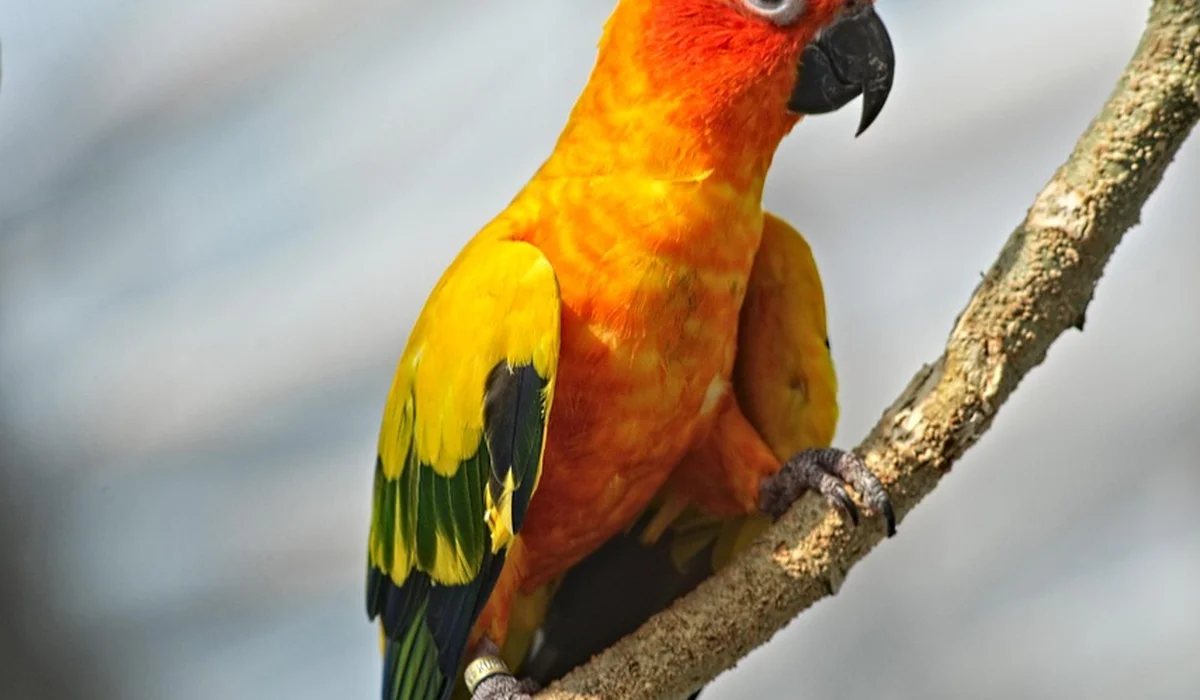
Sunny, my Sun Conure, once spooked at a shadow from a blinking router light. We solved it by covering that side of his cage, proving small adjustments make huge differences.
Sage, my African Grey, experienced frights during seasonal wind storms. Her high intelligence meant she associated certain sounds with danger, requiring white noise to mask unsettling outdoor noises.
Your Night Frights Identification Checklist
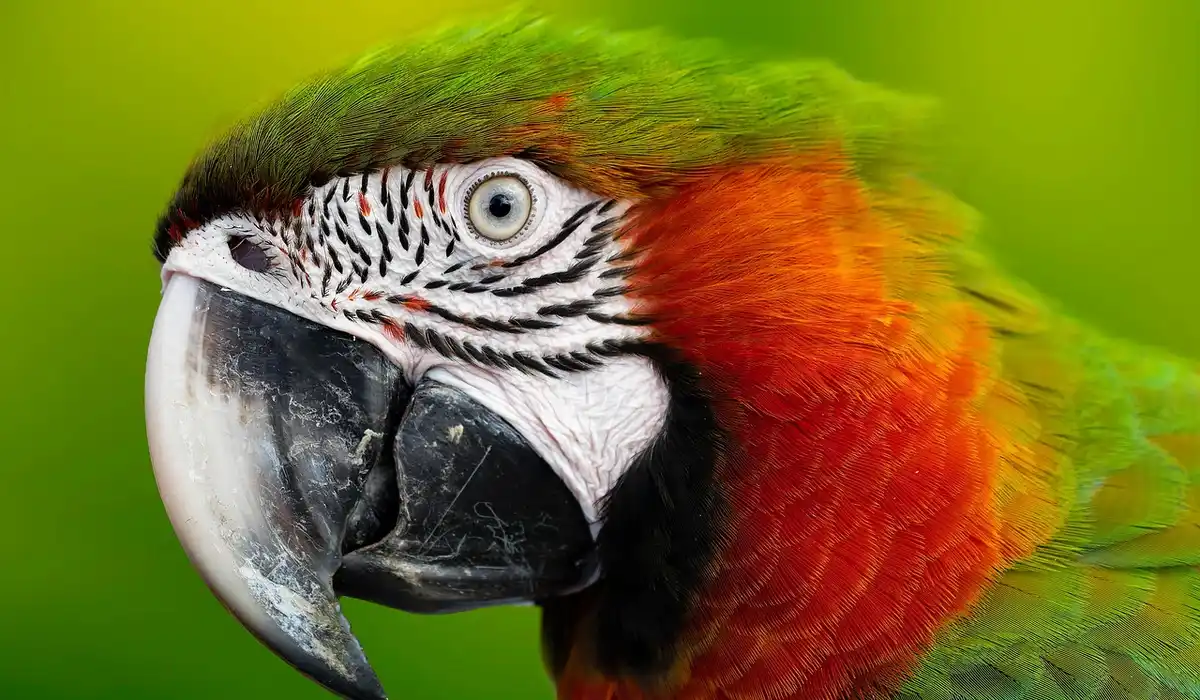
Start by walking through your home at night to spot what might spook your parrot. This hands-on approach lets you catch triggers before they cause a fright.
- Check cage placement: Move it away from windows, doors, or drafty spots where sudden movements or cold air can startle your bird.
- Evaluate lighting: Look for flickering lights, shadows, or complete darkness that could confuse or scare your parrot during sleep.
- Monitor household activity: Note any late-night noises, like TVs or footsteps, that might disturb your bird’s rest.
- Watch for behavior changes: Keep an eye on signs like increased hiding or agitation as bedtime approaches.
Observing Parrot Reactions
Pay close attention to how your parrot acts in the evening and overnight. Noticing small cues early can prevent full-blown panic episodes.
- Look for frantic flapping or wing-fluttering in the cage, which often signals fear.
- Listen for unusual vocalizations, like sharp squawks or distress calls, that differ from daytime chatter.
- Spot hiding behavior, such as your parrot crouching in a corner or avoiding perches, indicating stress.
- Track sleep patterns: If your bird wakes frequently or seems restless, it might link to night frights.
- Note daytime shifts: A parrot that’s more skittish or tired during the day could be losing sleep at night.
From my experience with Kiwi, my Green-cheeked Conure, I learned that his playful curiosity turns to nervous flapping if he hears unfamiliar sounds after dark. Catching these reactions quickly helped me adjust his environment before frights escalated.
Assessing the Sleep Environment
Examine every part of your parrot’s sleeping area for potential hazards or discomforts. A safe, cozy setup reduces the risk of night frights dramatically.
- Test cage covers: Ensure they’re breathable and secure, but not too tight, to block out light without causing anxiety.
- Consider nightlights: A soft, dim glow can ease fear of total darkness without disrupting sleep.
- Monitor noise levels: Use tools like sound meters to keep things quiet, or add gentle background sounds to mask sudden noises.
- Adjust for drafts: Check for cold air flows near the cage and seal gaps to maintain a stable temperature.
- Remove safety hazards: Look for loose toys, sharp edges, or unstable perches that could cause injury during a fright.
When I set up Sage’s sleeping space, my African Grey, I made sure her cage was draft-free and used a partial cover to mimic natural dimness. This simple tweak cut down her night frights by letting her feel secure without feeling trapped.
Immediate Solutions for Calming Night Frights
Act fast to soothe your parrot if a night fright strikes, using gentle methods to restore calm. Quick, calm responses can stop fear from spiraling into long-term stress. Managing your household noise is an essential part of reducing stress for your parrot.
- Turn on a nightlight: A low-wattage bulb provides enough light to reassure your bird without waking it fully.
- Use white noise: Play soft, consistent sounds like a fan or nature recordings to drown out sudden noises.
- Talk softly: Speak in a calm, reassuring voice to let your parrot know you’re nearby and everything is safe.
- Avoid sudden movements: Move slowly and predictably to prevent adding to the scare.
I’ve handled panic episodes with Sunny, my Sun Conure, by keeping a small nightlight in her room and humming softly until she settles. Staying patient and consistent teaches your parrot that nights can be peaceful, not frightening.
Using Comforting Tools
Incorporate tools like cage covers and sounds to create a soothing sleep environment for your parrot. Choosing the right comforts makes your bird feel protected without overwhelming it. This mindset is a key part of building a parrot-safe bird room—a complete design guide you can follow to ensure safety, comfort, and harmony in every corner.
- Select cage covers: Opt for lightweight, dark fabrics that block light but allow airflow, and introduce them gradually.
- Pick nightlights: Use red or blue bulbs, which are less disruptive, and place them at a distance to avoid glare.
- Introduce calming sounds: Start with low-volume white noise or soft music, and observe how your parrot reacts to adjust the volume.
- Practice safety: Avoid covering the cage completely or using bright lights that could startle your bird further.
With Kiwi, I found that a half-covered cage and a gentle sound machine worked wonders-he now sleeps soundly through the night. Tailoring these tools to your parrot’s personality ensures they provide comfort, not added stress.
Long-Term Prevention and Routine Building
-
Establishing a consistent bedtime routine starts with setting a fixed time each night. I wind down my parrots like Kiwi and Sunny by dimming lights and offering a quiet activity about 30 minutes before sleep. This signals that it’s time to rest, reducing surprises that cause frights. This routine also serves as training for managing behavioral issues by reinforcing calm responses to cues. With continued practice, parrots learn predictable patterns and misbehavior tends to decrease.
-
Desensitization involves slowly introducing potential triggers in a controlled way. For example, I played soft, recorded noises near Sage’s cage during the day and rewarded her calm behavior with a favorite treat. Positive reinforcement builds confidence over time, making night scares less likely.
-
Enrichment activities keep parrots engaged and lower anxiety. Rotate toys like foraging puzzles or shreddable items to prevent boredom, which I’ve seen cut down night frights in my flock. A stimulated bird is a happier, more relaxed one at bedtime.
Creating a Safe Sleep Space
-
Optimal cage placement means keeping it in a quiet, draft-free area away from high-traffic spots. I position my parrots’ cages against an interior wall to shield them from outside noises and sudden movements. Proper lighting includes using a dim night light to avoid total darkness that can trigger fear.
-
Gradual exposure helps parrots get used to shadows or sounds. Start by briefly introducing low-level stimuli during calm moments and pair it with positive experiences, like a gentle voice or a small snack. Over time, this reduces their instinct to panic at night.
When to Consult an Avian Veterinarian
-
Signs that warrant a vet check include frequent night frights, changes in appetite, or visible injuries. A respiratory distress checklist can help you spot breathing problems early—look for rapid or labored breathing, open-mouth breathing, or tail bobbing. If your parrot shows labored breathing or lethargy, it’s a clear signal to seek professional help immediately. Early intervention can prevent more serious issues.
-
Persistent frights might relate to underlying health problems like vision impairment or pain. In my experience, Sage’s occasional night scares were linked to minor discomfort, which a vet identified and treated quickly. Don’t assume it’s just behavior-health checks are vital.
-
Regular behavior monitoring involves keeping a simple log of incidents and triggers. Note down what happened before a fright, such as noises or lighting changes, to share with your vet for accurate diagnosis. Understanding why parrots bite—[identifying underlying causes and triggers](https://parrotcarecentral.com:/why-do-parrots-bite-understanding-the-causes-and-triggers)—helps you address the issue more effectively. This proactive approach supports your parrot’s long-term well-being.
FAQs
Are certain parrot species more prone to night frights?
Yes, species like cockatiels or African Greys may be more susceptible due to their high intelligence and sensitivity. Intelligent parrots tend to notice subtle cues in their environment, which can heighten their responses to changes. However, any parrot can experience frights based on individual personality and environmental factors.
Can dietary changes help reduce the frequency of night frights?
A balanced diet supports overall health, which can lower stress and anxiety levels. Avoid offering high-sugar or caffeinated foods close to bedtime to prevent restlessness.
What common mistakes should I avoid during a night fright episode?
Never shout or make sudden movements, as this can intensify your parrot’s panic. Also, avoid turning on bright overhead lights, which may disorient and scare your bird further.
How can I tell if night frights are linked to a health problem?
If frights occur frequently alongside symptoms like weight loss or labored breathing, consult an avian vet. Underlying issues such as vision impairment or pain could be contributing factors.
Is it safe to leave a night light on for my parrot every night?
Yes, a dim night light can provide reassurance without disrupting sleep for most parrots. Monitor your bird’s behavior to ensure the light isn’t too bright or causing additional stress.
Your Parrot’s Peaceful Nights Start Here
Getting a handle on parrot night frights boils down to two things: identifying the triggers and implementing the solutions. Start by methodically checking your bird’s environment for sudden noises, shadows, or changes, then establish a solid routine with a secure cage cover and a reliable night light. This proactive approach transforms their nighttime from a period of panic into one of predictable peace, especially when combined with parrot-proofing your room for safe flight.
Remember, being a parrot owner is a journey of constant learning and adaptation. Your commitment to understanding their unique fears and needs is the foundation of their long-term health and happiness. Keep observing, keep adjusting, and never stop advocating for the well-being of your feathered friend. For practical help, a complete guide to the most common parrot health concerns guide can be a valuable resource. It helps you recognize early signs and know when to seek care.
Further Reading & Sources
- Night Frights
- Night Frights And Associated Perils – Northern Parrots
- Night fright in birds – Lafeber® Pet Birds
Suzanne Levine is a dedicated parrot enthusiast and experienced avian caregiver with over 15 years of hands-on experience in parrot care. As the founder of Parrot Care Central, Suzanne is passionate about sharing her knowledge and insights to help fellow parrot owners provide the best possible care for their feathered friends. Her expertise spans nutrition, behavior, health, and enrichment, making her a trusted resource in the parrot care community.
Health & Wellness