
Parrot Weight Management: Healthy Ranges and Obesity Prevention
Is your parrot packing on extra pounds, and you’re feeling anxious about potential health risks like heart disease or joint problems? I’ve been there with my own flock, and it’s a common concern that can sneak up on any bird owner.
Drawing from years of caring for parrots like Kiwi, Sunny, and Sage, I’m here to guide you through practical steps to keep your feathered friend fit. We’ll explore these essential takeaways:
- How to accurately assess your parrot’s ideal weight based on species and age
- Simple signs that indicate your bird might be overweight or obese
- Everyday habits to prevent weight gain and promote a vibrant lifestyle
You’ll gain straightforward strategies you can start using today. This article dives into: healthy weight ranges, obesity prevention, diet tweaks, exercise routines, and monitoring tips.
Why Your Parrot’s Weight Really Matters
Carrying extra weight is like making your parrot wear a heavy backpack all day, every day. This constant strain puts immense pressure on their tiny joints and can lead to painful arthritis. This is one of the most common parrot health concerns, and it’s covered in our complete guide to the most common parrot health concerns. Learning to prevent weight gain is a key part of that guide. I’ve seen older birds struggle to perch comfortably, and it often traces back to years of carrying just a little too much weight.
An overweight parrot is a high-risk candidate for fatty liver disease, a silent and deadly condition. The liver becomes so clogged with fat that it simply can’t do its job of filtering toxins from the body. My avian vet has shown me x-rays where the liver was visibly enlarged, a direct result of a poor diet, and it was a powerful wake-up call. This is why the parrot diet myths debunked: 7 common misconceptions about avian nutrition matters. Clear, evidence-based feeding guidance can prevent cases like this.
Excess fat doesn’t just sit under the skin; it infiltrates vital organs and puts a huge strain on their cardiovascular system. An obese bird’s heart has to work much harder to pump blood through all that extra tissue, leading to potential heart failure. Think of it like a small engine trying to power a truck-it’s going to burn out fast.
Beyond the physical toll, an unhealthy weight severely impacts their quality of life. A heavy parrot is often a lethargic parrot, losing the spark of curiosity and playfulness that makes them such wonderful companions. My conure, Kiwi, becomes a completely different, sluggish bird if he gains even a few grams, and it breaks my heart to see his energy fade.
Finding the Perfect Weight Range for Your Parrot
The first step is to know your bird’s species and general size category. A good starting point is to consult a trusted avian weight chart, but remember these are guides, not absolutes. A Macaw and a Budgie live in completely different weight worlds, so you must tailor your expectations.
Your most valuable tool will be a reliable digital gram scale. I weigh my parrots weekly, first thing in the morning before they’ve eaten, to get the most consistent reading. This helps me track tiny fluctuations that could signal a bigger health issue.
Beyond the numbers, you need to perform a hands-on body condition check. Gently feel your parrot’s keel bone (the ridge running down the center of the chest); it should feel like the back of your hand, not a razor blade or a pillow. You should be able to feel the bone with a slight covering of muscle.
Look for these key visual signs of a healthy weight:
- A smooth, rounded chest profile without a prominent “V” shape from the keel.
- Clean, smooth feathers that aren’t constantly fluffed up to conserve heat.
- Clear, bright eyes and consistent, energetic activity levels throughout the day.
- A well-defined waistline when viewed from above.
Every parrot is an individual. My Sun Conure, Sunny, has a naturally stockier build than my lean African Grey, Sage, so their ideal weights are different even though they are similar in size. Their personality and metabolism play a huge role, which is why a one-on-one relationship with an avian vet is irreplaceable for setting a personal target weight. To support that effort, refer to a parrot diet requirements species complete feeding guide for species-specific foods, portions, and meal timing. It helps tailor nutrition for Sunny and Sage while keeping them at healthy weights.
Easy Ways to Check Your Parrot’s Weight and Body Condition
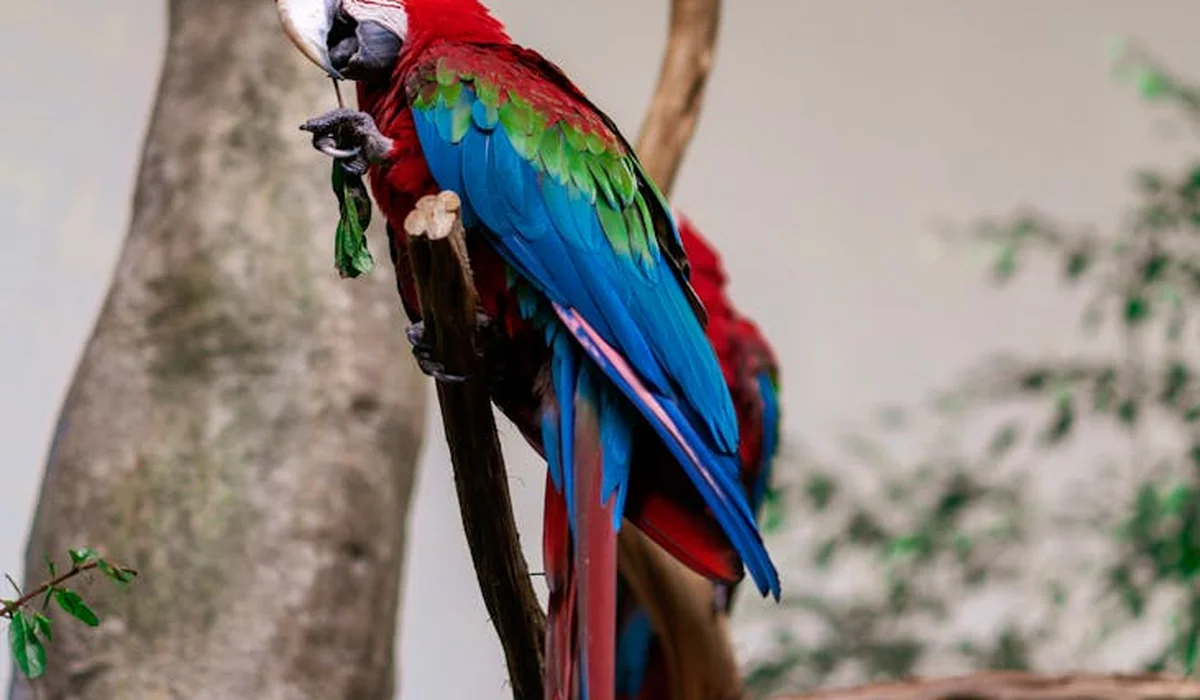
Keeping tabs on your parrot’s weight is simpler than you think. I use a simple digital kitchen scale that measures in grams, placing my Green-cheeked Conure, Kiwi, on a small perch atop it for a quick weekly reading. Consistency is key—weigh them at the same time each day, ideally in the morning before breakfast. Tracking weight also helps catch common feeding mistakes early, like overreliance on seeds or not offering enough fresh veggies. That way I can tweak Kiwi’s diet to keep him healthy.
Feeling for the Keel Bone
Your fingers can tell you a lot about your parrot’s body condition. Gently feel your bird’s chest; you’re looking for the keel bone, which runs down the center.
- A healthy weight feels like the back of your hand—you can feel the bone with a gentle press, but it’s cushioned by muscle.
- If it feels sharp and prominent, like your knuckles, your parrot might be underweight.
- If you have to push firmly to find it, like feeling for a bone in a well-marbled steak, your bird could be carrying extra weight.
My Sun Conure, Sunny, has a perfect keel—it’s there, but it’s not sticking out, telling me his flight muscles are strong and well-supported. If you notice the keel is less distinct or the chest looks rounded, your parrot may be overweight. A vet-approved weight-management plan—combining portion control with more opportunities for activity—can help.
Visual Body Check
Take a good look at your perched parrot from above and from the side. A healthy parrot should have a smooth, streamlined body shape.
- From above, you should see a clear distinction between the chest and the abdomen.
- From the side, the chest should curve gracefully into the belly without a bulging “potbelly” appearance.
- Watch for labored breathing or a constant “panting” look, which can be a sign of obesity-related strain.
A bulging belly or a loss of that defined waistline was the first visual clue that my African Grey, Sage, was getting a bit too comfortable with his seed mix.
Smart Diet Choices to Control Your Parrot’s Weight
What you put in the food bowl is your most powerful tool for weight management. I learned the hard way that an all-seed diet is like feeding my parrots candy for every meal-it’s high in fat and lacks crucial nutrients. A balanced diet is the cornerstone of a healthy weight.
Pellets: The Nutritional Foundation
High-quality, formulated pellets should make up the bulk of your parrot’s diet. Seeds can be offered as occasional variety, but they are not the recommended base because they can lead to nutritional imbalances. In most cases, pellets provide a more balanced foundation than seeds.
- They are scientifically balanced to provide complete nutrition without excess fat.
- Look for pellets with no artificial colors or sugars.
- Transition your bird slowly by mixing pellets with their current food, increasing the pellet ratio over a few weeks.
Switching Kiwi to a premium pellet base was a game-changer; her feathers became brighter, and her energy levels skyrocketed without the weight gain.
Veggies are Your Best Friend
Fresh vegetables are low in calories and packed with vitamins and fiber.
- Offer a colorful chop daily: think dark leafy greens (kale, chard), orange veggies (sweet potato, carrots), and cruciferous veggies (broccoli, cauliflower).
- This adds volume to their diet, helping them feel full without the calorie load.
- Wash all produce thoroughly to remove pesticides.
My flock goes crazy for a “rainbow chop”-it’s a feast for their eyes and their bodies, keeping them trim and satisfied.
Fruit and Seeds: Treats, Not Staples
Fruit is nature’s candy, and seeds are fatty powerhouses. They should be given sparingly.
- Limit fruit to a few small pieces a couple of times a week.
- Use seeds and nuts only as high-value training rewards or for foraging, not as a main meal.
- A single sunflower seed or piece of walnut is a big treat for a small parrot.
I reserve a single pine nut for Sage when he learns a new trick; it keeps him motivated without adding empty calories to his daily intake.
Fun Exercises and Enrichment to Fight Obesity
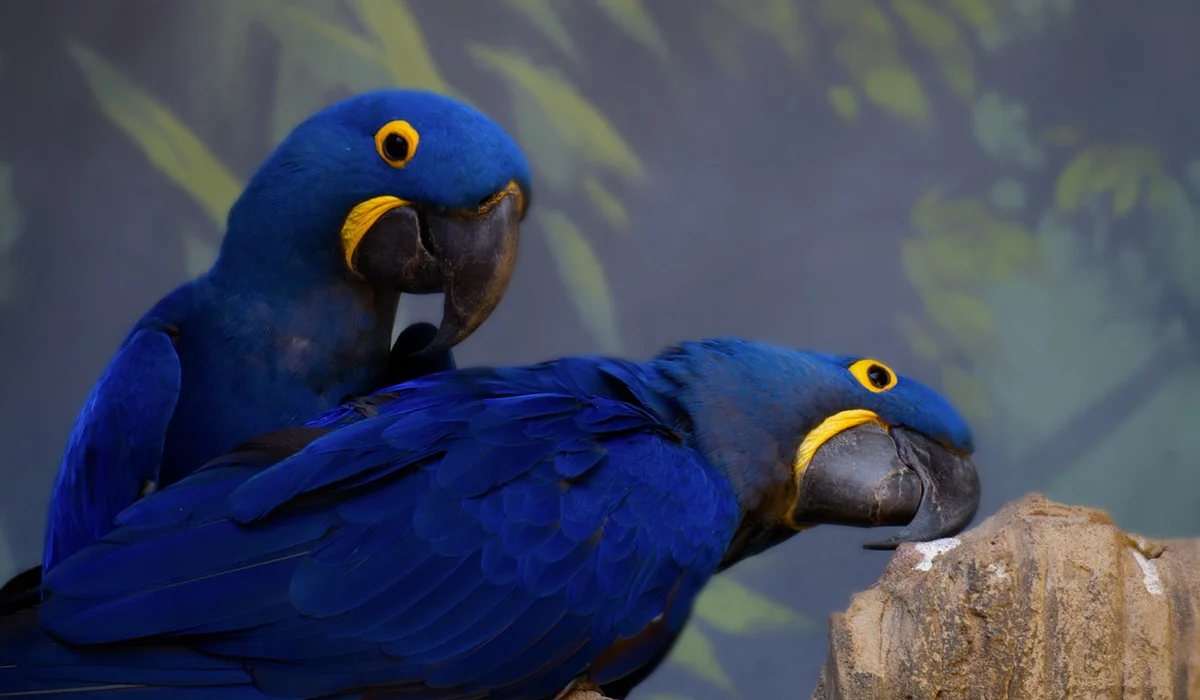
Keeping your parrot active isn’t about forcing a workout; it’s about making movement a natural and fun part of their day. My Green-cheeked Conure, Kiwi, taught me that the best exercise is the kind they don’t even realize they’re doing because they’re having so much fun. A bored parrot is a sedentary parrot, so our goal is to turn their cage and play area into an exciting jungle gym.
Get Them Foraging for Food
In the wild, parrots spend most of their day searching for food. We can mimic this behavior to keep them busy and burning calories, especially when we understand what parrots eat in the wild.
- Hide their pellets or healthy treats inside foraging toys instead of putting food in an open bowl.
- Wrap treats in paper or stuff them inside a cardboard tube to make them work for their reward.
- Scatter a portion of their daily food on a clean play mat or tray to encourage natural ground foraging behaviors.
Encourage Flight and Movement
Flight is a parrot’s most natural and effective form of exercise. Even if they are clipped, you can encourage movement. To support this, create a safe, stimulating indoor flight environment for your parrot. Clear the space of hazards and provide perches, barriers, and engaging toys to encourage safe flight and active exploration.
- Create a “fly-to” system. I call Sunny, my Sun Conure, from my hand to a playstand across the room for a small piece of walnut.
- Install parrot-safe ropes, ladders, and swings at different heights to promote climbing and balancing.
- Rotate toys weekly to keep the environment novel and encourage exploration and play.
Engage Their Brain with Problem-Solving
A mentally stimulated parrot is an active parrot. My African Grey, Sage, will happily spend an hour figuring out a puzzle toy, which is fantastic mental and light physical exercise.
- Introduce puzzle feeders that require sliding, lifting, or turning parts to access food.
- Teach simple tricks like “turn around” or “wave,” using their favorite healthy treat as a reward.
- Offer destructible toys made of balsa wood, sola wood, or cardboard to satisfy their natural chewing instincts.
When to Get Help from a Vet for Weight Concerns
While you are your parrot’s first line of defense, an avian veterinarian is your essential partner. I make it a non-negotiable rule to have my flock seen by a vet at least once a year, and immediately if I notice any of these red flags. Your vet has the tools and expertise to see what we can’t.
Clear Signs You Need a Professional Opinion
Some symptoms are subtle, but others are a clear signal to pick up the phone and call your vet.
- You can no longer feel your parrot’s keel bone (the prominent breastbone) without pressing firmly; it should be easily palpable.
- You notice obvious, squishy fat deposits on their chest or abdomen.
- They become lethargic, spending most of the day puffed up and sleeping, with little interest in toys or interaction.
- They have difficulty perching, climbing, or flying, showing a clear drop in mobility.
What to Expect at the Vet Visit
Going to the vet can be stressful, but knowing what will happen can ease your mind. Your vet will perform a thorough assessment.
- A precise weight check on a gram scale to track even small fluctuations.
- A hands-on physical exam to feel body condition and check for fat deposits.
- A discussion about your parrot’s exact diet, including all treats, table scraps, and portion sizes.
- Possible diagnostic tests to rule out underlying health issues like hypothyroidism that can cause weight gain.
Common Weight-Related Issues Vets Find
Obesity doesn’t exist in a vacuum; it can lead to or be a symptom of other serious health problems.
| Condition | How It Relates to Weight |
|---|---|
| Fatty Liver Disease | Excess fat is stored in the liver, impairing its function and potentially leading to liver failure. |
| Arthritis | Extra weight puts immense strain on joints and feet, causing pain and making movement even harder. |
| Cardiovascular Issues | The heart has to work much harder to pump blood through a larger body, leading to heart strain. |
| Respiratory Difficulty | Fat deposits in the chest cavity can compress air sacs, making it difficult for your parrot to breathe properly. |
FAQs
Is it normal for a parrot’s weight to fluctuate daily?
Small daily weight changes are common due to food and water intake. Monitor for consistent trends over time to identify any health issues early.
What role does hydration play in weight management?
Proper hydration aids metabolism and can help your parrot feel fuller. Always ensure fresh water is available to support overall health and digestion. This fits with general parrot dietary guidelines that emphasize a balanced diet and regular access to clean water. Pairing hydration with a varied diet supports long-term health.
How can I create a weight management plan with my avian vet?
Schedule a vet visit to set a target weight and discuss diet and exercise adjustments. Regular follow-ups allow for tailored guidance and progress tracking.
In Closing
Monitor your parrot’s weight weekly with a reliable scale and feed a varied diet of pellets, veggies, and limited treats to avoid obesity. Based on my time with Sunny, I’ve found that mixing in foraging toys keeps them active and engaged, which naturally supports a healthy weight range. This approach ties into the ultimate guide to foraging that enriches your parrot’s diet. Foraging-based feeding turns meals into enrichment and helps ensure a varied, nutritious intake. Pair this with regular vet check-ups to catch any issues early.
Responsible parrot ownership means committing to lifelong learning and adapting to your bird’s changing needs as they age. I encourage you to join online forums or local bird clubs to share stories and tips, because every parrot, like my curious Kiwi, deserves a life full of vitality and care. Your efforts today build a foundation for their long-term health and happiness.
Further Reading & Sources
- Trained Parrot Blog – Reasons for Managing a Parrot’s Weight
- Weight Management for Parrots: A Vital Aspect of Avian Health | myBird
- Parrot Weight – A Comprehensive Guide (With 90+ Parrots’ Weight Ranges – Parrot Junkie
Suzanne Levine is a dedicated parrot enthusiast and experienced avian caregiver with over 15 years of hands-on experience in parrot care. As the founder of Parrot Care Central, Suzanne is passionate about sharing her knowledge and insights to help fellow parrot owners provide the best possible care for their feathered friends. Her expertise spans nutrition, behavior, health, and enrichment, making her a trusted resource in the parrot care community.
Nutrition