
How to Safely Clip Your Parrot’s Wings
Published on: January 27, 2026 | Last Updated: January 27, 2026
Written By: Suzanne Levine
Clipping your parrot’s wings can feel nerve-wracking, especially if you’re worried about causing pain or stress to your feathered companion.
Having clipped wings for my own parrots-like playful Kiwi and social Sunny-I’m here to ease your fears with practical, experience-based tips.
You’ll walk away with three key insights:
- Identify the best timing for clipping based on your parrot’s age and personality.
- Gather the right tools and set up a calm space to keep things stress-free.
- Follow a step-by-step method that prioritizes safety and minimizes discomfort.
This guide gives you straightforward steps to follow. Covered topics include: timing, tools, process, aftercare.
Why Consider Wing Clipping for Your Parrot?
Benefits and Ethical Considerations
Wing clipping is a temporary measure that limits, but doesn’t eliminate, a parrot’s flight. My green-cheeked conure, Kiwi, became far more manageable for training sessions after a light clip, which prevented her from gaining dangerous altitude indoors. This practice can protect your bird from household hazards like ceiling fans, hot stoves, and large windows they might fly into.
From an ethical standpoint, I firmly believe wing clipping should only be used as a safety tool, never for pure convenience. A clipped bird still needs plenty of exercise and mental stimulation through climbing, playing, and supervised flapping. It’s a deeply personal decision that requires balancing your parrot’s safety with their innate need for movement and autonomy.
I’ve found it fosters a stronger bond during the initial taming process with new birds, like my sun conure, Sunny. This temporary grounding can build trust and make your parrot more reliant on you for getting around, which speeds up step-up training and socialization. These bonding techniques that work are all about building trust with your parrot. With consistency and kindness, you can make daily interactions more rewarding. Always remember that your bird’s welfare is the top priority in this decision.
How Often Should You Clip Wings?
Frequency depends entirely on your individual bird’s molting cycle. Most parrots will need a trim every 3 to 6 months, coinciding with their natural molt when new flight feathers grow in. My African Grey, Sage, molts quite predictably, so I check his wings every three months like clockwork.
You must perform regular visual checks. Gently extend one wing at a time and look for new “pin feathers” coming in-these are the emerging feathers still encased in a waxy sheath. A wing is ready for another clip once 3 to 5 new primary flight feathers have fully grown in and opened up.
- Check wing feathers during your weekly health inspections.
- Schedule trims around major molts, typically in spring and fall.
- Adjust frequency based on how quickly your specific bird regrows feathers.
Gearing Up for a Safe Wing Clip
Essential Tools and Supplies
Having the right tools on hand turns a potentially stressful event into a quick, routine procedure. I keep a dedicated “grooming kit” in a small bag, so everything is ready when my birds need a trim. This preparation prevents last-minute scrambling, which can make both you and your parrot anxious.
- Sharp, scissor-style bird nail clippers or specialized bird grooming scissors.
- Styptic powder or cornstarch to instantly stop any minor bleeding.
- A small, clean towel for gentle restraint.
- Your bird’s favorite treats for immediate positive reinforcement.
Creating a Calm Environment
Your parrot will pick up on your energy, so a relaxed atmosphere is non-negotiable. I always choose a small, quiet room with the door closed and windows covered to prevent startling distractions. Turn off ceiling fans and loud televisions, and ask other household members not to interrupt. This level of sound control helps your parrot manage household noise and reduces stress for both of you. A calm soundscape also supports easier bonding and training.
Work on a stable, well-lit surface covered with a soft towel. Speaking in a low, soothing voice throughout the process reassures your bird that everything is okay, a technique that works wonders with my normally skittish conures. The goal is to make the experience as boring and stress-free as possible for your feathered friend. This approach also helps you teach your parrot to accept towel-based handling in a safe, stress-free way. With consistent practice, handling becomes routine and calm for both of you.
Handling and Restraint Techniques
Proper handling is the most critical skill for a safe wing clip. I gently wrap my smaller parrots, like Kiwi and Sunny, in a small towel, leaving the head and one wing exposed at a time. This “burrito” method prevents struggling and keeps their powerful beaks safely away from your fingers.
For larger birds like Sage, I have him step onto a perch held steady on the table. Secure but gentle restraint is key-you want to immobilize without causing panic or discomfort. Use one hand to hold the bird comfortably against your body or the towel, while your dominant hand does the clipping.
- Securely hold your bird using your chosen restraint method.
- Gently extend one wing, spreading the flight feathers with your fingers.
- Identify the 5-10 primary flight feathers furthest from the body.
- Clip only these primary feathers, avoiding the newer, blood-filled “blood feathers.”
The Clipping Process: A Step-by-Step Walkthrough
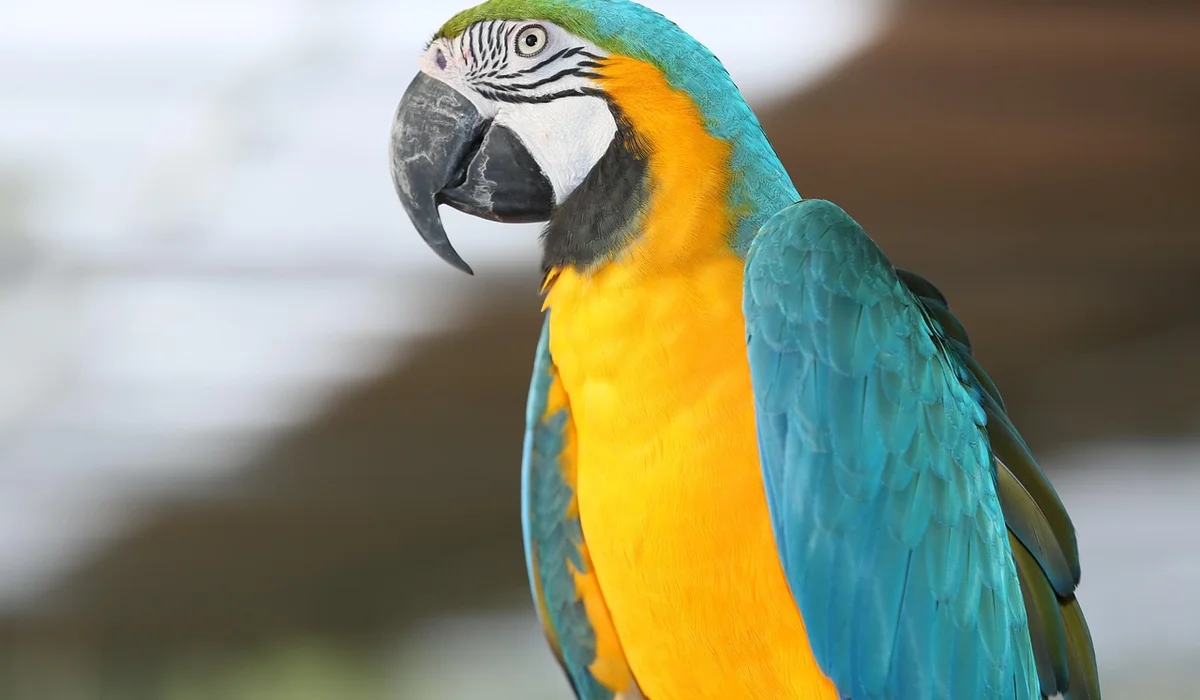
Identifying and Avoiding Blood Feathers
Blood feathers are new, growing feathers with an active blood supply, and cutting them can cause serious bleeding. Always inspect each feather carefully under good lighting to spot any dark, shiny, or soft ones that indicate a blood feather. I learned this the hard way with Kiwi, my Green-cheeked Conure – once, I missed a blood feather and had to rush to stop minor bleeding, which taught me to double-check every time. Use your fingers to gently feel for stiffness; blood feathers are more flexible and can be painful if disturbed.
- Look for feathers with a reddish or dark core when held up to light.
- Avoid trimming any feather that looks different from the mature, hardened ones.
- If you find a blood feather, skip it and move to a safe one to prevent injury.
Proper Feather Trimming Technique
Start by gathering sharp, bird-specific scissors and having a helper hold your parrot securely but gently. Trim only the primary flight feathers, cutting at a slight angle about halfway down the feather shaft to mimic natural wear and avoid sharp edges. With Sunny, my Sun Conure, I always do one wing at a time and keep treats nearby to reward calm behavior – this makes the process smoother and less stressful. Never cut too close to the base, as it can lead to discomfort or bleeding. Feather care is part of a broader grooming routine that also includes nails and beak care. If you’re wondering whether you should groom your parrot’s nails and beak as part of feather care, consult with a vet or avian groomer to learn safe, appropriate techniques.
- Extend the wing fully to expose the flight feathers.
- Identify the first 5-7 primary feathers from the wingtip inward.
- Make a clean, quick cut, ensuring both wings are trimmed symmetrically for balance.
Monitoring for Stress Signals
Parrots can get stressed quickly during wing clipping, so watch for signs like puffing up, rapid breathing, or attempts to bite. If your bird shows any stress signals, stop immediately and give them a break to calm down before continuing. I’ve seen Sage, my African Grey, get tense with heavy breathing, and pausing for a minute with soft words always helps her relax. Recognizing these cues early prevents trauma and builds trust over time. This calm, gradual handling also helps during vet visits to reduce stress when exams or procedures are necessary. Practice similar handling at home before an appointment so your parrot knows what to expect.
- Puffed feathers or wide eyes indicate fear.
- Vocalizations like squawking or hissing mean discomfort.
- Offer a favorite toy or treat to distract and soothe them.
Feather Focus: Which Ones to Trim and Why
Understanding Wing Anatomy
A parrot’s wing has primary, secondary, and covert feathers, but only the primaries – the long ones at the wing’s edge – should be trimmed to limit flight. Focus on the outermost primary feathers because cutting these reduces lift without affecting the bird’s ability to glide safely to the ground. Think of it like trimming the tips of your hair: you don’t cut too much, just enough to manage length. From my experience with Kiwi, trimming 5-6 primaries per wing keeps her from flying far but lets her hop around comfortably.
- Primary feathers are key for powered flight and are the main target.
- Secondary feathers help with steering and should generally be left alone.
- Covert feathers provide insulation and aren’t involved in flight control.
Avoiding Common Mistakes
Many owners trim too many feathers or cut unevenly, leading to balance issues or injury. Always trim conservatively and check both wings for symmetry to prevent your parrot from tipping over or struggling to perch. I once over-trimmed Sage’s wings, and she had trouble landing for a day – now, I err on the side of caution and trim less initially. Avoid cutting blood feathers, as mentioned, and never rush the process; patience ensures your bird’s welfare comes first.
- Don’t trim secondary feathers, as it can impair gliding and cause falls.
- Use a mirror or helper to ensure both sides match in length.
- If unsure, trim fewer feathers and reassess – you can always trim more later.
Tailoring the Clip to Your Parrot’s Species
Every parrot species has unique needs when it comes to wing clipping, and what works for one might not suit another. I’ve learned this firsthand with my own flock, where Kiwi’s playful energy and Sage’s calm demeanor demanded different approaches to keep them safe. Tailoring the clip helps prevent injuries and reduces stress, making the process smoother for both of you.
Clipping Tips for Quaker Parrots and Similar Birds
Quaker parrots, along with other medium-sized birds like conures or cockatiels, often have a feisty spirit that requires a gentle yet firm touch. From handling my Green-cheeked Conure Kiwi, I found that clipping just the primary flight feathers on one wing can help them glide safely without losing balance. Here are some key tips:
- Focus on trimming the outermost 5-7 primary feathers to limit lift without causing a hard fall.
- Use sharp, clean scissors designed for birds to avoid fraying feathers, which I always do for Sunny, my Sun Conure, to prevent discomfort.
- Keep sessions short and calm, as these birds can get anxious-offer a favorite toy or treat afterward to build positive associations.
Quakers and similar species may try to “talk back” or squirm, so patience is your best tool. I’ve noticed that a slow, steady approach with Kiwi reduces his fussiness and makes him more cooperative over time.
Adjusting for Size and Behavior
Size and personality play huge roles in how you should clip wings, and ignoring them can lead to accidents or fear. Smaller birds, like budgies or lovebirds, need fewer feathers trimmed to avoid over-clipping, which I learned when helping a friend’s pet-it’s all about balance. For larger parrots, such as African Greys like my Sage, a more conservative clip works best to maintain their dignity and mobility.
- For aggressive or nervous birds, have a second person assist or use a towel wrap to minimize stress-Sunny’s social nature means he responds well to gentle talking during the process.
- Observe your parrot’s flight habits; if they’re strong fliers, clip symmetrically on both wings to prevent spinning or crashes.
- Adjust the clip based on age and health-younger birds might need less trimming, while older ones require extra care to avoid joint strain.
Behavioral cues are your guide; if your bird seems scared, take a break and try again later. Watching Sage’s intelligent reactions taught me that respecting their personality leads to a happier, healthier bird.
Post-Clip Care: Keeping Your Bird Happy and Healthy
After clipping, your parrot’s well-being is the top priority, and proper care can prevent complications and boost their mood. I always follow up with a cozy setup and extra attention, like I do for Kiwi, to reassure him that he’s safe and loved. This phase is crucial for maintaining trust and ensuring a smooth recovery. For sick parrots, home first aid and emergency care steps can help stabilize them while you arrange veterinary care. If symptoms worsen, seek urgent veterinary help immediately.
Immediate Aftercare Steps
Right after clipping, your bird might feel disoriented or stressed, so act quickly to comfort them. Check for any signs of bleeding or feather damage immediately, as even a small nick can cause pain-I keep styptic powder on hand for emergencies with my flock. Follow these steps to ease the transition:
- Place your parrot in a familiar, low-perch cage to prevent falls and encourage rest.
- Offer their favorite foods or treats, like fruits or nuts, to distract and reward them-Sunny loves a bit of apple after a trim.
- Monitor for unusual behavior, such as excessive preening or lethargy, and provide quiet time to reduce anxiety.
Keep the environment calm and avoid sudden movements to help them adjust. Giving Kiwi a few minutes of gentle petting post-clip has made him more relaxed and willing to trust me again.
Long-Term Monitoring and Vet Checkups
Ongoing care ensures your parrot stays healthy and doesn’t develop issues from the clip. Regularly inspect their wings as feathers regrow, watching for infections or uneven growth, which I do monthly with Sage to catch problems early. Long-term monitoring involves simple habits that support their overall welfare.
- Schedule vet checkups every 6-12 months to assess wing health and discuss any behavioral changes.
- Encourage light exercise, like climbing or short flights in a safe area, to maintain muscle tone without risk.
- Watch for stress signs, such as feather plucking or loss of appetite, and adjust their routine if needed.
Advocating for animal welfare means prioritizing their comfort over convenience. By staying vigilant with my birds, I’ve seen how consistent care leads to longer, happier lives full of playful moments.
Flight Alternatives: Other Ways to Manage Mobility
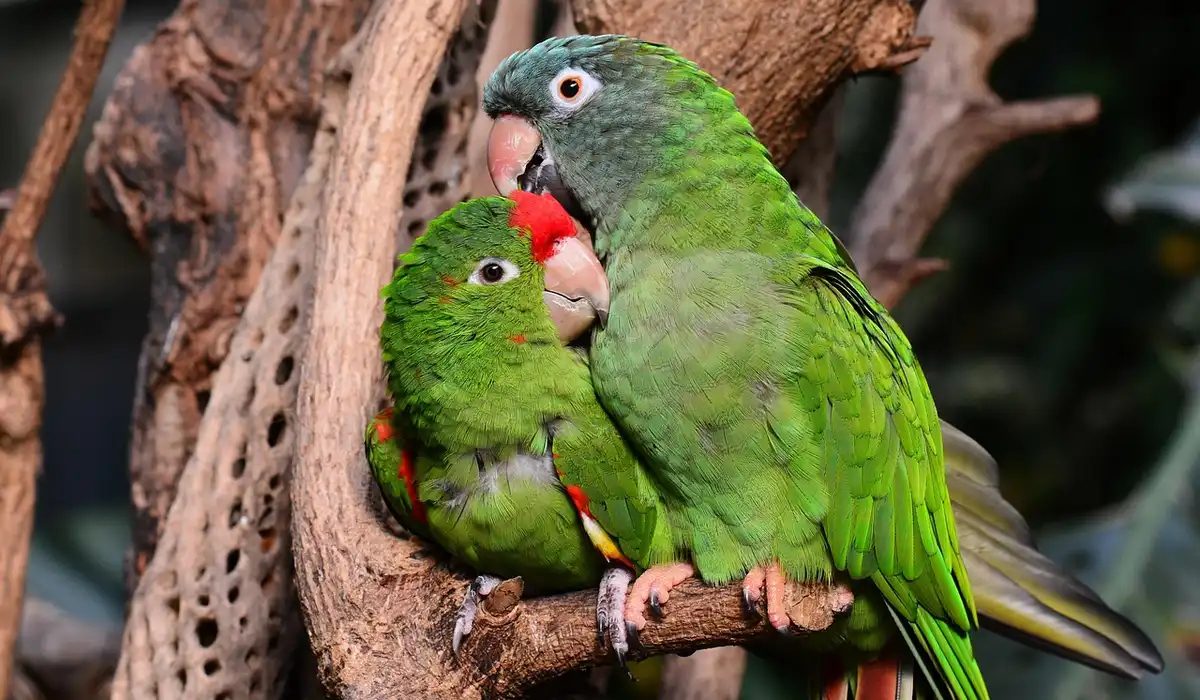
Training for Controlled Flight
You don’t have to choose between full flight and no flight. Target training your parrot to fly on command gives them exercise while keeping you in control of the situation. This is an example of positive reinforcement training for parrots. Rewards help them learn and stay motivated. I practice this daily with my Green-cheeked Conure, Kiwi; I hold a small stick (the target) and reward him with a piece of walnut when he flies to it from his play stand.
Start in a small, safe room with few obstacles.
- Use a familiar, high-value treat your parrot loves.
- Keep initial flight distances very short, just a foot or two.
- Always end the session on a positive note, even if it’s just one successful flight.
This method builds their confidence and strengthens your bond. It transforms flight from a potential escape route into a fun, interactive game you both enjoy.
Enrichment and Exercise Options
A busy parrot is a happy parrot, and a happy parrot is less likely to seek out dangerous flights. Physical and mental stimulation are absolutely critical for a clipped or fully-flighted bird’s well-being. My Sun Conure, Sunny, would get into everything if I didn’t keep her mind occupied.
Rotate these activities to prevent boredom.
- Foraging Toys: Hide their favorite foods inside puzzle toys. This mimics natural behavior and keeps them busy for hours.
- Climbing Gyms: Create a play area with ropes, ladders, and perches at different levels to encourage climbing and exploration.
- Training Sessions: Teach simple tricks like “turn around” or “wave.” This mental workout is just as tiring as physical flight.
- Supervised Exploration: Let your parrot walk around a bird-proofed room under your watchful eye. They’ll appreciate the change of scenery.
I’ve found that a combination of these options keeps my flock content and healthy. Enrichment isn’t a luxury; it’s a fundamental part of responsible parrot care that directly impacts their quality of life.
Knowing When to Seek Professional Help
Signs You Need an Avian Veterinarian
Wing care can sometimes go wrong, and recognizing an emergency is a vital skill. Bleeding from a blood feather, also called a “pin feather,” is a true medical emergency that requires immediate professional intervention. I once nicked a blood feather on my African Grey, Sage, and the sight of the blood was terrifying.
Do not attempt to handle these situations alone.
- Any amount of bleeding from the wing that doesn’t stop with gentle pressure.
- Visible signs of pain, like refusing to put weight on a wing or constant crying.
- A wing that is held in a drooping or unnatural position.
- Your bird appears stressed, is panting, or becomes lethargic after a wing trim.
An avian vet has the specialized tools and knowledge to stop bleeding safely and manage pain. Having the number of an emergency avian vet saved my hand on your bird’s health is always the right decision.
Building a Support Network
You are not alone on this parrot parenting journey. Connecting with other bird owners provides a wealth of shared experience and emotional support you can’t find anywhere else. When I was a new owner, the advice I got from a local parrot club was invaluable.
Start building your community today.
- Find a certified avian veterinarian and establish a relationship before any emergencies happen.
- Join online forums or social media groups dedicated to your specific parrot species.
- Look for local parrot clubs or bird fairs where you can meet experienced owners face-to-face.
- Consider a professional avian groomer for wing and nail trims if you lack confidence.
This network becomes your go-to resource for everything from behavior questions to vet recommendations. Your support system is a safety net for both you and your feathered friend, ensuring you always have somewhere to turn for help.
FAQs
Is wing clipping painful for parrots?
When performed correctly, wing clipping is not painful as it only trims the keratin-based feather shafts, similar to cutting hair. Always avoid blood feathers to prevent discomfort and ensure a stress-free experience for your bird.
How long does it take for clipped feathers to regrow?
Clipped feathers typically regrow during the next molt cycle, which usually occurs every 3 to 6 months depending on your parrot’s species and health. Monitor new feather growth regularly to schedule trims as needed for consistent safety. Understanding this regrowth ties into avian regeneration, including how beaks and other keratin structures renew. Healthy regrowth reflects good nutrition and overall care.
Can wing clipping cause long-term behavioral issues?
Improper or frequent clipping without enrichment may lead to stress or frustration, but when done thoughtfully, it can support training and bonding. Provide ample exercise and mental stimulation to maintain your parrot’s well-being and prevent negative behaviors.
Final Thoughts
From my time with parrots like Kiwi and Sunny, I’ve found that safe wing clipping hinges on patience, proper tools, and a calm approach. Always work with a helper, use sharp scissors to avoid fraying feathers, and only trim the primary flight feathers to allow controlled gliding while preventing full flight. This method minimizes stress and reduces injury risks for your bird.
Owning a parrot is a rewarding journey that demands ongoing care and education. Stay engaged with resources on diet, behavior, and health to ensure your feathered companion thrives in a loving home. Your commitment to learning reflects true dedication to animal welfare and builds a stronger bond with your pet. Foraging-based enrichment is a key part of that journey, and you can explore the ultimate guide to foraging to enrich your parrot’s diet. It helps diversify foods and keeps your bird mentally engaged.
Further Reading & Sources
Suzanne Levine is a dedicated parrot enthusiast and experienced avian caregiver with over 15 years of hands-on experience in parrot care. As the founder of Parrot Care Central, Suzanne is passionate about sharing her knowledge and insights to help fellow parrot owners provide the best possible care for their feathered friends. Her expertise spans nutrition, behavior, health, and enrichment, making her a trusted resource in the parrot care community.
Feather Care