
How Can I Stop My Parrot from Plucking Its Feathers?
Published on: January 27, 2026 | Last Updated: January 27, 2026
Written By: Suzanne Levine
Feather plucking in parrots is a frustrating and worrisome behavior that can leave you feeling helpless as you watch your feathered friend harm itself.
I’ve faced this with my own parrots-like when Kiwi, my Green-cheeked Conure, started over-preening out of boredom-and I know how urgent it feels to find a solution that prioritizes their well-being.
In this guide, I’ll share insights from my experience to help you address this issue effectively, focusing on three core areas:
- Identifying the root causes, from stress and diet to health problems.
- Implementing simple, engaging activities to curb boredom and anxiety.
- Recognizing when to seek expert veterinary care for long-term health.
You’ll get clear, step-by-step advice that’s easy to apply. Topics covered include behavioral triggers, enrichment tips, dietary adjustments, habitat changes, and vet consultations.
Uncover Why Your Parrot Is Pulling Out Feathers
You might feel worried seeing your parrot pull out its own feathers, but understanding the root causes is your first step to helping them. Feather plucking often stems from hidden health issues or emotional distress, so it’s like solving a puzzle to give your bird relief. I’ve dealt with this myself when Kiwi, my Green-cheeked Conure, started over-preening during a stressful move, and it taught me to look deeper into their world.
Common triggers for feather plucking include:
- Medical problems like infections, parasites, or nutritional deficiencies-these can make their skin itchy or painful.
- Behavioral issues from boredom, loneliness, or stress, such as changes in their routine or environment.
- Environmental factors, including poor diet, lack of stimulation, or improper cage setup that doesn’t meet their natural needs.
Observe your parrot closely for clues like changes in eating habits or vocalizations. Every bird is unique, so what affected Sunny, my social Sun Conure, might differ from Sage, my calm African Grey, who needed more mental challenges. Keeping a simple journal of when plucking happens can reveal patterns and guide your next steps.
Schedule a Veterinary Visit for a Thorough Health Check
Once you spot possible causes, don’t wait-book an appointment with an avian vet right away. A professional checkup can rule out serious health problems that you might miss, ensuring your parrot gets the care it deserves. I learned this the hard way when Kiwi’s plucking turned out to be a minor skin infection that cleared up quickly with treatment.
To make the most of your vet visit:
- Choose a vet who specializes in birds, as they have the right tools and knowledge for parrots.
- Bring notes on your parrot’s behavior, diet, and any recent changes-this helps the vet pinpoint issues faster.
- Prepare a travel carrier that’s safe and comfortable to reduce stress during the trip.
Advocating for animal welfare means prioritizing their health above all. Regular vet visits not only address plucking but also prevent bigger problems, giving you peace of mind and your parrot a happier life.
What to Expect During the Medical Checkup
Walking into the vet’s office might feel nerve-wracking, but knowing what happens can ease your mind. The vet will start with a gentle physical exam, checking your parrot’s skin, feathers, and overall condition for signs of illness or injury. When I took Sage in, the vet spent time just observing her movements to gauge her comfort level. To help minimize stress for your parrot, practice gentle handling at home before the visit and bring a familiar perch or toy. During the exam, follow the vet’s instructions for holding or restraint to keep both of you safe and calm.
Typical steps in a checkup include:
- A visual inspection of the plumage and skin for redness, sores, or parasites.
- Blood tests or swabs to detect infections, hormonal imbalances, or nutritional gaps.
- Questions about your parrot’s daily life, like diet, social interactions, and cage environment.
Be ready to discuss everything openly, as vets rely on your observations. This process is collaborative, and your input helps tailor a treatment plan that addresses both physical and emotional needs. After Sunny’s visit, we adjusted her diet and added more toys, which made a huge difference in her feather health.
Address Stress and Boredom with Environmental Enrichment
Boost Mental Stimulation with Fun Activities
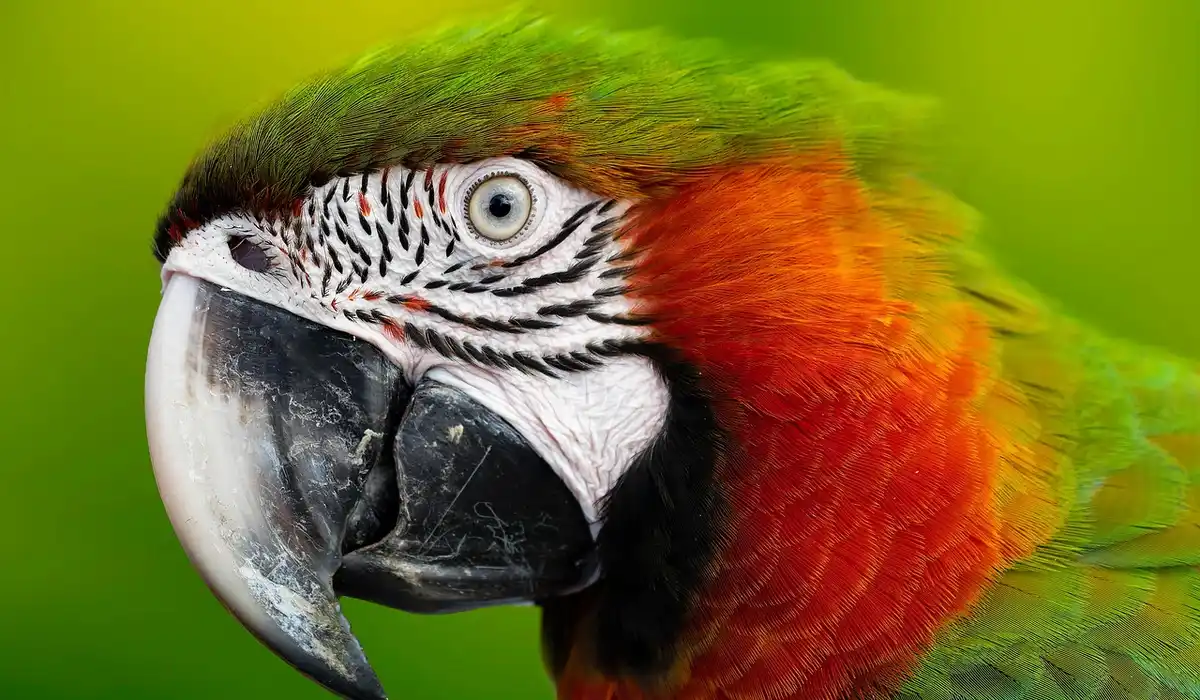
Parrots are incredibly smart and need constant mental engagement to stay happy. Boredom often triggers feather plucking, so I make sure my birds have plenty of exciting activities. With Kiwi, my Green-cheeked Conure, I saw a huge change when I started rotating his toys every few days.
- Offer foraging toys filled with treats to mimic natural hunting behaviors.
- Teach simple tricks like waving or turning around using positive reinforcement.
- Set up puzzle feeders that require problem-solving to access food.
- Introduce new textures and sounds, like crinkly paper or wooden blocks.
I noticed Sage, my African Grey, loves learning new words and sounds. Engaging their minds daily reduces stress and keeps feathers intact. Try varying activities to see what your parrot enjoys most. It’s especially rewarding when you discover just how intelligent they are.
Create a Calm and Consistent Routine
Parrots thrive on predictability, and a stable routine can ease anxiety that leads to plucking. Keeping a regular schedule for feeding, play, and sleep made a world of difference for Sunny, my Sun Conure. He used to get restless when things changed suddenly. Science shows that parrots have REM sleep and can experience night frights, which can disrupt rest. Understanding this sleep science helps me tailor routines to support calm nights and steady behavior.
- Feed your parrot at the same times each day to build trust.
- Set aside quiet periods for rest, away from loud noises or disruptions.
- Maintain a consistent bedtime to support healthy sleep patterns.
- Gradually introduce changes to avoid startling your bird.
In my home, I keep the environment peaceful with soft lighting during evening hours. A steady routine helps parrots feel secure and less likely to harm their feathers. Watch how your bird responds and adjust slowly. For a deeper understanding, this ultimate guide covers full-spectrum lighting for parrots and how to optimize it for health and wellbeing. It explains color temperatures, timing, and how to mimic natural daylight.
Implement a Step-by-Step Behavioral Modification Plan
Monitor and Record Your Parrot’s Behavior
Tracking your parrot’s actions helps identify patterns behind feather plucking. I started a simple journal for Sage, noting when plucking occurred and what was happening around him. This revealed triggers like loud noises or loneliness.
- Observe your parrot daily and jot down times of plucking episodes.
- Note environmental factors, such as new people or changes in the room.
- Record diet, sleep, and social interactions to spot correlations.
- Review your notes weekly to adjust your approach based on insights.
With Kiwi, I found he plucked more when left alone for long periods. Keeping detailed records empowers you to make targeted changes that address the root cause. It’s a game-changer for stopping this habit.
Fine-Tune Nutrition for Healthy Feathers
A balanced diet is crucial for preventing feather issues, as poor nutrition can worsen plucking. After tweaking my parrots’ meals, I saw healthier feathers and less destructive behavior. For example, adding fresh veggies to Sunny’s diet boosted his overall vitality. In the ultimate guide to foraging, you’ll find practical ways to enrich a parrot’s diet with foraged foods and puzzle feeders. These ideas turn feeding time into a nutritious, mentally engaging activity.
- Include a variety of fresh fruits and vegetables, like carrots and apples.
- Provide high-quality pellets as a base to ensure essential nutrients.
- Offer protein sources such as cooked eggs or legumes in moderation.
- Avoid sugary or fatty treats that can lead to imbalances.
I always check for signs of deficiencies, like dull feathers, and consult a vet if needed. Proper nutrition supports strong feathers and reduces the urge to pluck. Small dietary adjustments can have a big impact on your parrot’s well-being. Following general parrot dietary guidelines—such as a mix of quality pellets, fresh fruits and vegetables, and constant access to clean water—helps ensure balanced nutrition. This foundation supports long-term health and plumage quality.
Prevent Future Feather Plucking with Long-Term Care
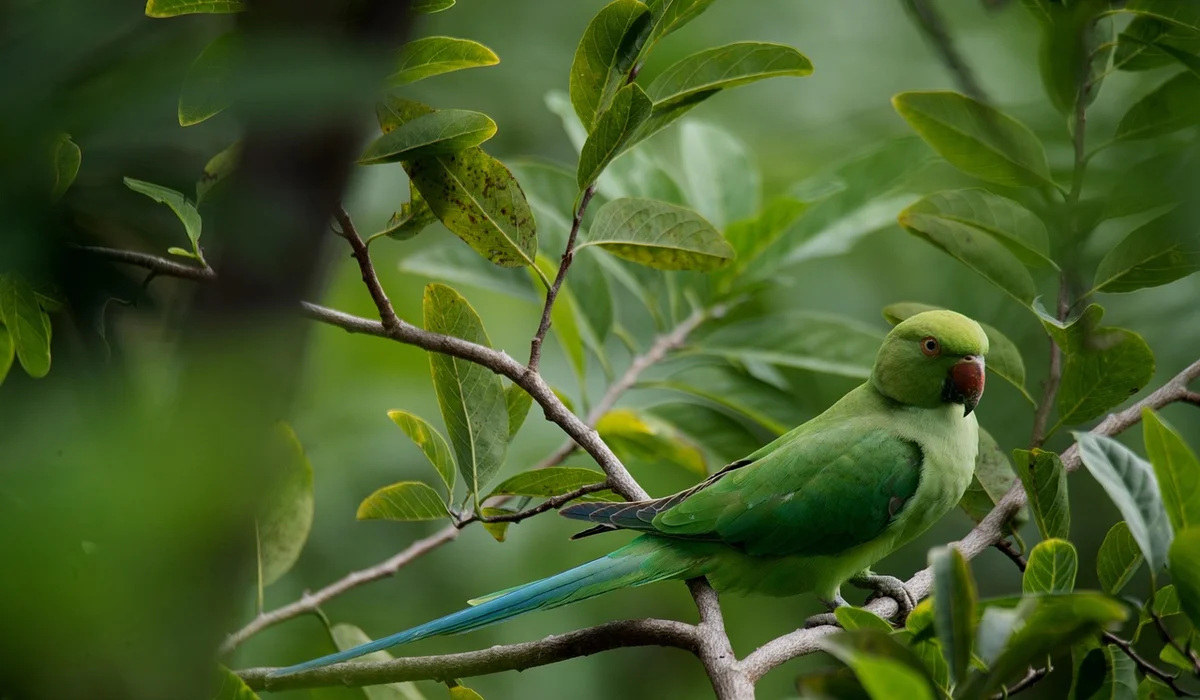
Think of your parrot’s well-being like a sturdy tree; it needs strong, deep roots to thrive. Building a consistent daily routine is your most powerful tool against feather plucking. My conure, Kiwi, thrives on knowing exactly when breakfast comes, when playtime starts, and when the lights go out. If this is your new parrot’s first day home, follow a simple step-by-step survival guide to help it settle in. We’ll translate that routine into practical first-day actions.
Enrich Their Environment Daily
A bored parrot is a plucking parrot. I rotate toys in my birds’ cages every single week to keep their minds busy. That’s why understanding why my parrot is bored matters. I offer tips and enrichment ideas to keep them engaged.
- Foraging toys that hide treats make them work for food, just like in the wild.
- Shreddable toys made of palm leaves or cardboard satisfy that natural need to destroy things.
- Puzzle toys that require manipulation keep their brains active and engaged.
Optimize Diet and Nutrition
Feathers are made of protein, so a poor diet directly impacts their quality. I saw a huge improvement in Sage’s plumage when I switched from a seed-heavy diet to high-quality pellets and fresh vegetables.
- Provide a base of formulated pellets for balanced nutrition.
- Offer a colorful chop of fresh veggies like sweet potato, bell peppers, and leafy greens.
- Limit high-fat seeds and nuts to occasional treats only.
Establish a Predictable Routine
Parrots find immense comfort in predictability. My birds know that 7 PM means covered cages and quiet time. This reduces their stress significantly.
- Wake them up and offer breakfast at the same time every morning.
- Schedule out-of-cage play and social interaction for consistent periods.
- Ensure they get 10-12 hours of uninterrupted darkness for proper sleep.
Avoid Common Mistakes That Worsen Feather Plucking
In our desperation to help, we sometimes make the problem much worse. Punishing a plucking bird only adds a massive layer of fear and anxiety to their existing stress. I learned this the hard way early on.
Don’t Use Aversive Methods
Yelling, spraying with water, or covering the cage for long periods are counterproductive. These actions tell your parrot they are doing something bad, but they don’t understand what. A gentler approach is to teach your parrot to accept a towel through slow, positive training. When done calmly, towel-based handling can be a safe, stress-free part of routine care.
- Never punish the behavior. It is a symptom, not a deliberate act of defiance.
- Avoid “bitter sprays” or other topical deterrents; they can irritate skin and increase distress.
- Do not isolate the bird as a punishment; social creatures need companionship.
Resist the Quick Fix
Collars, or Elizabethan collars, are a last resort, not a solution. While a collar can prevent physical damage to feathers, it does nothing to address the underlying cause of the plucking. It can also cause immense frustration.
- Collars should only be used under direct veterinary guidance for severe, self-mutilating cases.
- They can prevent a bird from eating, drinking, and preening properly.
- The relief is temporary, and the plucking often resumes immediately after the collar is removed.
Don’t Ignore the Signs of Progress
Healing is not linear. Your parrot might have a good week followed by a bad day. Celebrating small victories, like a new pin feather emerging untouched, builds your confidence and your bird’s resilience. Feather regrowth is a visible sign of avian regeneration, and understanding this process helps you stay patient. This awareness can ease stress for both you and your bird. When Sunny went two days without plucking, I made a huge, happy fuss over her.
- Focus on the new feather growth, not just the missing ones.
- Keep a simple journal to track potential triggers and positive trends.
- Stay patient. Regrowing a full coat of feathers can take many months.
FAQs
How long does it typically take for a parrot to stop plucking its feathers?
The timeline varies based on the underlying cause, but with consistent intervention, you might see improvement within a few weeks to several months. Stay patient and maintain your efforts, as feather regrowth alone can take months to complete.
Are there any safe supplements I can give my parrot to support feather health?
Always consult an avian vet before introducing supplements, as improper use can lead to imbalances or toxicity. A well-rounded diet with high-quality pellets and fresh foods typically provides all necessary nutrients for healthy feathers.
Can feather plucking be prevented in young parrots?
Yes, by establishing a stimulating environment and balanced diet early on, you can reduce the likelihood of plucking behaviors. Consistent routines and positive social interactions from a young age help build habits that support long-term feather health.
Final Words
To halt feather plucking, start by ruling out health issues with a vet and then enrich their environment with toys, social interaction, and a varied diet. From my years caring for birds like Sunny, I’ve learned that consistent routines and mental challenges often turn plucking into playful preening.
Responsible parrot ownership means committing to lifelong learning and adapting to their evolving needs. Keep exploring new care strategies to give your feathered friend the happy, healthy life they deserve.
Further Reading & Sources
- Unraveling the Truth of Feather Plucking | Garuda Aviary
- Feather-plucking – Wikipedia
- Feather Plucking – What Is It And How To Stop It? – Northern Parrots
Suzanne Levine is a dedicated parrot enthusiast and experienced avian caregiver with over 15 years of hands-on experience in parrot care. As the founder of Parrot Care Central, Suzanne is passionate about sharing her knowledge and insights to help fellow parrot owners provide the best possible care for their feathered friends. Her expertise spans nutrition, behavior, health, and enrichment, making her a trusted resource in the parrot care community.
Feather Care