
Best Diet and Nutrition Guide for Your Amazon Parrot
Published on: January 20, 2026 | Last Updated: January 20, 2026
Written By: Suzanne Levine
Feeding your Amazon parrot can feel overwhelming, and many owners worry they’re getting the diet wrong without even realizing it. I’ve been there too, watching my own parrots and learning what truly works through trial, observation, and a lot of research.
You’re in the right place to clear up the confusion. I’ll walk you through the core principles to ensure your feathered friend thrives. Here are the three most important takeaways we’ll cover:
- Variety is non-negotiable-a seed-only diet is a slow path to health problems.
- Knowing which human foods are toxic can literally save your parrot’s life.
- Portion control and a consistent feeding schedule prevent obesity and picky eating.
By the end of this guide, you’ll have a clear, actionable plan. We’re covering everything from the basics to pro tips. Core Diet Components, Dangerous Foods to Avoid, Daily Feeding Schedule, Necessary Supplements, Advanced Nutrition Tips
Understanding Amazon Parrot Nutritional Needs
Feeding your Amazon parrot isn’t just about filling a bowl; it’s about recreating the rich, varied diet they’d find in the wild. In the wild, their meals change with the seasons, packed with fruits, nuts, seeds, and even blossoms, which gives them a full spectrum of nutrients. My own parrots, like Kiwi and Sunny, thrive when their diet mimics this natural variety. Do parrots eat wild? They do, foraging a varied, seasonally changing menu in the wild that includes fruits, nuts, seeds, greens, and blossoms.
Let’s break down the key nutrients your feathered friend needs to stay vibrant and healthy.
- Vitamin A: Crucial for vision, skin health, and a strong immune system. A lack of it is a common issue in captive birds. Think bright orange and dark green veggies.
- Calcium: Vital for strong bones, a sturdy beak, and proper nerve function. Eggshells and certain dark leafy greens are fantastic sources.
- Omega Fatty Acids: These keep their feathers shiny, support brain health, and reduce inflammation. You’ll find these in nuts and some seeds.
Here is a quick guide to essential nutrients and where to find them.
- Vitamin A: Sweet potatoes, carrots, kale, and mango.
- Calcium: Broccoli, dandelion greens, and fortified pellets.
- Protein: Cooked legumes, a small amount of hard-boiled egg, and quality pellets.
- Omega-3s: Flaxseeds, walnuts, and chia seeds.
Safe and Healthy Foods for Amazon Parrots
Providing a colorful mix of foods is the secret to a happy, healthy Amazon. I’ve found that a base of high-quality pellets, making up about 50-60% of their diet, ensures they get a balanced foundation of vitamins and minerals. The rest should be a daily rotation of fresh, bird-safe produce. Additionally, it’s important to know which foods are toxic to parrots and should be avoided. A complete list of foods to avoid can be a quick reference.
Here is a list of foods my flock goes crazy for.
- Fruits: Berries (all types), oranges (in moderation), apples (seeds removed), pomegranate, and papaya.
- Vegetables: Bell peppers (all colors), steamed sweet potato, broccoli florets, carrots, and zucchini.
- Leafy Greens: Kale, spinach, Swiss chard, and romaine lettuce.
- Other Healthy Options: Cooked brown rice, quinoa, sprouted seeds, and unsalted almonds.
Introducing new foods can be tricky with a suspicious parrot. My Sage was incredibly hesitant at first, so I started by eating the new food in front of her with great enthusiasm, which piqued her curiosity. Homemade parrot food recipes can offer healthy, nutritious options you tailor to Sage’s tastes. DIY mixes give you control over ingredients and portion sizes. Patience is your best tool. Offer the new item alongside a favorite food, chop it finely to mix into a familiar meal, and don’t give up if they reject it the first ten times. Consistency and a positive attitude from you make all the difference.
Foods to Avoid for Amazon Parrot Safety
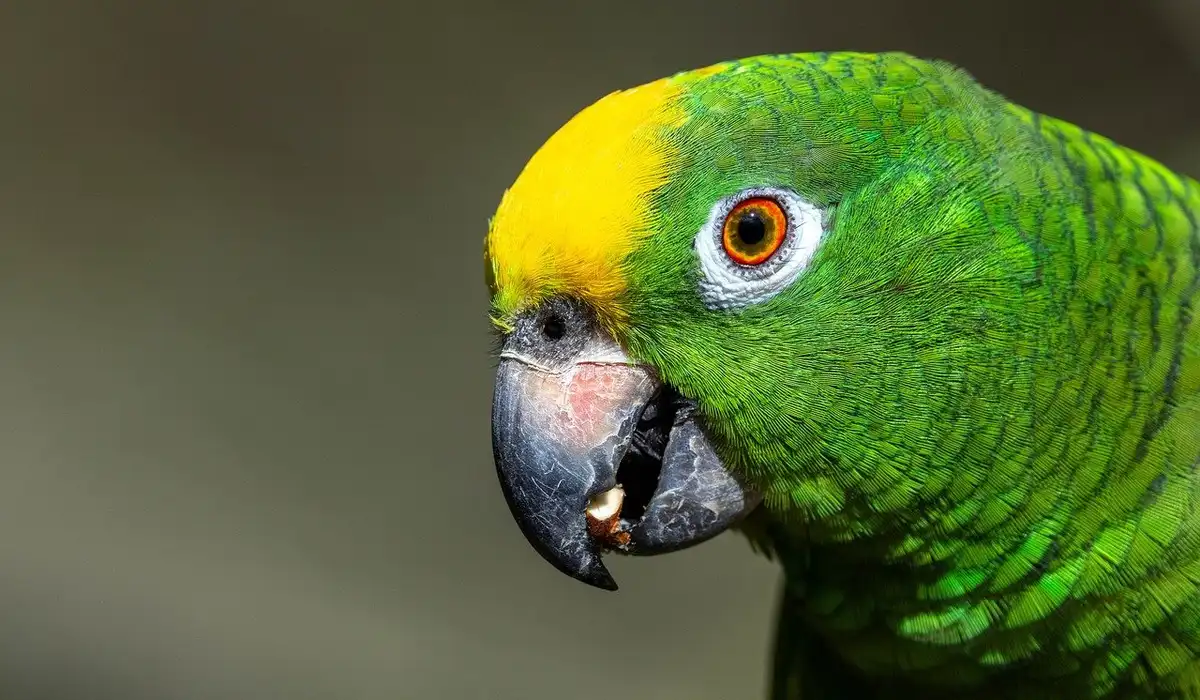
Protecting your parrot means knowing what never lands in their food bowl, as some common human foods can be deadly for them. My own birds, Kiwi and Sunny, are incredibly curious, and I’ve had to be extra vigilant to keep them safe.
- Avocado: Every part of this fruit, especially the pit and skin, contains persin, a toxin that causes rapid heart failure and respiratory distress in birds.
- Chocolate: It contains theobromine and caffeine, which a parrot’s small body cannot process, leading to vomiting, seizures, and potential death.
- Processed Foods: Items with high salt, sugar, or artificial preservatives put immense strain on their delicate kidneys and liver, shortening their lifespan.
- Caffeine & Alcohol: These substances are potent toxins that can cause cardiac arrest and severe neurological damage in a very short amount of time.
- Onions & Garlic: They contain compounds that can cause anemia by destroying a parrot’s red blood cells, leading to weakness and organ failure.
Feeding these items, even just once, is a serious welfare issue. Their bodies are not designed to process these toxins, and the consequences are swift and severe. It’s our responsibility to create a safe environment where they can thrive.
| Safe Foods | Dangerous Foods |
|---|---|
| Fresh Apples (no seeds) | Avocado |
| Carrots & Bell Peppers | Chocolate & Candy |
| Cooked Quinoa & Brown Rice | Salty Chips & Processed Snacks |
| Almonds & Walnuts (unsalted) | Coffee, Tea, & Alcohol |
| Leafy Greens like Kale | Onions & Garlic |
Diet Variations for Different Amazon Parrot Species
While all Amazons share core dietary needs, their species and unique personalities can influence their specific tastes and nutritional tweaks. Just like my conures have different preferences, Amazons do too!
From my experience, a Blue-fronted Amazon often has a more adventurous palate. They typically enjoy a wider variety of fruits and might be more willing to try new, brightly colored vegetables. My friend’s Blue-front, Paco, goes crazy for pomegranate arils and yellow bell peppers.
Yellow-headed Amazons can be a bit more particular. They sometimes develop strong preferences for certain nuts and seeds, so you need to ensure they still eat their pellets and veggies. Offering chopped walnuts or pecans as a training reward can work wonders for these clever birds.
Double Yellow-headed and Lilac-crowned Amazons often fall somewhere in the middle. Observing your individual bird is the real key to success, as their personal quirks matter most. My sage African Grey prefers methodical foraging, while Sunny the Sun Conure eats with joyful abandon-Amazons have their own unique styles too.
| Amazon Species | Dietary Notes & Preferences |
|---|---|
| Blue-fronted Amazon | Often loves diverse fruits like berries, mango, and pomegranate. Enjoys exploring new food textures. |
| Yellow-headed Amazon | May have a stronger preference for nuts. Important to monitor fat intake and encourage vegetable consumption. |
| Double Yellow-headed Amazon | Generally has a good appetite for pellets, fresh veggies, and occasional fruit treats. Can be enthusiastic eaters. |
| Lilac-crowned Amazon | Often enjoys a mix of chopped vegetables and high-quality seeds mixed into their staple pellet diet. |
Building a Balanced Daily Feeding Routine
Creating a solid feeding plan for your Amazon parrot feels like setting up a fun, healthy rhythm for both of you. I’ve found that mixing pellets, fresh foods, and treats keeps my birds like Sage engaged and thriving. Start with high-quality pellets as the foundation – they’re packed with balanced nutrients. If you’re weighing pellets vs seeds as your parrot’s base diet, pellets are typically the more balanced foundation, with seeds kept as occasional treats or supplements.
- Begin each day by filling a clean bowl with pellets, making up about 60-70% of their diet.
- Add fresh fruits and veggies like apples, carrots, and leafy greens for variety and vitamins.
- Limit treats like nuts or seeds to no more than 10% of daily intake to avoid weight gain.
Portion sizes depend on your parrot’s size and activity level—aim for about 1/4 to 1/2 cup of food total per day. Feeding twice daily, in the morning and evening, mimics their natural eating patterns and prevents overeating. For species-specific guidance, see our parrot diet requirements—a complete feeding guide. It covers safe foods, portions, and how to tailor meals to different species. Always provide fresh, clean water in a sturdy bowl, changing it at least once a day to keep it safe.
Foraging is a blast for parrots and reduces boredom. Try hiding bits of food in cardboard tubes or hanging toys to encourage natural hunting instincts. With Kiwi, I use simple DIY foraging boxes filled with shredded paper and treats, and she loves the challenge. For more tips, check out The Ultimate Guide to Foraging.
Common Feeding Mistakes and How to Fix Them
Many parrot owners, including me early on, slip into habits that can harm their birds’ health. Overusing seeds is a big one—they’re high in fat and low in nutrients, leading to obesity and deficiencies. Another mistake is sticking to the same foods, which misses out on essential vitamins. These are common parrot feeding mistakes to avoid. We’ll walk you through practical fixes to keep your bird healthy.
- Gradually reduce seed intake by mixing pellets in, increasing the ratio over a week or two.
- Introduce new foods slowly, offering small pieces alongside favorites to build trust.
- Rotate fruits and veggies weekly to ensure a broad nutrient profile and keep meals exciting.
- Monitor your parrot’s weight and behavior, adjusting portions if they seem lethargic or overweight.
- Consult an avian vet for personalized advice, especially if switching diets causes stress.
From my years with Sunny, I learned that variety prevents picky eating and supports long-term health. Staying observant and flexible helps you catch issues early and keep your parrot happy. Always prioritize fresh, whole foods over processed options for the best results. This is a good moment to explore parrot diet myths debunked: 7 common misconceptions about avian nutrition. Understanding these myths helps you feed with confidence.
FAQs
Can Amazon parrots consume dairy products like cheese or yogurt?
Amazon parrots cannot properly digest lactose in dairy, which can lead to digestive upset or diarrhea. It is safer to avoid dairy entirely and stick to bird-safe treats like small pieces of fruit or nuts.
How much water should an Amazon parrot drink each day?
An Amazon parrot typically drinks about 5-10% of its body weight in water daily, so always provide fresh, clean water in a bowl. Monitor their intake and change the water at least once a day to ensure hydration and prevent contamination. Understanding hydration is a foundation of parrot health. This topic is part of our complete guide on the most common parrot health concerns, which covers signs, prevention, and when to seek veterinary care.
What are the signs that my Amazon parrot is not getting a balanced diet?
Signs include dull or plucked feathers, lethargy, weight loss, or changes in droppings, which may indicate nutrient deficiencies. If you notice these symptoms, consult an avian vet to adjust the diet and include more variety like pellets and fresh produce.
Final Thoughts
Based on my years with parrots like Sage, a balanced diet of pellets, fresh fruits, and veggies is key for your Amazon parrot’s vitality. Following general parrot dietary guidelines, variety and moderation are essential. This means balancing pellets, fresh produce, and safe treats. Mixing up their meals with safe, colorful options keeps them engaged and healthy. I always watch for signs of good nutrition, like bright feathers and high energy, to tweak their diet as needed.
Owning a parrot is a joyful journey that demands ongoing care and learning. Staying informed through reliable sources and vet check-ups ensures your feathered friend thrives. I urge you to keep exploring parrot care tips to build a strong, loving bond.
Further Reading & Sources
- Amazon Parrots – Feeding | VCA Animal Hospitals
- r/parrots on Reddit: Best diet for Amazon parrot
- Amazon Parrot Feeding Guide – Northern Parrots
Suzanne Levine is a dedicated parrot enthusiast and experienced avian caregiver with over 15 years of hands-on experience in parrot care. As the founder of Parrot Care Central, Suzanne is passionate about sharing her knowledge and insights to help fellow parrot owners provide the best possible care for their feathered friends. Her expertise spans nutrition, behavior, health, and enrichment, making her a trusted resource in the parrot care community.
Amazon Parrots