
Managing Visitors: How to Teach Guests to Interact Safely With Your Parrot
Published on: January 19, 2026 | Last Updated: January 19, 2026
Written By: Suzanne Levine
Having people over can turn into a nerve-wracking experience when you’re constantly watching to make sure your feathered friend stays safe and stress-free.
I’ve navigated this with my own parrots, like Kiwi’s playful curiosity and Sunny’s social nature, and I’m here to guide you through simple, effective methods.
You’ll learn three core strategies: recognizing your parrot’s comfort signals, establishing visitor rules that protect your bird, and demonstrating safe interaction techniques that guests can easily follow.
- Understand your parrot’s unique personality and stress signs to prevent mishaps.
- Set clear, simple boundaries that guests respect without confusion.
- Teach hands-off interaction methods that keep everyone, including your parrot, happy.
You’ll walk away with actionable advice tailored to real-life situations.
Topics covered: parrot body language, guest do’s and don’ts, step-by-step training for visitors, emergency handling, creating a calm environment. We also cover positive reinforcement training for parrots, emphasizing rewards for calm and cooperative behavior.
Why Guest Etiquette Matters for Parrot Safety
Your parrot’s world revolves around routine and predictability. Unfamiliar guests can shatter that sense of security, triggering a cascade of stress-related behaviors. I’ve seen my own Green-cheeked Conure, Kiwi, go from playful to puffed-up and wide-eyed the moment a new person enters the room. When a vet visit looms, the same handling principles apply. Gentle, calm handling and a familiar carrier can help keep stress to a minimum.
This stress isn’t just about a bad mood. An anxious parrot is far more likely to bite out of fear, not aggression. My Sun Conure, Sunny, once gave a warning nip to a friend who moved too quickly. It was her only way to say, “You’re scaring me!”
- Bite Prevention: A startled parrot will use its beak to defend itself. Proper guest etiquette teaches people how to move and act to avoid triggering this defense mechanism.
- Illness Susceptibility: Chronic stress weakens a parrot’s immune system, making them more vulnerable to picking up germs that visitors might bring into your home.
- Reducing Fear: Positive, controlled interactions build your bird’s confidence. Negative experiences can create lasting phobias, making every future visitor a source of terror for your feathered friend.
Preparing Your Parrot and Home for Visitor Arrivals
A little prep work makes a world of difference for your parrot’s comfort. Think of it as setting the stage for a successful, stress-free social visit for everyone involved.
Start with your space. I always create a designated “safe zone” for my parrots, like their main cage or a trusted play stand in a quiet corner. I use a simple baby gate to create a visual barrier, signaling to guests that this is the bird’s personal space. This gives my African Grey, Sage, a place to observe the action without feeling pressured to participate. This approach is the foundation of building a parrot-safe bird room, a topic I cover in a complete design guide. In the guide, you’ll find practical steps for layout, safe materials, and zone planning to keep your feathered friends secure and engaged.
Help your parrot get used to the idea of company beforehand. A day or two before guests arrive, I’ll wear a bit of the perfume or cologne a frequent visitor uses, so my birds can acclimate to the new scent in a safe context. I also play recordings of soft chatter or laughter at a low volume to desensitize them to unfamiliar human sounds. This approach fits into a complete guide on what different parrot sounds mean. You’ll learn to interpret their chirps and squawks in common scenarios.
Noise management is crucial. Ask guests to use their “indoor voices” and avoid sudden, loud noises like yelling or slamming doors, which can send a parrot into a panic. A calm, quieter environment helps your parrot manage household noise and reduces stress for everyone. This practical step supports your parrot’s well-being and a calmer home.
Your Pre-Visit Safety Checklist
- Set up a clear handwashing station with unscented soap for guests to use upon arrival.
- Remove unsafe items from common areas, including toxic plants, open cups of hot coffee, and small objects a curious bird might try to swallow.
- Ensure your parrot’s safe perches and cages are securely set up away from high-traffic doors.
- Close windows and blinds to prevent startling reflections or outdoor predator sightings.
- Have your parrot’s favorite treats on hand to facilitate positive, reward-based introductions.
Step-by-Step Guide to Teaching Safe Interaction
Introducing Guests to Your Parrot
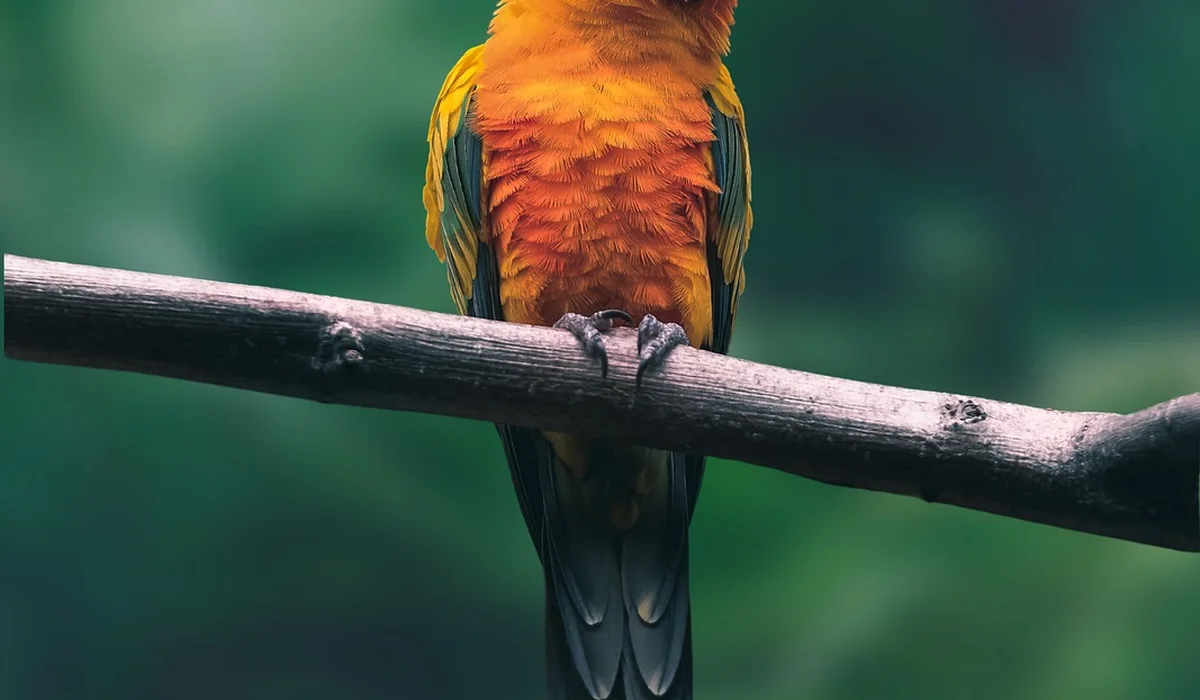
Start by briefing your guest before they even approach your bird’s space. I always explain that parrots are like tiny, feathered toddlers with built-in radar for nervous energy. This sets the stage for a calm interaction. After quarantine, use a step-by-step introduction guide to socialize your parrot with visitors, so introductions stay gradual and positive. This structured approach helps build trust and reduces stress on both sides.
- Instruct your guest to move slowly and avoid direct eye contact initially, which can be perceived as a threat. My Green-cheeked Conure, Kiwi, used to puff up at fast-moving strangers until we practiced this.
- Demonstrate the “step-up” cue yourself first, using the back of your hand for larger birds. This visual lesson shows your guest the exact pressure and pace needed for a successful step-up.
Treats are your best friend for building positive associations. I keep a small bowl of sunflower seeds or chopped nuts nearby specifically for guest-led rewards. Have your guest offer a treat from their open palm only after the parrot shows relaxed body language.
- Guide your guest to hold the treat steady and let the parrot come to them. This empowers the bird to control the interaction, which drastically reduces fear-based nipping.
- Use a cheerful, praising tone from both you and your guest for every positive interaction, no matter how small.
Supervised Visit Protocols
Establishing clear rules keeps everyone, especially your parrot, feeling secure. I have a simple list posted near my bird’s play area that guests can quickly reference.
- Maintain a respectful distance unless the parrot initiates closer contact. My African Grey, Sage, appreciates his personal space and will vocalize sharply if it’s invaded.
- Read the bird’s body language together. Point out signs of comfort like relaxed feathers, playful head bobs, and soft chirps.
- Highlight warning signals like pinned eyes, raised neck feathers, or a crouched stance. Teaching guests to recognize these cues prevents most bites before they even happen.
Gradually build the interaction to keep it engaging without being overwhelming. Short, positive sessions are far more valuable than long, stressful ones.
- Start with just talking to the parrot from a few feet away for five minutes.
- Progress to offering a favorite treat through the cage bars.
- If the parrot seems curious and calm, move to a supervised “step-up” on a portable perch.
- Incorporate simple enrichment, like having the guest hold a foraging toy for the parrot to explore. This shifts the focus from direct handling to a shared, fun activity.
Handling Common Visitor and Parrot Challenges
Sometimes, despite your best efforts, things get tricky. Having a plan for these moments is what separates a good parrot owner from a great one. If you’re bringing home a new parrot, our quick step-by-step survival guide for the first day can help you both settle in. It walks you through safe introductions, feeding, and routines to start on the right foot.
- For a nervous guest, let them observe from across the room first. My Sun Conure, Sunny, is very social, but her loud greetings can startle people. I let guests get used to her voice before any introduction.
- If your parrot becomes overstimulated or “cranky,” implement an immediate time-out. Gently return your bird to its cage or a quiet perch with a favorite chew toy for a 15-minute reset. Explain to your guest that this is like a toddler’s naptime-it’s necessary, not a punishment.
Noise can be a major stressor for both parrots and people.
- If your home gets too loud, cover part of the cage with a light sheet to dampen sound and create a visual barrier. This works wonders for my flock during lively gatherings.
- Establish a simple check-in routine. Every 10-15 minutes, take a quiet moment with your guest to assess your parrot’s demeanor. This proactive habit helps you catch small signs of stress long before they turn into big problems.
Essential Rules for Guest-Parrot Encounters
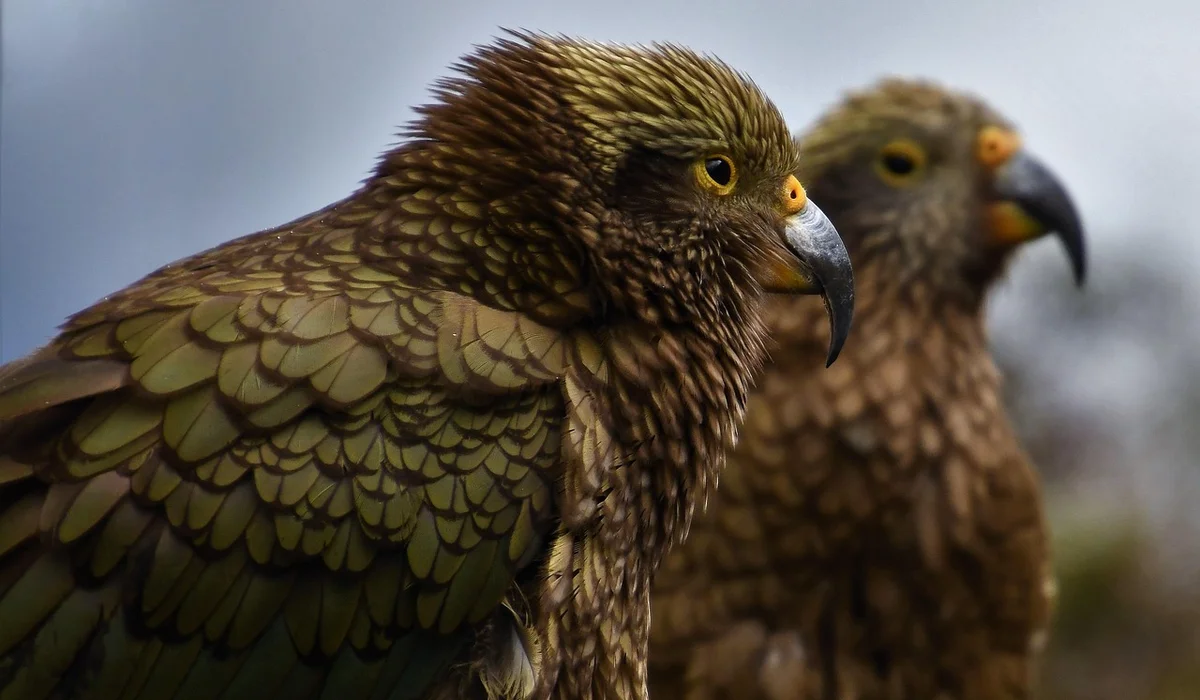
When guests visit, I always start by sharing a few simple rules to keep everyone safe and happy. Strong scents from perfumes or lotions can overwhelm a parrot’s sensitive senses, so I ask visitors to skip fragrances entirely. My sun conure Sunny gets visibly agitated around strong smells, which taught me to be firm about this rule.
Next, I explain that not all parrots enjoy being petted. Direct handling can stress birds out, so I encourage guests to admire from a distance unless the parrot initiates contact. With my African grey Sage, who’s smart but reserved, I’ve seen how unwanted touches make him retreat.
Supervision is non-negotiable in my home. I stay close during every interaction to step in if things get tense, ensuring the parrot feels secure. This hands-on approach has prevented many mishaps with my playful conure Kiwi, who’s curious but easily startled.
- Ask guests to avoid perfumes, colognes, or scented products to protect your parrot’s respiratory health.
- Instruct visitors not to attempt petting or picking up the parrot without clear cues from the bird.
- Always supervise visits closely to monitor body language and intervene if needed.
Consistency makes all the difference in training both parrots and people. Repeating the same guidelines each time helps guests remember and builds trust with your bird. These bonding techniques that work build trust over time. With steady, positive practice, you’ll deepen your parrot’s bond and see training become easier. I use safe, interactive toys like foraging puzzles to give guests a fun, low-risk way to engage.
- Use durable, bird-safe toys for guests to offer treats or play, reducing direct contact stress.
- Reinforce rules consistently across all visits to create a predictable environment for your parrot.
Tools and Techniques for Positive Reinforcement
Positive reinforcement turns guest interactions into rewarding experiences for your parrot. I rely on treat dispensers to let visitors offer small, healthy snacks when the bird behaves calmly. For instance, my green-cheeked conure Kiwi adores millet sprays, so guests use a dispenser to reward her patience.
Visual aids simplify the learning process for everyone. Clear signs or charts near the cage remind guests of key rules without constant reminders from me. I’ve posted simple diagrams showing “quiet voices” and “no sudden moves,” which helped my social conure Sunny feel more at ease.
- Treat dispensers or small cups for guests to distribute approved rewards like seeds or fruit pieces.
- Visual aids such as illustrated guides or posters highlighting do’s and don’ts for parrot safety.
Reward-based systems encourage good behavior without force. Focus on praising and treating calm actions, like when the parrot steps onto a perch offered by a guest. With my African grey Sage, I’ve seen how clicker training helps guests mark desired behaviors instantly, making interactions fun and educational.
- Use clickers or verbal markers to signal correct behavior, followed by a treat from the guest.
- Encourage guests to reward steps like approaching calmly or vocalizing softly, building positive associations.
FAQs
What should I do if my parrot bites a guest?
Stay calm and have the guest gently wash the area with soap and water. Then, give your parrot a quiet time-out in its cage to prevent further stress. If you suspect illness or injury, this is part of basic home first aid. However, urgent veterinary care is essential for proper treatment.
How can I prepare my parrot for visits from children?
Start by teaching children to use quiet voices and slow movements around the bird. Use visual aids like pictures to show them how to interact safely without touching.
Are there any specific foods guests should avoid offering my parrot?
Yes, instruct guests never to share chocolate, avocado, or salty snacks as these can be toxic. Stick to approved treats like small pieces of fruit or seeds that you provide.
Final Thoughts
Teaching guests to interact with your parrot safely boils down to supervision, clear instructions, and respecting your bird’s comfort zone. I always brief my visitors on approaching slowly and letting Kiwi, my conure, decide if he wants to interact—it prevents stress and builds trust for everyone involved. This same approach helps when you train a tame Quaker parrot. With patience and positive reinforcement, a Quaker can become a calm, well-socialized companion.
Being a parrot owner means committing to their lifelong well-being through continuous learning and advocacy. Your dedication to understanding their complex needs directly shapes their quality of life and happiness.
Further Reading & Sources
- Parrot carriers: safety and comfort on every trip
- Installing Parrot Security on a VM | Hack The Box Help Center
- Parrot Home: Enjoy the Privacy Extras
Suzanne Levine is a dedicated parrot enthusiast and experienced avian caregiver with over 15 years of hands-on experience in parrot care. As the founder of Parrot Care Central, Suzanne is passionate about sharing her knowledge and insights to help fellow parrot owners provide the best possible care for their feathered friends. Her expertise spans nutrition, behavior, health, and enrichment, making her a trusted resource in the parrot care community.
Socialization