
Healthy Homemade Parrot Food Recipes for Vibrant Birds
You want to give your feathered friend the very best, but navigating store-bought parrot food can leave you worried about hidden sugars, artificial colors, and questionable ingredients.
I’ve been there, standing in the pet store aisle with my Green-cheeked Conure, Kiwi, wondering if the colorful pellets were truly as healthy as they claimed. I will help you cut through the confusion and prepare meals that truly nourish your parrot from the inside out.
You will learn:
- How to create balanced meals that meet your parrot’s specific nutritional needs.
- The simple, safe ingredients you likely already have in your kitchen.
- Easy recipes that save you money and boost your bird’s health.
This guide provides clear, step-by-step advice to get you started with confidence. We will cover: Bird-Safe Staples, Quick Chop Recipes, Nutrient-Packed Cooked Blends, Healthy Treats, and Food Safety Essentials.
What Does a Balanced Parrot Diet Really Look Like?
Think of a balanced parrot diet like a colorful artist’s palette. You need the right mix of proteins, vitamins, minerals, fats, carbohydrates, and fiber to create a vibrant, healthy bird. Each nutrient plays a unique role, from building strong feathers to powering their playful antics. Just like their diet in the wild, a balanced mix is crucial for health.
My conure Kiwi taught me that a seed-only diet just doesn’t cut it. It’s like a child eating only candy. Proteins are the building blocks for muscle and feathers, while vitamins and minerals keep their immune system sharp and bones sturdy. Fats provide long-lasting energy, carbs offer quick fuel, and fiber keeps their digestive tract running smoothly.
Top Nutrient Sources for Your Feathered Friend
| Nutrient | Excellent Sources | Healthy Alternatives |
|---|---|---|
| Proteins | Cooked legumes, unsalted nuts, quinoa | Cooked eggs, sprouted seeds |
| Vitamins | Bell peppers, dark leafy greens, carrots | Sweet potatoes, mango, papaya |
| Minerals | Broccoli, chia seeds, fortified pellets | Almonds, cooked beans, cuttlebone |
| Healthy Fats | Flaxseeds, walnuts, hemp seeds | Avocado (in strict moderation), coconut |
| Carbohydrates | Brown rice, oats, whole grain pasta | Corn, peas, barley, millet |
| Fiber | Leafy greens, apples with skin, berries | Pumpkin, whole grains, green beans |
Portion Control Made Simple
Portion size depends completely on your parrot’s size and life stage. I measure my birds’ food using a simple tablespoon system to prevent overfeeding. Regular weigh-ins and monitoring of body condition help keep your parrot within a healthy weight range. This is key to weight management and obesity prevention.
- Small parrots (budgies, lovebirds): 1-2 tablespoons of fresh food daily
- Medium parrots (conures, caiques): 3-4 tablespoons of fresh food daily – this works perfectly for Kiwi and Sunny
- Large parrots (greys, macaws): 1/4 to 1/2 cup of fresh food daily – Sage gets this amount
- Growing chicks and breeding birds: Increase portions by 25-50% with extra protein
Must-Have Ingredients for Nutritious Homemade Parrot Meals
Creating homemade meals lets you control exactly what your parrot eats. My flock goes crazy for fresh chop – a mixed vegetable and grain medley I prepare weekly. Having these staple ingredients on hand makes meal prep quick and nutritious. This is a practical example of why parrot diet myths debunked matters. It pairs real-world feeding with clarity on seven common misconceptions about avian nutrition.
Safe Fruits and Vegetables
Fresh produce should make up about 30-40% of your parrot’s diet. Always wash thoroughly and remove any pits or seeds from fruits like apples and cherries. This aligns with parrot diet requirements and our species-specific complete feeding guide. For detailed recommendations, see the full feeding guide.
- Leafy greens: Kale, spinach, parsley, Swiss chard, dandelion greens
- Vitamin-rich veggies: Bell peppers (all colors), carrots, broccoli, sweet potatoes
- Favorite fruits: Berries, mango, papaya, melons, pomegranate
- Hydrating options: Cucumber, zucchini, celery
Whole Grains for Sustained Energy
Whole grains provide lasting energy and digestive health benefits. I cook a big batch of mixed grains every Sunday to use throughout the week.
- Quinoa (complete protein)
- Brown rice
- Steel-cut oats
- Barley
- Whole wheat pasta
- Millet
Protein Powerhouses and Healthy Fats
Protein needs vary by species and activity level. My African Grey Sage needs more protein for brain health, while my conures thrive on slightly less.
- Plant proteins: Cooked lentils, chickpeas, black beans
- Healthy nuts: Almonds, walnuts, pecans (unsalted, in shell for enrichment)
- Calcium sources: Chia seeds, sesame seeds, fortified pellets
- Omega-3 fats: Flaxseeds, hemp seeds, walnuts
Remember to introduce new foods gradually and watch for any reactions. My Sunny took three weeks to finally try broccoli, but now it’s her favorite snack! Patience and persistence pay off when expanding your parrot’s culinary horizons.
Step-by-Step Homemade Parrot Food Recipes
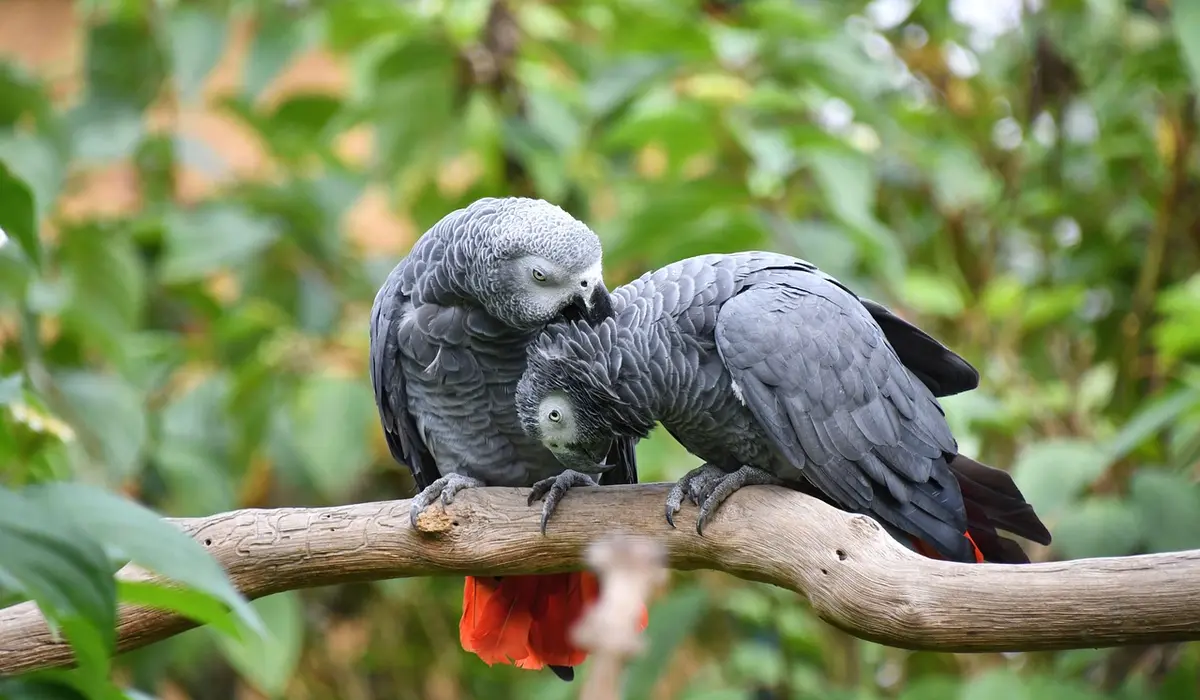
Creating balanced meals for your parrot feels like preparing a special dinner for a tiny, feathered friend. I’ve found that variety keeps my birds excited about mealtime and ensures they get a wide range of nutrients. People often ask which is the better base diet—pellets or seeds. In practice, a high-quality pellet base with seeds used in moderation can provide balanced nutrition for many parrots. These recipes are simple to make and easy to customize.
Wholesome Grain and Veggie Blend
This is a staple in my house. My Green-cheeked Conure, Kiwi, goes crazy for the texture of quinoa mixed with crunchy veggies. This blend provides lasting energy and is packed with vitamins.
- Cook 1/2 cup of quinoa according to package instructions and let it cool completely.
- Finely chop 1/4 cup of a veggie mix-I use broccoli florets, carrots, and bell peppers.
- Gently mix the cooled quinoa and chopped vegetables in a bowl.
- Sprinkle in 1/2 teaspoon of crushed, washed eggshell or a commercial avian calcium supplement.
- Serve a tablespoon-sized portion and store the rest.
- Variations: Swap quinoa for cooked brown rice, barley, or whole-wheat couscous. Mix in some fresh, chopped parsley or cilantro for an extra flavor kick.
- For Picky Eaters: If your parrot is wary of new foods, try using just one familiar vegetable at first. My Sun Conure, Sunny, needed me to hide new veggies under her favorite corn for a week before she’d try them!
Colorful Fruit and Nut Medley
This recipe is a special treat in my flock’s rotation. It’s a fantastic way to use up ripe fruit and add healthy fats to their diet. Sage, my African Grey, loves to pick out the almonds first.
- Dice 1/4 cup of safe fruits like apples (seeds removed), blueberries, and mango.
- Add 1 tablespoon of unsalted, raw nuts like almonds, walnuts, or pecans, roughly chopped.
- Include 1 teaspoon of healthy seeds, such as flax or pumpkin seeds.
- Toss everything together lightly and serve immediately as a fresh snack.
- Important Warnings: Always avoid avocado, chocolate, and fruit seeds like those from apples, as they are toxic. Because of the sugar in fruit, I limit this medley to a few small servings per week.
- For Picky Eaters: If your bird ignores fruit, try mashing a little bit into a paste and smearing it on a piece of their regular pellet. The new texture and sweet smell can be irresistible.
Protein-Packed Legume Mash
This hearty mash is perfect for colder days or for birds that need a little extra protein. It’s a filling meal that supports muscle health and provides essential amino acids.
- Soak 1/2 cup of lentils or chickpeas overnight, then rinse thoroughly.
- Cook them in fresh water until they are very soft and mushy.
- While still warm, mash them with a fork and mix in 2 tablespoons of finely chopped dark leafy greens like kale or dandelion greens.
- Allow the mash to cool to room temperature before serving.
- Storage & Serving: This mash lasts 3 days in the refrigerator. A good starting serving size is about a teaspoon for a small conure and up to a tablespoon for a larger parrot like a Grey. Always discard any uneaten mash after a couple of hours to prevent bacterial growth.
How to Store and Keep Homemade Parrot Food Fresh
Proper storage is non-negotiable. Spoiled food can make your bird very sick. I’ve developed a simple Sunday meal prep routine that keeps my flock’s food fresh all week.
- Do refrigerate moist mixes in airtight glass containers. They typically stay fresh for 2-3 days.
- Do freeze individual portions in an ice cube tray. Once frozen, pop the cubes into a freezer bag. They can last for up to two months.
- Don’t leave food in the cage for more than two hours, especially fruit or moist blends. Bacteria grows fast.
- Don’t thaw and refreeze food. Thaw only what you need for the day in the refrigerator.
My personal system involves making a big batch of the grain and veggie blend on Sunday. I portion it into small containers, freeze half, and keep the other half in the fridge for the next few days. This saves me time and ensures my parrots always have a healthy, homemade option ready to go.
Solving Common Problems with Homemade Parrot Diets
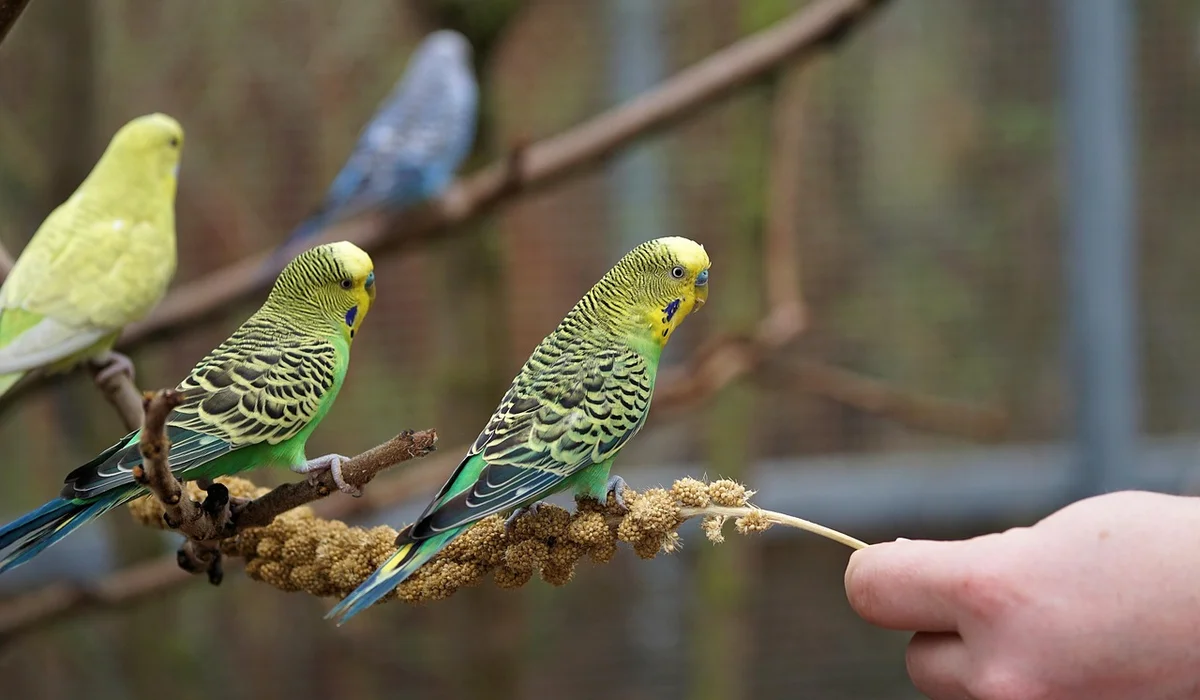
Dealing with a picky parrot can feel frustrating. Gradual introduction makes new foods less intimidating for your feathered friend. I started by mixing tiny bits of leafy greens into Kiwi’s favorite seeds, and over weeks, he grew to love them.
Watch for digestive troubles like loose droppings. Adjusting ingredients helps prevent stomach upsets and keeps your parrot comfortable. When Sage had issues after too many nuts, I swapped in steamed sweet potatoes and saw quick improvements. These steps help avoid common parrot feeding mistakes. For healthy digestion, balance pellets, veggies, and treats, and avoid overdoing nuts.
Use this quick-reference list to keep meals safe and enjoyable:
- Safe foods: Carrots, apples (no seeds), spinach, cooked quinoa, bell peppers.
- Unsafe foods: Avocado, chocolate, caffeine, onions, salty snacks.
Is Homemade Parrot Food Better Than Store-Bought?
Homemade meals let you use fresh, vibrant ingredients. You know exactly what your parrot eats, which builds trust and supports their health. In my experience, Sunny’s feathers became brighter after switching to homemade blends. Parrots can enjoy cucumbers as a hydrating, crunchy snack that adds a small vitamin boost. Start with small pieces, rinse well, and avoid any added salt or dressings.
Store-bought options are handy and often balanced. They save time but might lack the freshness that whole foods provide. I noticed that some commercial mixes had preservatives that didn’t sit well with Kiwi.
Supplement with commercial pellets when needed. Combining both ensures your parrot gets a full range of nutrients without gaps. This aligns with general parrot dietary guidelines that emphasize a balanced diet and variety. I use pellets as a base for Sage and add homemade veggies for variety.
Advocating for animal welfare means choosing fresh, whole foods. Natural diets reduce health risks and mirror what parrots eat in the wild. This approach honors their needs and promotes a happier life.
FAQs
How do I safely transition my parrot from pellets to homemade food?
Gradually mix small amounts of homemade food with their regular pellets over 1-2 weeks. Watch for any changes in droppings or behavior to ensure a smooth adjustment.
What are the key signs that my parrot is thriving on a homemade diet?
Healthy signs include vibrant feathers, consistent energy levels, and normal, well-formed droppings. A curious appetite and active behavior also indicate good nutrition.
Can I include meat or dairy in my parrot’s homemade meals?
It’s generally best to avoid meat and dairy, as parrots can struggle to digest them and may develop health issues. Focus on plant-based proteins like cooked legumes and nuts for safer options. For more detailed guidance on parrot nutrition, check out our diet and nutrition guide for Amazon parrots.
Closing the Loop
Making your parrot’s food at home is a fantastic way to ensure they get a vibrant, varied diet packed with fresh fruits, vegetables, and healthy grains. Variety is key to mimicking the diverse foods they’d find in the wild and preventing nutritional gaps. Always double-check that every ingredient is parrot-safe, steering clear of avocado, chocolate, and salty or sugary foods that can harm them. For peace of mind, consult a complete list of toxic foods parrots should avoid. Many common items—onions, garlic, caffeine, alcohol, and highly salted or sugary foods—can be dangerous even in small amounts.
Caring for a parrot is a beautiful, lifelong commitment that goes far beyond just their meals. I encourage you to keep learning, stay curious, and always advocate for your feathered friend’s well-being by consulting with an avian veterinarian. Your dedication to understanding their complex needs makes all the difference in providing a happy, enriching life for your companion.
Further Reading & Sources
- Diet and Chop Recipes | Kiwi’s New Life Bird Rescue
- r/parrots on Reddit: can anyone recommend some healthy parrot food ?
- What do parrots eat? – ExoticDirect
Suzanne Levine is a dedicated parrot enthusiast and experienced avian caregiver with over 15 years of hands-on experience in parrot care. As the founder of Parrot Care Central, Suzanne is passionate about sharing her knowledge and insights to help fellow parrot owners provide the best possible care for their feathered friends. Her expertise spans nutrition, behavior, health, and enrichment, making her a trusted resource in the parrot care community.
Nutrition