
Parrot Weight Management: How to Tell if Your Bird is Overweight
You look at your feathered friend and wonder-is that a happy, healthy bird, or are they carrying a few extra grams? It’s a quiet worry many of us bird lovers face, and noticing subtle changes can feel confusing.
I’ve navigated this myself with my own flock, and I’m here to help you spot the signs with confidence. We’ll cover the three most reliable ways to check your parrot’s condition.
- The Visual Check: Spotting the tell-tale signs just by looking.
- The Hands-On Feel: Learning what a healthy body should feel like.
- Behavioral Clues: Noticing changes in energy and daily habits.
By the end of this guide, you’ll have a clear, actionable plan to assess your parrot’s weight.
Assessing Body Condition, Ideal Weight Ranges, Diet Adjustments, Exercise Strategies, When to See a Vet
Spotting the Signs: Is Your Parrot Carrying Extra Weight?
You know your feathered friend better than anyone, and sometimes your gut tells you something is off. Trust that instinct, because early detection of weight issues can prevent serious health complications down the road.
Visual Cues You Can’t Miss
- A noticeably rounded or bulging chest that makes your parrot look permanently puffed up.
- Difficulty taking flight, landing clumsily, or a general reluctance to fly at all.
- Fatty deposits visible as yellowish lumps, especially around the neck or under the wings.
- A “pot-bellied” appearance when viewed from the side, disrupting their sleek profile.
Behavioral Changes to Watch For
My Green-cheeked Conure, Kiwi, is usually a whirlwind of energy. When a parrot becomes less active, spending more time perched and napping, it’s a major red flag for weight-related lethargy.
- A sudden disinterest in playing with favorite toys or exploring their environment.
- Labored breathing or panting after minimal movement or a short flight.
- Becoming less vocal or interactive, showing a general lack of enthusiasm.
The Hands-On Physical Check
This is the most reliable method I use with my own flock. Gently feel for your parrot’s keel bone (the prominent bone running down the center of the chest); it should feel like a sharp ridge, not buried under a thick layer of squishy fat.
- Run a finger lightly along the sides of the keel bone; you should be able to feel the individual ribs without pressing hard.
- If the area feels smooth, soft, and padded, your bird is likely carrying excess weight.
- Perform this check weekly to monitor changes and get a true sense of their normal body condition.
What’s Causing Your Parrot’s Weight Gain?
Figuring out the “why” is the first step toward a solution. Parrot weight gain is almost always a result of lifestyle, not just a simple case of overeating. Our ultimate guide on foraging shows how to enrich your parrot’s diet with safe, engaging activities. This approach promotes activity and dietary variety that support a healthy weight.
Common Diet Pitfalls
I learned this the hard way with my Sun Conure, Sunny, who adored sunflower seeds. High-fat seed mixes are the equivalent of a constant fast-food diet, leading to rapid weight gain and nutrient deficiencies.
- An all-seed diet is a primary culprit, as seeds are high in fat and lack essential vitamins.
- Overfeeding high-calorie treats like nuts, crackers, or human food scraps.
- Unmeasured food portions that allow for all-day, mindless grazing.
- A lack of fresh vegetables, leafy greens, and other low-calorie, high-fiber foods.
Lack of Exercise and Environment
A cage is a home, not a prison. Boredom is a powerful driver of unhealthy habits, leading to a sedentary lifestyle and emotional overeating.
- Insufficient out-of-cage time for flying, climbing, and exploring.
- A boring cage setup without ladders, swings, or foraging toys to encourage movement.
- The cage being located in a quiet, low-traffic area of the home, reducing stimulation.
- Competition for food in multi-bird households can cause some individuals to overeat.
Genetic Predispositions
Just like people, some parrots are simply built differently. Certain species have a natural tendency to gain weight more easily and require extra vigilance from their owners. In our complete guide to the most common parrot health concerns, we cover weight management and other frequent issues to watch for. This resource helps you spot red flags early and keep your bird healthy.
- Amazon parrots and Budgies are famously prone to obesity and fatty liver disease.
- Larger, less active species like African Greys need carefully managed diets.
- Cockatoos can develop habits of overeating when stressed or bored.
- Knowing your parrot’s species-specific tendencies helps you create a proactive care plan.
Health Risks of an Overweight Parrot
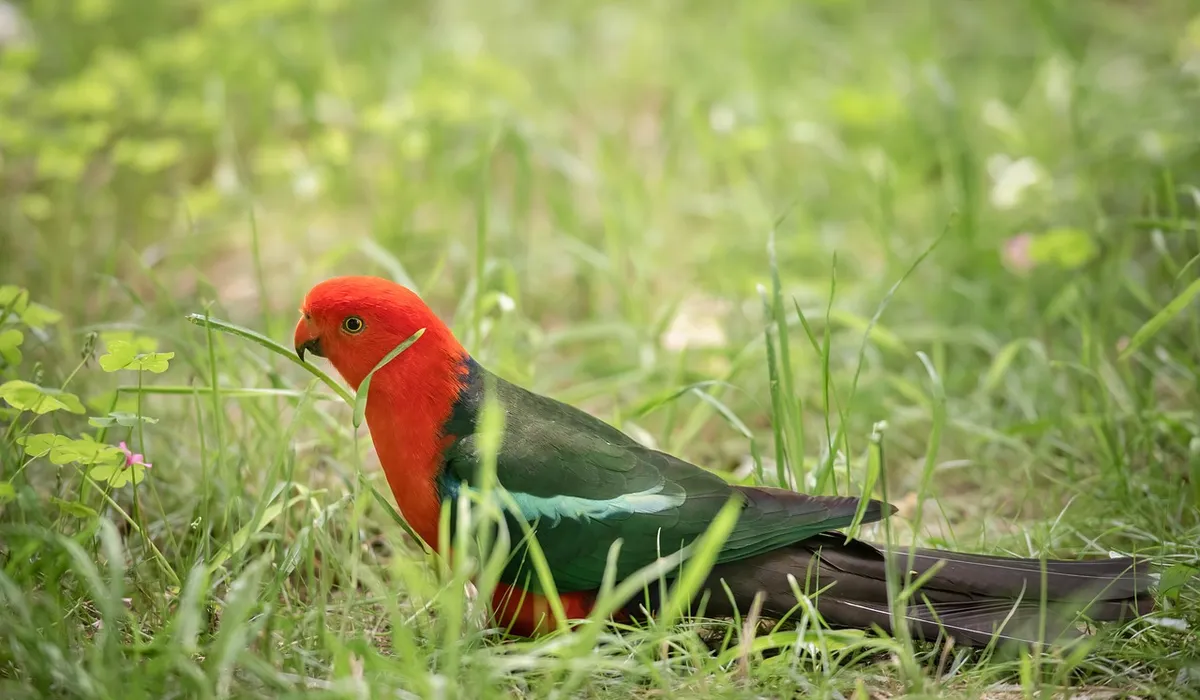
Carrying extra weight puts a massive strain on your parrot’s entire body. I’ve seen firsthand how a few extra grams can transform a lively bird into a lethargic one, struggling with health issues that are entirely preventable. Understanding sudden deaths in parrots starts with recognizing common, preventable causes. Regular vet visits, a balanced diet, and enrichment help reduce these risks.
- Heart and Liver Disease: An overweight bird’s heart has to work much harder, and their liver can become infiltrated with fat, leading to a condition called hepatic lipidosis. This is a serious, often fatal, illness.
- Joint and Mobility Issues: Extra weight puts constant pressure on their tiny joints and feet. My Green-cheek, Kiwi, started having trouble gripping his favorite perches firmly when he was slightly overweight.
- Shortened Lifespan: The cumulative stress of these conditions directly reduces your parrot’s life expectancy. It simply wears their body out faster.
- Poor Plumage: Overweight parrots often struggle to preen properly. They can’t reach all their feathers, leading to a ragged, unkempt appearance and potential skin issues.
The urgency is real-what starts as a little extra “fluff” can quickly spiral into a critical health emergency. My Sun Conure, Sunny, once developed labored breathing after gaining weight, a terrifying sight that sent us straight to the avian vet.
How to Monitor Your Parrot’s Weight and Body Condition
Keeping a close eye on your parrot’s physique is your first line of defense. Consistent monitoring helps you catch small changes before they become big problems. Pairing this vigilance with positive reinforcement training for parrots helps reward healthy behaviors and steady progress. This approach also strengthens trust and makes training easier.
- Weigh your bird weekly using a reliable gram scale.
- Perform a hands-on body condition check monthly.
- Keep a simple log-a notebook or phone note-to track trends over time.
Using a Scale for Accurate Weight Tracking
A good digital kitchen scale that measures in grams is your best friend here. I keep my scale right next to the bird cages, so it’s a quick and easy part of our Sunday morning routine.
- Safely Weighing: Place a small, familiar perch or a shallow dish on the scale. Tare it to zero. Lure your parrot onto it with a tiny treat. I use a piece of millet for my conures. Stay calm and keep the session short.
- Frequency and Records: Weigh at the same time each week, ideally in the morning before breakfast. Record the number immediately. This log creates a powerful picture of your bird’s health that a vet will find incredibly valuable.
Body Condition Scoring: Feeling for Fat
This is where you get your hands dirty. It feels a bit strange at first, but you’ll quickly learn what’s normal for your bird. Gently feel your parrot’s breastbone, or keel, running down the center of their chest.
- Ideal Score (3): The keel bone is easy to feel with a slight padding of muscle on either side, like the back of your hand. This is what you want.
- Underweight (1-2): The keel feels sharp and prominent, with little to no muscle covering. The ribs are very easy to feel.
- Overweight (4-5): You have to press firmly to find the keel bone. It feels buried under a soft, squishy layer of fat. The ribs are difficult to detect.
My African Grey, Sage, has a very different build than my conures, proving that body condition scoring is more reliable than weight alone for judging health.
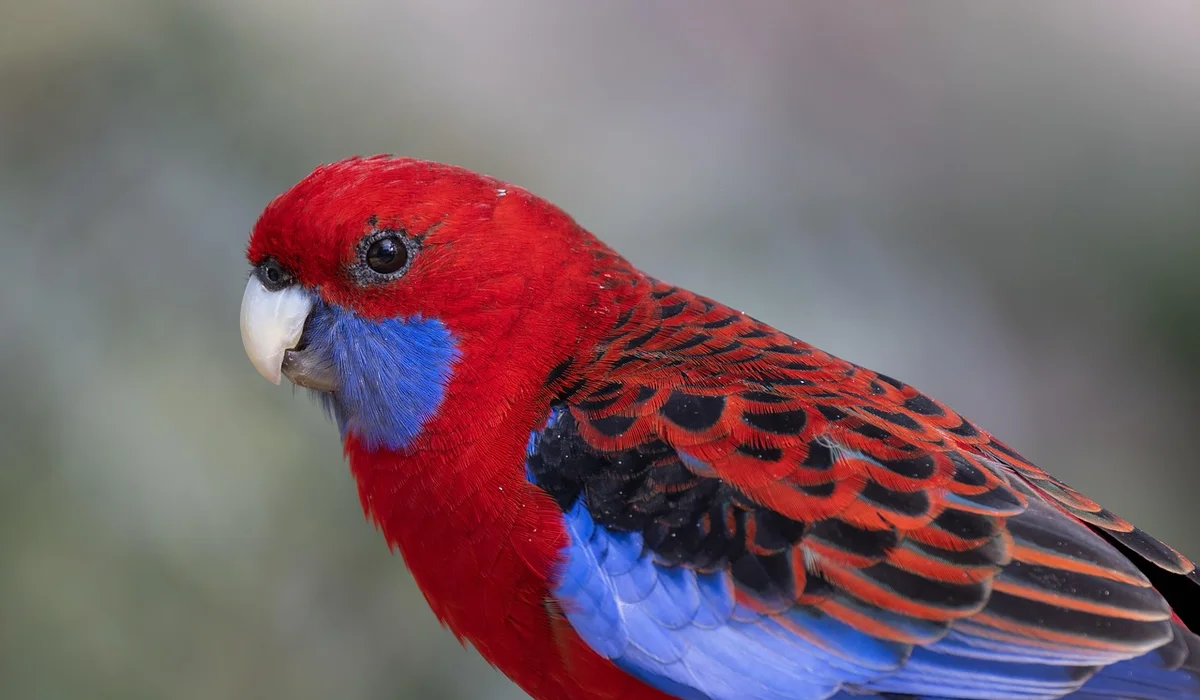
Strategies for Managing Your Parrot’s Weight
-
Adjust your parrot’s diet by cutting back on fatty seeds and introducing more nutrient-rich pellets, fresh fruits, and vegetables. Many people wonder which makes the better base diet—pellets or seeds. In most cases, pellets are recommended as the base diet because they provide balanced nutrition, while seeds are best kept as a small supplement or occasional treat. This simple shift can make a huge difference in their energy levels and overall health.
-
Incorporate fun exercise routines like using foraging toys or allowing supervised flight time in a safe space. Regular movement helps burn excess calories and keeps your bird mentally stimulated.
-
Practice portion control by measuring meals and setting a consistent feeding schedule. Sticking to planned portions prevents overeating and supports steady weight loss.
Revamping Your Parrot’s Diet
-
Swap out high-fat seeds for pellets as a base, and mix in colorful veggies like carrots and leafy greens. A balanced diet with varied textures and colors keeps mealtime exciting and nutritious.
-
Focus on balanced nutrition by offering a mix of proteins, vitamins, and minerals through foods like cooked beans or chopped berries. Variety ensures your parrot gets all the essential nutrients without extra calories. These ideas follow general parrot dietary guidelines that emphasize variety, moderation, and safe foods. Always tailor feeding to your bird’s needs and consult a vet for species-specific advice.
-
When I transitioned Kiwi from a seed-heavy diet to pellets, it took patience and gradual mixing over weeks. Slow changes reduce stress and help your bird adapt to healthier eating habits.
Boosting Exercise and Activity
-
Encourage movement with engaging activities like hiding treats in puzzle toys or setting up climbing perches. Interactive play turns exercise into a fun game your parrot will love. You can also make safe, fun homemade toys for your parrot using bird-safe materials like untreated wood, paper, and natural fibers. This helps ensure toys are the right size and free of harmful chemicals.
-
Schedule daily flight sessions in a bird-safe room to build muscle and improve cardiovascular health. Flight time not only burns calories but also strengthens their wings and boosts confidence.
-
With my flock, including Sunny and Sage, I’ve seen great results from rotating toys and creating obstacle courses. Mixing up routines prevents boredom and keeps all my parrots active and happy.
When to Seek Veterinary Care for Weight Issues
-
Watch for red flags such as sudden weight shifts, persistent lethargy, or labored breathing. These signs often indicate underlying health problems that need immediate attention.
-
Find a qualified avian vet by checking certifications and reading reviews from other bird owners. Choosing the right bird specialist matters for ongoing avian care. Look for a veterinarian with experience with your bird’s species and clear communication about prevention and treatment. A specialized vet can perform accurate weigh-ins and recommend tailored treatment plans.
-
Expect a thorough exam including blood tests and diet analysis during your visit. Professional guidance is crucial for severe cases to avoid complications like liver disease or joint stress.
## FAQs
What is a healthy weight range for my parrot species?
Healthy weight varies significantly by species, from around 30 grams for a Budgie to over 500 grams for an African Grey. You should consult an avian veterinarian or a species-specific care guide for the ideal range for your bird.
How do I safely switch my parrot to a healthier diet?
Transition your parrot slowly by mixing new, healthier foods like pellets and chopped vegetables with their current diet. A gradual change over several weeks helps prevent your bird from rejecting new food or going hungry. Avoid common parrot feeding mistakes such as abrupt changes or offering only one type of food. Keep a balanced mix of pellets, fresh vegetables, and fruits to support overall health.
How can I maintain my parrot’s ideal weight long-term?
Consistency is key, so continue with weekly weigh-ins and provide a balanced diet with measured portions. Regular exercise through flight and play, along with annual check-ups with your avian vet, will help sustain their health.
In Closing
Keeping your parrot at a healthy weight boils down to a few simple habits: regular weigh-ins, a balanced diet rich in fresh veggies, and plenty of active playtime outside the cage. Maintaining weight within healthy ranges is key for obesity prevention and overall health. Regular monitoring helps you stay on top of changes and make timely adjustments to diet or activity. Your bird’s ideal weight is a moving target, so consistent monitoring is your most powerful tool for catching changes early.
Being a fantastic parrot parent means committing to lifelong learning about their complex needs. Your dedication to understanding their health and behavior is the single greatest gift you can give your feathered friend for a long, vibrant life together.
Further Reading & Sources
- Help ? My Parrot Is Overweight – Northern Parrots
- r/parrots on Reddit: Is my bird fat?
- PI Press – Parrots International Magazine » Obesity in Parrots : Killing with Kindness
Suzanne Levine is a dedicated parrot enthusiast and experienced avian caregiver with over 15 years of hands-on experience in parrot care. As the founder of Parrot Care Central, Suzanne is passionate about sharing her knowledge and insights to help fellow parrot owners provide the best possible care for their feathered friends. Her expertise spans nutrition, behavior, health, and enrichment, making her a trusted resource in the parrot care community.
Nutrition