
Annual Parrot Budget Calculator: Plan Your Total Ownership Costs
Published on: March 12, 2026 | Last Updated: March 12, 2026
Written By: Suzanne Levine
Thinking about the lifelong costs of parrot ownership can feel overwhelming, especially when you’re dreaming of that feathered friend. I remember bringing home Kiwi, my playful Green-cheeked Conure, and quickly realizing that the price tag was just the beginning.
I’ve navigated these waters with my flock-Kiwi, Sunny, and Sage-and I’m here to guide you through a clear, stress-free budgeting plan. Proper financial planning is a direct act of animal welfare, ensuring your bird thrives without compromise.
Let’s tackle this together with three core insights that will ground your planning.
- Move beyond the cage price to see the full story of yearly food, vet visits, and toy replacements.
- Use my personal cost stories and mistakes as your roadmap to smarter spending.
- Build a flexible, personalized budget calculator that works for your life and your bird’s species.
You’ll walk away with a practical plan. We will explore every cost category in detail: initial setup, food, veterinary care, enrichment toys, cage maintenance, and emergency funds.
Why Budgeting for Your Parrot is a Lifesaver
Let’s be real for a second: parrots are a lifetime commitment. Sunny, my sun conure, could be with me for 25-30 years. That’s not a pet; that’s a family member. The financial reality hits you when you realize you’re planning for a toddler with wings for decades, not just a few years. An annual budget isn’t about restriction; it’s the tool that guarantees you can provide consistent, excellent care through every life stage, from playful chick to dignified elder.
You’re here because you want the full picture. You don’t want sticker shock six months in when the first big vet bill arrives or when you need to replace a destroyed play gym. I get it completely. When I brought Kiwi, my green-cheek, home, I was so focused on the cage and toys that I completely blanked on setting aside money for annual check-ups and potential emergencies. A $400 urgent vet visit for a minor scare in her first year was a tough lesson. Planning your total cost upfront transforms parrot ownership from a series of financial anxieties into a joyful, sustainable journey. In the following breakdown, you’ll see a complete parrot ownership cost—from purchase through lifelong care—so you can budget with confidence. We’ll cover upfront costs, ongoing maintenance, vet care, and gear replacements.
Budgeting is the ultimate act of responsible pet ownership. It means you’re committed to their health and happiness, no matter what. It’s how you ensure they never go without the right food or necessary medical care because funds are tight. Think of your parrot budget as a promise, written in numbers, to always be there for your feathered friend.
First-Time Costs: The Price of a Parrot’s Welcome Home
The initial splash of cash is significant, and it varies wildly by species. Adopting a budgie might cost $50, while a hand-fed baby African Grey like my Sage had a much higher rehoming fee that reflected the breeder’s immense time and care. Whether you adopt or purchase, this fee is just your entry ticket. The real investment begins with creating a safe, enriching, and permanent home for your new companion.
Your biggest single expense will be the cage. Do not skimp here. It’s their house. For a conure-sized bird, a good cage starts around $250 and can easily reach $600+ for larger, high-quality models. You then need to fill it: natural wood perches of varying diameters ($10-$30 each), stainless steel food and water bowls ($15-$25 a set), and a few foundational toys ($15-$40 each). A spacious, well-equipped cage is non-negotiable for their physical and mental health—view it as a one-time investment in their long-term wellbeing. Make sure to account for all essential equipment by checking our comprehensive guide.
The Essential Starter Kit & Spending Priorities
Here’s how I’d prioritize spending if you’re setting up for the first time. Focus on safety and essentials first, then add the fun stuff.
- The Fortress (Cage): Get the largest, best-constructed cage you can afford. Bar spacing must be appropriate for your species’ size to prevent injury.
- Foundation Supplies: Multiple perches, food/water bowls, a cage cover, and a high-quality pellet diet. Don’t just buy a seed mix.
- Health & Safety: Budget for an immediate vet wellness check. Also get a basic first-aid kit and bird-safe cleaning supplies.
- Initial Enrichment: 2-3 destructible toys (wood, paper) and one foraging toy to keep their brain busy from day one.
My biggest advice is to buy the right cage first, even if it means waiting a bit longer to stock up on a mountain of toys. A stressed bird in a cramped, barren cage is a recipe for problems. It’s far better to have a thrilled parrot in a spacious palace with three great toys than a bored one in a small box surrounded by dozens. This thoughtful setup is your first, and most important, step toward a beautiful life together.
Yearly Must-Buys: Food, Toys, and Daily Upkeep
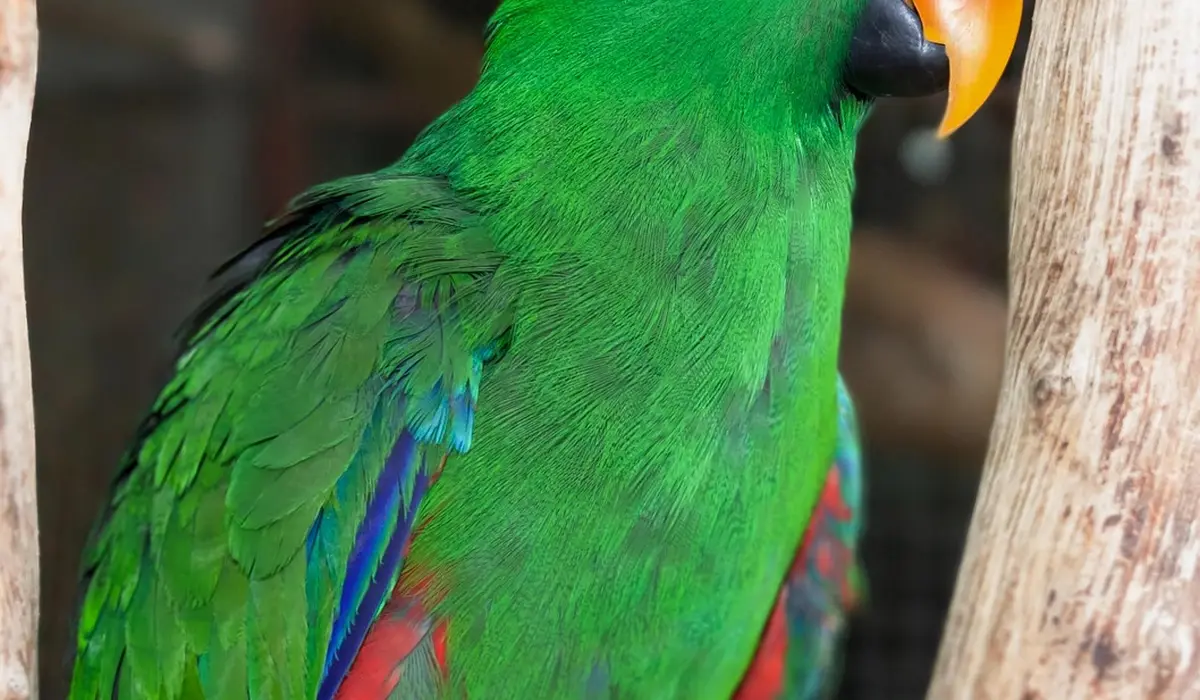
This is where your budget gets real, and honestly, where I’ve learned the most through trial and error with Kiwi, Sunny, and Sage. Forgetting to plan for these recurring costs is the fastest way to blow your budget sky-high.
The Grocery Bill: Pellets, Seeds, and Fresh Foods
Think of your parrot’s diet like a pyramid. High-quality pellets are the base, fresh veggies and fruits are the middle, and seeds or nuts are the tiny, delicious tip. When people ask whether pellets or seeds should form the base of a parrot’s diet, pellets are generally the safer backbone because they provide balanced nutrition and help limit seed overconsumption. Seeds can be kept as a small, occasional treat rather than the main foundation. Here’s a rough annual breakdown for a single medium-sized parrot like my Green-cheek, Kiwi:
- Premium Pellets: A 5lb bag lasts Kiwi about 2 months. At $25 per bag, that’s roughly $150 per year.
- Fresh Produce: This is a daily cost. A dedicated weekly $10-$15 on greens, peppers, and berries adds up to about $600 annually. I share appropriate veggies from my own meals to save a bit!
- Treats & Supplements: Nutri-Berries, a cuttlebone, and a mineral block might cost another $50-$75 per year.
My annual food budget for one active conure is around $800, and it’s the most critical investment I make in their health. Larger birds like parrots or macaws can easily double or triple that number.
The Toy Box: Enrichment is Non-Negotiable
Parrots are intelligent, destructive, and bored easily. Toys aren’t a luxury; they’re a necessity for mental health. I budget for a complete toy rotation every 3-4 months to keep their environments novel and engaging. You can also make safe, fun homemade toys to tailor enrichment at home. Use bird-safe materials like paper, untreated wood, and natural fibers.
- Destructibles: Balsa wood, sola, and mahogany pod toys. Kiwi shreds a medium-sized one every 10 days. About $120/year.
- Foragers & Puzzles: These last longer but cost more upfront. I set aside $80/year to add new puzzles for smarty-pants Sage, my African Grey.
- Foot Toys & Preens: Small, cheap toys for tossing and chewing. Another $60/year.
Sunny, my Sun Conure, is the toughest on toys. I’ve learned to buy in bulk from bird-safe vendors online to save money. Expect to spend $250-$400+ per year keeping one parrot intellectually stimulated and their beak busy.
Upkeep & Grooming Supplies
These are the small things that keep daily life smooth and sanitary.
- Cage Cleaner: A vet-safe disinfectant concentrate. A bottle lasts me a year for $25.
- Grooming: A quality nail file or dremel tool (one-time $40 cost) and a spray-bottle for baths.
- Paper & Liners: I use plain butcher paper or recycled paper liner. About $100/year.
- Miscellaneous: First-aid kit items, travel carrier inspection, new perches as they get chewed up. $50/year.
Setting aside $200 annually for upkeep prevents you from cutting corners on cage hygiene, which directly impacts your bird’s respiratory health.
Health Care Costs: Planning for Vet Visits and Emergencies
This is the part most new owners underestimate, and I was no exception. Avian veterinary care is a specialized, and therefore, more expensive field. Planning for health costs isn’t pessimistic; it’s a fundamental act of responsible ownership.
Routine & Wellness Check-Ups
Think of this as your bird’s annual physical. My vet recommends a check-up every 12 months for healthy adult birds.
- Examination Fee: The avian vet visit itself typically runs $80-$150.
- Diagnostic Tests: A basic gram stain (to check gut bacteria) and possibly a blood panel can add $100-$250.
- Nail/Beak Trim: If done by the vet, add $20-$40.
I budget a minimum of $300 per year, per bird, for a routine wellness visit and basic diagnostics. This baseline cost helps catch issues early, which is always cheaper and kinder than treating advanced illness.
The Non-Negotiable Emergency Fund
One night, Kiwi was oddly quiet. A rushed after-hours vet visit, X-rays, and fluids for a minor blockage cost over $800. True emergencies like egg-binding, fractures, or infections can soar into the thousands.
- Immediate Goal: Save a starter emergency fund of $500.
- Long-Term Goal: Build this to $2,000-$3,000 specifically for avian emergency care.
- How to Save: Automate a small weekly transfer ($10-$20) to a separate savings account. You’ll never miss it.
This fund is not for new toys or cages; it is peace of mind in a savings account, ensuring you can say “yes” to life-saving care without hesitation.
Insurance, Medications, and Supplements
Pet insurance for birds is becoming more available. It typically covers accidents and illnesses after a deductible, not routine care. For parrots, understanding the costs helps decide if pet insurance for birds is worth it for your bird. Consider how veterinary bills can add up and compare plans for your specific bird.
| Option | Pros | Cons |
|---|---|---|
| Pet Insurance | Mitigates catastrophic cost risk. Good for chronic conditions. | Monthly premium ($15-$40). Doesn’t cover well-visits. Pre-existing conditions excluded. |
| Self-Insuring (Emergency Fund) | You control the funds. Covers everything, including routine care. | Requires strong financial discipline. A major emergency could drain it. |
For medications, I keep a vet-prescribed antibiotic like Baytril on hand (about $30), as infections can progress rapidly over a weekend. Discuss a “just-in-case” pharmacy with your avian vet during your first visit. Probiotics and specific supplements should only be added based on vet recommendation, not guesswork.
Extra Expenses You Might Forget: Boarding, Utilities, and More
When I totaled my first year with Kiwi, my green-cheeked conure, I was shocked by the bills I never saw coming. These overlooked costs can flutter into your budget quietly, but they land with a real impact on your wallet.
-
Boarding or bird-sitting is a real need for travel. Last summer, boarding Sunny at a specialized avian facility cost me $45 per night, adding up to over $300 for a single trip. Annual expenses here depend entirely on how often you’re away from home.
-
Your utility bills will chirp a little louder. I keep a small ceramic heater near Sage’s cage in winter, which tacks on about $60 to my annual electricity use. An air purifier runs constantly for dust control, another $80 yearly for the filter and power.
-
Training and special diets are not just extras. Kiwi’s positive reinforcement classes were $75 for a session, and his specific organic chop mix adds $35 to my grocery bill every month. These investments directly support your parrot’s mental and physical health.
Build Your Own Parrot Budget: A Step-by-Step Calculator Guide
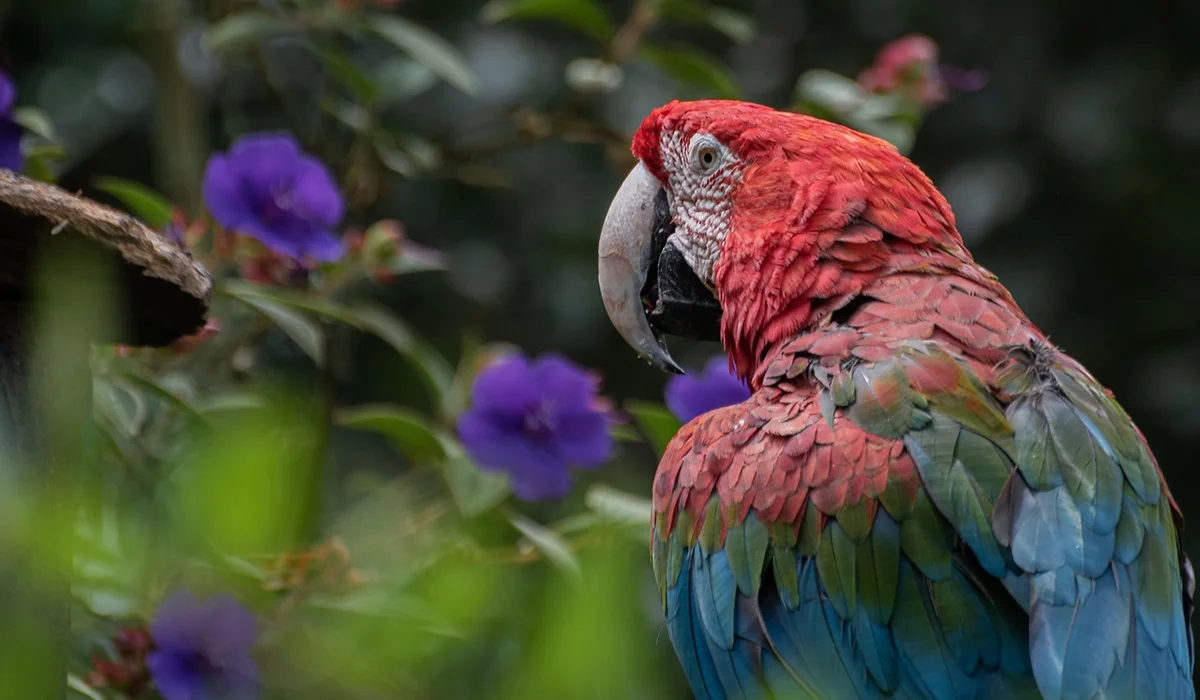
You can craft a personal budget that actually works. I use this straightforward guide every year, and it turned financial stress into confident planning for my flock.
-
Identify your parrot’s species and size. Smaller birds like Kiwi may have lower food costs, but their high energy means you’ll replace destroyed toys more often. Larger parrots, like my Sage, need pricier, durable items.
-
Count every beak in your home. Owning both Sunny and Sage means I multiply food and toy costs, but some vet bills are per bird, so double-check those. More birds bring more joy, but also more shared and individual expenses.
-
Factor in their incredible lifespan. Knowing Sage could live 50+ years, I set aside a small annual fund for future age-related care, like specialized vet visits or mobility aids. This long-term view prevents scary surprises.
Now, gather your numbers. This sample table shows how I tracked costs for one bird, based on my experience with Kiwi’s first year.
| Spending Category | Estimated Annual Cost | Personal Notes & Adjustments |
|---|---|---|
| High-Quality Food & Treats | $400 | Fresh veggies, pellets, and foraging snacks for mental stimulation. |
| Toys & Cage Enrichment | $250 | Conures destroy wood toys quickly! I budget for monthly replacements. |
| Routine Veterinary Care | $150 | Wellness check and basic bloodwork; emergency fund is separate. |
| Boarding/Pet Sitting | $300 | Based on one week of professional boarding per year. |
| Utilities (Heating/Air Purification) | $140 | Extra electricity for climate control and air quality devices. |
| Training & Special Needs | $200 | Includes a behavior workshop and premium dietary supplements. |
| Total Estimated Annual Cost | $1440 | Your number will vary. This is a starting point for one parrot. |
Fill this in with your own estimates. Seeing the full picture is the first step in providing a truly secure and enriching life for your feathered companion.
Keeping Costs Feather-Friendly: Smart Tips for Every Budget
Raising a parrot doesn’t have to ruffle your financial feathers. With a little creativity and planning, you can provide a fantastic life for your feathered friend without breaking the bank. I’ve learned that the smartest budget is one that prioritizes your parrot’s well-being while finding clever ways to save. For first-time owners, small parrot costs can stay friendly with budget-minded choices—think affordable cages, DIY toys, and budget-friendly foods. With careful planning, you can keep costs down while ensuring great care for your new companion.
My Favorite Frugal Feather Hacks
Over the years with Kiwi, Sunny, and Sage, I’ve discovered that some of the best things are homemade. Parrots are incredibly intelligent and need mental stimulation, which doesn’t require expensive store-bought toys every week.
- DIY Toy Heaven: My green-cheek, Kiwi, is obsessed with simple things. I save paper towel rolls, untreated wood scraps, and cardboard boxes to make foraging puzzles. Stringing plain, bird-safe wooden beads and blocks onto a leather cord creates a cheap, destructible toy that keeps him busy for hours.
- Bulk is Beautiful: For staple foods like pellets and certain nuts, buying in bulk from a reputable supplier is a game-changer. I split a large bag with a fellow parrot owner, which cuts the per-pound cost significantly. Just ensure you have airtight containers to keep the food fresh and free from pests.
- Produce Power: Instead of buying overpriced, pre-cut “birdie blends” at the pet store, I simply set aside a portion of the fresh vegetables I’m already preparing for my own meals. My flock loves bell pepper cores, broccoli stems, and the leafy tops of carrots and strawberries.
An Ounce of Prevention is Worth a Pound of Cure
This is the most important budget advice I can give, and it’s a core part of responsible animal welfare. A huge, unexpected vet bill is the quickest way to derail any budget and cause immense stress for both you and your bird.
Regular check-ups with an avian vet catch small issues before they become big, painful, and expensive emergencies. I take my parrots for a wellness exam every year, just like clockwork. Investing in these routine visits has saved me thousands in potential emergency surgery costs down the line, as detailed in this guide on preventative care for parrots.
Preventive care also means creating a safe home environment to avoid accidents. This is non-negotiable for their welfare. I’m vigilant about keeping them away from toxic fumes from non-stick cookware, ensuring they can’t chew on electrical cords, and never leaving them unsupervised with other pets.
Build a “Rainy Day” Nest Egg
Parrots live for decades. My African Grey, Sage, could be with me for 50 years. That’s a long time, and life has surprises. Parrots live so long because of hardy genetics and excellent care in captivity—balanced diets, low stress, and regular veterinary checkups.
I opened a separate, high-yield savings account specifically labeled “Flock Fund.” Every month, a small automatic transfer goes into it. This isn’t for food or toys-it’s for the future. This dedicated fund is for major vet bills, a sudden need for a new, larger cage, or any other significant, unplanned expense. Knowing it’s there lets me sleep soundly, knowing I can care for my birds no matter what comes our way.
- Start Small: Even $20 or $50 a month adds up over time. The goal is consistency.
- Make it Automatic: Set up an automatic transfer right after payday so you don’t even have to think about it.
- Define its Purpose: This fund is for genuine parrot-care emergencies and major planned expenses, not for impulse buys. That mental boundary keeps it sacred and useful.
FAQs
What is the estimated lifespan of your parrot species?
Parrot lifespans vary significantly by species, from 10-15 years for budgies to over 50 years for large parrots like African Greys or macaws. Researching your specific breed is essential for long-term financial and care planning. A parrot lifespan guide outlines how long different species typically live and what factors influence longevity. This context helps you prepare for decades of feathered companionship.
What is the annual cost of insurance (if applicable)?
Avian insurance typically costs $15-$40 monthly, but it usually covers only accidents and illnesses, not routine vet visits. Many owners prefer a self-insured emergency fund for greater flexibility and to cover all potential expenses.
Are there any other annual costs not listed? (Please specify).
Yes, often missed costs include higher utility bills for heating or air purifiers, and fees for behavior training or avian specialist consultations. Setting aside funds for future cage upgrades or age-related care adjustments is also a prudent practice.
Closing the Loop
Looking back at my time with Kiwi, Sunny, and Sage, I can tell you that planning your parrot’s yearly costs with a calculator is the smartest first flight you can take. It transforms guesswork into a clear map, covering everything from nutritious pellets and annual vet visits to those essential mental-stimulation toys they absolutely shred with joy. You’ll build a financial nest that keeps surprises from ruffling your feathers.
Bringing a parrot into your home is a promise to care for an intelligent, emotional being for decades. Commit to being a student of parrot care for life, because their welfare hinges on your dedication to understanding their evolving needs. A well-planned budget is the foundation of that promise, ensuring your companion soars in health and happiness every single day. To support that promise, create a care plan for your parrot that covers nutrition, vet visits, and enrichment. This plan helps you anticipate aging, medical needs, and daily routines, keeping your bird thriving for years to come.
Further Reading & Sources
- How Much Does a Parrot Cost? (2025)
- Do You Know the True Cost of Your Parrot? | Chewy
- The cost of owning parrots | Parrot Forum 🦜 Parrot Owners Community
Suzanne Levine is a dedicated parrot enthusiast and experienced avian caregiver with over 15 years of hands-on experience in parrot care. As the founder of Parrot Care Central, Suzanne is passionate about sharing her knowledge and insights to help fellow parrot owners provide the best possible care for their feathered friends. Her expertise spans nutrition, behavior, health, and enrichment, making her a trusted resource in the parrot care community.
Health & Wellness