
Common Health Issues That Affect a Parrot’s Lifespan
Published on: March 11, 2026 | Last Updated: March 11, 2026
Written By: Suzanne Levine
Are you worried that everyday health problems might shorten your parrot’s life? It’s a fear many bird owners share, and I’ve felt it too with my own flock. From Kiwi’s playful antics to Sage’s calm wisdom, I’ve seen how small issues can add up over time.
I’ll guide you through the main health hurdles that impact longevity, drawing from my years of experience. We’ll focus on three key areas:
- How diet and nutrition directly influence aging and vitality.
- Recognizing early signs of respiratory and feather-related illnesses.
- Behavioral and environmental factors that either protect or harm your bird’s health.
You’ll walk away with clear, practical steps to support your parrot’s well-being. Key topics we explore include: poor nutrition, respiratory infections, feather plucking, toxic exposures, and stress management.
How Long Can Your Parrot Live?
Parrots can live surprisingly long lives, often outlasting many other pets with proper care. I’ve seen my African Grey Sage thrive for years, showing how species like hers can reach 40-60 years with the right attention. A parrot lifespan guide shows how long different species live and what care extends those years. Genetics play a big role, but your daily care choices make a huge difference in extending their years. Knowing these ranges helps owners plan nutrition, enrichment, and vet visits for the long term.
- Budgerigars: 5-10 years on average, though some hit 15 with excellent care.
- Cockatiels: Typically 15-20 years, but I’ve met ones pushing 25.
- African Greys: 40-60 years-Sage is only 8, so we’re in it for the long haul.
- Macaws: 50+ years, requiring a lifelong commitment.
- Conures (like my Kiwi and Sunny): 20-30 years, full of energy and mischief.
Factors like diet, exercise, and a stress-free home directly impact how long your feathered friend stays healthy. Providing a varied diet and mental stimulation can add years to their life, as I’ve learned with my playful Kiwi. Regular vet visits and a clean environment are non-negotiable for maximizing lifespan.
| Species | Typical Lifespan (Years) |
|---|---|
| Budgerigar | 5-10 |
| Cockatiel | 15-20 |
| African Grey | 40-60 |
| Macaw | 50+ |
| Conure | 20-30 |
Bug Battles: Infectious Diseases in Parrots
Infectious diseases can cut a parrot’s life short if not caught early. Spotting changes in behavior, like when Sunny seemed less social, helped me act fast and prevent bigger issues. Bacterial, viral, and parasitic threats are common, but knowledge and prevention can keep your bird safe.
- Chlamydiosis: Causes respiratory distress and lethargy; spreads through airborne particles or contaminated surfaces. Prevent it by quarantining new birds and cleaning cages regularly.
- Psittacosis: Similar symptoms but can affect humans too; transmitted via droppings or dust. Reduce risk with good ventilation and handwashing.
- Polyomavirus: Often fatal in young birds, leading to weight loss and diarrhea; spreads through feather dust or shared items. Vaccination and isolation of sick birds are key.
- PBFD (Psittacine Beak and Feather Disease): Results in feather loss and beak deformities; highly contagious through direct contact. Avoid introducing untested birds to your flock.
- Trichomoniasis: A parasitic issue causing difficulty swallowing and weight loss; transmitted via contaminated water or food. Keep feeding areas clean and provide fresh water daily.
Bacterial and Viral Invaders
Psittacosis and Polyomavirus are stealthy enemies that can drastically shorten a parrot’s life. Early detection through routine vet checks saved my Sage from a severe scare last year. Watch for signs like labored breathing or sudden lethargy, and seek professional help immediately. For lethargy, our lethargy parrots troubleshooting guide can help you find the cause and decide on the next steps. It lays out quick checks and red flags to keep your bird safe.
- Schedule annual vet exams to catch issues before they escalate.
- Observe your parrot daily for any behavior shifts, such as reduced appetite or vocal changes.
- Isolate sick birds to prevent spread, and disinfect their environment thoroughly.
Parasitic Problems
Parasites like those in Trichomoniasis wreak havoc on a parrot’s digestive system, leading to malnutrition and a shorter life. I always check Kiwi’s water bowl for cleanliness to avoid these nasty critters. Prevention starts with simple habits, but treatment requires vet guidance for deworming or medications.
- Clean cages and perches weekly with bird-safe disinfectants.
- Offer filtered water and change it multiple times a day to reduce contamination.
- If symptoms appear, like regurgitation or weight loss, consult a vet for antiparasitic drugs.
Fuel Fails: Nutritional Health Issues
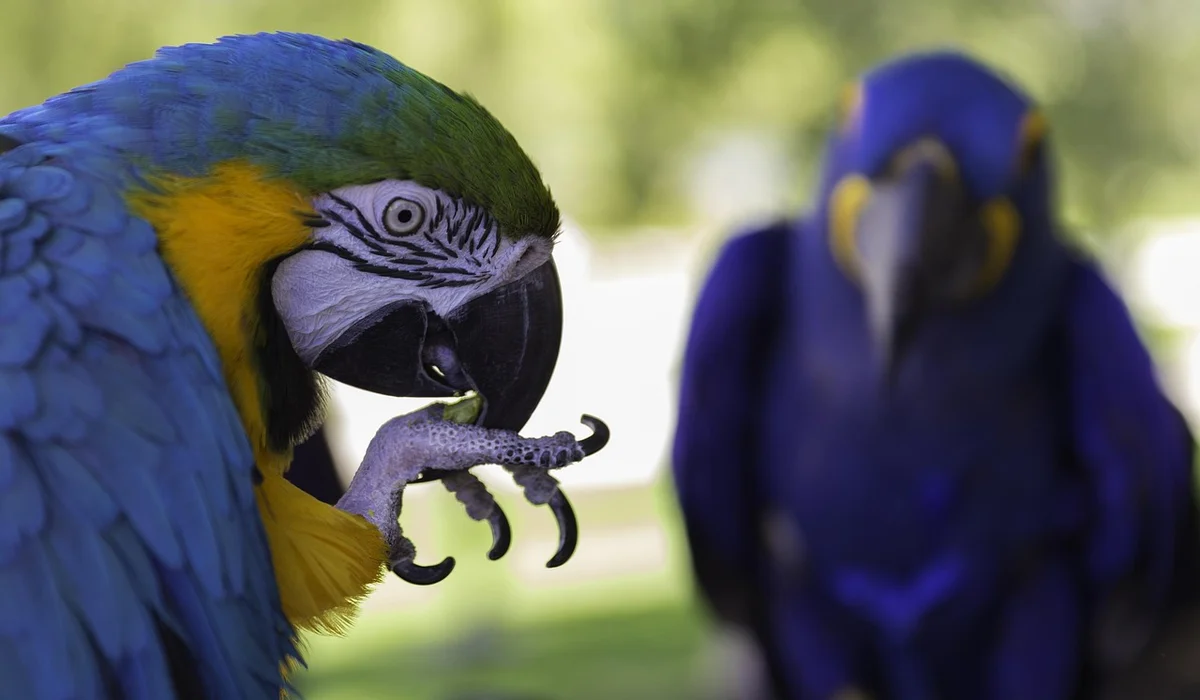
Proper nutrition is the absolute bedrock of a long, vibrant parrot life. I’ve seen far too many birds suffer from malnutrition and obesity simply because their owners didn’t understand what a balanced diet truly looks like. It’s not just about filling a food bowl; it’s about providing the right fuel. General parrot dietary guidelines emphasize variety, balance, and access to clean water. A base of high-quality pellets should be complemented with fresh fruits and vegetables, with seeds offered only in moderation.
- Malnutrition often stems from a seed-only diet, which is like a human eating only potato chips. It lacks essential vitamins and minerals.
- Obesity creeps up silently from high-fat seeds and too many treats, putting immense strain on their tiny bodies.
- Hypovitaminosis A is a common deficiency that weakens a bird’s respiratory, digestive, and reproductive systems.
Getting the diet right is your single most powerful tool for preventing disease. A high-quality pellet should form the base of their diet, supplemented with fresh vegetables, a little fruit, and a minimal amount of healthy seeds as a treat. Portion control is critical; I weigh my birds’ food weekly to ensure they’re not overeating.
Vitamin and Weight Woes
When nutrition is off, the internal damage can be severe. Hypovitaminosis A specifically targets the cells lining the respiratory tract and sinuses, making your bird incredibly vulnerable to chronic infections. Obesity, on the other hand, is a full-body stressor.
- Watch for signs like dull feathers, flaky skin, frequent sneezing, or labored breathing, which can point to vitamin deficiencies.
- An obese parrot may have a prominent breastbone buried in fat, be lethargic, and struggle to fly.
- Dietary corrections involve an immediate switch to a formulated pellet diet and introducing dark, leafy greens like kale and chopped sweet potatoes, which are rich in Vitamin A.
My Green-cheeked Conure, Kiwi, went through a picky phase where he’d only eat sunflower seeds. It took patience and persistence, but slowly introducing new foods by mixing them with his old favorites eventually worked wonders for his health and plumage.
Silent Saboteurs: Chronic and Organ Diseases
These conditions are the stealthy thieves of a parrot’s lifespan, often showing no obvious signs until the damage is significant. Kidney disease, liver disease, and atherosclerosis (hardening of the arteries) develop slowly over years, directly shortening your bird’s life. They are frequently linked back to long-term poor nutrition. This connection underlines that a parrot’s diet can influence its lifespan and overall health. Choosing a balanced, species-appropriate diet is a key factor in long-term wellbeing.
- Kidney disease can result from chronic dehydration or excessive protein and calcium.
- Liver disease is often a consequence of a high-fat, all-seed diet.
- Atherosclerosis is a common finding in older parrots, especially Amazons and African Greys, restricting blood flow.
Vigilant monitoring is your best defense. I recommend a full veterinary check-up at least once a year for adult birds, and twice a year for seniors like my African Grey, Sage. These visits often include blood tests that can spot organ issues long before you see any symptoms at home.
Heart, Kidney, and Liver Health
Knowing the subtle symptoms can help you catch these diseases early. A parrot with atherosclerosis might get tired easily, have difficulty breathing, or even suffer from sudden leg weakness or seizures. Kidney issues often manifest as increased thirst and urination. Sometimes a light tremor or shake is normal—like from excitement or cold—but persistent shaking can signal a health problem. By tracking when the shaking occurs and what other signs are present, you can distinguish normal behavior from warning signs and act promptly with your vet.
- Support organ function with a low-fat diet rich in fresh foods and ensure they always have access to clean water.
- Provide opportunities for daily exercise and flight to maintain a healthy cardiovascular system.
- Minimize stress in their environment, as chronic stress hormones can exacerbate these conditions.
Creating a healthy habitat goes beyond the cage. I make sure my birds get several hours of supervised out-of-cage time every single day to keep their hearts strong and their minds engaged. This active lifestyle, combined with a proper diet, is your best strategy against these silent saboteurs.
Body and Mind: Behavioral and Physical Risks
Your parrot’s environment directly impacts their physical health and mental state. A stressed or bored parrot will often develop physical symptoms that can drastically shorten their life. I’ve seen this firsthand with my own flock, especially with my curious Green-cheeked Conure, Kiwi. To help you tell if your parrot is stressed, here are 15 warning signs to watch for. Understanding them can help you adjust their environment before serious issues develop.
Feather, Beak, and Reproductive Troubles
Feather plucking is a heartbreaking sign of distress. It’s not just a bad habit; it’s a cry for help. Common causes include nutritional deficiencies, skin parasites, and profound psychological boredom. My African Grey, Sage, started over-preening when his cage was in a low-traffic area, making him feel isolated.
- Poor diet lacking specific vitamins and amino acids.
- Chronic stress from loud noises, lack of routine, or predator sightings.
- Underlying medical issues like liver disease or fungal infections.
Beak deformities, often called dystrophic beak, prevent a parrot from eating and climbing properly. This condition is frequently linked to Psittacine Beak and Feather Disease (PBFD), a serious viral infection, or chronic malnutrition.
For female parrots, reproductive issues are a major concern. Egg binding, where an egg gets stuck, is a life-threatening emergency. Egg yolk peritonitis is another severe condition where yolk material leaks into the body cavity, causing a massive infection. Prevention is your most powerful tool against these reproductive nightmares.
- Limit high-fat, egg-producing foods like seeds unless she is actively breeding.
- Ensure she gets 12 hours of uninterrupted darkness to suppress hormonal cycles.
- Remove any potential nesting sites like enclosed boxes or dark corners in the cage.
Lifespan Boosters: How to Improve Parrot Health
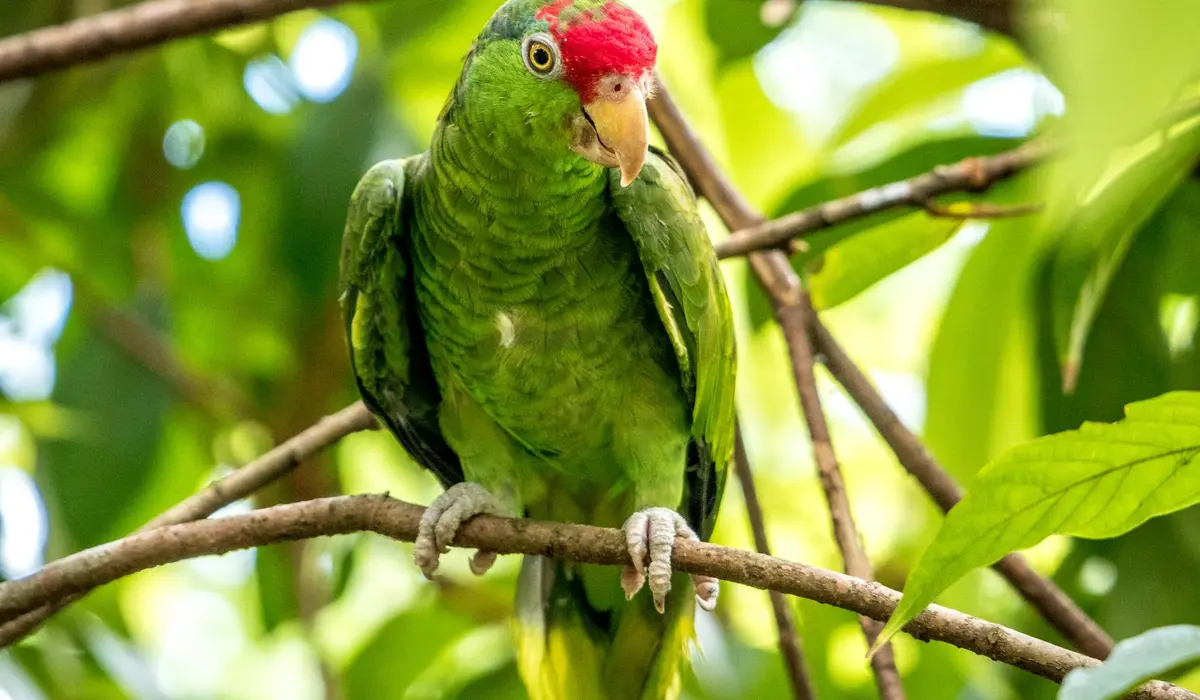
Extending your parrot’s life is about consistent, daily care. Think of their health as a three-legged stool supported by diet, environment, and veterinary partnership. A weak leg, and the whole thing topples.
A balanced diet is non-negotiable. My conures thrive on a base of high-quality pellets, making up about 75% of their meals. Fresh vegetables, a small amount of fruit, and rare, healthy treats like a bit of nut complete the picture. Avoid avocado, chocolate, and onions at all costs-they are toxic.
- Prioritize a pelleted diet formulated for your parrot’s specific size.
- Introduce a colorful chop of fresh veggies daily for vital phytonutrients.
- Provide clean, fresh water in a stainless-steel bowl, changed twice daily.
Exercise is not optional; it’s essential for physical and mental fitness. Encourage flight in a safe room or provide ample climbing opportunities to keep muscles strong and minds engaged. A sedentary parrot is an unhealthy parrot.
Your home is full of hidden dangers. Heavy metal poisoning from chewing on old paint or stained glass is a silent killer. Be vigilant about household toxins.
- Non-stick cookware: Fumes from overheated Teflon are lethal to birds.
- Aerosol sprays: Air fresheners, hairspray, and cleaning products can cause respiratory failure.
- Lead and zinc: Often found in costume jewelry, old toys, and some metal cage parts.
Finally, build a relationship with an avian veterinarian. Regular health checks are not just for when your bird is sick; they are for catching problems long before you see any symptoms. Early intervention is the single greatest factor in successfully treating most avian illnesses. Schedule at least one wellness exam per year, and don’t hesitate to call at the first sign of something being off.
Species Secrets: Lifespan Across Parrot Types
Each parrot species brings its own timeline and health quirks to the table. Understanding these differences helps you provide the best care for your feathered friend’s entire life. By learning what normal fluffing looks like for your bird, you can tell when it’s content. It also helps you spot potential illness early and know when to seek advice.
Conures
- Life Expectancy: Conures, like my playful Kiwi and social Sunny, often thrive for 20 to 30 years with attentive care.
- Common Health Issues: They are prone to obesity and fatty liver disease from high-fat diets. I’ve had to adjust Kiwi’s treats to keep his weight in check.
- Tailored Care Advice: Offer daily playtime and foraging toys to satisfy their curiosity. A diet rich in fresh vegetables supports long-term health.
African Greys
- Life Expectancy: African Greys, such as my smart Sage, can live an impressive 40 to 60 years, requiring a lifelong commitment.
- Common Health Issues: Feather plucking and respiratory infections are frequent concerns. Sage’s calm demeanor masks a need for mental challenges to prevent stress.
- Tailored Care Advice: Provide puzzle feeders and new learning activities regularly. Annual vet visits help catch issues like psittacosis early on.
Cockatiels
- Life Expectancy: Cockatiels typically enjoy 15 to 20 years, making them a shorter but deeply rewarding companion.
- Common Health Issues: They often face respiratory infections and egg binding in females due to environmental factors.
- Tailored Care Advice: Maintain a clean, low-dust habitat and offer a balanced pellet diet. Gentle interactions reduce their risk of anxiety-related problems.
FAQs
How does parrot health affect lifespan?
Poor health can drastically shorten a parrot’s life by increasing vulnerability to diseases and chronic conditions. Different parrot species face different health risks, from feather and beak problems to metabolic disorders. Maintaining optimal health through preventive care and a balanced lifestyle helps maximize their longevity and quality of life. Tailoring preventive care—regular veterinary checkups, species-appropriate diets, and enrichment—helps prevent these common issues and supports lifelong health.
What factors influence a parrot’s lifespan?
Genetics, diet, environmental safety, and regular veterinary care are primary factors that determine how long a parrot lives. Social interaction, mental stimulation, and a stress-free habitat also play significant roles in extending their years. That longevity raises the question: why do parrots live so long? The answer lies in a combination of robust biology, active social lives, and consistent, quality care.
How can you improve a parrot’s health and lifespan?
Offer a varied, nutrient-rich diet and ensure daily exercise and enrichment to support physical and mental well-being. Schedule routine vet check-ups and minimize exposure to toxins and stressors to proactively safeguard their health.
Closing the Loop
From my time with Kiwi, Sunny, and Sage, I’ve seen firsthand how proactive care-like regular vet checks and a varied diet-can fend off common health problems. Staying alert to changes in behavior or appetite helps you catch issues early, giving your parrot the best shot at a long, vibrant life.
Caring for a parrot is a rewarding journey that demands your ongoing attention and love. Embrace the adventure by continually educating yourself on parrot care, ensuring your feathered friend stays happy and healthy for years to come.
Further Reading & Sources
- How Long Do Parrots Live? | PetMD
- Parrot Lifespan: How Long Can Parrots Live? | Rabun County Vets | what is the lifespan of a parrot
- Parrot Lifespan: How Long Do Pet Parrots Live? | Turlock Vets
Suzanne Levine is a dedicated parrot enthusiast and experienced avian caregiver with over 15 years of hands-on experience in parrot care. As the founder of Parrot Care Central, Suzanne is passionate about sharing her knowledge and insights to help fellow parrot owners provide the best possible care for their feathered friends. Her expertise spans nutrition, behavior, health, and enrichment, making her a trusted resource in the parrot care community.
Health & Wellness