
Advanced Recall Training: Proofing Your Parrot’s Flight Skills Indoors
Published on: February 11, 2026 | Last Updated: February 11, 2026
Written By: Suzanne Levine
You’ve mastered basic recall with your parrot, but now you’re wondering if those skills will hold up when distractions pop up in your living room. I’ve been there with my own birds, like Kiwi the Green-cheeked Conure, who loves to explore every nook and cranny, and I know how nerve-wracking it can feel to trust their flight indoors.
Drawing from my years of hands-on experience, I’ll walk you through key strategies to boost your parrot’s reliability.
- Set up a safe indoor space that minimizes risks while allowing natural flight behavior.
- Use gradual proofing techniques to reinforce recall even with common household distractions.
- Apply positive reinforcement methods that build lasting trust and responsiveness in your bird.
You’ll find straightforward steps to transform your parrot’s flight skills into a dependable part of your daily routine. Topics covered include: indoor safety setup, distraction proofing methods, step-by-step training drills, and troubleshooting recall challenges.
Why Indoor Flight Proofing Transforms Your Parrot’s Life
Advanced recall training inside your home does so much more than teach a fun trick. It fundamentally upgrades your parrot’s daily experience by creating a safe world where they can truly be a bird. That’s where you can train your parrot with fly-return recall training. With consistent practice, your bird learns to return on cue, turning free flight into a safe daily routine.
My green-cheeked conure, Kiwi, used to get spooked by sudden noises and would fly erratically, often bumping into walls. After we dedicated time to indoor proofing, his entire demeanor shifted from nervous to navigator. He learned to bank and turn on command, which built a incredible layer of confidence I see in everything he does now.
- Prevents Accidents: A proofed parrot knows how to maneuver around furniture and avoid ceiling fans, drastically reducing the risk of a crash landing.
- Builds Unshakeable Trust: Every successful recall reinforces that you are your parrot’s safe harbor, deepening your connection far beyond the cage.
- Supports Natural Behaviors: Flight is as essential to a parrot as walking is to us. This training lets them express that core instinct safely and joyfully.
Setting Up a Secure Indoor Flight Training Space
Creating the right environment is your first and most critical step. You need a predictable, controlled space where your parrot can focus on learning, not on avoiding dangers. A safe and stimulating indoor flight environment is crucial.
I always use a spare bedroom with my two conures. Here is my foolproof process.
- Choose the Right Room: Pick a room with minimal furniture and no clutter. A closed door is non-negotiable to prevent escapes.
- Remove All Hazards: Get on your hands and knees! Look for electrical cords, small objects they could chew, and open containers of water.
- Cover Windows and Mirrors: Use temporary curtains or static-cling decals to prevent your bird from flying into glass.
My indoor flight checklist ensures nothing is missed.
- All windows and mirrors are clearly marked or covered.
- Ceiling fans are turned off at the wall switch.
- Doors to the hallway and other rooms are securely closed.
- No other pets are in the room during training sessions.
- The room temperature is comfortable, with no drafts from air vents.
From my sessions with the energetic Kiwi and my more cautious Sun Conure, Sunny, I learned the power of strategic perches. I place familiar rope perches at varying heights around the room, giving them clear and comfortable landing targets. I also put a small play gym in the center, loaded with a favorite treat, which acts as a home base and reward station. This setup makes them feel secure and gives them clear goals during their flight exercises.
Core Techniques for Advanced Recall Training Success
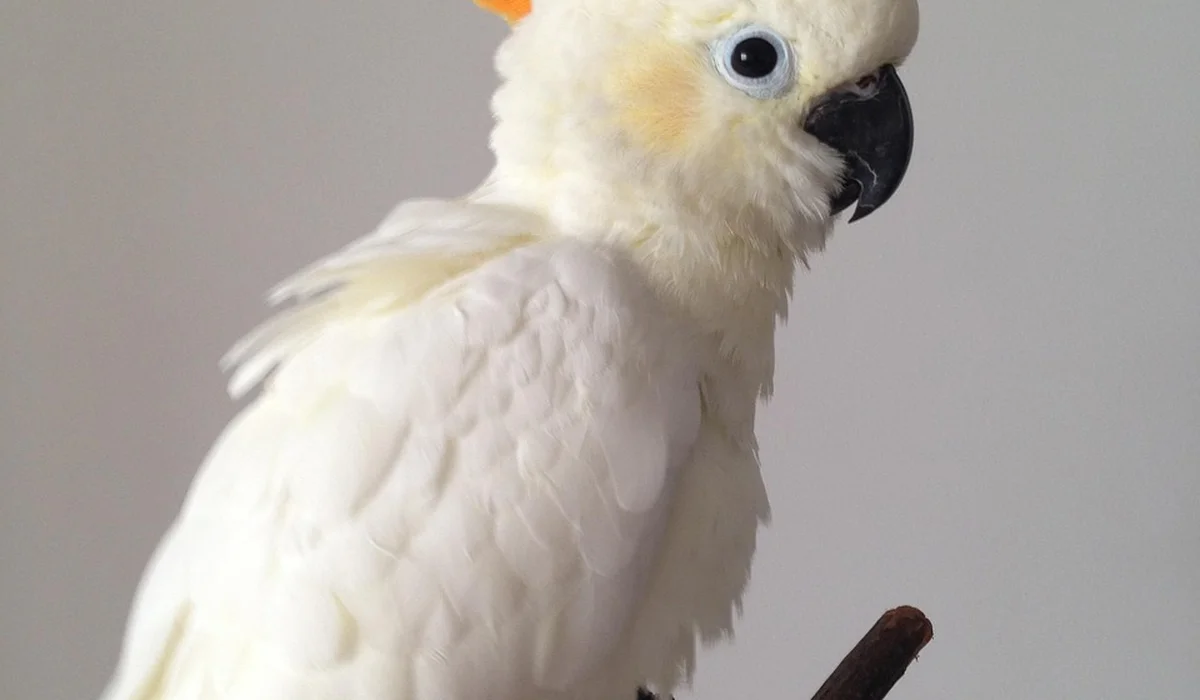
Mastering advanced recall starts with tools that make learning fun and clear for your parrot. Target training and clicker training build a strong foundation by breaking complex flights into simple, rewarding steps. I rely on these methods daily with my parrots, especially Sage, to keep their skills sharp and their spirits high.
Target Training Step-by-Step
- Hold a target stick or your finger close to your parrot and reward any touch with a favorite treat. This creates a positive association with the target right from the start.
- Slowly move the target a few inches away, giving a reward each time your parrot follows and touches it. I did this with Kiwi, and her playful curiosity made it a game she loved.
- Increase the distance gradually, always celebrating successes to build momentum and trust.
- Use the target to guide your parrot back to you during recall drills, reinforcing that coming to you means good things happen.
Clicker Training Step-by-Step
- Charge the clicker by clicking and immediately giving a treat several times in a row. Your parrot quickly learns the click signals a reward is on its way.
- When your parrot flies toward you, click the moment they land and follow up with a treat. Timing is everything here-I learned that with Sunny, whose social nature thrived on instant feedback.
- Keep sessions short, around 5-10 minutes, to prevent boredom and maintain high energy levels.
- Shape behavior by rewarding incremental improvements, like flying a bit farther or faster each time.
Positive reinforcement turns training into a joyful experience for both of you. Always deliver rewards within seconds of the desired action to make the connection crystal clear. When I delayed treats with Sage early on, he got confused, but correcting that timing made his recall reliable and eager. Use high-value treats like bits of fruit or nuts to keep motivation sky-high.
Consistency shapes behavior over time, much like building a habit. Stick to regular training times and use the same cues to avoid mixed signals. With Sage, I practiced recall at the same hour each day, rewarding every small flight until he could zip across the room without hesitation. His calm intelligence allowed us to progress steadily, but patience was key-rushing only leads to stress, which harms animal welfare.
Step-by-Step Proofing to Solidify Flight Skills
Proofing is where you test and strengthen your parrot’s recall under real-world conditions. Begin with simple flights and layer in challenges to build unshakable confidence. This method ensures your parrot responds reliably, no matter what’s happening around them.
Proofing Stages to Follow
- Basic Recall: Practice in a quiet, familiar space with minimal distractions. Have your parrot fly to you from a short distance, like across a small room.
- Add Distance Fades: Slowly increase how far your parrot must fly, rewarding each successful return. I did this with Sage, starting from a perch just feet away and expanding step by step.
- Introduce Distractions: Bring in mild interruptions, such as a toy on the floor or soft music, then progress to louder sounds or other people moving around.
Desensitization and cue fading help your parrot handle surprises without faltering. Follow this numbered process to ease them into new situations gently and avoid common training mistakes.
- Expose your parrot to a low-level distraction, like a quiet TV, while practicing recall. Reward them generously when they focus on you and complete the flight.
- Gradually raise the distraction intensity, but only if your parrot stays calm and successful. If they struggle, step back to an easier level.
- Fade cues by alternating between verbal commands and hand signals, so your parrot learns to respond to either. With Sage, I mixed it up to keep his smart mind engaged.
- Change training locations regularly, like different rooms, to generalize the skill and make it stick everywhere.
If your parrot hesitates or refuses to fly, troubleshoot with kindness and patience. First, assess if they’re tired, hungry, or feeling unsafe—addressing these needs often resolves the issue. When Sage balked, I’d return to a shorter distance and reward any effort, rebuilding his trust without pressure. Never force a flight; it risks fear and setbacks, contradicting animal welfare principles. Instead, end sessions on a positive note to keep their enthusiasm alive. If the issues persist, consider consulting a veterinarian or an avian behaviorist who specializes in parrots. They can help determine medical factors and provide a customized behavior modification plan.
Essential Tools to Boost Your Training Sessions
Having the right gear transforms chaotic flapping into graceful, purposeful flight. These tools aren’t just accessories; they’re the building blocks for a reliable, safe recall.
- Clickers: This small device creates a crystal-clear “yes!” moment for your parrot. The instant they land on your hand, the click marks the exact behavior you want. I use it with my Green-cheeked Conure, Kiwi, to pinpoint the precise second his feet touch down.
- Target Sticks: A target stick gives your parrot a visual destination. You can guide them to fly to specific, safe perches around the room, dramatically improving their flight agility and directional control. My Sun Conure, Sunny, loves chasing the tip of her target stick from curtain rod to playstand.
- Safe Perches: Set up multiple, stable perches at varying heights and distances. This setup encourages your parrot to practice different flight paths, building muscle and coordination. Avoid perches with sandpaper covers; they’re harsh on sensitive feet.
- Reward Systems: Keep a small bowl of high-value treats-like pine nuts or millet spray-within easy reach. Immediate reward delivery reinforces the flying-to-you action. I always have Sage’s favorite walnut pieces ready the moment my African Grey completes a recall.
Some items create more risk than reward. Steer clear of any toy with small, chewable parts or long, dangly strings that could entangle wings or feet during flight. Reflective surfaces can also startle a bird mid-air, leading to crashes. I learned this the hard way after a close call with a large wall mirror.
Overcoming Common Hurdles in Recall Training
Every parrot parent hits a snag. The key is not to get frustrated but to adapt your strategy. Routine, structured training helps address common behavioral issues. Consistency builds trust and predictability between you and your parrot. Training setbacks are simply opportunities to understand your bird’s unique personality better.
Distraction Doozies: Your parrot was flying perfectly until a sunbeam hit the floor, and now they’re obsessed. It happens!
- Redirect their focus back to you with an excited, happy voice.
- Use their target stick to guide their gaze and flight path away from the distraction.
- Practice in a boring room first, then slowly introduce one new distraction at a time.
Reward Timing Mistakes: If you reward too late, your parrot might think they’re being praised for biting your earring instead of landing on your hand.
- The clicker is your best friend here. It bridges the tiny gap between the correct action and the treat.
- If you fumble the treat, still offer enthusiastic praise. Your voice is a powerful secondary reinforcer.
My quick fixes from working with Kiwi, Sunny, and Sage:
- If your parrot seems hesitant, shorten the flight distance. Success builds confidence.
- End every session on a positive note, even if it means asking for a simple, already-mastered trick.
- Watch their body language. A puffed-up, still bird is often a scared bird, not a stubborn one.
Building Unshakable Flight Agility and Trust
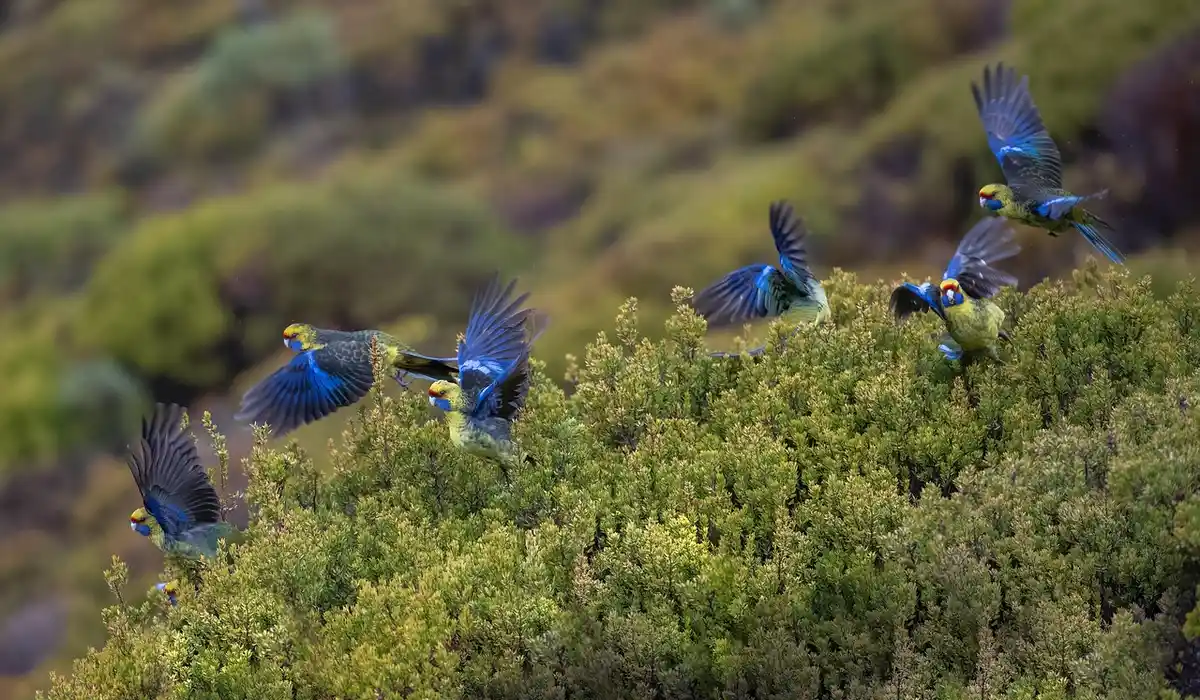
Start with short, controlled flights across a safe room to build your parrot’s confidence and muscle strength. I set up perches at varying heights for Kiwi, my Green-cheeked Conure, encouraging him to navigate up and down, which naturally conditions his feathers through regular movement. Use lightweight toys like bells or balls to create fun targets for your bird to fly toward, turning practice into an engaging game.
- Practice recall flights from one perch to your hand, gradually increasing distance as your parrot improves.
- Introduce gentle obstacles, such as hanging ropes or low barriers, to enhance maneuvering skills without causing stress.
- Rotate toys and perches weekly to keep the environment stimulating and prevent boredom.
Incorporate play by rewarding successful flights with favorite treats or cheerful praise. Positive reinforcement turned Sunny, my Sun Conure, into an eager flyer who associates training with joyful interactions and tasty snacks. Keep sessions brief-just 5-10 minutes daily-to maintain enthusiasm and avoid overwhelming your feathered friend.
Consistency helped my parrots gain independence; Sage, the African Grey, now initiates flights on her own after months of patient practice. By blending routine with variety, you foster a bond built on trust and mutual enjoyment, making advanced skills feel like second nature.
When to Seek Expert Guidance for Your Parrot
Watch for persistent signs of fear, like frantic flapping or refusal to leave the cage, as these may indicate underlying stress or health issues. There are 15 warning signs to tell if your parrot is stressed, so you can spot them early. Knowing these signs helps you respond promptly and keep your bird comfortable. If your parrot shows repeated hesitation or vocalizes distress during flight attempts, it’s a clear signal to pause and assess their comfort level. Physical risks, such as clipped wings causing imbalance or old injuries resurfacing, demand immediate attention from an avian vet.
- Monitor progress by tracking recall success rates and noting any changes in behavior over weeks.
- Seek help if improvements stall or regress, especially if your bird becomes withdrawn or aggressive.
- Consult a certified trainer for tailored strategies if standard methods fail to address specific challenges.
Evaluating when to call in experts saved Kiwi from potential harm when he developed a feather-plucking habit; a vet identified nutritional gaps we fixed together. Always prioritize your parrot’s welfare by creating a safe training space free of hazards like open windows or toxic plants. Trust your instincts-if something feels off, professional guidance ensures your bird stays healthy and happy through every flight milestone.
FAQs
How long does it typically take to proof a parrot’s recall indoors?
The timeline depends on your parrot’s individual temperament and consistency in training. Most birds show steady improvement within a few weeks of regular, short sessions. Realistic timelines for long-term training often span weeks to months, depending on the goal and the bird. Track progress in small milestones and adjust the pace as needed.
What should I do if my parrot loses interest in training treats?
Rotate high-value rewards like nuts or fruit to keep motivation fresh and exciting. You can also incorporate favorite toys or verbal praise as alternative reinforcements.
Can I train a parrot that has never flown freely indoors before?
Yes, start with basic recall in a secure, small space to build their confidence gradually. Always prioritize safety by removing hazards and using positive reinforcement to encourage flight attempts.
Wrapping Up Your Training Journey
From my years with Kiwi, my curious Green-cheeked Conure, I’ve seen how consistent, positive reinforcement and gradual indoor proofing build reliable flight recall. Always keep sessions short and fun, using treats and praise to reinforce their success in different rooms and with mild distractions. Taken together, these steps are essential for parrot-proofing a room for safe, confident flight. With hazards minimized, your bird can practice recalls in a calm, secure environment. This approach helps your parrot feel confident and safe while flying back to you indoors.
Responsible parrot care means committing to their well-being through ongoing education and adapting to their needs. Continuously learning about species-specific behaviors, like Sage’s calm intelligence, ensures you provide the best life for your feathered friend. Stay curious and engaged in pet parrot care to foster a happy, healthy bond.
Further Reading & Sources
- Indoor Recall Training | LibertyWings.com
- Trained Parrot Blog – How to Teach Parrot Flight Recall
- Parrots and Windows… How to Overcome Them When Teaching Recall…
Suzanne Levine is a dedicated parrot enthusiast and experienced avian caregiver with over 15 years of hands-on experience in parrot care. As the founder of Parrot Care Central, Suzanne is passionate about sharing her knowledge and insights to help fellow parrot owners provide the best possible care for their feathered friends. Her expertise spans nutrition, behavior, health, and enrichment, making her a trusted resource in the parrot care community.
Obedience Training