
How to Care for Your Parrot’s Pin Feathers: A Simple Guide
Published on: September 26, 2026 | Last Updated: September 26, 2026
Written By: Suzanne Levine
Have you spotted those odd, spiky feathers on your parrot and felt a pang of worry about hurting them or doing something wrong? I remember the first time I saw pin feathers on my Green-cheeked Conure, Kiwi-I was nervous but learned fast through trial and error.
Drawing from my years with parrots like Sunny and Sage, I’ll help you master pin feather care with ease. Here are the key takeaways:
- Spot pin feathers early to prevent discomfort and support healthy molting.
- Use gentle techniques to assist your parrot without causing stress or pain.
- Avoid common errors that can lead to feather damage or behavioral issues.
You’ll find clear, step-by-step advice that’s easy to follow. What pin feathers are, safe handling methods, signs of trouble, diet tips for feather health, and when to seek vet help.
What Are Pin Feathers on Your Parrot?
Pin feathers are essentially new feathers growing in to replace old ones. They look like tiny, pointy shafts covered in a waxy keratin sheath that protects the developing feather inside. I’ve watched my Green-cheeked Conure, Kiwi, sprout dozens of these little spikes during a molt-it’s a perfectly normal and necessary process for maintaining a healthy, vibrant plumage.
Pin Feathers vs Blood Feathers: Know the Difference
Many parrot owners use these terms interchangeably, but there’s a crucial distinction. A pin feather is the general term for any new, developing feather. A blood feather, or “blood pin,” is a specific type of pin feather that is still actively connected to the blood supply. You can identify a blood feather by looking for a dark, bluish or reddish shaft, which is the visible blood supply inside.
Here’s a quick comparison from my own observations:
| Pin Feather | Blood Feather |
|---|---|
| All new feathers start as pin feathers. | A subset of pin feathers with an active blood supply. |
| The sheath is often white or pale. | The shaft appears dark due to the blood inside. |
| Generally not painful when touched gently. | Can be very sensitive; a broken one is a medical emergency. |
Where Pin Feathers Commonly Appear
You’ll find these little spikes popping up all over, but some spots are more noticeable than others.
- Head and Neck: My Sun Conure, Sunny, always gets a “pin-cushion” look on her head since she can’t preen there herself.
- Chest and Back: These are large, flat areas where many contour feathers grow.
- Under the Wings: A common spot, but you have to look carefully when your parrot is stretching.
- Around the Rump and Tail: The long tail feathers and covert feathers here often molt in cycles.
Spotting Healthy and Troubled Pin Feathers
A healthy molting process is a sign of a happy bird. Healthy pin feathers appear as smooth, straight shafts that eventually crumble away to reveal a perfect, new feather underneath. Understanding what’s normal during a molt helps you spot potential health concerns early. If you notice sudden, excessive shedding, dull feathers, or changes in behavior, consult an avian veterinarian. You’ll see your parrot actively preening to remove the sheaths. My African Grey, Sage, is a master at this, meticulously cleaning each new feather as it emerges.
Here’s what a normal, healthy molting cycle looks like on my birds:
- New pins emerge as small, white or pale spikes.
- The sheath dries out and becomes flaky.
- Your parrot preens or rubs the sheath off.
- A fully formed, beautiful feather unfurls.
When Pin Feathers Signal Bigger Health Issues
While molting is natural, the state of the pin feathers can be a window into your parrot’s overall health. If you notice a large number of broken, bleeding, or blackened pin feathers, it’s time for a vet visit. This isn’t normal and can indicate underlying problems. Distinguishing normal molt vs feather plucking can be tricky. Look for irregular feather loss or active pulling beyond what you’d expect in a seasonal molt.
Watch for these specific red flags:
- Persistent Blood Feathers: An excessive number that won’t mature can point to nutritional deficiencies or liver issues.
- Black or Darkened Sheaths: This can mean the feather inside has died, often due to infection or poor circulation.
- Excessive Breaking: This frequently stems from a poor diet lacking essential vitamins and minerals for strong keratin.
- Overgrown Sheaths: If your parrot can’t or won’t preen them away, it might signal pain, arthritis, or obesity.
Your Step-by-Step Pin Feather Care Routine
Bathing and Misting for Happy Feathers
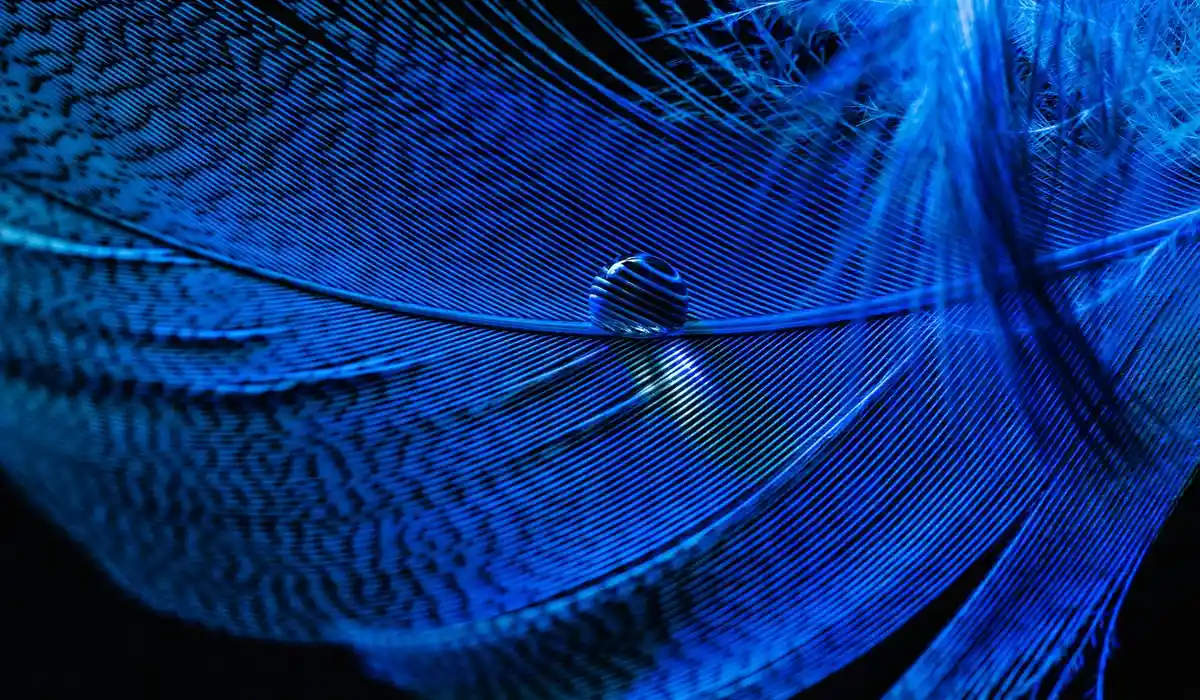
When my Green-cheeked Conure, Kiwi, starts sprouting pin feathers, I make bathing a fun ritual to soothe her skin. Regular misting or shallow baths help soften the keratin sheath around new feathers, making them easier to preen and less itchy for your parrot. I use a clean spray bottle with lukewarm water and gently mist Kiwi from a distance, letting her shake off excess moisture-she gets so playful, it’s like a mini rain dance!
- Offer a shallow dish of water for splashing, or use a fine-mist spray bottle daily during heavy molts.
- Always use room-temperature water to avoid shocking your bird’s sensitive skin.
- Watch for signs of enjoyment, like fluffed feathers and happy chirps, to gauge their comfort.
Sunny, my Sun Conure, adores bath time so much that he’ll hop right into his water bowl when he feels those pins coming in. Keeping feathers hydrated reduces breakage and supports healthy growth, which is vital for their flight and insulation. I’ve found that a consistent routine prevents dryness and keeps my birds from over-preening, which can lead to feather plucking.
Safe Toys and Perches for Molting Relief
Molting can make parrots feel irritable, but the right toys and perches offer relief. Providing textured surfaces helps your parrot naturally rub against them to loosen pin feather sheaths without causing harm. During the molting cycle, parrots shed old feathers and grow new ones, often feeling itchy in the process. For a molting cycle parrot, textured perches and routine enrichment can ease discomfort and support the molt. I rotate different perches in Sage’s cage, like natural wood or rope, and she’ll gently scratch her head and body against them—it’s her way of saying “thank you”!
- Choose soft wood toys or shreddable items for gentle chewing, which distracts from discomfort.
- Avoid hard plastic or metal perches that might irritate sensitive skin during molts.
- Include foraging toys to keep their minds busy and reduce stress-related behaviors.
Kiwi loves her cactus wood perch; it’s rough enough to help with pin feathers but safe for her feet. Always inspect toys for sharp edges and replace them if they show wear to prevent injuries. From my experience, a well-equipped cage makes molting seasons much smoother and keeps your parrot engaged and happy.
Feeding for Fabulous Feather Growth
Hydration and Vitamin Boosts
Feathers are mostly protein, so a balanced diet is key for strong pin feather development. Fresh water is non-negotiable-dehydration can lead to brittle feathers and slow growth, so I check water bowls twice a day. I add a drop of avian-safe liquid vitamins to Sunny’s water during molts, and his vibrant colors pop even more as new feathers emerge.
- Incorporate foods rich in omega-3s, like flaxseeds or chia seeds, to support feather shine and strength.
- Offer chopped veggies with high water content, such as cucumber or bell peppers, for extra hydration.
- Avoid sugary treats that can cause imbalances and hinder feather quality.
Sage, my African Grey, thrives on a mix of pellets, fresh greens, and occasional hard-boiled eggs for protein. Supplementing with vitamins A and E, found in carrots and leafy greens, promotes healthy skin and feather follicles. I’ve seen firsthand how a nutrient-rich diet reduces molting stress and helps feathers grow in smoothly, without patches or discoloration.
Handling Pin Feather Emergencies
When to Rush to the Avian Vet
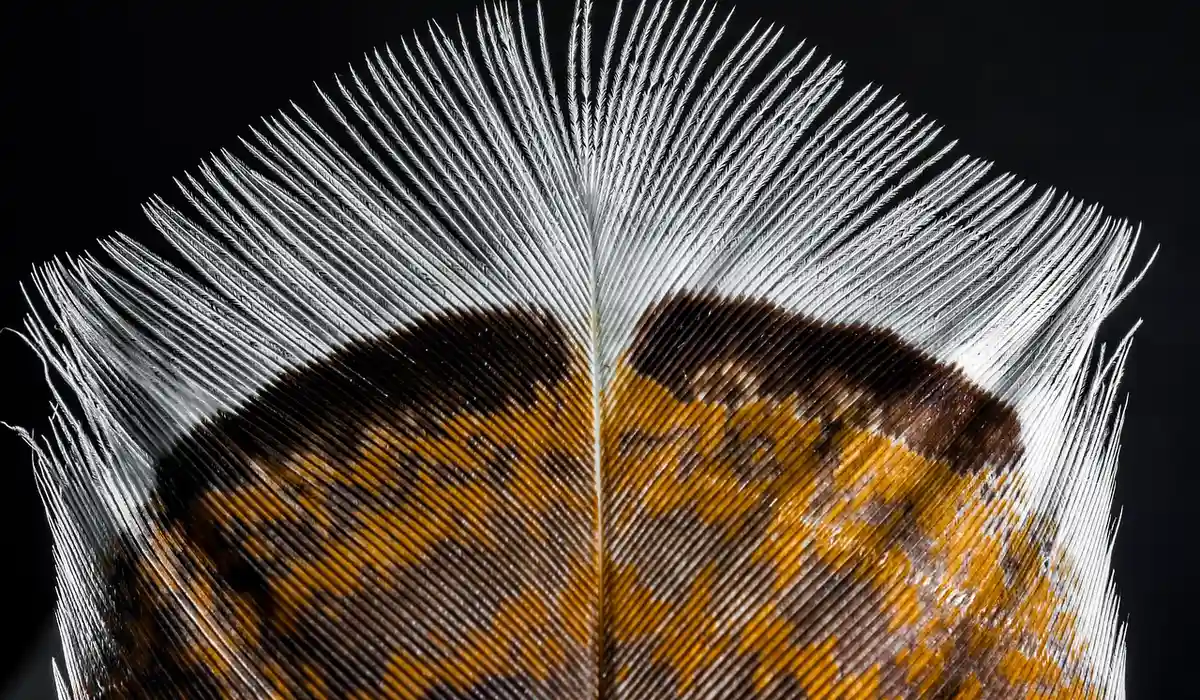
Pin feather issues can turn serious fast, so knowing when to seek help is key. For sick parrots, basic home first aid and emergency care know-how can buy you time before you reach a vet. These quick checks and stabilizing steps aren’t a substitute for professional care, but they can help you act fast when seconds count. If your parrot shows signs of heavy bleeding from a broken pin feather, don’t wait-get to the vet immediately. I learned this the hard way when Kiwi snapped one during play, and quick action saved her from infection.
Watch for these red flags that mean an urgent vet visit:
- Continuous bleeding that doesn’t stop with gentle pressure
- Swelling, redness, or pus around the pin feather area
- Your parrot refusing to eat, drink, or move normally
- Feathers falling out in clumps or looking discolored
Early detection makes all the difference. Trust your gut-if something feels off, it’s better to be safe than sorry for your feathered friend’s health. From my experience with Sunny, who once had a minor infection, catching it early prevented bigger problems.
Preventing Pin Feather Problems Long-Term
Building a Feather-Friendly Home
Creating a safe space helps your parrot’s feathers grow strong and healthy. Start by ensuring their diet is rich in nutrients like protein and vitamins, which support feather development. I mix fresh veggies and pellets for Sage, and his feathers have never looked better. This approach is a key part of the ultimate guide to foraging that enriches your parrot’s diet. Try hiding small treats in foraging toys or cups to encourage natural foraging behavior.
Set up your home to minimize risks:
- Keep cages and perches smooth to prevent pin feathers from snagging
- Maintain proper humidity levels-dry air can make sheaths brittle
- Provide regular baths or misting to help with natural preening
- Avoid harsh chemicals or fumes that could irritate sensitive skin
Regular check-ups and a calm environment go a long way. By making small changes, you’ll see fewer emergencies and a happier, healthier parrot over time. My birds thrive in a stress-free zone, and it shows in their vibrant plumage. It’s crucial to recognize the signs of stress in parrots to maintain their well-being.
FAQs
Why are there so many pin feathers on my parrot’s head?
Pin feathers often concentrate on the head because parrots cannot reach there to preen themselves. This clustering is normal during molting and may require gentle assistance from you or cage mates. Preening is also a common coping behavior when a parrot is worried or stressed, as discussed in Parrot preening when worried. If you notice changes in preening frequency or intensity, it’s worth checking the bird’s environment and stressors, and consider seeking veterinary guidance if concerns persist.
What do abnormal pin feathers indicate about my parrot’s health?
Abnormal pin feathers, such as those that are persistently black or broken, can signal underlying issues like infections or dietary imbalances. Consulting an avian vet is crucial to address any health concerns promptly.
Can I remove pin feathers myself, and how?
You should never forcibly remove pin feathers, as this can cause pain and bleeding. Instead, provide regular misting or baths to soften the sheaths, allowing your parrot to preen them off naturally. When you groom your bird, include regular checks of the nails, beak, and feathers as part of a complete parrot care routine. If you notice any abnormalities, consult an avian vet or experienced groomer for safe trimming and care.
Final Thoughts
Your parrot’s pin feathers need gentle handling, natural conditioning with preen oil, and careful observation to avoid painful breaks. By supporting your bird during molting with proper diet and a stress-free environment, you help them stay comfortable and healthy, especially since parrots have limited ability to regenerate feathers and beaks.
Responsible parrot ownership means committing to lifelong learning about their complex needs and behaviors. Many owners wonder if parrots recognize their bonding memories with specific people, and what that means for trust. I encourage you to keep exploring avian care topics, as this deepens the wonderful bond you share with your feathered friend.
Further Reading & Sources
- r/PartyParrot on Reddit: How every attempt at helping with pin feathers goes
- All About Pin Feathers
- HOW TO HELP YOUR PARROT WITH PIN FEATHERS! (So Satisfying to Watch) – YouTube
Suzanne Levine is a dedicated parrot enthusiast and experienced avian caregiver with over 15 years of hands-on experience in parrot care. As the founder of Parrot Care Central, Suzanne is passionate about sharing her knowledge and insights to help fellow parrot owners provide the best possible care for their feathered friends. Her expertise spans nutrition, behavior, health, and enrichment, making her a trusted resource in the parrot care community.
Feather Care