
What is the Molting Cycle of a Parrot? Your Simple Guide
Published on: September 23, 2026 | Last Updated: September 23, 2026
Written By: Suzanne Levine
If you’ve spotted feathers scattered around your home and felt a pang of worry, you’re not alone-many parrot owners mistake molting for something serious, but it’s a natural, healthy process. From my time with Kiwi, my playful Green-cheeked Conure, I’ve learned that molting can look messy, but it’s a sign of growth and renewal.
I’m here to walk you through the molting cycle with clarity and care, drawing from hands-on experience with my own flock. You’ll gain three key insights:
- Why molting happens and how it benefits your parrot’s well-being.
- The typical frequency and stages you can expect throughout the year.
- Easy ways to support your parrot’s comfort and health during this time.
By the end, you’ll feel confident and equipped with straightforward advice. We’ll cover: Molting basics, Seasonal patterns, Diet and care tips, Common misunderstandings.
Understanding Parrot Molting: More Than Just Shedding Feathers
Molting is your parrot’s way of refreshing its feathers, not just dropping old ones. It’s a full-body renewal process that keeps their plumage healthy and functional. I’ve watched Kiwi, my Green-cheeked Conure, go through this, and it’s fascinating how it affects everything from flight to temperature control.
Feathers wear out over time, so molting replaces them with new, strong ones. This cycle ensures your parrot can fly smoothly and stay insulated against weather changes. When Sage, my African Grey, molts, I see how each new feather helps her maintain that sharp, intelligent look she’s known for.
>
What happens during molting goes beyond the surface. Your parrot’s body works hard to grow feathers, which can drain energy and nutrients. Here’s a quick look at the key stages:
- Old feathers loosen and fall out naturally.
- New feathers, called pin feathers, start growing in.
- Blood supply supports growth, making pins sensitive.
- Feathers unfurl and harden into their final shape.
I remember Sunny, my Sun Conure, getting extra cuddly when those pin feathers itch-it’s a sign they need gentle handling. Advocating for animal welfare means providing extra care during this time to reduce stress.
When Do Parrots Molt? Seasonal Patterns and Surprises
Parrots often molt in sync with seasons, typically in spring and fall. These times align with natural changes in daylight and temperature, triggering feather renewal. My parrots, like Kiwi, tend to shed more feathers as days get longer, preparing for active months ahead. It’s important to know how to adjust care for different seasons to support them through these changes.
Seasonal patterns aren’t set in stone, though. Factors like indoor lighting or climate control can shift molting schedules unexpectedly. For instance, Sage once molted in winter because we kept the house warm, mimicking spring conditions.
>
Common molting seasons include:
- Spring: A prime time for light molting as parrots gear up for breeding.
- Fall: Heavier molting occurs to grow thicker feathers for colder weather.
Surprises pop up, like molting outside these windows. Stress from moves, diet changes, or illness can cause irregular molting, so keep an eye on your bird’s behavior. I’ve learned to adjust Sunny’s diet with more protein during molts to support feather growth-it makes a big difference in her energy levels.
Young parrots might molt more frequently as they mature. This is part of the parrot life cycle, which includes molts as they grow. Monitoring these patterns helps you provide timely care, ensuring your parrot stays comfortable and healthy year-round.
How Often and How Long Does Molting Last?
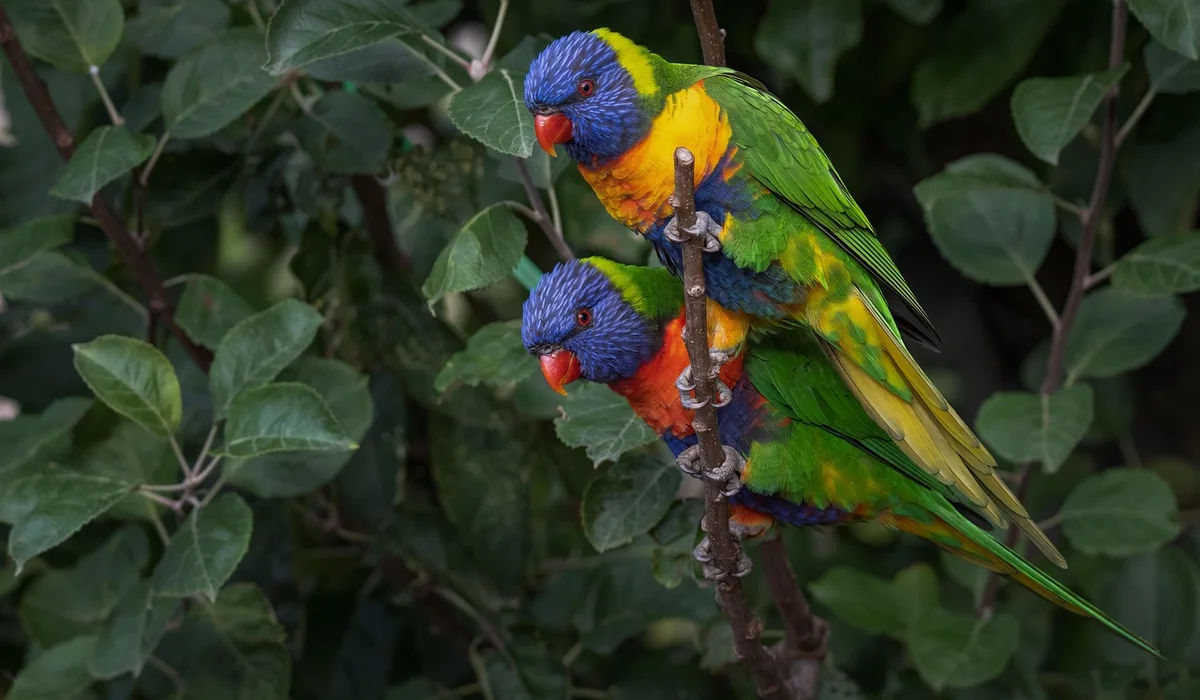
Molting frequency really depends on your parrot’s age, species, and even their environment. My younger conure, Kiwi, goes through a light molt almost twice a year, while my older African Grey, Sage, has one big, drawn-out molt annually. It’s a very individual process.
Typical Molting Timelines
- Young Parrots (Under 1 year): They experience several “baby” molts as they replace their juvenile feathers with adult plumage. This can seem almost constant.
- Adult Parrots (1+ years): Most healthy adults molt once or twice a year, often coinciding with seasonal changes like after the breeding season.
- Older Parrots: The cycle can slow down, and molts may become less intense but sometimes take longer to complete.
Factors That Influence Duration
A standard molt can last anywhere from a few weeks to a couple of months. From my experience, a parrot’s overall health is the single biggest factor determining how quickly they get through a molt. A stressed or poorly nourished bird will take much longer. In fact, a parrot’s diet can impact its lifespan and overall health, not just molt speed. A balanced, nutrient-rich diet supports immune function, vitality, and recovery, contributing to a longer, healthier life.
- Diet: A parrot eating a poor diet will struggle to grow strong, new feathers efficiently.
- Species: Larger parrots with bigger feathers, like macaws, often have longer molting periods than smaller parakeets.
- Daylight & Climate: Changes in natural light and humidity can trigger and affect the length of a molt.
The Molting Process: From First Feather Drop to Full Regrowth
Molting isn’t a chaotic feather explosion; it’s a meticulously organized biological event. Your parrot loses and regrows feathers in symmetrical patterns to maintain their ability to fly and stay warm.
The Step-by-Step Journey of a New Feather
- The Signal: Hormonal changes tell the body it’s time to shed an old feather.
- The Pin Feather Emerges: A new feather starts growing inside a protective sheath, called a pin feather. It looks like a small, waxy spike.
- The Blood Supply: This pin feather is filled with blood to fuel its rapid growth. It’s often called a “blood feather” at this stage and is very sensitive.
- The Sheath Dries: Once the feather is fully formed, the blood supply recedes, and the keratin sheath begins to dry out and flake off.
- Preening & Unveiling: Your parrot will preen to crack and remove the sheath, revealing the beautiful, new feather underneath.
It’s amazing to watch Sunny carefully preen the chalky casing off her new sun conure feathers, bit by bit, until that vibrant yellow shines through. This whole cycle happens for hundreds of feathers, but not all at once, which is why molting takes time.
Spotting Molting Signs: What to Watch For in Your Parrot
Knowing what to look for helps you provide the right support. The first sign in my flock is always an increase in tiny, downy feathers floating around their cage and play area.
Physical Signs of Molting
- Increased Feather Dust: You’ll notice more white, powdery down at the bottom of the cage.
- Pin Feathers: Look for those small, sharp-looking quills, especially around the head and neck. Sage gets a “buzzcut” of pins on his head that he can’t reach himself.
- Visible Skin Patches: You might see small, bare spots, but large bald areas are not normal and warrant a vet visit.
- Feathers at the Bottom of the Cage: Finding a mix of full-sized feathers and fluffy down is completely standard.
Behavioral Changes During a Molt
Your parrot might act a little differently because this process is physically demanding and sometimes uncomfortable. Kiwi, who is normally a bundle of energy, becomes noticeably more sedentary and cuddly when she’s molting hard.
- Increased Itchiness: They will preen and scratch more frequently.
- Irritability: A normally sweet bird might be grumpy or less tolerant of handling, as those pin feathers are sensitive.
- Decreased Activity: Growing feathers uses a massive amount of energy, so don’t be surprised if your parrot naps more.
- Appetite Changes: They may eat more to fuel feather production, especially seeking out protein-rich foods.
Molting Care Essentials: Supporting Your Parrot Through Feather Regrowth
Molting can be a tough time for your parrot, but with the right care, you make feather regrowth smoother. I’ve seen my Green-cheeked Conure, Kiwi, go through this cycle three times, and each time, a balanced diet made a huge difference in her energy and feather quality. Parrots need extra protein during molting to build strong new feathers.
Offer foods like cooked eggs, legumes, or high-quality pellets to boost their nutrition. Adding a daily misting or shallow bath helps soften old feathers and reduces itching, which I do for all my birds to keep them comfortable. When pin feathers are growing, keep handling minimal and offer gentle misting or light baths to support their development. Watch for irritation and let your bird self-preen when possible. Avoid handling your parrot too much, as new pin feathers are sensitive and can cause pain.
- Increase protein intake with foods like scrambled eggs or lentils.
- Provide regular baths or sprays to ease feather removal.
- Minimize stress by keeping their environment calm and predictable.
Watch for signs of fatigue or irritability, and adjust care as needed. From my experience, a little extra attention to diet and hydration prevents common issues like feather plucking or slow regrowth. Always ensure fresh water is available, as dehydration can worsen molting discomfort.
Species-Specific Molting: How Different Parrots Experience Feather Replacement
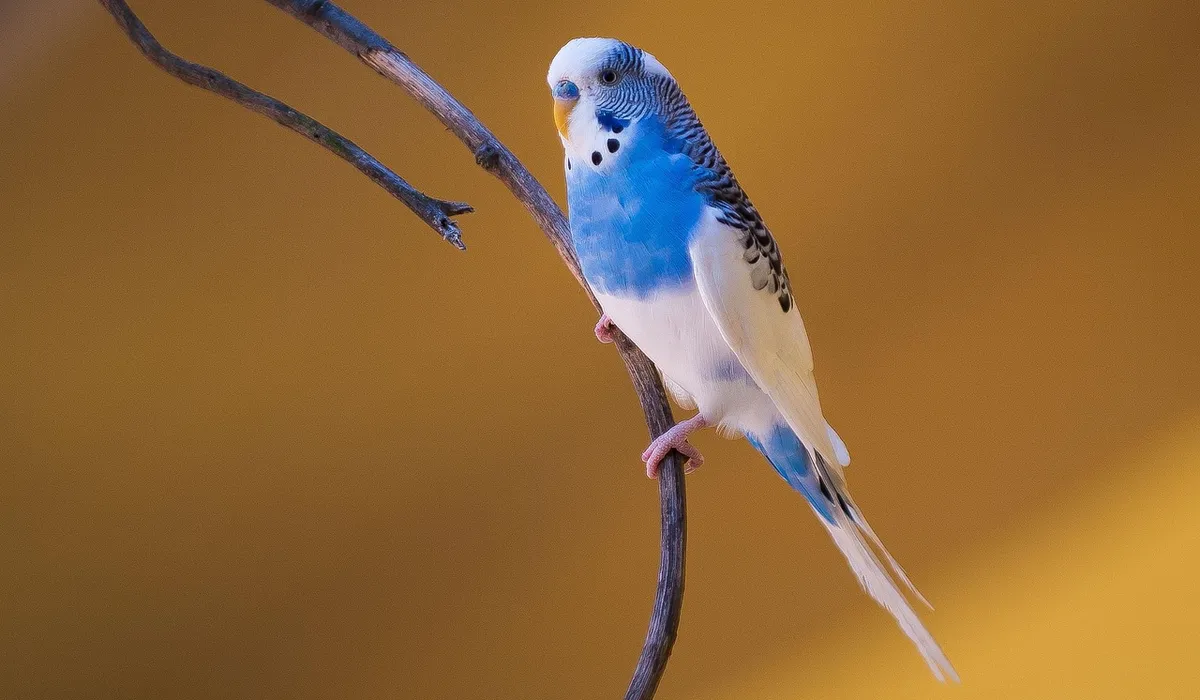
Not all parrots molt the same way; species traits play a big role in how they handle feather replacement. My Sun Conure, Sunny, tends to molt more often and show brighter colors afterward, while Sage, my African Grey, has a slower, steadier cycle that matches his calm personality. Smaller birds like conures might molt multiple times a year, whereas larger parrots like greys do it less frequently.
Green-cheeked Conures, like Kiwi, often molt in patches and can become extra playful as new feathers come in. I’ve noticed Kiwi’s red belly feathers grow back quickly, but she needs more protein snacks to stay vibrant. Sun Conures, such as Sunny, may molt heavily and become more vocal, seeking extra social interaction.
- Conures: Frequent molts, require high-energy foods and social support.
- African Greys: Slower molts, benefit from mental stimulation and stable routines.
- Larger parrots: Longer cycles, need consistent nutrition to avoid fatigue.
Tailor your care based on your parrot’s breed and behavior. Observing Sage’s molting taught me that patience and routine are key for intelligent birds who stress easily. Regular, short training sessions with positive reinforcement can help address behavioral issues and reinforce calm, predictable routines. Consistent cues during these sessions can build trust and reduce stress. Advocate for species-specific diets to support their unique needs and prevent health issues.
Behavior and Comfort: Helping Your Parrot Through the Molting Cycle
Your parrot’s behavior changes during molting, and understanding this helps you provide comfort. I’ve seen Kiwi get clingy and scratchy, while Sunny becomes quieter—both signs they need gentle handling and a stress-free space. A calm, slow approach can help a scared or stressed parrot feel safe. You can read more about this in our guide on how to calm a scared or stressed parrot. If you notice signs of fear or stress, adjust how you interact and give extra time for reassurance. Molting can make parrots irritable or lethargic, so adjust your interactions to match their mood.
Create a cozy environment with perches of different textures to soothe sore feet. Offering soft toys or hiding spots reduces anxiety, something I do for all my birds to mimic natural shelter. Avoid sudden noises or changes, as stress can slow feather growth and lead to behavioral problems.
- Monitor for increased scratching or feather preening-this is normal but watch for overdoing it.
- Provide extra sleep and quiet time to support their body’s recovery.
- Use gentle massages around non-sensitive areas to relieve tension.
Keep an eye on their overall health; if molting seems too prolonged or painful, consult a vet. Based on my years with parrots, small acts of kindness, like talking softly or offering favorite treats, go a long way in easing their discomfort. Understanding the molting cycle helps you distinguish normal shedding from red flags. If you spot unusual symptoms—persistent irritation, uneven feather loss, or lethargy—seek veterinary advice promptly. Always prioritize their welfare by avoiding harsh treatments and promoting a nurturing home.
FAQs
Which feathers are shed first during a parrot molt?
Parrots typically shed smaller down and contour feathers first to maintain insulation and flight capability. This gradual process ensures they don’t lose too many large feathers at once, reducing vulnerability. This is part of avian regeneration, as parrots regrow feathers and beaks after shedding. Beaks likewise renew through growth processes, and researchers study these dynamics to understand how parrots repair and maintain their tissues over time.
What is the difference between a pre molt and a post molt phase?
The pre-molt phase involves hormonal shifts that prepare the body for shedding old feathers, often causing increased preening. Post-molt is when new feathers have fully grown and hardened, restoring the parrot’s vibrant appearance and functionality.
Can molt injuries happen and how to prevent?
Yes, injuries like broken blood feathers can occur if sensitive new growth is mishandled or damaged. Prevent this by ensuring a safe cage setup and gentle interactions to avoid stress or accidents.
Can molt frequency be influenced by lighting?
Yes, artificial lighting can mimic seasonal changes and trigger off-schedule molting in parrots. Providing a natural light cycle helps maintain regular molting patterns and overall health. This is covered in the ultimate guide full spectrum lighting parrots, which explains how light quality and duration influence feather cycles and wellbeing. For practical tips on setup and schedules, consult that guide.
Does diet affect a parrot molt?
A nutrient-rich diet with ample protein supports efficient feather regrowth and reduces molting duration. Inadequate nutrition can lead to weak feathers and extended discomfort during the cycle.
Final Thoughts on Parrot Molting
From watching my Green-cheeked Conure Kiwi go through molts, I learned that providing a protein-packed diet and a calm space makes all the difference. Regularly check for new feather growth and avoid handling them too much to reduce stress.
Your parrot’s well-being depends on your dedication to learning and adapting your care routines. Always seek out reliable resources and consult a vet to keep your bird healthy and happy for years to come. Regular annual vet checkups are essential for parrots, forming a core part of any preventative care guide.
Further Reading & Sources
- The Ultimate Guide to Molting In Parrots
- How to Care for a Molting Parrot: 8 Steps (with Pictures)
- Molting Birds – Understanding molting season | Poodles and Parrots
Suzanne Levine is a dedicated parrot enthusiast and experienced avian caregiver with over 15 years of hands-on experience in parrot care. As the founder of Parrot Care Central, Suzanne is passionate about sharing her knowledge and insights to help fellow parrot owners provide the best possible care for their feathered friends. Her expertise spans nutrition, behavior, health, and enrichment, making her a trusted resource in the parrot care community.
Feather Care