
Parrot Housing and Cage Requirements by Size and Species
Picking the right cage for your parrot can feel overwhelming, but a poor choice might lead to boredom, stress, or even health problems for your bird.
I’ve cared for parrots like Kiwi, Sunny, and Sage, and I’ll guide you through the must-know details to create a safe, happy home. Focus on these three essentials:
- Selecting the ideal cage size based on your parrot’s species and personality.
- Ensuring bar spacing and materials prevent escapes and injuries.
- Setting up the cage with enriching accessories for mental and physical health.
You’ll get straightforward tips that work. Topics covered include: cage dimensions, bar width, construction materials, perches, toys, food dishes, location, and maintenance.
Why Picking the Right Parrot Cage Makes All the Difference
Your parrot’s cage isn’t just a box; it’s their sanctuary, playground, and dining room all rolled into one. Choosing the correct enclosure directly impacts your bird’s mental health, physical safety, and overall quality of life. I learned this the hard way when my Green-cheeked Conure, Kiwi, started plucking feathers out of sheer boredom in a cage that was far too small for his playful antics.
A proper cage reduces stress-driven behaviors like screaming or self-mutilation. It provides enough space for vital activities like flying between perches, foraging for food, and playing with destructible toys. Your bird spends a huge portion of its life inside this space, so getting it right is non-negotiable for their welfare.
Matching Cage Dimensions to Your Parrot’s Size and Type
Think of it like buying a house: a studio apartment won’t work for a family of five. Bar spacing is just as critical as overall dimensions, as gaps that are too wide can lead to escaped or injured birds. My Sun Conure, Sunny, once got her head stuck in bars meant for a larger bird-a terrifying lesson I don’t want you to learn the same way.
Small Parrot Housing: Budgies and Cockatiels
These little acrobats need room to flutter and hop. A cage for one or two birds should be a minimum of 18x18x24 inches, but bigger is always better. For Quaker parrots, the ideal cage size and setup are essential to support their active, curious nature.
- Bar spacing must be 1/2 inch or less to prevent escapes.
- Prioritize horizontal space for short flight bursts.
- Include multiple perches at different heights.
These active fliers thrive in wide cages that mimic their natural horizontal flight patterns across open spaces. I’ve seen budgies become completely different, more energetic birds simply by upgrading to a wider flight cage.
Medium Parrot Homes: Conures and Amazons
This group is powerful, playful, and needs a sturdy home base. Aim for a cage around 24x24x36 inches as an absolute starting point.
- Bar spacing should be between 5/8 inch and 3/4 inch.
- Look for heavy-duty construction; conures love to chew and test limits.
- Ensure the door latch is secure-these clever birds can figure out simple mechanisms.
My conure, Kiwi, uses every inch of his large cage for climbing, playing, and finding quiet corners to nap. A cramped cage would stifle his curious personality and lead to behavioral issues.
Large Parrot Enclosures: Macaws and Greys
These are the giants of the parrot world, requiring a serious investment in their housing. Think of a macaw cage more as an aviary; a good minimum size is 36x48x60 inches.
- Bar spacing of 3/4 inch to 1 inch is appropriate, but must be made of thick, welded steel.
- Check the gauge of the metal; 12-gauge or thicker can withstand a macaw’s powerful beak.
- Multiple food and water doors make daily maintenance much easier.
My African Grey, Sage, would be utterly miserable in a small cage, as her intelligence demands space for puzzle toys and exploration. Providing a large, enriching environment is not a luxury for these birds; it’s a necessity for their complex psychological well-being.
Essential Cage Features for Safety and Comfort

Your parrot’s cage is their castle, their sanctuary, and their playground all rolled into one. Getting the features right is the difference between a bird that thrives and one that merely survives. I learned this the hard way when my first cage for Kiwi, my Green-cheeked Conure, was all wrong-it felt more like a prison than a home.
Bar Spacing and Perch Setup
Bar spacing is your number one safety check. A gap that’s too wide is an invitation for a curious head to get stuck, leading to panic or serious injury.
- Small Birds (Budgies, Parrotlets): Aim for 1/2 inch to 5/8 inch spacing. Their tiny bodies can easily slip through anything wider.
- Medium Birds (Conures, Caiques): 5/8 inch to 3/4 inch is the sweet spot. This worked perfectly for Kiwi, giving her secure climbing space.
- Large Birds (African Greys, Amazons): A spacing of 3/4 inch to 1 inch provides the necessary strength and security for their powerful beaks.
- Extra-Large Birds (Macaws, Cockatoos): You’ll need a robust 1 inch to 1.5 inch spacing to withstand their incredible strength and chewing habits.
Perches are not just places to stand; they are vital for foot health. Offering a variety of diameters and textures prevents pressure sores, a condition known as bumblefoot. I use a mix of natural wood branches, a cement perch for nail filing, and a comfy rope perch for sleeping.
Material Choices: From Stainless Steel to Coatings
The cage material directly impacts your bird’s health and the cage’s lifespan. A poor choice can lead to toxic exposure or a destroyed home in months.
- Stainless Steel: This is the undisputed champion for durability and safety. It’s non-toxic, nearly indestructible, and easy to clean. While it’s a significant upfront investment, a stainless steel cage can last your bird’s entire lifetime, making it incredibly cost-effective in the long run. This is what I upgraded Sage, my African Grey, to for ultimate peace of mind.
- Powder-Coated Steel: This is the most common and practical choice for most parrot owners. The coating provides a protective, non-toxic barrier over the steel. Always inspect the coating regularly for any chips or rust, as exposed metal can be dangerous if your bird chews on it. My Sun Conure, Sunny, has a vibrant powder-coated cage that’s held up beautifully for years.
- Wrought Iron: Often confused with safe metals, avoid plain wrought iron as it can easily rust, posing a health risk.
- What to Avoid: Steer clear of cages made with zinc, lead, or brass. These metals are highly toxic to birds if ingested, which happens when they chew on the bars. I made this mistake early on with a cheap, “pretty” cage and had to replace it immediately after learning about the dangers.
Setting Up a Stimulating Parrot Environment
Your parrot’s cage is its home, but the world outside those bars matters just as much. I’ve found that a mentally stimulated parrot is a happy, well-behaved parrot, and it all starts with a thoughtfully crafted living space. Let’s get your feathered friend’s environment set up for success.
Toys and Enrichment Ideas by Species
Not all parrot toys are created equal. What excites one bird might terrify another. Choosing the right enrichment is less about the toy itself and more about matching it to your parrot’s natural instincts and beak strength. From my flock, I’ve learned their preferences are as unique as their feathers.
- For Intelligent Problem-Solvers (African Greys, Cockatoos): My African Grey, Sage, thrives on a challenge. Provide complex foraging toys where they must unscrew lids, slide doors, or solve puzzles to get a treat. Rotate these puzzles weekly to prevent boredom from setting in.
- For Chew-Happy Parrots (Macaws, Amazons): These powerful beaks need an outlet! Offer untreated wood blocks, pine cones, and cardboard boxes they can safely destroy. Destruction is a healthy and necessary behavior for these species.
- For Acrobatic and Playful Birds (Conures, Caiques): My Green-cheek, Kiwi, lives for foot toys and swings. Bells, ladders, and leather strips they can toss around keep them engaged. Incorporate bright colors and different textures to captivate their curious nature.
- For Smaller, More Delicate Birds (Budgies, Cockatiels, Lovebirds): Opt for softer materials like sola wood, paper, and thin balsa. Crinkle paper and small, lightweight bells are often huge hits without being intimidating.
Climate Control and Ventilation Tips
Parrots are incredibly sensitive to their environment. A drafty room or stagnant air can lead to serious health issues. Creating a stable, comfortable climate is one of the most fundamental aspects of responsible parrot care. It’s something I monitor daily for my birds’ well-being. Humidity levels directly affect respiratory and feather health. Maintaining stable humidity helps parrots breathe easier and keeps their plumage vibrant.
Maintain a consistent room temperature between 65°F and 80°F (18°C – 27°C). For most pet parrots, this is considered the ideal temperature range to keep them comfortable and healthy. Sudden temperature swings are a major stressor, so avoid placing the cage near frequently opened doors or direct air vents. My conures let me know immediately if they feel a chill!
- Avoid Direct Drafts: Never place the cage directly in front of an air conditioner, heater, or an open window. A gentle cross-ventilation in the room is good; a direct blast of air is dangerous.
- Monitor Humidity Levels: Dry air leads to dry, itchy skin and respiratory irritation. I use a simple room humidifier during winter months to keep the humidity around 40-60%, which my Sun Conure, Sunny, absolutely loves.
- Ensure Excellent Air Quality: Parrots have extremely efficient respiratory systems. Keep them away from kitchen fumes, aerosol sprays, scented candles, and non-stick cookware, as the fumes can be toxic.
- Provide Fresh Air Safely: On nice days, I open a window in an adjacent room to allow fresh air to circulate without creating a draft on the cages. This simple act makes the whole environment feel fresher and more natural for them.
Species-Specific Cage Recommendations and Tips
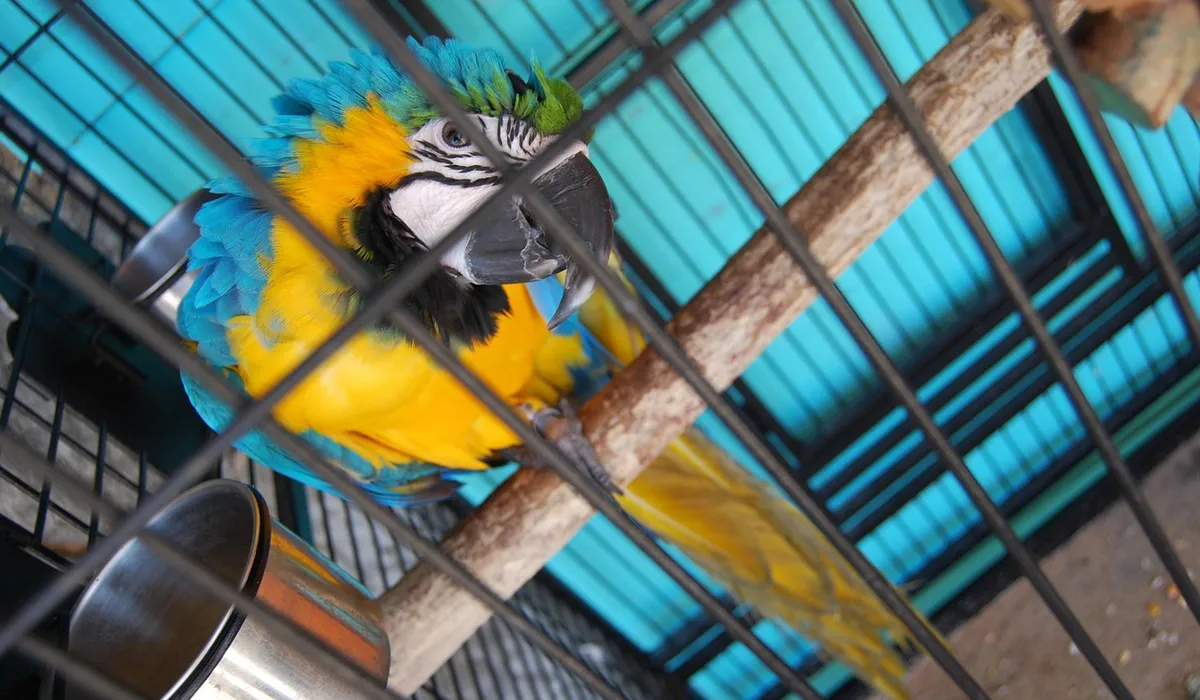
Every parrot species has unique needs, and their housing should reflect that. Tailoring the cage to your bird’s natural behaviors prevents boredom and promotes a happy, healthy life, especially when you set it up for maximum enrichment.
Conure Cage Must-Haves
Conures, like my playful Kiwi and social Sunny, thrive in environments that match their energetic personalities. A cage for conures should be at least 24 inches wide by 24 inches deep by 30 inches high to allow for ample flying and climbing.
Bar spacing is critical-aim for 1/2 to 5/8 inch gaps to keep curious beaks from getting stuck. I learned this the hard way when Kiwi tried to squeeze through a wider gap during one of her exploratory phases.
- Include multiple perches of varying textures and diameters to support foot health and prevent sores.
- Add foraging toys and puzzles to stimulate their intelligent minds and reduce feather-plucking.
- Place the cage in a family area but away from drafts and direct sunlight to keep them engaged without stress.
From my experience, conures love to chew, so provide safe wood toys they can destroy. Rotating toys weekly keeps things fresh and prevents behavioral issues.
Macaw and Large Parrot Housing Solutions
Large parrots, such as Macaws, demand robust housing to handle their size and powerful beaks. For species like these, a cage should be no smaller than 36 inches wide by 48 inches deep by 60 inches high to accommodate their wingspan and active nature. To create a safe, stimulating indoor flight environment for your parrot, provide supervised flight time in a clear area and add enrichment like sturdy perches and puzzle toys. Also keep the space hazard-free with secure doors and windows.
Bar spacing must be 1 inch or more to prevent injury, and the bars themselves should be made of heavy-gauge steel. I’ve seen how Sage, my African Grey, tests every corner for weaknesses, so durability is non-negotiable.
- Incorporate large, sturdy perches and platforms to support their weight and encourage natural perching postures.
- Offer destructible toys made from hardwoods or acrylic to satisfy their need to chew and prevent cage bar damage.
- Ensure the cage has multiple doors and easy access for cleaning and interaction, reducing stress during maintenance.
Large parrots are highly social and intelligent, so their housing should include space for play gyms outside the cage. Providing a variety of enrichment activities mimics their wild habitats and supports long-term welfare.
Maintaining Your Parrot’s Home for Long-Term Health
Keeping your parrot’s cage clean isn’t just about making it look nice; it’s a direct line to their physical health and mental happiness. A dirty cage is a breeding ground for bacteria and fungus that can make your feathered friend seriously ill. I learned this the hard way with my Green-cheeked Conure, Kiwi, who developed a minor respiratory issue from accumulated dander and food dust. Since then, my cleaning routine has become non-negotiable. For a safe, complete guide on cleaning your parrot’s environment, follow a step-by-step approach. This helps keep your bird healthy and your home free of dust.
Your Daily and Weekly Cleaning Battle Plan
Think of cage maintenance like doing the dishes-letting it pile up creates a much bigger, nastier job. A consistent routine is your best friend.
- Every Single Day: Scoop out soiled bedding and discarded food. Wipe down perches and any obvious messes with a bird-safe cleaner or a vinegar-water solution. Swap out food and water dishes for clean ones.
- Once a Week (The Deep Clean): This is when everything comes out. I move my birds to a secure playstand, just like I do with my Sun Conure, Sunny, who gets incredibly curious about the process.
Here is my weekly deep-cleaning checklist:
- Remove all toys, perches, and dishes.
- Take the entire cage outside or to a well-ventilated area for a thorough scrub.
- Use a scrub brush and hot, soapy water (a drop of Dawn dish soap works wonders) to scrub every bar, corner, and tray.
- Rinse everything meticulously to ensure no soap residue remains.
- Let the cage air dry completely in the sun, which acts as a natural disinfectant, before putting everything back.
Material Safety and Cage Hazards to Avoid
What you put inside the cage matters just as much as the cleaning itself. Parrots explore with their beaks, and toxic materials can lead to heavy metal poisoning or digestive blockages. Environmental toxins around the home can be just as dangerous. Household dangers—from fumes from cleaners to old lead paints—can make parrots sick.
I am a fierce advocate for animal welfare, and that starts with scrutinizing every single item that goes into my parrots’ environment. My African Grey, Sage, is a master at dismantling things, so I’ve become an expert in spotting potential dangers.
- Avoid galvanized or zinc-coated metals, lead paints, and any woods treated with pesticides or chemicals.
- Steer clear of cheap, brittle plastic toys that can splinter into sharp pieces.
- Inspect all toys and perches regularly for frayed ropes, loose parts, or signs of wear that could entangle a toe or beak.
The Critical Link Between a Clean Cage and Mental Wellbeing
A clean cage does more than prevent disease; it prevents boredom and stress. A cluttered, dirty environment is mentally draining for an intelligent creature.
Rotating toys and rearranging perches during your weekly clean simulates a dynamic environment, which is vital for their cognitive health. I see a noticeable difference in Kiwi’s playfulness after I refresh his setup. He approaches his “new” home with curiosity and excitement, chirping and exploring all over again.
Simple changes make a big impact. Try moving a foraging toy to a different spot or swapping out a wood perch for a rope one. This mental stimulation is as crucial as a balanced diet for a long, happy parrot life. In the ultimate guide foraging, you’ll find practical ideas to enrich your parrot’s diet through engaging feeding activities. These strategies blend nutrition and mental challenge for a healthier, happier bird.
Common Questions
Where is the best place in my home to put my parrot’s cage?
The ideal location is in a quiet corner of a frequently used family room, against a wall for security. Avoid placing it in direct sunlight, in drafty areas, or in the kitchen where cooking fumes can be hazardous.
How often should I replace my parrot’s toys and perches?
Rotate toys weekly to prevent boredom and inspect them daily for damage, replacing any that are broken or frayed. Natural wood perches should be replaced once they become heavily soiled or chewed beyond stability.
What is the most important daily maintenance task for my parrot’s cage?
The most critical daily task is removing soiled bedding and leftover fresh foods to prevent bacterial growth. You should also wash and refill food and water dishes with fresh supplies every single day.
In Closing
Choose a cage that fits your parrot’s species and size, ensuring enough room for flight and play to keep them happy and healthy. I learned this firsthand when Kiwi’s larger cage boosted her curiosity and reduced her stress. You can also make safe, fun homemade toys to enrich daily play. Focus on safe bar spacing, multiple perches, and engaging toys to mimic their natural behaviors.
Responsible parrot ownership means committing to their well-being and always seeking new knowledge about their care. My journey with Sunny and Sage taught me that continuous learning deepens our bond and enriches their lives. Advocate for animal welfare by staying informed and adapting to their evolving needs.
Further Reading & Sources
Suzanne Levine is a dedicated parrot enthusiast and experienced avian caregiver with over 15 years of hands-on experience in parrot care. As the founder of Parrot Care Central, Suzanne is passionate about sharing her knowledge and insights to help fellow parrot owners provide the best possible care for their feathered friends. Her expertise spans nutrition, behavior, health, and enrichment, making her a trusted resource in the parrot care community.
Cages