
Can Parrots Eat Cherries? A Simple Guide to Pit and Stem Safety
You’re eyeing those bright red cherries and wondering if it’s okay to share a bite with your parrot, but worries about pits and stems are holding you back-let’s clear that up right away.
As a parrot owner with years of experience caring for birds like Kiwi and Sunny, I’ve navigated these questions myself and will give you the lowdown on keeping your feathered friend safe and happy.
We’ll focus on three big takeaways to ease your mind:
- Cherries can be a tasty treat for parrots if you handle the pits and stems properly.
- Removing pits is non-negotiable to avoid choking risks and potential toxins.
- Stems pose their own dangers and should always be discarded before feeding.
Rest assured, you’ll walk away with practical steps that prioritize your parrot’s well-being. This article covers: cherry safety basics, step-by-step pit removal, stem hazards, and smart feeding practices. We’ll also highlight common parrot feeding mistakes to avoid them. By recognizing these missteps, you can prevent health issues and ensure better nutrition for your feathery friend.
Are Cherries Safe and Nutritious for Parrots?
Cherry flesh offers a sweet burst of vitamins and antioxidants that can support your parrot’s overall health. These nutrients help boost immunity and reduce inflammation, making cherries a tasty, health-packed snack when given in small amounts. Proper nutrition is crucial for maintaining a parrot’s health and longevity.
I’ve shared fresh cherries with my Sun Conure, Sunny, who adores the juicy treat. He gets a tiny piece once in a while, and his playful chirps remind me that moderation keeps treats special and safe.
- Vitamin C for immune support
- Vitamin A for sharp vision
- Potassium for muscle function
- Antioxidants like anthocyanins to fight cell damage
Why Cherry Pits and Stems Pose Serious Risks
Cherry pits and stems contain amygdalin, a compound that releases cyanide when ingested. This toxin can cause serious health issues, from breathing problems to organ failure, so always remove these parts before feeding.
I once saw a friend’s parrot choke on a small pit, leading to a scary vet visit. Pits and stems not only pose toxicity risks but can block digestion or get stuck in the throat, requiring emergency care. If you suspect your parrot has eaten something toxic, contact an avian veterinarian or pet poison control immediately. Do not wait for symptoms to appear, as some toxins act quickly and early intervention can prevent serious harm.
| Cherry Part | Safety | Risks |
|---|---|---|
| Flesh | Safe | None if fresh and washed |
| Pits | Unsafe | Toxic, choking, digestive blockage |
| Stems | Unsafe | Toxic, choking hazard |
Step-by-Step Guide to Preparing Cherries Safely
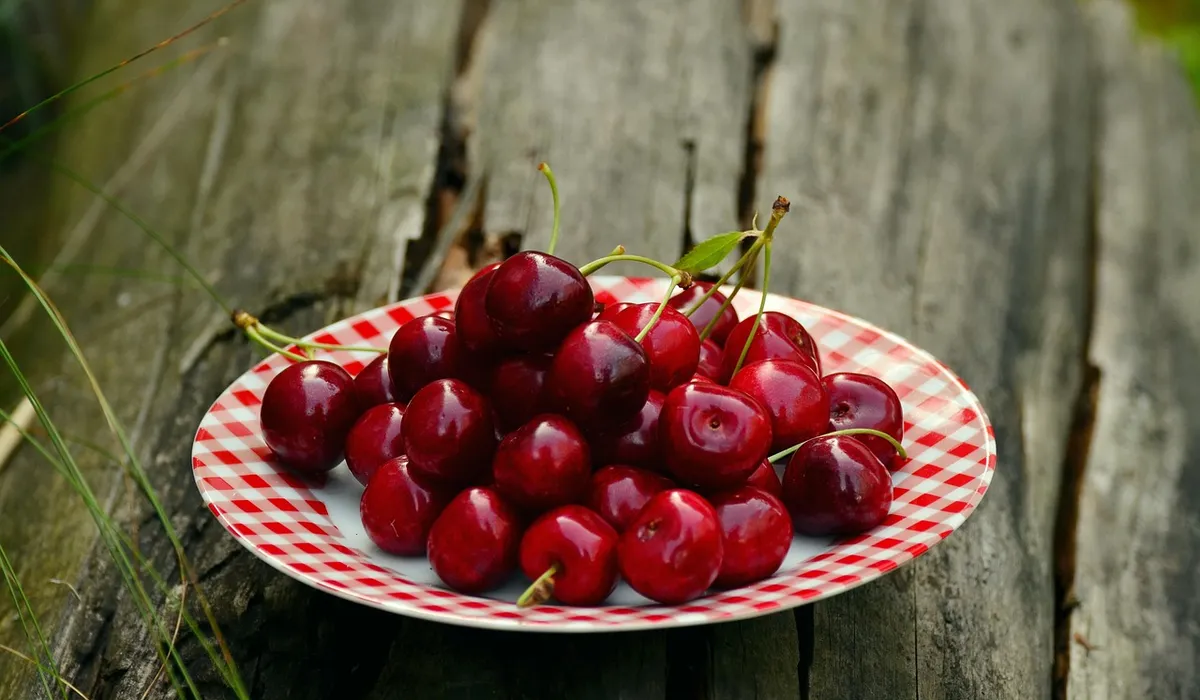
Always start by giving your cherries a good scrub under cool running water, even if they look clean. Pesticides cling to that smooth skin, and your parrot’s small body is extra sensitive to those chemicals. If you need to clean near food, opt for bird-safe cleaners and rinse thoroughly before handling fruit. Make sure surfaces are dry before your parrot returns to the area.
- Gently rub each cherry with your fingers or a soft vegetable brush for about 30 seconds.
- For the safest option, choose organic cherries to significantly reduce your bird’s exposure to harmful residues.
- Pat them dry with a clean paper towel afterward.
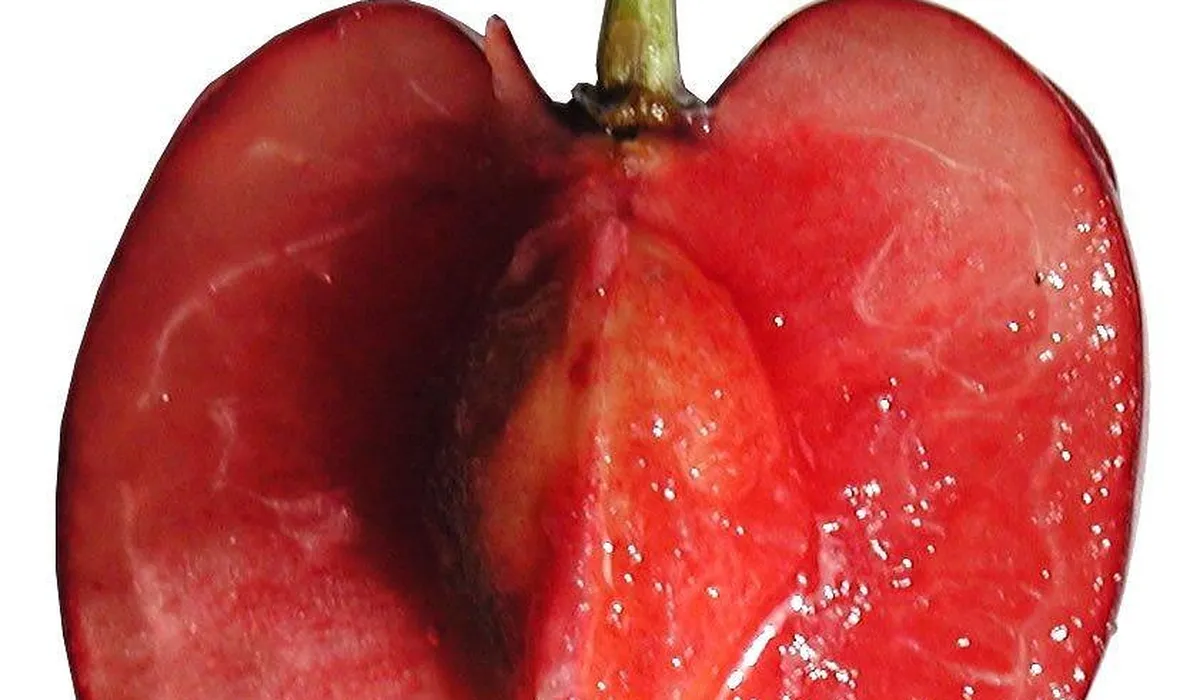
The most critical step is removing every single pit and stem, as they contain cyanide compounds. I use a simple paring knife to slice the cherry in half from top to bottom, right along the natural seam.
- Wash your hands and the knife thoroughly.
- Hold the cherry steady on a cutting board and slice it cleanly in half.
- Use the tip of your knife to pop the pit out of each half. Double-check that no small pit fragments remain.
- Pull off the stem completely and discard it with the pits.
Cutting the pitted cherry flesh into small, bite-sized pieces prevents choking and makes it easier for your bird to enjoy. My Green-cheeked Conure, Kiwi, does best with pieces no larger than a pea.
- Chop the cherry halves into smaller chunks suitable for your parrot’s beak size.
- Serve the pieces in a shallow dish to keep things tidy.
- Remove any uneaten fruit from the cage within a few hours to prevent spoilage.
Feeding Cherries to Different Parrot Species
Can African Grey, Amazon, and Eclectus Parrots Eat Cherries?
Larger, intelligent parrots like African Greys and Amazons can enjoy cherries, but their sensitive digestive systems demand caution. My African Grey, Sage, loves the occasional cherry piece, but I watch him closely for any changes in his droppings. As one of the most intelligent parrot species, African Greys are intelligent and are renowned for their problem-solving abilities and social complexity. Their sharp minds also mean they benefit from plenty of mental enrichment and interaction.
- African Greys: Their systems are prone to calcium issues, so the high sugar in cherries means a tiny piece once a week is plenty.
- Amazon Parrots: These birds can be prone to obesity, so a single, pitted cherry half per month is a safe, special treat.
- Eclectus Parrots: With their unique digestive tracts, offer a mere sliver of cherry no more than twice a month to avoid upset.
Portion control is everything and must be tailored directly to your parrot’s size and overall diet. General parrot dietary guidelines emphasize variety and moderation. Following them helps ensure balanced nutrition. A cherry is a sugary fruit, not a dietary staple.
Moderation and Portion Sizes for All Parrots
Think of cherries as the candy of the parrot world-a delicious, occasional indulgence, not a daily food. For a small conure like Kiwi, one or two small pieces every couple of weeks is perfect.
- Small Parrots (Budgies, Lovebirds): A piece the size of a single pea, once a month.
- Medium Parrots (Conures, Caiques): One or two small pieces, every two weeks.
- Large Parrots (Macaws, Cockatoos): One full pitted cherry half, once a week at most.
Balancing cherries with other low-sugar fruits like berries and melon helps prevent digestive upset and weight gain. I always follow up a cherry treat with some chopped bell pepper or leafy greens to keep the diet varied and healthy.
Emergency Response if Your Parrot Eats a Cherry Pit
Acting quickly is your best defense if your feathered friend snags a cherry pit. I learned this the hard way when my Green-cheeked Conure, Kiwi, once dive-bombed a fruit salad I was preparing and went straight for a cherry stone before I could stop him.
Signs of Cyanide Poisoning or Choking
- Labored breathing or gasping for air
- Bright red gums or mucous membranes
- Sudden weakness or inability to perch
- Dilated pupils or apparent dizziness
- Excessive drooling or regurgitation
Immediate Action Steps
- Stay calm and carefully secure your parrot in a small, quiet carrier.
- Remove any remaining cherry or pit fragments from their immediate area.
- Call your avian veterinarian or an emergency pet clinic immediately for instructions.
- Do not attempt to induce vomiting or give any home remedies unless directed by a professional.
Time is critical with potential cyanide exposure, so contacting a vet should be your very first move. My heart was pounding when Kiwi got hold of that pit, and I didn’t hesitate to call our vet, who advised us to bring him in right away for observation.
Safe Fruit Alternatives to Cherries for Parrots
While cherries require careful preparation, numerous other fruits offer worry-free nutrition for your parrot. My flock goes absolutely wild for a colorful fruit medley, and rotating their options keeps mealtime exciting and nutritionally balanced. This approach aligns with the ultimate guide foraging to enrich your parrot’s diet by encouraging exploration and problem-solving during meals. Foraging enrichment is a cornerstone of a balanced, engaging diet for parrots.
Excellent Cherry Alternatives
- Blueberries: Bursting with antioxidants and easy to serve whole or halved.
- Pears: A fantastic source of fiber; just remove the core and seeds.
- Dragon Fruit: Its mild flavor and soft texture are a huge hit with my conures.
- Melons: Hydrating and low in sugar; my African Grey, Sage, loves cantaloupe.
- Papaya: Packed with digestive enzymes and vitamins.
Rotating different fruits prevents dietary boredom and ensures a broader spectrum of vitamins and minerals. I serve a “fruit of the day” to my parrots, which makes their diet varied and turns snack time into a fun discovery.
Creating a Balanced Fruit Rotation
I maintain a weekly fruit schedule for my birds, mixing familiar favorites with new options. This practice not only supports their physical health but also provides essential mental stimulation as they explore new textures and tastes. Watching Kiwi tentatively tap a piece of dragon fruit before diving in is one of my favorite things.
Common Questions
Can I feed my parrot cooked or canned cherries?
Cooked or canned cherries are not recommended for parrots. They often contain added sugars, syrups, or preservatives that are unhealthy for your bird. For a complete list of toxic foods to avoid in a parrot’s diet, consult a trusted avian veterinarian or reputable care guide.
Is the skin of the cherry safe for my parrot to eat?
Yes, the cherry skin is safe as long as the fruit has been washed thoroughly to remove any pesticides. The skin contains beneficial nutrients and is perfectly fine for your parrot to consume. Similar precautions apply to tomatoes. Our complete safety guide on parrots eating tomatoes covers safe prep, serving sizes, and common pitfalls to avoid.
What should I do if a cherry pit is cracked or broken?
A cracked or broken pit is especially dangerous and should be discarded immediately. The inner material has a higher concentration of toxins and poses a severe health risk if ingested.
The Final Scoop on Cherries
Your parrot can absolutely enjoy cherries, but you must always remove the pits and stems first. These parts contain cyanide, which is toxic to birds, so meticulous preparation is non-negotiable for a safe and delicious treat.
Being a fantastic parrot parent means committing to lifelong learning about their unique dietary needs. My own flock—Kiwi, Sunny, and Sage—thrives because I never stop researching; keep exploring resources like `{website_name}` to ensure your feathered friend lives their happiest, healthiest life. Health considerations matter whether you adopt or buy; adopted parrots are healthier as they often come with veterinary records and a clear medical history. When properly cared for, they can be as healthy as, or healthier than, some bred parrots lacking that history.
Further Reading & Sources
- Are Cherries Safe For Parrots? What About Cherry Juice?
- Can Parrots Eat Cherries? Vet-Reviewed Info to Know | PangoVet
- Expert Answers on Parrot and Cherry Pit Safety | JustAnswer
Suzanne Levine is a dedicated parrot enthusiast and experienced avian caregiver with over 15 years of hands-on experience in parrot care. As the founder of Parrot Care Central, Suzanne is passionate about sharing her knowledge and insights to help fellow parrot owners provide the best possible care for their feathered friends. Her expertise spans nutrition, behavior, health, and enrichment, making her a trusted resource in the parrot care community.
Toxic Plants