Are Pink and Purple Parrots Real? The Colorful Facts Explained
Have you ever seen a pink or purple parrot and wondered if it’s real or just a fantasy? Many people worry they’re being tricked by edited images or unethical practices.
With years of hands-on experience caring for parrots like Kiwi and Sunny, I’ll help you separate fact from fiction by sharing key insights.
- Natural occurrences of pink and purple feathers in specific parrot species.
- Genetic mutations that create these rare colors through responsible breeding.
- Essential care guidelines to support the health and happiness of vibrant parrots.
You’ll leave with clear, actionable knowledge. We’ll explore: species with pink or purple hues, causes of color variations, ethical breeding concerns, and proper care advice.
Pink Parrots in the Wild: Separating Fact from Fiction
Let’s be clear: truly pink parrots do exist, and I’ve been lucky enough to see their stunning feathers with my own eyes. These aren’t birds that have been dyed or altered; they are naturally spectacular. The most famous example is the Galah, a cockatoo common across Australia with a beautiful rose-pink chest and face.
Another incredible bird is the Major Mitchell’s Cockatoo. Its soft pink and white plumage, capped with a dramatic red and yellow crest, is a sight I’ll never forget. Seeing one in flight is like watching cotton candy take wing against the blue sky. These are real, wild parrots that prove pink is a natural and breathtaking color in the avian world.
Why You Won’t Find a Bubblegum Pink Parrot
While pink parrots are real, the shade is often more subtle than people imagine. Nature tends to favor soft rose, salmon, or peach tones that provide camouflage, not the neon pink of a child’s toy. This coloring comes from their diet, specifically pigments called carotenoids found in their food, which are perceived by parrots’ unique vision system. Unlike some other birds, parrots can see a wide spectrum of colors, as explored in this article about parrot color vision.
- Galah: Soft rose-pink chest and face with grey wings.
- Major Mitchell’s Cockatoo: A delicate blend of pale pink and white.
- Bourke’s Parakeet: Exhibits a lovely dusty pink hue on its underside.
From my experience caring for parrots, a bird’s true, vibrant color is a direct reflection of its health and nutrition. A dull or fading pink can be the first sign that a parrot’s diet needs immediate attention. Recognizing this dull color as a signs of potential nutritional deficiencies helps you act quickly. With a balanced, varied diet and targeted supplements where needed, you can address the underlying issues and restore bright color.
Purple Parrots: Rare Gems or Common Myths?
This is where the story gets really interesting. In all my years of birdwatching and parrot care, I have never seen a truly, naturally purple parrot in the wild. The idea of a solid purple parrot is, sadly, a beautiful myth perpetuated by photo editing and wishful thinking. No known parrot species sports a coat of pure purple feathers.
However, you can find parrots with incredible violet and indigo accents. These purple tones are usually highlights, not the main event, appearing as a stunning sheen on otherwise darker feathers. The way light hits these feathers can create a magical, shifting purple effect that is absolutely real.
Parrots with Purple Hues
If you’re looking for a touch of royal color, these species come the closest. Their purple is often iridescent, meaning it changes with the light.
- Violet Indian Ringneck: A color mutation in captivity that produces a gorgeous lavender-grey bird.
- Hyacinth Macaw: While famously blue, its feathers can have deep violet undertones in certain light.
- Some Eclectus Parrots: The magnificent males can display a remarkable iridescent green that flashes with blue and violet.
It’s crucial to remember that parrots bred specifically for rare color mutations, like the violet ringneck, often come with a higher price tag and potentially more health concerns. Choosing a pet should always be about the connection you feel with the bird, not the uniqueness of its color. A standard green cheek conure like my Kiwi has just as much personality and love to give. So, when you pick a parrot, consider how its needs fit your home lifestyle—space, noise, and daily time you can commit. This mindful approach helps you choose the right pet parrot for your home lifestyle.
The Science Behind Parrot Colors: Pigments and Mutations
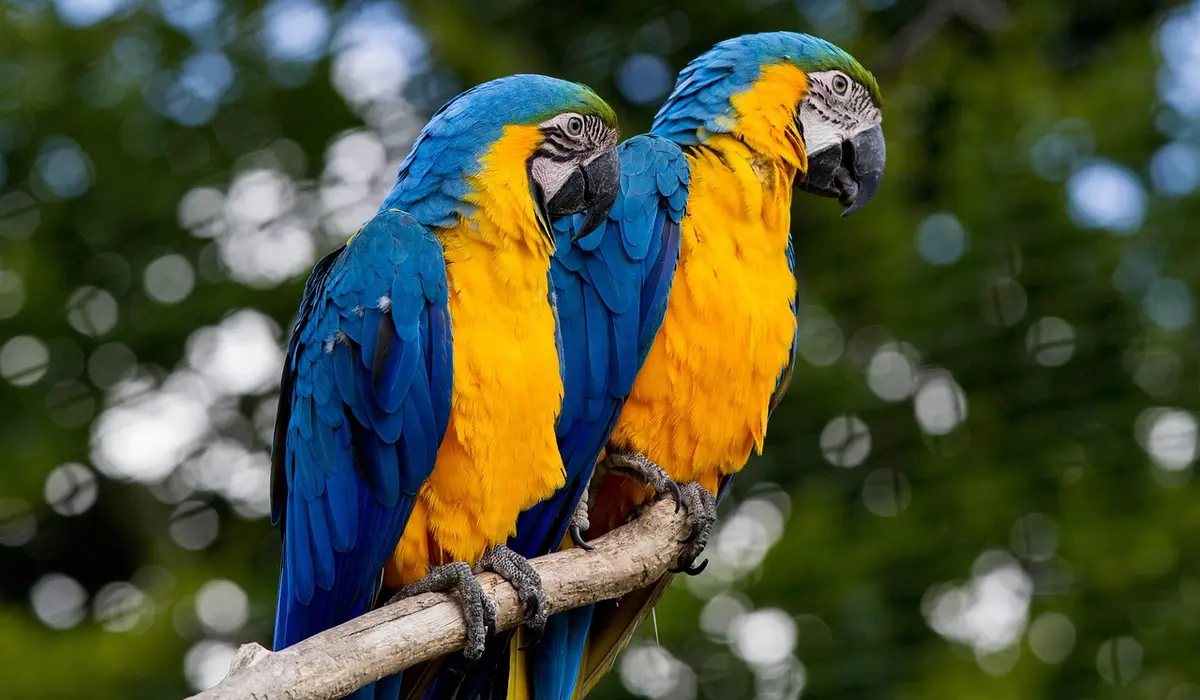
Parrot feathers get their stunning hues from two main sources: pigments and light tricks. Pigments like carotenoids create reds, oranges, and yellows, while melanins handle blacks, browns, and greys. My Green-cheeked Conure Kiwi flaunts a red belly thanks to carotenoids from his veggie-packed diet-I make sure he eats plenty of carrots and sweet potatoes to keep that color bright.
Structural colors come from how light bounces off feather surfaces, producing blues and iridescent shades without any pigment at all. This is why Sunny the Sun Conure’s wings shimmer with blue highlights even though no blue pigment exists in parrot feathers naturally. It’s like how a soap bubble reflects rainbows-pure physics at play!
Common Color Mutations in Parrots
Genetic mutations can twist these natural rules, leading to rare colors. Lutino mutations strip away dark pigments, leaving parrots like some budgies a sunny yellow with red eyes. I’ve met a lutino cockatiel at a rescue, and its pale feathers stood out starkly against my grey African Grey Sage. This ties into the topic of color identification: are green, white, and red parrots simply color labels, or do those hues reflect distinct genetic traits? In other words, what we call a parrot’s color often hints at its genetics, not just its appearance.
- Blue mutations: Reduce yellow pigments, making greens appear blue.
- Pied patterns: Patchy colors from irregular pigment distribution.
- Cinnamon shades: Warm brown tones from altered melanin.
Breeders sometimes select for these traits, but mutations can weaken a bird’s health if not managed carefully. Always choose parrots from ethical sources that prioritize vitality over vanity. Sage’s steady grey plumage might seem plain, but it signals robust genetics I trust.
Dyed Parrots: Health Risks and Ethical Concerns
Artificially dyed parrots are not natural-they’re birds subjected to harmful coloring processes. Dyes often contain toxic chemicals that parrots ingest while preening, leading to poisoning or organ damage. I once fostered a conure with dyed feathers; he was lethargic and itchy until the dye grew out, a heartbreaking sight.
Immediate Health Dangers
- Skin irritation and infections from harsh dyes.
- Respiratory issues from inhaling dye fumes during application.
- Stress-induced behaviors like feather plucking or loss of appetite.
Long-term, dyed parrots face higher risks of cancer and weakened immune systems. Their bodies aren’t meant to handle these substances, and the stress alone can shorten their lifespans dramatically. Other common health issues that affect parrots lifespans include respiratory infections and liver disease. Regular veterinary checkups and a nutritious, toxin-free diet help manage these risks.
Why Dyed Parrots Are Unethical
Dyeing parrots treats them as novelties, not living beings. It misleads buyers into thinking unnatural colors are real, fueling demand for cruel practices. Parrots are naturally colorful because pigments and structural colors arise from genetic mutations. Understanding these color mutations helps explain why dyed parrots are not a true reflection of their beauty. I advocate against this because parrots like Kiwi and Sunny deserve to flaunt their true colors, not a painful disguise.
- It causes unnecessary suffering and fear.
- It supports an industry that prioritizes profit over welfare.
- It diverts attention from adopting birds in need of homes.
If you spot a brightly colored parrot in an unnatural shade, question its origin and report suspected abuse. Choosing naturally vibrant birds, like my social Sunny, ensures you’re supporting ethical care and love for these intelligent creatures.
Identifying Real Pink and Purple Parrots in Media and Pets
You might spot stunning pink or purple parrots in viral videos or photos, but not all are real. In my experience with parrots like Kiwi and Sunny, I’ve learned that many colorful images are digitally altered to grab attention. Look for natural feather transitions and consistent lighting in media to spot fakes.
When considering a pet, ask breeders for proof of natural coloration. I always check for certification from reputable sources to avoid supporting unethical practices that harm birds. Parrots like Sage show true colors without dyes, so trust your eyes and do research.
- Examine feather patterns for smooth blends, not sharp color changes.
- Verify the source-real parrots come from ethical breeders, not photo edits.
- Consult avian experts or vets to confirm species authenticity.
Caring for Naturally Colorful Parrots: Diet and Environment Tips
Keeping a parrot’s colors bright starts with a balanced diet rich in nutrients. From feeding Sunny a mix of fresh fruits and veggies, I’ve seen how proper nutrition enhances her yellow and orange hues naturally. Include foods high in carotenoids, like carrots and sweet potatoes, to support vibrant feathers.
Create a stress-free environment with ample natural light and safe perches. I’ve found that reducing noise and providing toys for mental stimulation, as with Kiwi, helps prevent feather plucking and color fading. Avoid harsh chemicals in cages to protect their delicate plumage.
- Offer a varied diet: pellets, fresh produce, and occasional nuts for health.
- Ensure daily exposure to indirect sunlight for vitamin D synthesis.
- Maintain clean, spacious enclosures to minimize stress and promote well-being.
Common Pink and Purple Parrot Species for Pet Owners
Several parrot species boast natural pink or purple tones, making them wonderful pets. Owning birds like Sage has taught me that these colors often come from specific genetics, not artificial means. For those curious about how to tell different parrots apart, a parrot species identification guide can help you see which species share colors and which markings set them apart. Do different parrots look alike? A good guide highlights key differences in size, beak shape, and plumage. Always prioritize adoption from shelters to support animal welfare.
- Galah Cockatoo: Features soft pink feathers and a gentle personality.
- Violet-necked Lory: Displays deep purple and blue shades, ideal for experienced owners.
- Rose-ringed Parakeet: Some mutations show pinkish hues, requiring attentive care.
Pink and Purple Parrots with Unique Features: Mohawks and More
Some colorful parrots have standout traits like crests or “mohawks” that add to their charm. I’ve admired cockatoos with raised crests in aviaries, reminding me how unique features signal good health in parrots. These birds need extra grooming to keep their feathers in top shape.
- Major Mitchell’s Cockatoo: Pink body with a striking white and red crest.
- Palm Cockatoo: Dark feathers with subtle purple hints and a large, expressive crest.
- Gang-gang Cockatoo: Males have a red head and mohawk-like feathers, though not pink, they inspire awe.
FAQs
What makes pink and purple parrots unique in terms of care?
Pink and purple parrots often need specialized diets rich in carotenoids to preserve their vibrant hues. They also thrive in low-stress environments with plenty of mental enrichment to prevent feather fading.
How can I identify a healthy pink or purple parrot with a mohawk crest?
Look for bright, well-groomed feathers and an alert, active behavior in crested parrots. Avoid individuals with signs of stress, like feather plucking or dull coloration, which can indicate health issues. It’s also important to understand the difference between healthy feather fluffing and signs of illness.
What is the average lifespan of pink or purple parrots with crests?
These parrots typically live between 20 to 60 years with proper care, depending on the species. Regular vet visits and a balanced diet are crucial for maximizing their longevity and well-being. A parrot lifespan guide explains how long different species can live and what factors influence their lifespans. Understanding these differences helps owners tailor care for a longer, healthier life.
How much should I expect to pay for a pink or purple parrot with a mohawk crest?
Prices can range from $800 to $3,000 or more, influenced by species rarity and coloration. For a complete initial purchase price guide, you’ll find a species-by-species breakdown and key cost factors to help you budget. This can help you plan for upfront costs and ongoing care. Always source from ethical breeders to support bird welfare and avoid supporting unethical practices.
Do female pink or purple parrots with crests have different care needs than males?
In general, care requirements are similar for both genders, focusing on diet and environment. However, females of some species may need extra calcium and nesting support if breeding is intended.
Closing the Loop
After years of caring for birds like Kiwi and Sunny, I’ve found that verifying a parrot’s natural colors and avoiding dyed or misleading claims keeps your pet safe and happy. Always prioritize a parrot’s health and natural beauty over rare or artificial appearances to prevent supporting unethical practices.
Responsible parrot ownership means committing to their lifelong care and staying curious about new insights in pet parrot care. Keep learning and adapting your approach to ensure your feathered companion thrives in a loving, informed home environment.
Further Reading & Sources
- Purple Parrots – Do They Exist? – Parrot Junkie
- Are There Any Purple Parrots? 7 Examples With Pictures
- 3,900+ Purple Parrots Stock Photos, Pictures & Royalty-Free Images – iStock
Suzanne Levine is a dedicated parrot enthusiast and experienced avian caregiver with over 15 years of hands-on experience in parrot care. As the founder of Parrot Care Central, Suzanne is passionate about sharing her knowledge and insights to help fellow parrot owners provide the best possible care for their feathered friends. Her expertise spans nutrition, behavior, health, and enrichment, making her a trusted resource in the parrot care community.
Budgerigars