What Are Green, White, and Red Parrots Called? A Color Identification Guide
Have you ever admired a parrot’s brilliant green, white, or red feathers and felt unsure about its exact name or species? It’s a common challenge that can leave you scratching your head, especially when colors overlap or vary between birds.
As someone who has cared for parrots like Kiwi, my energetic Green-cheeked Conure, I know how colors can hint at a bird’s identity and needs. I will guide you through key insights to make color identification simple and reliable.
- Spot common parrot species with green, white, and red feathers and learn their unique names
- Use color patterns to distinguish between similar-looking parrots and avoid mix-ups
- Apply color-based tips for better care, keeping in mind each bird’s welfare and natural behaviors
Rest easy-you will walk away with clear, actionable advice. Topics covered include: green parrot species, white parrot examples, red parrot names, identification techniques, color pattern insights.
Meet the Green Parrots
Green parrots bring a slice of the rainforest into your home, and I’ve spent years enjoying their lively company. My Green-cheeked Conure, Kiwi, shows off his green feathers with a playful curiosity that never fails to brighten my day.
- Amazon Parrots: These smart birds often flaunt bright green bodies with splashes of yellow or blue on their heads. They love to chat and solve puzzles, needing daily mental challenges to stay content.
- Quaker Parrots: Also called Monk Parakeets, they sport a uniform green with grayish faces and are incredibly social. I’ve seen them mimic sounds and form strong bonds with their families.
- Green-cheeked Conures: Like Kiwi, they mix green plumage with red bellies and blue wings, making them small but full of energy. They thrive on interaction and enjoy climbing and exploring.
Green parrot personalities range from outgoing to reserved, but most share a need for engagement. Offering toys and out-of-cage time prevents boredom and supports their well-being. A diet with fresh veggies, pellets, and occasional fruits keeps them in top shape, and I always check for annual vet visits to catch any issues early.
Lighting plays tricks on green feathers, making them shift from deep emerald in sunlight to a softer hue under lamps. Watching Kiwi in different lights reminds me how nature’s palette adapts to its surroundings. It’s a subtle change that highlights the importance of providing natural light when possible for their mental health.
Discover the World of Red Parrots
Red parrots command attention with their fiery tones, and caring for them has taught me about their unique needs. Sage, my African Grey, may be mostly grey, but his red tail feathers add a pop of color that symbolizes vitality in many species. This curiosity naturally leads into a practical size, weight, and care guide for African Grey parrots. Stay with me as we cover their ideal size, weight range, and daily care needs.
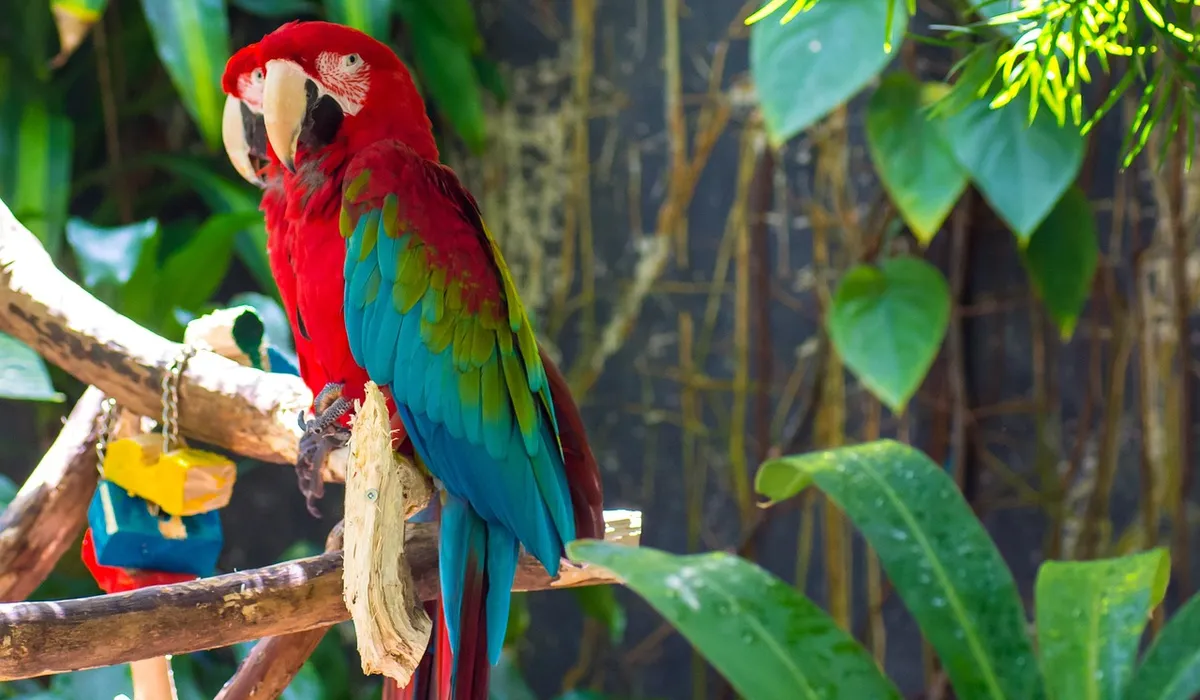
- Scarlet Macaws: With brilliant red, blue, and yellow plumage, these large birds are social and vocal. They require spacious enclosures and plenty of flight time to stay happy.
- Eclectus Parrots: Females dazzle in vivid red and purple, while males are green, showcasing how color can define gender in parrots. They have specific dietary needs, favoring fresh fruits and veggies.
- Sun Conures: Though not all red, birds like my Sunny blend yellow, orange, and red hues, emphasizing how red elements often signal high energy and sociability.
Red plumage often serves as a health barometer, with bright shades indicating robust condition and dullness hinting at potential issues. In the wild, vibrant red feathers can attract mates, so in captivity, they reflect proper care and nutrition. I’ve noticed that parrots with access to varied diets show richer colors, underscoring the link between food and feather quality.
Diet directly impacts red feather vibrancy, as carotenoids from foods like carrots and bell peppers enhance those stunning hues. Feeding a mix of pellets, fresh produce, and nuts ensures your red parrot’s coat stays luminous and healthy. From my experience, skipping on quality food can lead to faded feathers, so I prioritize a balanced menu to support their overall welfare.
Get to Know White Parrots
White parrots are often Cockatoos, known for their expressive crests and powdery down feathers. My own experience with a friend’s Umbrella Cockatoo taught me that their brilliant white feathers require a dedicated grooming routine.
Identify White Parrot Species and Their Unique Traits
- Cockatoos: Recognizable by their movable head crests; species include the Umbrella, Sulphur-crested, and Moluccan.
- Traits: Highly social, intelligent, and prone to loud vocalizations when seeking attention.
- Feather Dust: They produce a fine white powder to preen their feathers, which can affect people with allergies.
Care Specifics for White-Feathered Birds
Maintaining that pristine white look demands consistent effort. I learned that a balanced diet rich in beta-carotene helps prevent unsightly yellow tinges on their plumage.
- Bathing: Offer shallow water baths or misting sessions 2-3 times weekly to reduce dust and dirt buildup.
- Diet: Provide fresh vegetables like carrots and sweet potatoes to support feather health and color.
- Environment: Keep their living space clean to minimize stains from food or droppings on their feathers.
Spotting Color Mutations in White Plumage
Not all white is pure; some parrots display subtle color variations. Look for pale yellow patches or greyish undertones, which often indicate specific genetic mutations or dietary influences.
- Lutino Mutation: Common in Cockatiels, resulting in a yellow-white mix with red eyes.
- Albino Traits: A complete lack of pigment, leading to pure white feathers and pink eyes.
- Age and Health: Feathers may darken or yellow over time, signaling potential health issues that need a vet’s attention.
Spotting Other Vibrant Parrot Colors
Beyond green and white, parrots dazzle with a rainbow of hues. Observing my own flock under different lights revealed how their colors shift from morning sun to evening lamps.
Brief Examples of Blue, Yellow, and Multi-Colored Parrots
- Blue: Hyacinth Macaws boast a deep cobalt blue, while Budgies come in sky-blue shades.
- Yellow: Sun Conures, like my bird Sunny, glow with vibrant yellow-orange bellies and green wings.
- Multi-Colored: Eclectus Parrots show stark sexual dimorphism-males are green, females red and purple.
How to Identify Colors in Different Lighting
Lighting can play tricks on your eyes. Natural sunlight brings out the truest colors, while indoor LEDs might mute or alter shades, making some blues appear greyish.
- Direct Sunlight: Enhances vibrancy; ideal for checking iridescence in species like Indian Ringnecks.
- Shade or Cloudy Days: Softens colors, helping you spot subtle patterns without glare.
- Artificial Light: Use full-spectrum bulbs to avoid distorting colors during evening observations.
Quick Reference for Common Color Combinations in Pets
| Primary Color | Common Species | Typical Combinations |
|---|---|---|
| Blue | Budgerigar, Macaw | Blue with white, black, or yellow accents |
| Yellow | Canary, Cockatiel | Yellow with grey, white, or orange patches |
| Multi-Colored | Conure, Lorikeet | Mixes of green, red, blue, and yellow in bold patterns |
How to Identify Parrot Colors Accurately
Getting the colors right feels like solving a beautiful puzzle. Start by focusing on the primary feather colors across the body, wings, and tail first, as these are the most stable indicators. I always check my green-cheeked conure Kiwi’s vibrant red belly and the striking blue on his wings against his green back.
Don’t forget the beak and feet. A parrot’s beak shade can offer major clues; for instance, a bright orange beak often pairs with warmer feather tones. My sun conure Sunny has a dark beak that beautifully contrasts her yellow and orange plumage.
Lighting makes a world of difference. Natural daylight is your best friend for seeing true, unfiltered colors, while artificial lights can dramatically alter how a color appears. I learned this the hard way trying to photograph Sage, my African Grey; indoor lights made her gorgeous grey feathers look dull and brownish.
Your bird’s comfort is paramount. Always observe from a respectful distance, using calm movements and a soft voice to avoid causing any stress or fear. A calm, scared, or stressed parrot benefits from patient, gentle communication and predictable routines. Maintaining slow movements and a soft voice helps guide a frightened bird toward calm. I never try to handle my parrots just for a color check; I let them go about their business while I watch from nearby.
Understanding Parrot Color Mutations
Color mutations are fascinating genetic twists that change a parrot’s appearance. These occur naturally in the wild due to random genetic variations, but are often selectively bred in captivity to create specific looks. It’s like nature’s own art project, with some human collaboration. Why are parrots so colorful? It’s a combination of natural selection and mutation.
There’s a big difference between natural colors and man-made morphs. Natural colors are what you’d see in wild populations, developed for camouflage and survival, while man-made morphs are bred purely for aesthetic appeal and may not exist in nature. My birds’ colors are all naturally occurring, which I personally prefer for their health and vitality.
Budgerigars are the classic example of mutation variety. Common budgie mutations include lutino (all yellow with red eyes), albino (all white with red eyes), and pied (irregular patches of color). Identifying them involves looking for consistent patterns and specific eye colors that differ from the standard green and yellow wild-type.
Look for specific cues beyond just color. Key identification markers include eye color (dark vs. red), cere color in budgies, and the presence or absence of markings like wing bars or cheek patches. A blue budgie with black markings is a classic mutation, while one with no markings and red eyes is a clear lutino.
Feather Colors and Gender Clues
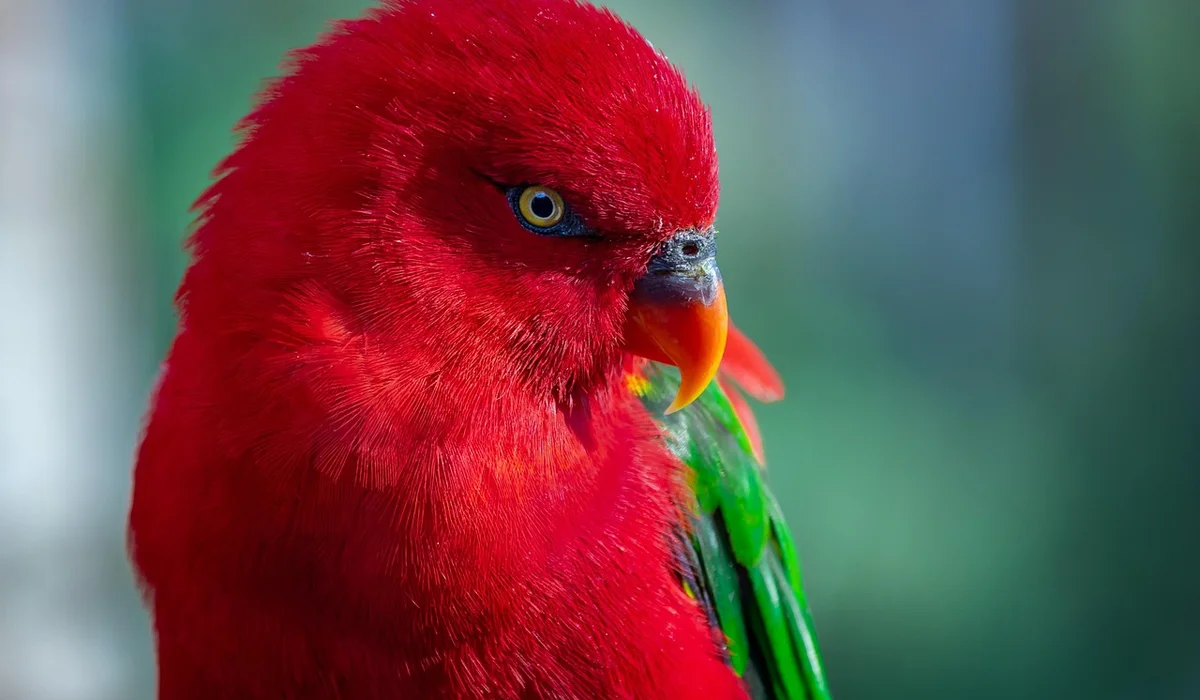
Plumage can sometimes give you a big hint about whether your parrot is male or female. In some species, the color differences are so distinct you can make an educated guess just by looking. If color isn’t conclusive, you can also determine your parrot’s gender using DNA-based methods. DNA tests can confirm the sex with high accuracy.
- Eclectus Parrots are a classic example. The males are a brilliant, vibrant green, while the females are a stunning red and purple-blue.
- Many Australian King Parrots show a clear difference. Males have a bright red head and chest, but females are green in those same areas.
- Some budgerigar (budgie) color mutations, like certain pied varieties, can make the typically blue cere (nose area) of males appear pinkish, which can sometimes be confused with a female’s brown cere.
This visual clue isn’t a universal rule. For many parrot species, like my African Grey, Sage, males and females look identical. You simply cannot tell them apart by color alone.
When color fails, other methods are absolutely necessary for accurate gender identification. The only way to be 100% sure is through professional DNA sexing or a surgical procedure performed by an avian vet. Relying solely on behavior or vague color hints often leads to mistaken identity.
Caring for Your Colorful Parrot Friend
Keeping those beautiful feathers bright starts from the inside out. A balanced, nutrient-rich diet is the single most important factor for vibrant plumage. I feed my flock a base of high-quality pellets, supplemented with fresh chop full of orange sweet potatoes, dark leafy greens, and red bell peppers.
Their environment plays a huge role, too. Regular misting or access to a shallow bird bath encourages preening and keeps feathers from getting dusty and dull. My conure, Kiwi, does a happy little dance every morning when I spritz him with water.
Animal welfare must always come first. Never compromise your parrot’s health for the sake of color; this means avoiding dyes, harsh chemicals, or any breeding practices that prioritize appearance over vitality. A parrot’s value is in its personality and well-being, not just its palette. Ethics also guide the choice between breeding and adoption, often favoring the welfare-focused path of adoption or rescue. If adoption is not possible, any breeding should be organized by high welfare standards that prioritize health and lifelong welfare over appearance.
From my own experience, a happy parrot is a colorful parrot. My sun conure, Sunny, literally glows when he’s had a day full of foraging toys, out-of-cage time, and positive interaction. Stress and boredom can lead to feather plucking, which strips away their natural beauty. Their vibrant colors are a direct reflection of their quality of life.
FAQs
What is the parrot primary feather color?
Parrots exhibit a wide range of primary feather colors, such as green, red, blue, and yellow, which can vary by species. These colors often play roles in camouflage, communication, and mating displays in their natural environments. A parrot species identification guide helps you tell look-alike parrots apart. It shows how to distinguish them by color patterns, size, and beak shape.
Which colors are most common in parrots?
Green is the most common primary color among parrots, as it helps them blend into leafy habitats like rainforests. Other frequent colors include blue, red, and yellow, with variations seen across different parrot families and regions. In Australia, native parrot species such as the crimson rosella and rainbow lorikeet illustrate this color range and are known for their distinctive calls and social behavior.
How can you identify a blue parrot in natural light?
Observe the parrot in direct sunlight to see the true, vibrant blue shades without artificial distortion. Look for consistent color across the body and wings, as natural light reveals details that might be hidden indoors. When daylight isn’t available, consult the ultimate guide to full-spectrum lighting for parrots to replicate those colors indoors and support overall health.
What colors are typical for a green winged macaw?
Green-winged Macaws typically feature a bright red body with vivid green wings and blue highlights on their tail and flight feathers. This distinctive color pattern helps differentiate them from other macaw species in the wild or aviaries.
What safety considerations apply when identifying parrot color in the wild or captivity?
Always keep a respectful distance to prevent startling the bird and avoid potential bites or stress-related behaviors. Use binoculars or zoom lenses for close observation, and never attempt to handle a parrot solely for color identification to ensure its well-being.
In Closing
Identifying green, white, and red parrots, like my energetic Sunny the Sun Conure, helps you appreciate their diversity and tailor care to their species. From my years with Kiwi, I’ve seen how his green and red feathers signal a need for varied toys and social interaction, making color a handy guide for daily routines. Use these visual cues to enrich your bond and meet their specific health needs. Understanding conure species can also help you provide the best care for your feathered friends.
Embrace responsible parrot ownership by staying curious and informed about their ever-changing world. My time with Sage has shown me that continuous learning, through resources like this site, builds a foundation for happy, thriving birds and stronger animal welfare practices. Pet parrots learn by doing—through simple training and daily enrichment. Keep exploring to give your feathered friends the best life possible.
Further Reading & Sources
- 8 Top Colorful Parrot Species
- 14 Dazzling Types of Parrots
- Parrot Colors: Most Common to Rarest – A-Z Animals
Suzanne Levine is a dedicated parrot enthusiast and experienced avian caregiver with over 15 years of hands-on experience in parrot care. As the founder of Parrot Care Central, Suzanne is passionate about sharing her knowledge and insights to help fellow parrot owners provide the best possible care for their feathered friends. Her expertise spans nutrition, behavior, health, and enrichment, making her a trusted resource in the parrot care community.
Feather Care