
Are Toucans and Falcons Related to Parrots?
You might look at a flashy toucan or a speedy falcon and ask yourself if they share any family ties with your talkative parrot at home. It is easy to mix them up when you see bright colors or hear about bird intelligence, but the real story lies in their evolution and traits.
Having raised parrots like my curious Kiwi and affectionate Sunny, I have seen firsthand how unique each bird group is. I will guide you through the key differences with three main insights:
- Evolutionary paths that separate these birds
- Physical features highlighting their distinct groups
- Behavioral habits shaped by their environments
You will get straightforward answers that make sense, even if you are new to bird biology. This article covers Evolutionary History, Physical Traits, Behavioral Comparisons, Habitat Differences, and Diet Variations.
What Exactly Is a Parrot? Defining Psittaciformes
Parrots belong to the order Psittaciformes, a group known for their curved beaks, zygodactyl feet, and incredible smarts. These features aren’t just for show—they help parrots climb, eat, and interact with their world in ways I’ve seen firsthand with my own birds, especially in how the beak behavior signals their mood and intentions.
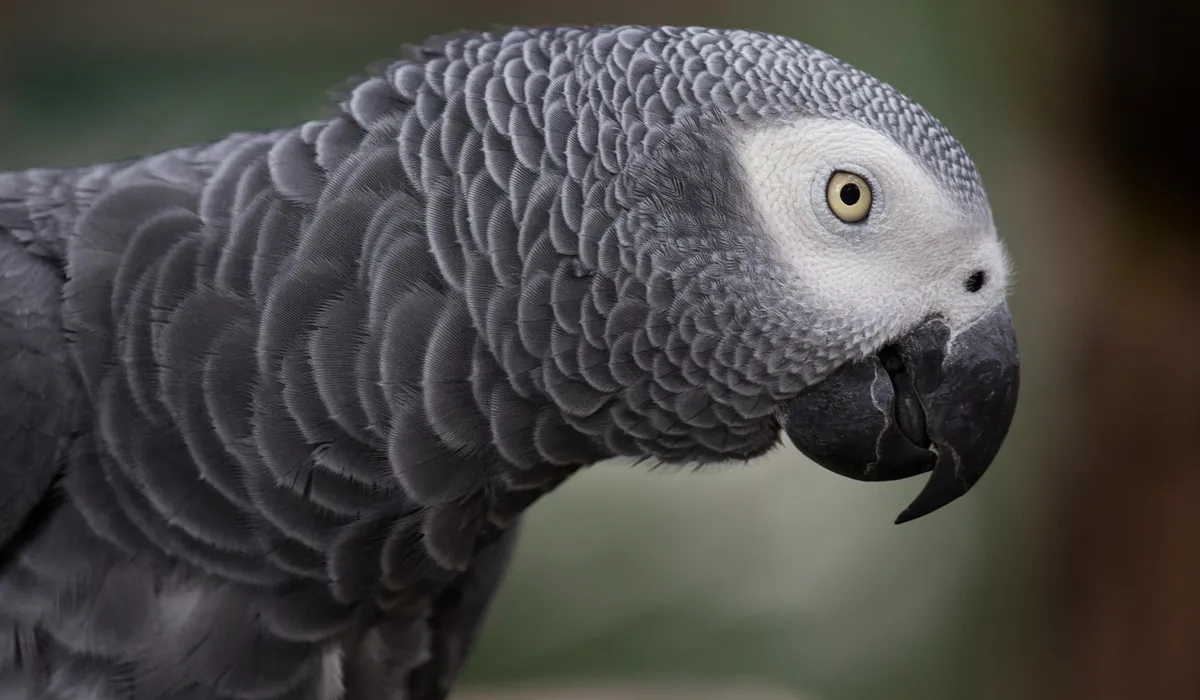
From Kiwi, my playful Green-cheeked Conure, I’ve learned how their beaks expertly crack open seeds and nuts. Their feet, with two toes facing forward and two back, let them grip branches tightly, something Sage, my African Grey, uses to explore her cage with calm precision.
Many parrots, like Sunny, my social Sun Conure, flaunt bright feathers and can mimic sounds. This intelligence means they need mental stimulation, or they might get bored and act out. Parrots are famously intelligent birds, capable of learning complex cues and solving problems. Providing enrichment helps keep their minds active and their behavior positive.
- Curved, strong beaks for eating and climbing
- Zygodactyl feet for secure perching
- High intelligence and problem-solving skills
- Ability to mimic human speech and sounds
- Social nature, often living in flocks
Over the years, I’ve noticed how each parrot species has unique traits. Caring for them requires understanding these details to keep them happy and healthy. What makes parrots so unique compared with other pets is their intelligence, social behavior, and ability to mimic sounds. They form strong bonds and need enrichment to stay mentally engaged.
Toucans and Parrots: Lookalikes or Family?
At first glance, toucans and parrots might seem like close relatives due to their colorful appearances and tropical habitats. But looks can be deceiving-they’re not part of the same family, and their differences run deep.
I remember seeing a toucan at a sanctuary and thinking how its large beak reminded me of a parrot’s, but their behaviors told a different story. This mix-up is common, but digging into their backgrounds reveals why they’re more like neighbors than kin.
Taxonomic Tales: Where Toucans Fit In
Toucans fall under the order Piciformes, which includes woodpeckers and barbets, while parrots are firmly in Psittaciformes. This taxonomic split means they evolved separately, with distinct adaptations for survival.
For instance, toucans have those iconic, lightweight beaks for reaching fruit, whereas parrots like Kiwi use their sturdier beaks to crush hard shells. Their genetic paths diverged long ago, making them distant relatives at best.
- Parrots: Order Psittaciformes, with over 390 species
- Toucans: Order Piciformes, family Ramphastidae
- Shared traits: Bright colors, but different evolutionary histories
- Key differences: Beak structure, foot anatomy, and vocal abilities
From my experience, this separation matters because it affects how we care for them. Assuming they’re similar could lead to improper housing or diet, which harms their well-being.
Behavior and Care: Toucans vs. Parrots
When it comes to daily life, toucans and parrots have contrasting needs that I’ve observed in aviaries and through research. Parrots, like Sunny, thrive on social interaction and can learn words, while toucans are quieter and more focused on fruit-based diets.
I’ve cared for parrots for years, and their playful antics require lots of toys and attention. Toucans, on the other hand, need spacious enclosures to accommodate their hopping movements and specialized food to prevent health issues.
- Diet: Parrots eat seeds, nuts, and pellets; toucans prefer soft fruits and insects.
- Social behavior: Parrots form strong bonds and mimic sounds; toucans are less vocal and may be solitary.
- Housing: Parrots need perches and climbing structures; toucans require larger, horizontal spaces.
- Lifespan: Many parrots live decades with proper care; toucans often have shorter lifespans in captivity.
Advocating for animal welfare, I stress that each species deserves tailored care. Mixing them or using parrot methods for toucans can cause stress and malnutrition, so always research before bringing one home.
Falcons and Parrots: Distant Relatives or Strangers?
The Predator-Prey Dynamic
Watching my playful Green-cheeked Conure, Kiwi, flutter around the room, it’s hard to imagine a falcon seeing her as a potential meal. The evolutionary gap between parrots and falcons is so vast that they are essentially strangers on the avian family tree, defined by a classic predator-prey relationship. Falcons are aerial hunters with hooked beaks designed for tearing flesh and incredible speed for capturing prey mid-air. My parrots, in contrast, use their powerful curved beaks like a third hand for climbing and cracking nuts, not for hunting.
I’ve witnessed this dynamic firsthand during supervised outdoor time. The sudden, silent shadow of a passing hawk sends all my birds into an immediate, instinctual panic, a stark reminder of their place in the natural order. This isn’t just fear; it’s a deeply ingrained survival response to a natural predator. Falcons operate on pure instinct and precision, while my flock is all about social chatter and playful problem-solving.
Bird Family Trees: How Science Classifies Our Feathered Friends
Think of bird classification like a massive family reunion. Scientists group birds based on a deep dive into their DNA, skeletal structure, and behavioral traits, creating a detailed map of evolutionary history. This isn’t guesswork; it’s a meticulous process that reveals who shares a recent common ancestor and who branched off millions of years ago.
My own flock is a perfect mini-example of this classification in action. Kiwi (Green-cheeked Conure) and Sunny (Sun Conure) are like close cousins; they belong to the same broader parrot family and share similar social, playful personalities. Sage, my African Grey, is from a different branch of the parrot family tree, showcasing a distinct type of intelligence and more reserved demeanor. They are all parrots, but they highlight the diversity within a single order.
Here’s a quick look at how our feathered friends are sorted:
| Bird Type | Order | Key Characteristics |
|---|---|---|
| Parrots (like Kiwi, Sunny, Sage) | Psittaciformes | Curved beak, zygodactyl feet (two toes forward, two back), high intelligence, herbivorous |
| Falcons | Falconiformes | Hooked beak for tearing, notched beak (tomial tooth), carnivorous, exceptional flight speed |
| Toucans | Piciformes | Large, lightweight beak, similar foot structure to parrots, frugivorous (fruit-eating) |
This table shows that parrots and falcons aren’t just in different families; they are in entirely different orders, meaning their evolutionary paths diverged an incredibly long time ago. The similarities you might see, like both having beaks, are a result of convergent evolution—different species developing similar tools for different jobs. A parrot’s beak is for climbing and eating, while a falcon’s is a weapon. And when people ask whether lovebirds are parrots, the answer is yes: lovebirds are indeed parrots—small, colorful members of the parrot family.
Why Bird Relationships Matter for Parrot Owners
Knowing how birds like toucans and falcons fit into the family tree helps you provide better care for your parrot. This knowledge stops you from making assumptions that could harm your feathered friend’s health or happiness. From my time with Kiwi, my playful Green-cheeked Conure, I’ve noticed how her social needs differ greatly from solitary birds, which affects everything from cage setup to playtime.
Bird relationships influence diet, behavior, and disease risks. For instance, parrots and toucans share some fruit-loving habits, but their digestive systems aren’t identical, leading to potential nutritional gaps. I learned this the hard way when I tried a mixed diet for Sunny, my Sun Conure, and saw how sensitive her stomach was compared to other species, which is why it’s crucial to understand parrot diet requirements by species.
Safe Coexistence: What to Avoid
Keeping parrots with other birds requires caution to prevent stress or injury. Always prioritize your parrot’s well-being by steering clear of these common pitfalls. Different parrot species have unique health risks, so prevention and tailored care are key to keeping them healthy. Understanding species-specific signs of illness helps with timely care. Based on my experiences, here’s what to watch out for:
- Avoid housing parrots with birds that have sharp beaks or claws, like falcons, as their predatory instincts can trigger fear or attacks.
- Never share food bowls between species; toucans might need specialized fruits that aren’t safe for parrots, leading to digestive issues.
- Skip introducing new birds without a quarantine period to prevent disease spread-I once risked this with Sage, my African Grey, and luckily caught a minor infection early.
- Steer clear of overcrowded spaces; parrots like Kiwi thrive on attention and can become anxious if competing for resources.
Advocating for animal welfare means putting safety first in multi-bird homes. Simple steps like separate play areas reduce conflicts and keep everyone healthy.
Beyond Parrots: Understanding Other Bird Pets
Exploring birds outside the parrot family enriches your perspective on pet care. Each species, from toucans to falcons, has unique traits that demand tailored approaches. I’ve found that comparing them to my parrots highlights why one-size-fits-all methods fail. For beginners curious about the best parrot species for easy care, budgerigars and cockatiels are often top picks. They tend to be adaptable and relatively low-maintenance, making them accessible entry points for new parrot owners.
Toucans, for example, are not closely related to parrots but share a love for fruits. Their high-sugar diets contrast with parrots’ need for varied seeds and veggies, so mixing foods can lead to malnutrition. In my aviary visits, I’ve seen toucans thrive in humid environments, unlike parrots who prefer moderate climates.
Falcons, as raptors, have hunting instincts that make them unsuitable companions for parrots. Their solitary nature and meat-based diets mean they shouldn’t share space with social, plant-eating birds like Sunny or Sage. Understanding this helped me appreciate why falcons are best left to experts, not casual pet owners.
- Toucans: Focus on fruit-heavy meals and spacious enclosures-they’re less talkative but still need enrichment.
- Falcons: Require specialized training and large flying areas; their independence contrasts with parrots’ craving for interaction.
- General tips: Research each bird’s origin and behavior; what works for a conure might stress a toucan.
Diving into these differences makes you a more informed caretaker. Embracing variety in bird care ensures every pet, not just parrots, lives a full and joyful life. Rescue parrots may be wary and hesitant to trust at first, while hand-raised parrots often seek more social interaction. Understanding these behavioral differences helps you tailor training and enrichment to each bird’s needs.
Common Questions
Can toucans or falcons learn to talk like parrots?
Toucans and falcons do not possess the same vocal anatomy or cognitive ability for mimicry as parrots. Parrots have a specialized syrinx and social intelligence that allows them to imitate human speech, a trait not shared by the other birds. In everyday life, parrots often mimic human speech sounds, reproducing words and phrases they hear. The extent of this mimicry varies by species and individual.
Are a parrot’s beak and feet similar to a toucan’s or falcon’s?
While a parrot’s curved beak may look superficially similar to a falcon’s hook or a toucan’s large bill, their structures and purposes are entirely different. Furthermore, a parrot’s zygodactyl feet, ideal for gripping and climbing, differ from a falcon’s talons for grasping prey and are only superficially similar to a toucan’s.
Is it safe to house my parrot with a toucan or falcon?
No, it is not safe and is strongly discouraged due to vastly different behavioral needs and potential risks. Falcons are natural predators, and even toucans have different social structures and diets that can lead to stress, aggression, or nutritional problems for your parrot. Parrots in the wild face natural predators and domestic dangers that your parrot isn’t equipped to handle.
In Closing
Ultimately, parrots, toucans, and falcons come from completely different branches of the bird family tree. While parrots and toucans can share some needs as tropical fruit-eaters, their care is not interchangeable, and a falcon’s life as a wild hunter is worlds away from a parrot’s life in your home.
Responsible pet ownership means committing to learning the specific needs of the species you welcome into your family. Caring for my own flock has been a constant journey of discovery, and I encourage you to embrace that same spirit of curiosity and dedication for the well-being of your feathered companions.
Further Reading & Sources
- r/askscience on Reddit: How closely related are toucans and parrots?
- Toucan – Wikipedia
- Toucans vs Parrots as Pets | Adventures in Toucanland « Adventures in Toucanland
Suzanne Levine is a dedicated parrot enthusiast and experienced avian caregiver with over 15 years of hands-on experience in parrot care. As the founder of Parrot Care Central, Suzanne is passionate about sharing her knowledge and insights to help fellow parrot owners provide the best possible care for their feathered friends. Her expertise spans nutrition, behavior, health, and enrichment, making her a trusted resource in the parrot care community.
Finding a Parrot