
Extinct Parrot Species and Why They Vanished
Published on: June 25, 2026 | Last Updated: June 25, 2026
Written By: Suzanne Levine
It’s a heartbreaking reality that many of the world’s most vibrant and intelligent parrots are gone forever, leaving us to wonder what went wrong. The empty spaces where their squawks and colorful feathers once filled the forests serve as a silent lesson.
I want to help you understand this tragic loss by walking you through the key reasons behind these extinctions. We’ll explore three major takeaways that explain how these birds disappeared.
- The specific parrot species we’ve lost and their unique traits.
- The primary human-driven causes that led to their extinction.
- What these past losses teach us about protecting parrots today.
You will find clear, factual explanations that make this complex topic easy to grasp. The article covers: extinct species profiles, causes of extinction, habitat loss impact, hunting and trade effects, and conservation lessons learned.
Famous Feathers Lost Forever: Meet the Extinct Parrots
The Carolina Parakeet: North America’s Lost Jewel
Imagine a vibrant flash of green, yellow, and orange swirling through the forests of the eastern United States. That was the Carolina Parakeet, the only parrot species native to this continent. I often picture their massive, noisy flocks while walking my own conures, Kiwi and Sunny, feeling a deep sense of loss for what our ecosystems once held. They were incredibly social birds, living in large communities, which tragically made them easy targets. Their diet included cockleburs, a plant toxic to livestock, leading farmers to see them as pests. The last confirmed individual, a male named Incas, died in the Cincinnati Zoo in 1918, the same cage where the last Passenger Pigeon had died just four years earlier.
The Paradise Parrot: A Colorful Mystery Gone
Hailing from the grasslands of Queensland, Australia, the Paradise Parrot was a stunning spectacle. The males boasted a brilliant turquoise face, scarlet shoulders, and a long, elegant tail. Their story is a haunting reminder that even the most beautiful creatures can vanish quietly, often before we truly understand them. Unlike the Carolina Parakeet, this species was never common in aviculture and was notoriously difficult to keep in captivity. The last reliable sighting was in 1927. Its extinction was a slow fade, driven by habitat changes that went largely unnoticed until it was far too late. For more information on similar species, explore other Australian native parrots and their characteristics.
What Wiped Them Out? The Top Causes of Parrot Extinction
Habitat Havoc: Deforestation and Fragmentation
Parrots are not just birds that live in trees; they are intricately woven into the fabric of their forest homes. When we clear vast tracts of land for agriculture or development, we don’t just remove their shelter. We dismantle the entire support system they rely on for food, nesting sites, and protection from predators. Wild parrots rely on flexible foraging and social coordination to survive in the wild. Fragmentation disrupts these survival strategies by isolating groups and shrinking food and nesting opportunities. I see this even with my own birds; Sage, my African Grey, needs specific types of wood to chew and puzzle toys to simulate foraging. In the wild, losing that specific habitat means losing the ability to survive. Forest fragmentation creates tiny, isolated pockets of birds that can no longer find mates or genetic diversity, leading to a slow, silent extinction.
- Loss of old-growth trees with perfect nesting hollows.
- Disappearance of specific food sources like native fruits and nuts.
- Increased exposure to weather and predators at forest edges.
Human Hands: Hunting and the Feather Trade
Direct persecution by humans has erased entire species from the map. The Carolina Parakeet was shot in staggering numbers, sometimes just for sport, because their tight-knit flocks would return to mourn their dead, making them easy to kill in bulk. The fashion industry’s demand for exotic feathers for hats and accessories in the 19th and early 20th centuries decimated global bird populations, with parrots being prime targets for their vibrant plumage. While this trade is now regulated, the historical impact was catastrophic and irreversible for many species.
Pet Trade Perils: Capture and Smuggling
The desire to share our homes with these intelligent, beautiful animals has a very dark side. The illegal pet trade continues to be a massive threat to wild parrots worldwide. Every time I see a bird obtained through questionable means, I think of the immense suffering behind that single transaction—the parents killed, the chicks starved, and the ecosystems robbed. Under CITES, owning an exotic parrot isn’t a free right; it requires proper permits and legally sourced birds. Explained simply, the treaty makes clear that keeping wild-caught parrots is restricted and often illegal without proper authorization. Wild-caught parrots are often smuggled in horrific conditions, with a massive mortality rate before they even reach a market. This practice doesn’t just remove individuals; it cripples wild breeding populations, pushing rare species closer to the brink.
- Nests are raided, and breeding adults are often killed in the process.
- Smuggling leads to immense stress, injury, and disease.
- It creates an unsustainable drain on wild populations that cannot reproduce fast enough to recover.
Echoes of Extinction: Are Today’s Parrots in Danger?
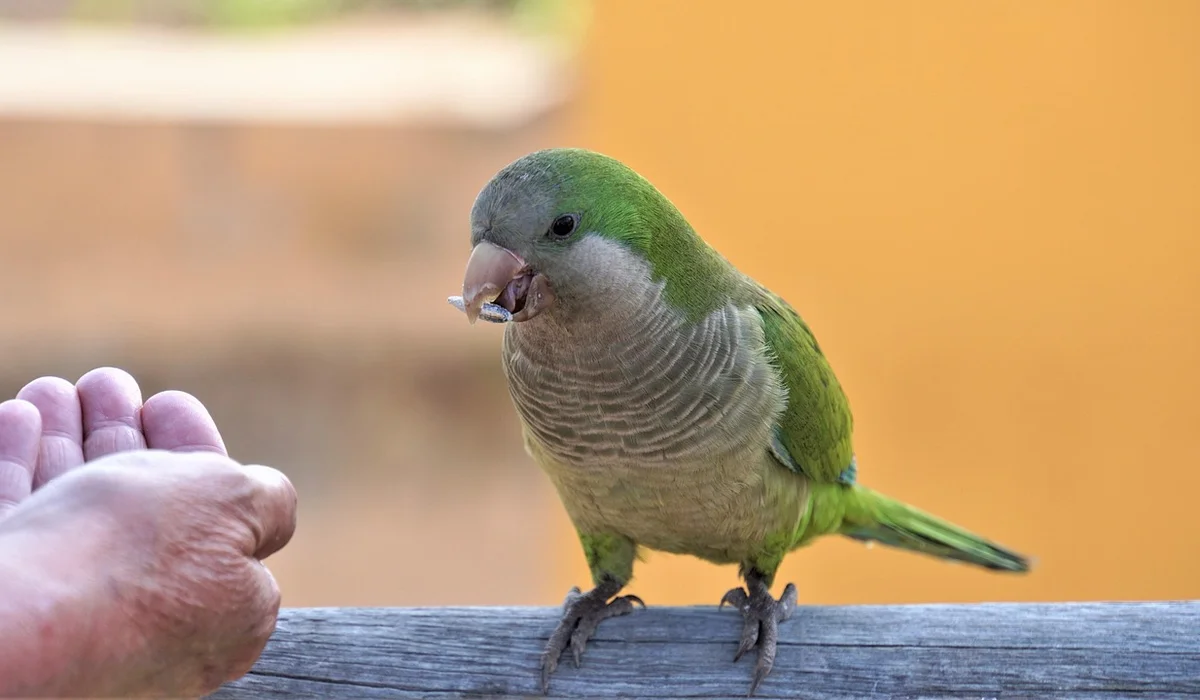
Spix’s Macaw: A Symbol of Hope and Loss
I remember the first time I saw a Spix’s Macaw in a documentary, its brilliant blue feathers shimmering like a piece of the sky. That vibrant blue is now extinct in the wild, a stark reminder of how quickly we can lose something precious. This species became the real-life inspiration for the movie “Rio,” a story of the last hope for a species. While a small number exist in captive breeding programs, their native Brazilian forests fell silent decades ago. The primary culprit was habitat destruction for agriculture and livestock, combined with relentless trapping for the illegal pet trade. Their story is a powerful lesson in fragility.
Regions at Risk: Where Parrots Fight to Survive
Parrots are in a global battle for survival, with some areas facing extreme pressure.
- The Amazon Basin: Rampant deforestation for cattle ranching and soy farms is shredding the homes of countless macaws and parakeets.
- Indonesia and Southeast Asia: Here, the illegal capture of cockatoos and other species for the pet trade is a devastating threat, pushing species like the Yellow-crested Cockatoo to the brink.
- Australia: Prolonged droughts and intense bushfires, worsened by climate change, have decimated food sources and nesting sites for species like the Swift Parrot.
These regions highlight a global crisis where human activity directly clashes with avian survival.
Learning from the Lost: What Pet Owners Can Do
Choose Wisely: Picking Ethical Pets
Owning a parrot is a privilege, and your choice matters deeply. I made a conscious decision with my conure, Kiwi, to source him from a reputable breeder who prioritized health over profit. Always demand proof of captive breeding and avoid any seller who cannot provide clear, verifiable documentation. To find reputable parrot breeders, start with recognized associations or local avian clubs that maintain breeder directories. When possible, visit in person to meet the parents and review health records. Look for birds that are banded and ask to see the parents if possible. Steer completely clear of species known to be trafficked from the wild, no matter how “beautiful” or “rare” they seem. Your purchase either supports a cycle of conservation or one of exploitation.
Support Survival: Backing Conservation Efforts
You don’t need to be a field biologist to make a difference. Even a small monthly donation to a legitimate organization creates a lifeline for species on the edge. I support groups like the World Parrot Trust because I’ve seen their work in protecting nesting sites and funding anti-poaching patrols. Beyond money, you can volunteer your time or skills. Something as simple as sharing their social media posts raises awareness. Every action, no matter how small, builds a stronger safety net for parrots worldwide.
Guardians of the Sky: Your Role in Preventing Extinction
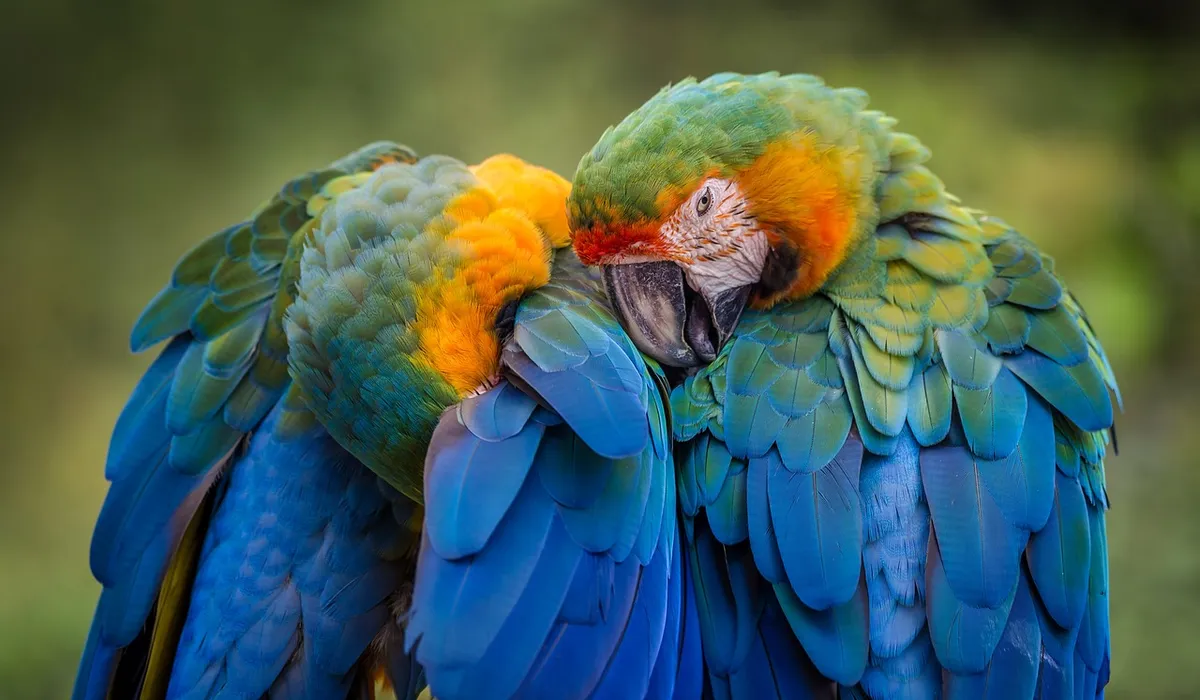
Adopt, Don’t Shop: The Power of Rehoming
My sun conure, Sunny, was a rehomed bird who needed a second chance. Adopting a parrot from a rescue is one of the most direct actions you can take to combat the pet trade’s negative impacts. It’s essential to know how to ethically adopt a parrot to ensure you’re providing a loving home to a bird in need. Countless birds are surrendered due to long lifespans and complex care needs. These rescues are overflowing with loving, intelligent creatures desperate for a forever home. By adopting, you free up space and resources for another bird in need and send a powerful message that every parrot deserves a life of dignity.
Spread the Word: Educating Others on Parrot Care
Be a beacon of good information. I’ve lost count of the times I’ve explained to friends that parrots aren’t just decorative pets; they are emotional, long-lived companions. Share your experiences about the reality of parrot ownership-the noise, the mess, the decades-long commitment. Choosing the right parrot for your home lifestyle means matching the bird’s temperament and care needs to what you can provide. Talk about the importance of large cages, a varied diet beyond seeds, and the need for daily mental stimulation. Consider your daily routine, space, and noise tolerance before bringing a parrot home. When someone admires your bird, use it as a teaching moment. Your voice can prevent an impulse buy that might otherwise end in a shelter.
FAQs
How do invasive species impact native parrots?
Invasive species often compete with native parrots for essential resources like food and nesting cavities. They can also introduce novel diseases or predators that parrots have no natural defenses against. In the wild, natural predators—such as raptors, snakes, and large mammals—pose ongoing threats to parrots. Domestic dangers, including poorly supervised pets and household hazards, can also put pet parrots at risk.
What is the impact of climate change on parrot extinction risk?
Climate change disrupts seasonal patterns and food sources, leading to mismatches in breeding and foraging times. It also exacerbates habitat loss through increased wildfires and droughts, pushing species closer to extinction.
How does environmental pollution affect parrot populations?
Pollution from pesticides and heavy metals can poison parrots directly or contaminate their food and water supplies. It also damages ecosystems, reducing the availability of safe nesting sites and healthy prey. However, it’s not just environmental toxins that wild parrots face; even household dangers can impact their health negatively.
What conservation strategies address the causes of parrot extinction?
Effective strategies include establishing protected areas, enforcing laws against illegal trade, and promoting community-based conservation projects. Captive breeding and reintroduction programs also help rebuild populations while addressing root causes like habitat destruction.
How does habitat fragmentation influence parrot extinction risk?
Habitat fragmentation isolates parrot groups, reducing genetic diversity and increasing inbreeding risks. It also limits access to resources and mates, making populations more vulnerable to local extinctions.
In Closing
Our history with parrots teaches us that extinction is rarely a single event but a cascade of habitat loss, human activity, and introduced threats. Protecting the parrots we share our homes with today means providing spacious, enriching environments, a proper diet, and vigilant care against preventable dangers. By understanding common health issues in parrots that affect different parrot species and how prevention and care differ, we can keep them thriving.
Every parrot owner holds a piece of conservation in their hands, and your commitment to learning and adapting is the most powerful tool for their future. Let’s honor the species we’ve lost by becoming the most informed, responsible guardians for the parrots thriving under our care now. To guide you in this journey, here are the top 10 beginner parrot owner mistakes to avoid.
Further Reading & Sources
- Carolina parakeet – Wikipedia
- Discover 16 Extinct Types of Parrot – A-Z Animals
- The last Carolina Parakeet | John James Audubon Center at Mill Grove
Suzanne Levine is a dedicated parrot enthusiast and experienced avian caregiver with over 15 years of hands-on experience in parrot care. As the founder of Parrot Care Central, Suzanne is passionate about sharing her knowledge and insights to help fellow parrot owners provide the best possible care for their feathered friends. Her expertise spans nutrition, behavior, health, and enrichment, making her a trusted resource in the parrot care community.
African Grey Parrots