
Deterring Wild Parrots from Fruit Trees
Published on: June 7, 2026 | Last Updated: June 7, 2026
Written By: Suzanne Levine
Are wild parrots swooping in to devour your hard-earned fruit, leaving you with empty branches and frustration?
I’ve spent years caring for parrots like my playful Kiwi and social Sunny, so I know firsthand how clever and persistent these birds can be when they spot a tasty treat.
In this guide, I’ll share practical, humane strategies to protect your trees without harming these beautiful creatures.
- Understand parrot behavior to outsmart their feeding habits.
- Use simple physical barriers that are easy to set up.
- Implement sound and visual tricks that parrots naturally avoid.
You’ll walk away with clear, actionable steps to reclaim your fruit harvest.
Topics covered: humane deterrents, physical barriers, behavioral insights, sound techniques, visual scares, long-term solutions
Why Wild Parrots Can’t Resist Your Fruit Trees
I’ve watched my own flock go absolutely wild for a fresh piece of fruit. Their excitement isn’t just random–it’s deeply rooted in their biology and survival instincts. Wild parrots see your fruit trees as a perfectly packaged, all-you-can-eat buffet designed just for them. It aligns with their natural diet in the wild.
Here’s what makes your orchard so irresistible:
- High-Energy Fuel: Fruit is packed with natural sugars, providing the quick energy parrots need for long flights and active days.
- Easy Pickings: Ripe, cultivated fruit is often softer and easier to eat than tough, wild-foraged foods.
- Visual Bullseye: The vibrant colors of ripening fruit act like a giant neon “EAT HERE” sign for their sharp eyes.
- Social Dining: Parrots are flock animals. Where one finds a good meal, dozens will soon follow, creating a feeding frenzy.
My Green-cheeked Conure, Kiwi, will spot a single blueberry from across the room. Imagine that same laser focus multiplied across an entire flock discovering a tree full of mangoes. It’s not malice; it’s a brilliant survival strategy.
Legal and Ethical Rules for Deterring Parrots
Before you take any action, you must understand the rules. Protecting your fruit doesn’t give you a free pass to harm these intelligent, often protected birds. I’ve navigated this myself, finding ways to protect my garden while respecting my feathered neighbors.
Your first stop should always be your local wildlife agency’s website. In many regions, all native parrot species are protected by law, making it illegal to harm, trap, or kill them. When considering ownership, check whether keeping a parrot is allowed in your area and what permits or licenses may be required. Penalties can be severe.
Focus on these ethical guidelines for humane deterrence:
- Prevention Over Punishment: Your goal is to make the area less attractive, not to hurt the birds that visit.
- No Physical Harm: Avoid poisons, traps, or any method that could cause injury or stress. It’s cruel and usually illegal.
- Protect Nesting Sites: Never disturb active nests. Wait until the breeding season is completely over.
- Consistency is Key: Deterrents work best when they are predictable and persistent, not sporadic and frightening.
I choose methods that startle, not scar. The best solutions create a minor inconvenience for the parrots, encouraging them to move on to a less troublesome food source without trauma. It’s about coexistence, not conflict.
Physical Barriers: Netting and Tree Defenses
Choosing the Right Bird Netting for Your Trees
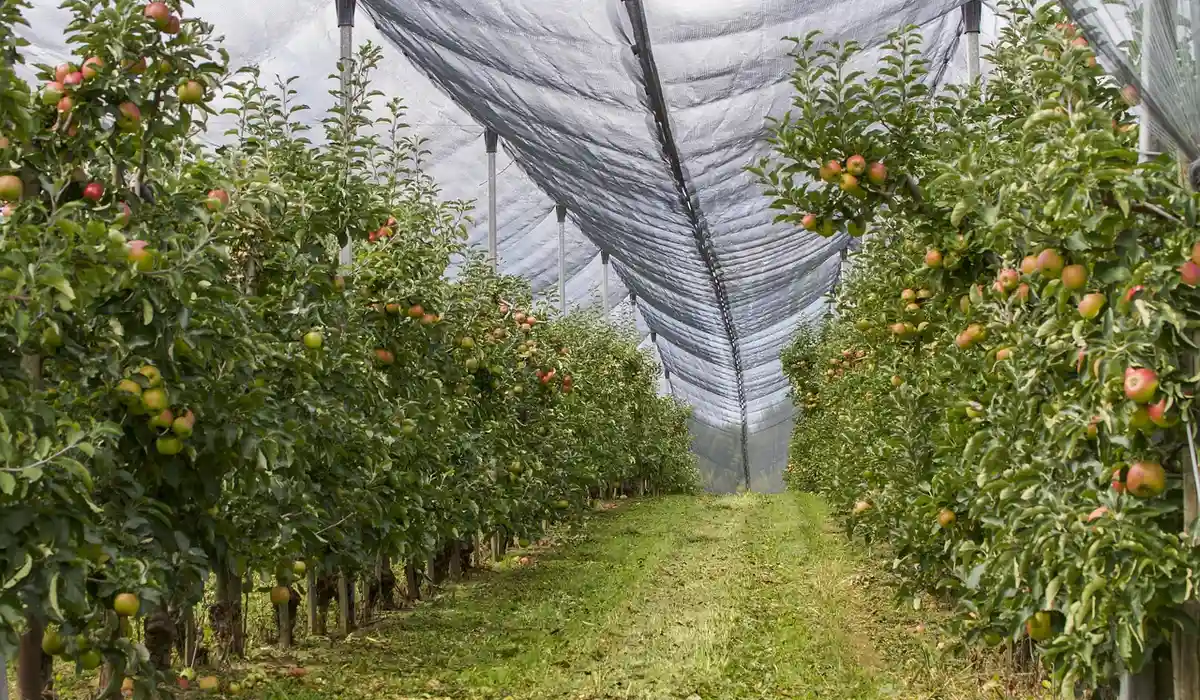
Picking the perfect netting feels like choosing armor for your fruit trees-it needs to fit just right. I always go for lightweight, UV-resistant netting with small mesh holes to keep clever parrots like my Green-cheeked Conure, Kiwi, from squeezing through. Measure your tree’s height and width to avoid gaps; a snug fit stops parrots from finding weak spots. Look for durable materials that withstand weather, as flimsy nets tear easily and frustrate both you and the birds. From my experience, investing in quality netting saves you from constant repairs and keeps your harvest safe.
- Mesh size: Opt for 1/2-inch or smaller to block most parrot species.
- Material: Nylon or polyethylene works best-it’s strong yet gentle on branches.
- Color: Light colors like white or green blend in and reduce stress for wild parrots.
Installing Tree Guards and Spikes Effectively
Tree guards and spikes act like a fortress wall, but they must be installed with care to avoid harming parrots. Wrap guards snugly around the trunk, leaving no space for parrots to grip, which I’ve seen deter my Sun Conure, Sunny, from climbing. Use smooth, plastic guards instead of metal to prevent injuries, and check them regularly for wear. Spikes should be placed on horizontal branches where parrots perch, but angle them downward to discourage landing without causing harm. Always prioritize animal welfare by choosing humane designs that scare rather than hurt.
- Clean the trunk to remove debris for a secure fit.
- Overlap guard edges to block all entry points.
- Inspect monthly for damage or parrot adaptations.
Visual and Sound Deterrents to Scare Off Parrots
Using Reflective Tape and Scare Balloons
Reflective tape and scare balloons tap into parrots’ natural wariness of sudden movements and flashes. Hanging shiny tape in strips around your trees creates a disorienting light show that startles parrots away, something that worked wonders with my African Grey, Sage. Scare balloons with large, predator-like eyes add an extra layer of fear-place them high in the canopy where parrots first approach. Rotate these deterrents every few weeks to prevent birds from getting used to them; I’ve found consistency here keeps them effective longer.
- Reflective tape: Use silver or red varieties for maximum visibility.
- Scare balloons: Inflate fully and move them periodically to mimic threats.
- Placement: Focus on fruit-heavy areas for quick results.
Noise Makers and Motion-Activated Devices
Noise makers and motion sensors give parrots a surprise they won’t forget, but use them sparingly to avoid stress. Motion-activated devices that emit sudden sounds, like claps or predator calls, have kept my backyard parrots at bay without constant noise pollution. Wind chimes or aluminum cans strung together can also work, but vary the sounds to prevent habituation. Remember, loud or frequent noises might disturb other wildlife or neighbors, so test volumes during the day and aim for brief, unpredictable bursts. Used thoughtfully, these sounds can help your parrot navigate household noise and reduce stress for everyone. A calmer soundscape makes daily routines smoother for both you and your bird.
- Set devices to activate only when movement is detected.
- Combine with visual cues for a multi-sensory scare.
- Monitor parrot behavior to adjust frequency and avoid overuse.
Taste and Smell Repellents for Fruit Trees
Applying taste and smell repellents makes fruit less appealing, steering parrots toward safer food sources. I mix natural sprays like chili pepper or garlic water and lightly coat the fruit-it’s harmless but unappetizing, as my parrots quickly learned to avoid treated areas. Reapply after rain to maintain effectiveness, and always use non-toxic ingredients to protect the birds and environment. Essential oils like peppermint can also deter parrots with strong scents, but dilute them well to prevent irritation. This method respects animal welfare by offering a gentle nudge rather than a harsh punishment.
- Homemade sprays: Blend chili powder with water and a drop of dish soap for adhesion.
- Commercial options: Choose pet-safe repellents labeled for fruit trees.
- Application: Spray in the early morning to dry before parrots feed.
Tailoring Deterrents to Specific Parrot Species
Not all parrots react the same way to scare tactics or barriers – their species shapes their behavior. I’ve noticed my Green-cheeked Conure, Kiwi, is super curious and will investigate anything new, while Sage, my African Grey, is more cautious and observant from a distance. In the wild, survival hinges on balancing curiosity with caution. These survival behaviors help flocks adapt to predators, food scarcity, and changing habitats. That’s why a one-size-fits-all approach often fails with wild flocks.
Common Wild Parrot Types and Their Habits
Recognizing the birds visiting your trees helps you pick the right defense. Many urban areas have species like Monk Parakeets, who build huge communal nests and eat in noisy groups, or Rose-ringed Parakeets, which are bold and persistent feeders. Here’s a quick guide to common ones:
- Monk Parakeets: They’re social and love fruit trees for quick, group meals. Use visual distractions like reflective tape, as they get spooked by sudden movements.
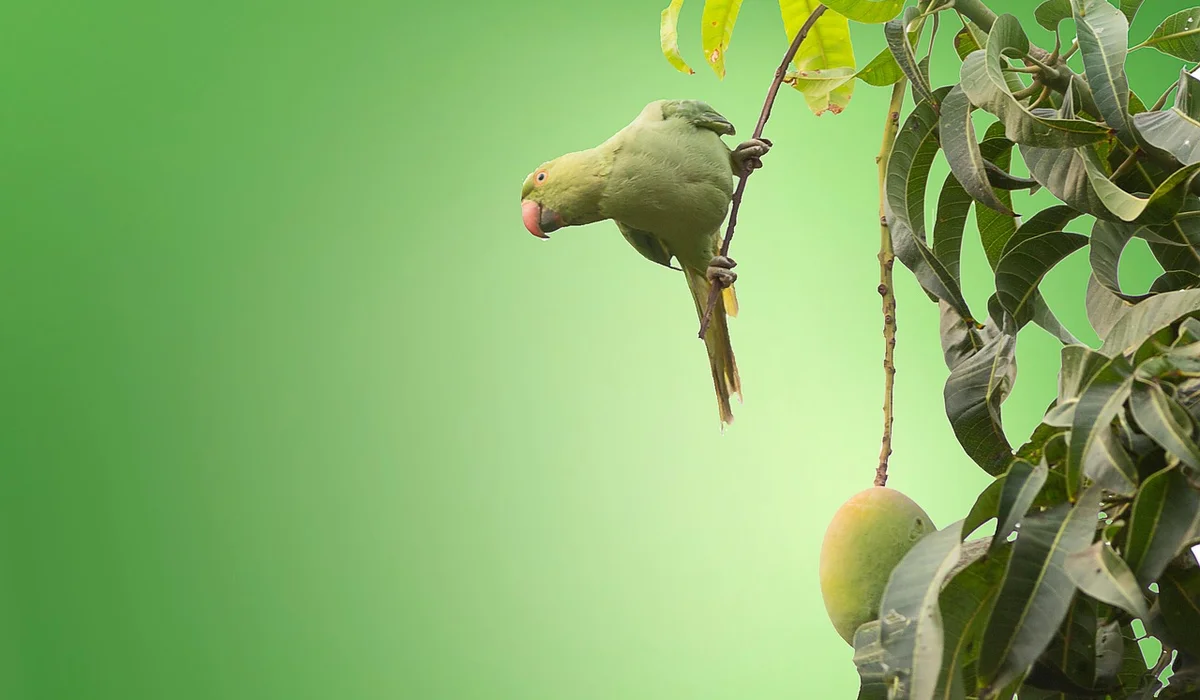
- Rose-ringed Parakeets: These birds are clever and return to favorite spots. Try netting combined with sound deterrents, since they learn to ignore repetitive noises.
- Amazon Parrots: Loud and dominant, they can clear a tree fast. Focus on physical barriers-I’ve found sturdy nets work best, similar to how I secure areas for my pet conures.
Observing their habits lets you match deterrents to their quirks. For instance, if they feed at dawn, set up motion-activated sprinklers to catch them off-guard without harm.
Troubleshooting When Parrots Keep Coming Back
If those pesky parrots won’t stay away, it’s time to tweak your strategy. From my own yard battles, I learned that persistence means they’ve found a reliable food source or a weak spot in your defenses. Also, avoid common parrot feeding mistakes. These missteps can invite more visitors to your yard. Follow these steps to outsmart them:
- Check for overlooked food sources: Fallen fruit or nearby bird feeders can draw them back. Clean up regularly and remove attractions.
- Rotate deterrent methods: Parrots get used to the same tricks. Switch between visual, auditory, and physical barriers every few weeks.
- Inspect barriers for damage: Holes in nets or loose ties give easy access. Do a quick weekly check to ensure everything’s intact.
- Add companion planting: Grow plants like marigolds or herbs around trees-their scents can repel birds naturally.
Staying adaptable is key to long-term success. I once had to combine netting with wind chimes after my initial setup failed, and it finally gave my fruit trees a break.
Linking Wild Parrot Deterrence to Pet Parrot Safety
Keeping wild parrots at bay isn’t just about saving your harvest—it protects your feathered friends indoors too. Predators and pests outside can threaten pet parrots, turning outdoor spaces into danger zones. That’s why keeping wild birds at bay protects both your crops and your own parrots. Wild birds can carry diseases like psittacosis, which might spread to pets through contaminated surfaces or air. My African Grey, Sage, is sensitive to stress, and constant wild parrot chatter outside can make her anxious.
Using humane deterrents reduces risks for everyone. By avoiding poisons or traps, you prevent accidental harm to both wild and pet parrots, supporting overall animal welfare. Recognizing natural predators and other wild threats helps shape safer, humane approaches. Guarding against domestic dangers keeps both wild and pet parrots safe in human spaces. Secure your home’s aviary or play areas to minimize exposure, ensuring your pets stay healthy and calm.
FAQs
How can I tell if my deterrents are causing stress to wild parrots?
Watch for signs like frantic flying, excessive vocalizations, or avoidance of the area, which indicate discomfort. If you notice these, switch to gentler methods like moving visual scares or reducing noise frequency to minimize impact.
What are some low-cost deterrent options for small-scale fruit tree owners?
Hang old CDs or aluminum pie pans to create reflective distractions that parrots find unsettling. You can also mix homemade chili spray with water and dish soap for a cheap, non-toxic repellent that needs reapplying after rain.
How often should I evaluate and adjust my deterrence plan?
Check your strategies every two weeks to see if parrots are adapting or if barriers need repair. Rotate between different deterrent types, like swapping sound devices for visual ones, to keep the birds guessing and maintain effectiveness. Implementing this aligns with the ultimate parrot problem diagnostic guide’s step-by-step troubleshooting checklist. Use it to systematically diagnose issues and apply fixes.
Wrapping Up Your Parrot Protection Plan
To keep wild parrots from your fruit trees, focus on humane methods like installing netting, using reflective tape, and planting decoy trees. These strategies create a safe space for both your garden and local wildlife, something I’ve found essential with my own playful Green-cheeked Conure, Kiwi, who loves exploring outdoors. Consistency and gentle deterrents prevent harm while preserving your harvest.
As a parrot owner, always prioritize learning and adapting your care routines to support your feathered friends’ well-being. Staying informed about pet parrot behavior and environmental impacts helps you make kinder choices, ensuring a happy home for birds like my social Sun Conure, Sunny, and smart African Grey, Sage. Your commitment to responsible ownership makes a world of difference.
Further Reading & Sources
- r/Horticulture on Reddit: Best Method for keeping Birds away from my fruit plants
- Fruit Tree Bird Protection – How To Keep Birds Off Your Fruit Trees | Gardening Know How
- pest control – How do I prevent parrots from snacking on my fruit trees? – Gardening & Landscaping Stack Exchange
Suzanne Levine is a dedicated parrot enthusiast and experienced avian caregiver with over 15 years of hands-on experience in parrot care. As the founder of Parrot Care Central, Suzanne is passionate about sharing her knowledge and insights to help fellow parrot owners provide the best possible care for their feathered friends. Her expertise spans nutrition, behavior, health, and enrichment, making her a trusted resource in the parrot care community.
Bird-proofing Your Home