Is Yogurt Safe for Parrots? What You Should Know
You might be worried that feeding yogurt to your parrot could lead to health issues or digestive troubles, leaving you unsure about this common human food. It’s a valid concern for any caring bird owner who wants to keep their feathered friend happy and healthy.
As someone who’s shared life with parrots like Kiwi, Sunny, and Sage, I’ve learned a lot about their diets through trial and error. I’ll help you make an informed choice by breaking down the essentials into three key points.
- Yogurt can be a safe treat in small amounts if you pick the right type.
- Watch for signs of lactose sensitivity to prevent discomfort.
- Proper serving methods ensure your parrot enjoys it without risks.
You’ll get clear, easy-to-follow advice that puts your mind at ease. This guide covers: yogurt types, serving sizes, health benefits, potential risks, and safe alternatives.
Understanding Parrots and Dairy Digestion
Parrots lack the enzyme lactase needed to properly break down lactose, the sugar found in milk. This makes them naturally lactose intolerant, and their digestive systems aren’t built to process dairy efficiently. A healthy, dairy-free diet supports their digestive health and can contribute to a longer, healthier lifespan. A well-balanced diet is essential for parrots’ longevity and overall well-being.
When a parrot consumes lactose, it travels through their gut undigested. This can lead to fermentation by gut bacteria, causing gas, bloating, and uncomfortable stomach cramps.
I learned this firsthand after my Green-cheeked Conure, Kiwi, snatched a tiny bit of cheese. Within a few hours, he was unusually quiet and had messy droppings, a clear sign his little system was in distress.
Safe Yogurt Types for Parrots
-
Plain, unsweetened yogurt is the only type I ever consider offering. It contains active cultures that have already broken down much of the lactose, making it easier on their stomachs.
-
Greek yogurt can be a good alternative due to its higher protein and even lower lactose content from the straining process. Just double-check the label to ensure it’s plain with no added sweeteners.
-
Flavored yogurts are a definite no-go; they are loaded with sugars, artificial sweeteners, and flavors that are toxic to parrots. These ingredients can lead to obesity, liver problems, and serious health issues.
-
Non-dairy yogurts, like those made from coconut or almond milk, are an interesting option but require careful scrutiny. You must check that they are unsweetened and free from xylitol, a common sweetener that is highly poisonous to birds.
Nutritional Benefits of Yogurt for Birds
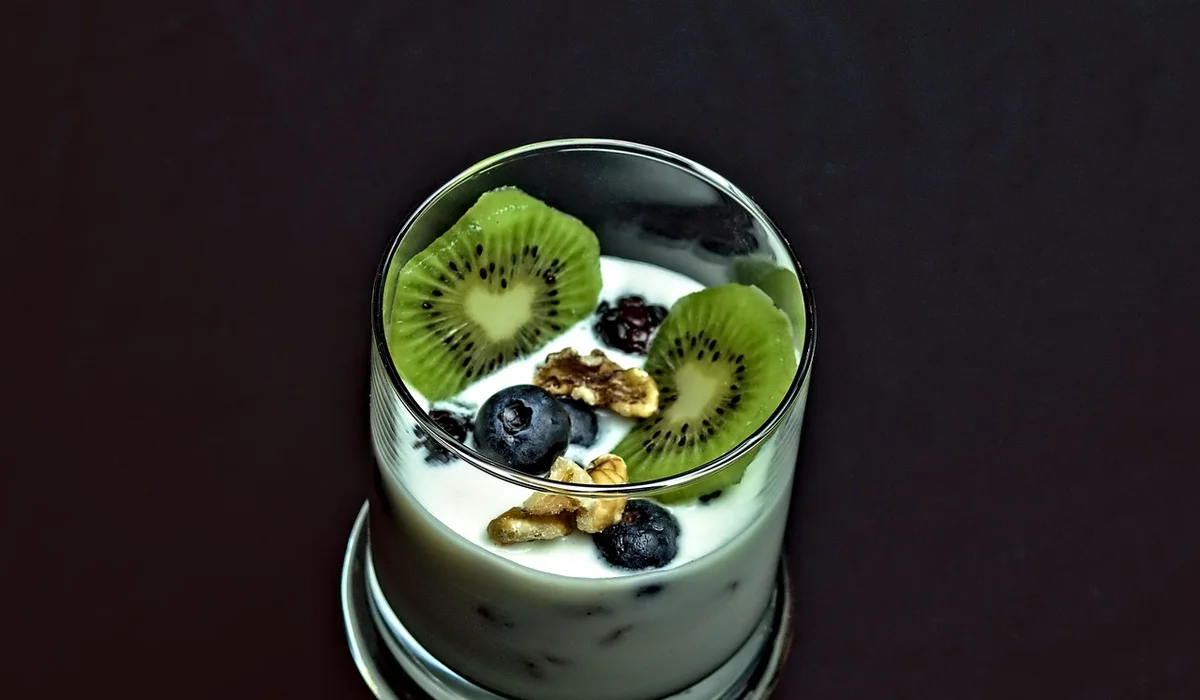
Yogurt’s probiotics work wonders for your parrot’s gut health, helping maintain a balanced digestive system.
I’ve seen my own Green-cheeked Conure, Kiwi, handle new foods better since I occasionally added a tiny yogurt dab to her diet.
- Probiotics support healthy gut flora, aiding digestion and nutrient absorption.
- Calcium strengthens bones and beaks, while protein promotes vibrant feather growth.
- Plain yogurt offers a quick nutrient boost without artificial sugars or flavors.
Think of yogurt as a dietary supplement, not a main course, to keep your bird’s nutrition on track.
Feeding Guidelines and Portion Control
Introducing yogurt slowly prevents digestive upset and lets you monitor your bird’s reaction.
- Start with a tiny smear on a favorite fruit or vegetable once a week.
- For small parrots like conures, offer a pea-sized portion; larger birds like African Greys can have up to a teaspoon.
- Always serve yogurt plain and unsweetened to avoid harmful additives.
Moderation is key-too much yogurt can disrupt their balanced diet and lead to weight gain.
I stick to a bi-weekly treat for my flock to keep their meals varied and nutritious.
Risks and Warning Signs
Not all parrots tolerate dairy well, so watch closely for any negative reactions.
My sun conure, Sunny, once had loose droppings after trying yogurt, so I immediately stopped and consulted my vet.
- Symptoms of intolerance include diarrhea, vomiting, lethargy, or feather puffing.
- Spoiled yogurt with mold or added sugars poses serious health risks like toxicity or digestive blockages.
- If your bird shows adverse signs, remove yogurt from their diet and seek veterinary advice promptly.
Always check yogurt for freshness and ingredients before sharing—your parrot’s safety comes first. Additionally, be mindful of toxic foods for parrots and consult a complete list of items to avoid. Having a reliable guide handy helps prevent dangerous mistakes.
Yogurt Alternatives and Healthy Treats
If yogurt makes you nervous, you have plenty of other fantastic probiotic-rich foods to choose from for your feathered friend. My birds absolutely love fermented vegetables, which are packed with natural, beneficial bacteria.
- Small amounts of unpasteurized sauerkraut or kimchi (rinsed lightly to reduce sodium)
- A few drops of avian-specific probiotic supplements mixed into their water or sprinkled on soft food
- A tiny taste of 100% coconut kefir, which is dairy-free and gentle on their systems
For boosting calcium and protein, nothing beats the power of fresh fruits and vegetables. I make a “power chop” for my flock every morning, and it’s the highlight of their day.
- Calcium Champions: Dark leafy greens like kale and collard greens, steamed broccoli florets, and almonds (sparingly as a special treat).
- Protein Powerhouses: Cooked and cooled lentils, sprouted seeds, and small pieces of hard-boiled egg with the shell crushed on top for extra calcium.
Variety isn’t just the spice of life; it’s the cornerstone of a truly resilient parrot. I rotate my conure Kiwi’s treats weekly to keep her engaged and ensure she gets a wide spectrum of nutrients. I also make homemade parrot food recipes—healthy, nutritious options. They let me tailor meals to Kiwi’s needs.
One week she might get mashed sweet potato, the next she’s exploring pomegranate seeds. This approach prevents picky eating and supports everything from feather quality to immune function. Watching her discover a new food is a joy that never gets old.
Consulting an Avian Veterinarian
Making any significant change to your parrot’s diet warrants a quick chat with your avian vet. This is non-negotiable for me after a scare with my sun conure, Sunny. Following general parrot dietary guidelines—balanced pellets, fresh fruits and vegetables, and limited seeds—helps prevent issues. These guidelines provide a practical foundation for Sunny’s daily meals.
- Seek advice before introducing any new, frequent food item, especially if your bird has a known health condition.
- Consult a professional immediately if you notice any changes in droppings, energy levels, or appetite after a dietary change.
- Always get guidance for birds that are very young, elderly, or recovering from illness.
Every parrot is an individual, and a vet understands the nuances that generic online advice can miss. They consider species, age, current health status, and even personality. That’s why many parrots benefit from an avian specialist who truly understands birds. Avian vets focus on birds, not just general pet care, so they can spot issues unique to parrots.
My African Grey, Sage, needed a different nutritional plan than my boisterous conures. A professional’s input is the single best way to tailor a diet for your specific bird’s long-term vitality. Understanding parrot diet requirements is easier with a species-specific, complete feeding guide that covers essentials. This keeps Sage’s nutrition balanced and aligned with the needs of her species.
I learned the value of this the hard way when I thought my Sage was just being fussy. He started refusing his favorite pellets.
My vet discovered it wasn’t stubbornness but a subtle sign of a vitamin deficiency we were able to correct quickly with a tailored supplement. That experience solidified my rule: when in doubt, pick up the phone and call the expert.
FAQs
Can parrots eat yogurt?
Yes, parrots can eat yogurt in very small amounts as an occasional treat. Always choose plain, unsweetened varieties to avoid harmful additives. In the wild, parrots mostly eat seeds, fruits, and nuts, so dairy treats are not typical. You can learn more about what parrots eat in the wild by visiting the page on what they eat. For pet parrots, a tiny yogurt serving can be offered occasionally if desired.
Is yogurt safe for parrots?
Yogurt is generally safe if given in moderation and monitored for any adverse reactions. However, parrots are lactose intolerant, so watch for digestive issues like loose droppings. This also ties into the broader topic of dairy concerns for parrots. In practice, dairy items like cheese should be offered sparingly or avoided to minimize lactose-related discomfort.
Can yogurt cause allergies in parrots?
While true allergies are rare, yogurt can trigger lactose intolerance symptoms such as diarrhea or lethargy. Discontinue use and consult a vet if you notice any unusual signs after feeding.
How much yogurt can a parrot eat?
Limit yogurt to tiny portions, such as a pea-sized amount for small birds or up to a teaspoon for larger parrots. Overfeeding can lead to weight gain and nutritional imbalances.
Are there non-dairy yogurt options for parrots?
Yes, non-dairy yogurts like coconut or almond-based can be safe alternatives if unsweetened and free from xylitol. Always check labels to ensure they contain no harmful ingredients.
Final Thoughts
In short, a tiny taste of plain, unsweetened yogurt can be a safe, occasional treat for many parrots, offering a probiotic boost. Always introduce any new food slowly, watch for any digestive upset, and remember that treats should never make up more than a small fraction of their balanced, species-appropriate diet. For Quaker parrots, safe foods include fresh vegetables, leafy greens, fruits, and cooked grains. Yogurt should remain a rare, very small treat, not a staple in their diet.
Being a great parrot guardian means staying curious and committed to learning, as our understanding of avian nutrition is always evolving. Your careful attention to their diet is one of the most powerful ways you can show your feathered friend how much you truly care for their lifelong health and happiness. It’s part of choosing to be a responsible parrot guardian.
Further Reading & Sources
- r/parrots on Reddit: Getting a bird to eat yogurt
- is Greek yogurt safe for parrots? | Parrot Forum 🦜 Parrot Owners Community
- Can Parrots Eat Yogurt? (Is Yogurt Safe For Parrots?) – Parrot Website
Suzanne Levine is a dedicated parrot enthusiast and experienced avian caregiver with over 15 years of hands-on experience in parrot care. As the founder of Parrot Care Central, Suzanne is passionate about sharing her knowledge and insights to help fellow parrot owners provide the best possible care for their feathered friends. Her expertise spans nutrition, behavior, health, and enrichment, making her a trusted resource in the parrot care community.
Nutrition