
How Parrots Reproduce and Give Birth
Ever found yourself puzzled by how parrots bring new life into the world, especially if you’re worried about their unique egg-laying process or potential breeding challenges? I’ve been there too, watching my own parrots like Kiwi and Sage navigate their natural cycles.
I’m here to guide you through it all, sharing insights from years of hands-on experience to ease your concerns. You’ll walk away with a clear picture of parrot reproduction, including:
- How parrots select mates and engage in courtship behaviors
- The steps from egg laying to hatching and parental care
- Common health issues and how to support breeding pairs safely
Rest easy-you’ll get straightforward, actionable advice that’s rooted in real-life observations. Topics covered: mating rituals, egg development, incubation periods, hatching process, chick rearing, and breeding best practices.
The Mating Game: Courtship and Pair Bonding in Parrots
Courtship Behaviors to Watch For
You’ll notice your birds start acting differently when the mood strikes. My Green-cheeked Conure, Kiwi, gets incredibly chatty and starts doing this little head-bobbing dance. Regurgitating food for their chosen mate is a huge sign of parrot affection. It might look gross to us, but it’s their way of saying, “I care for you.” Sometimes regurgitation isn’t affection—it can signal stress or a health issue. If it happens often or with other symptoms, check with an avian vet.
- Increased vocalizations, like soft chattering or contact calls
- Preening each other’s feathers, especially around the head and neck
- Dilated pupils and a general “fluffed up” appearance
- Offering food from their own beak
- Wing flapping or drooping to get attention
My Sun Conure, Sunny, turns into a complete clown, hanging upside down and flashing all his bright yellow and orange feathers. These courtship rituals are essential for strengthening the bond between the pair. It’s their unique language of love.
Why Parrots Form Lifelong Bonds
In the wild, raising chicks is a massive team effort. It takes two dedicated parents to protect the nest, find food, and teach the babies how to survive. This intense parental investment is a primary reason many parrot species mate for life. They find a reliable partner and stick with them. In the wild, survival hinges on these cooperative behaviors. Parrots rely on teamwork [here](https://parrotcarecentral.com:/wild-parrot-survival-and-behavior) to forage, defend nests, and raise young.
I’ve seen this loyalty firsthand with my African Grey, Sage. She chose my husband as her person years ago and her devotion has never wavered. A strong pair bond provides parrots with emotional security and stability, which reduces stress and promotes overall well-being. Breaking up a bonded pair can cause them genuine psychological distress. When a bond is lost, or a mate passes away, grieving parrots can benefit from patient, steady caregiving. For more insights on how to help them heal, check out When a bond is lost. With gentle enrichment, predictable routines, and supportive companionship, they can gradually heal and regain emotional balance.
Their intelligence plays a huge role, too. They are capable of deep social connections and recognize their partner as an individual. This isn’t just instinct; it’s a conscious choice for companionship and cooperation.
From Mating to Eggs: The Fertilization and Laying Process
How Eggs Develop Inside Your Parrot
The journey from mating to that first egg is a fascinating biological process. After successful mating, the female’s body goes into overdrive. The yolk forms first inside her ovary and is released into the oviduct, where fertilization happens if sperm is present.
Think of the oviduct as a tiny, specialized factory. As the yolk travels down, layers of egg white (albumen) form around it for cushioning and nutrition. The shell membrane is added next, followed by the hard, protective calcium carbonate shell. This entire process can take about 24-48 hours for each egg.
You’ll notice physical changes in your hen. She’ll start eating more, especially calcium-rich foods like cuttlebone, to support shell production. A healthy diet is absolutely critical during this time to prevent issues like egg binding, where an egg gets stuck. I always make sure my birds have access to premium pellets, fresh veggies, and a constant supply of calcium.
Creating a Safe Nesting Environment
If you’re encouraging breeding, providing the right setup is non-negotiable for the health of your birds and their future chicks. Your first step is choosing an appropriate nesting box that makes your parrot feel secure. When you make nesting boxes for parrots, choose safe, untreated materials and a design that’s easy to clean. Then tailor the box’s size and entrance hole to your parrot’s species—the fit is essential for comfort and safety.
- Select a sturdy wooden box placed high up in a quiet corner of the cage or aviary.
- Fill the bottom with a deep layer of safe, chewable nesting material like pine shavings or shredded paper.
- Ensure the area is dimly lit and free from loud noises and sudden disturbances.
- Maintain a consistent, draft-free environment with stable temperature and humidity.
I learned this lesson with Kiwi; she refused to even look at a box that was too exposed. A stressed parrot is unlikely to lay eggs or may abandon the nest, so patience and the right environment are everything. A calm, patient approach can help a scared, stressed parrot relax and begin to trust you. For more tips, check out A calm, patient approach. Always prioritize the welfare of your animals above the desire for babies.
Incubation and Brooding: The Wait for Hatchlings
Parental Roles During Incubation
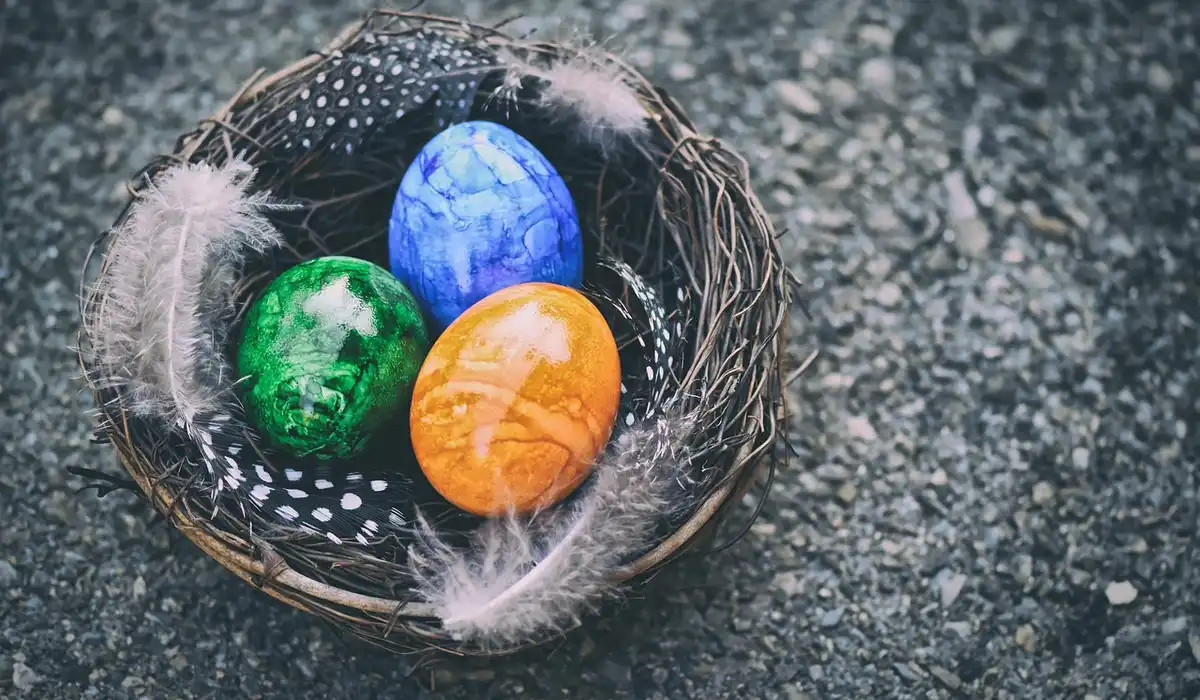
Once the eggs are laid, the real teamwork begins. In most parrot species, both parents take turns sitting on the eggs to keep them warm and protected. The female often handles the night shift, while the male stands guard and brings her food. From my experience with Kiwi, my Green-cheeked Conure, I’ve seen this shared dedication firsthand-it’s a beautiful, coordinated effort.
- The female typically incubates the eggs through the night.
- The male provides food and stands watch for predators.
- Parents rotate shifts to ensure the eggs stay at a constant, warm temperature.
- They gently turn the eggs several times a day to prevent the embryo from sticking.
Common Incubation Challenges
Not every egg has a smooth journey to hatching. Infertile eggs are a common issue, where no embryo develops despite the parents’ care. Temperature fluctuations can also pose a risk, especially if the nest box gets too cold or hot. I remember one season with Sunny, my Sun Conure, where a drafty spot near the cage led to a clutch failing-it was a tough lesson in environmental control.
- Infertility, often due to age or health issues in the parents.
- Egg binding, where a female struggles to lay an egg, requiring urgent vet care.
- Abandonment if the parents feel stressed or threatened.
- Fungal or bacterial infections from a dirty nesting area.
Hatching and Newborn Chicks: The First Days
What to Expect When Chicks Hatch
Hatching is a slow, exhausting process for the chick. Newborn parrots, called hatchlings, are blind, nearly featherless, and completely dependent on their parents. They use a special “egg tooth” on their beak to pip, or break, the shell, which can take hours or even a full day. When Sage, my African Grey, had chicks, I was amazed by their tiny, helpless appearance-just pink skin and a strong will to survive.
- Chicks are altricial, meaning they’re born underdeveloped.
- They rely on parents for warmth, food, and protection.
- Initial weight is very low, but they grow rapidly with proper care.
- Eyes remain closed for the first week or two after hatching.
Feeding and Warmth for Newborns
Parent parrots produce a special substance called crop milk to nourish their young. This regurgitated food is packed with nutrients and antibodies, giving chicks a healthy start. Warmth is equally critical, as hatchlings can’t regulate their own body temperature. I’ve learned to monitor the nest box closely, ensuring it stays around 95°F (35°C) to mimic the parents’ natural brooding. In a home with pet parrots, the ideal ambient temperature is a stable, comfortable range—roughly 65–80°F (18–27°C), depending on the species. Maintaining that steady climate helps keep their health and behavior balanced.
- Parents feed chicks crop milk every few hours, day and night.
- Chicks huddle together for shared body heat if multiple are present.
- Nest bedding should be clean and dry to prevent chilling or illness.
- Human intervention is rarely needed unless a chick is rejected or weak.
Chick Development: Growth and Weaning Stages
Milestones in Chick Growth
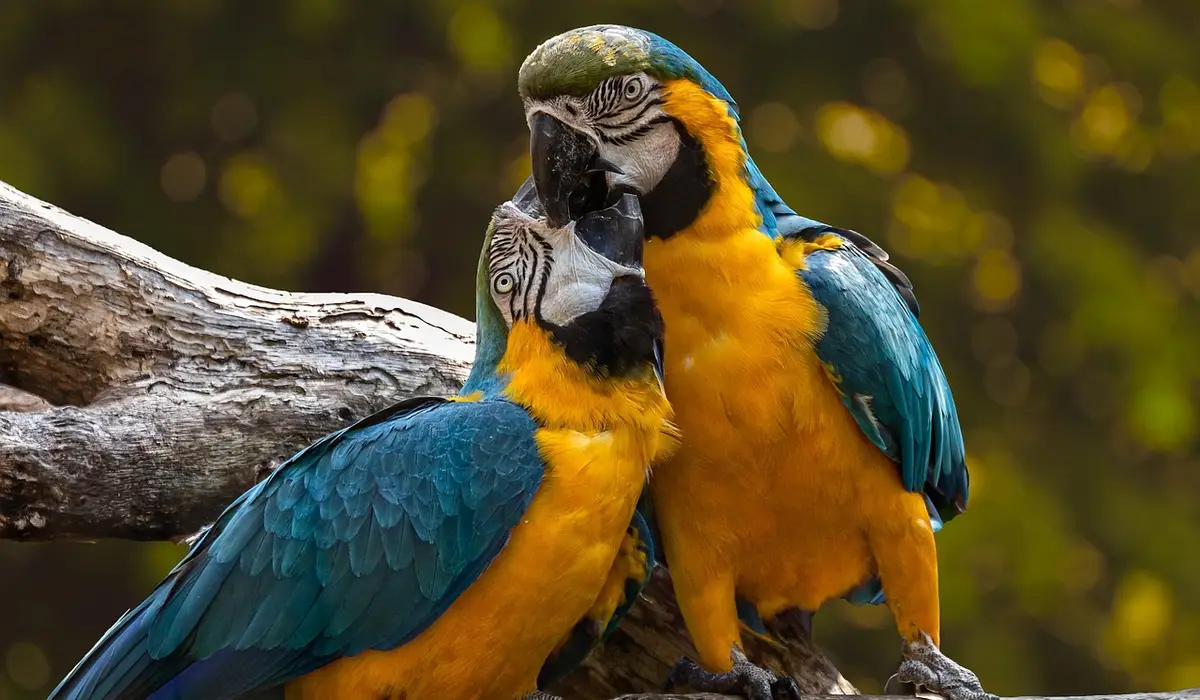
Watching a parrot chick grow is a whirlwind of change. In my years of hand-raising chicks like my conure Kiwi, I’ve seen them transform from helpless hatchlings into feisty fledglings in just weeks.
Here’s a typical growth timeline:
- Week 1-2: The chick is mostly naked and blind, relying completely on parents or a caretaker for warmth and food. Its eyes begin to open around 10-14 days.
- Week 3-4: Pin feathers emerge, looking like tiny blue or white tubes. The chick becomes more active and may start to make soft chirps.
- Week 5-7: This is the “exploding pin feather” stage! The sheath-covered feathers burst open to reveal their colors. The chick begins to stand and explore the nest.
- Week 8+: Fledging happens! The chick leaves the nest, clumsily flapping its wings and learning to perch. Its adult plumage is nearly fully developed.
Weaning and Independence
Weaning is a delicate dance, not a race. Pushing a chick to wean too fast can lead to lifelong behavioral and health problems, something I learned the hard way with my first clutch.
Signs your chick is ready to wean include:
- Playing with solid food, even if it’s just tossing it around.
- Showing less interest in syringe or spoon feeds.
- Consistently eating a small amount of pellets or softened seeds on its own.
The process should be gradual. Offer a variety of healthy weaning foods like cooked quinoa, mashed sweet potato, and high-quality pellets softened with water. Always ensure fresh water is available, as this is when they learn to drink on their own. Patience is your greatest tool here.
Breeding Parrots Responsibly: Pet Owner Insights
Signs of Breeding Complications
Breeding isn’t always smooth. Knowing the red flags can save a bird’s life. I’ve had to intervene during egg-binding with a rescue hen, a terrifying experience that solidified my commitment to preventative care.
Watch for these critical warning signs:
- Egg Binding: A hen straining for hours without passing an egg, sitting fluffed on the cage floor, or showing labored breathing. This is a medical emergency.
- Chronic Egg Laying: A hen laying clutch after clutch depletes her calcium reserves, leading to brittle bones and severe illness.
- Parental Neglect or Aggression: Parents refusing to feed chicks or, worse, attacking them. You must be ready to step in as a foster parent.
- Failure to Thrive: A chick that isn’t gaining weight, feels cold, or is consistently pushed away from feedings.
Ethical Breeding and Animal Welfare
True love for these animals means putting their welfare above all else. Breeding parrots ethically requires a level of commitment that goes far beyond just pairing two birds together. Health considerations are central to these choices. Many argue that adopted parrots are healthier than bred parrots, because their medical histories are known and they avoid some hereditary issues, though outcomes vary.
Responsible breeding means:
- Having vetted homes lined up for every potential chick before you even have eggs.
- Ensuring you have the time, space, and financial resources for vet care, proper diet, and potential hand-rearing.
- Never breeding from birds with known genetic or behavioral issues.
- Understanding that for every bird you bring into the world, one in a rescue may lose its chance at a home.
I firmly believe that for most pet owners, the most ethical choice is to enjoy the parrot you have. The sheer number of unwanted parrots in rescues is a heartbreaking testament to irresponsible practices. Ethical care also means weighing parrot breeding and adoption ethics and considering animal welfare at every step. Adoption from rescues can spare parrots from uncertainty and help reduce demand on breeders. Breeding should only be undertaken to improve the species and with the absolute best interests of the birds at heart.
FAQs
How do parrots reproduce?
Parrots reproduce through sexual reproduction, where a male and female engage in mating after courtship rituals. The female then lays fertilized eggs that are incubated until they hatch.
What is the parrot reproduction process?
The parrot reproduction process includes pair bonding, courtship displays, copulation, egg development, and parental care. It culminates in the female laying eggs, which both parents often help incubate and raise the resulting chicks.
How do parrot fish reproduce?
Parrot fish are a type of marine fish and reproduce differently from birds, typically through spawning where eggs and sperm are released into the water. This process is unrelated to parrot bird reproduction and involves external fertilization in aquatic environments.
Final Thoughts
Successfully managing your parrot’s reproductive health means providing a stable environment, a balanced diet, and regular veterinary check-ups to prevent egg-binding and other complications. Remember, breeding requires immense commitment and knowledge, so always prioritize the well-being of your existing feathered family. As part of a preventative care guide, annual vet check-ups are essential to catch issues early and tailor care. Regular exams help safeguard your parrot’s long-term health.
Being a parrot guardian is a lifelong journey of learning and adaptation. Continue to educate yourself about their complex needs and advocate for their welfare, ensuring every parrot has the chance to thrive in a loving, informed home. Learn about what pet parrots can learn and do.
Further Reading & Sources
- How Parrots Mate
- Course 17: Parrot Reproduction Info – Lafeber® Pet Birds
- How Do Parrots Mate and Reproduce? Vet-Reviewed Science & Facts! | PangoVet Pet Corner
Suzanne Levine is a dedicated parrot enthusiast and experienced avian caregiver with over 15 years of hands-on experience in parrot care. As the founder of Parrot Care Central, Suzanne is passionate about sharing her knowledge and insights to help fellow parrot owners provide the best possible care for their feathered friends. Her expertise spans nutrition, behavior, health, and enrichment, making her a trusted resource in the parrot care community.
Mating Behavior