
What Are the Best Practices for Road Trips with Parrots?
Published on: May 14, 2026 | Last Updated: May 14, 2026
Written By: Suzanne Levine
Hitting the road with your parrot can spark worries about their stress, safety, and health while traveling.
I’ve navigated countless trips with my own flock-Kiwi the playful Green-cheeked Conure, Sunny the affectionate Sun Conure, and Sage the calm African Grey-so I understand your concerns and am here to guide you through it step by step.
You’ll gain practical insights from my hands-on experience, focusing on three core areas:
- Securing your parrot’s safety with the right travel gear and setup.
- Reducing stress through familiar routines and comfort items.
- Keeping your feathered friend healthy with proper food, water, and breaks.
Expect straightforward advice that puts your parrot’s well-being first. We’ll cover pre-trip planning, carrier selection, in-car safety, feeding routines, health checks, and handling emergencies. These are essential steps for traveling with your parrot. They help ensure safety and comfort on the road.
What Is a Parrot Road Trip All About?
A parrot road trip is more than just a drive; it’s a shared adventure where your feathered friend joins you for the ride. This experience builds incredible trust and enriches your parrot’s life with new sights and sounds.
I’ve found these journeys create a unique bond, turning a simple trip into a memorable exploration for both of you.
- Definition: Traveling with your parrot in a vehicle, whether for a short day trip or a multi-day vacation.
- Key Benefits: Deepens your bond, provides mental stimulation, and allows your parrot to be part of your life away from home.
- Common Challenges: Managing stress, ensuring safety, and maintaining a stable environment on the move.
My Green-cheeked Conure, Kiwi, absolutely thrives on these outings. His playful curiosity kicks into high gear watching the world zoom by. Seeing him so engaged reminds me how much parrots enjoy novel experiences when they feel secure.
But it’s not always smooth sailing. My Sun Conure, Sunny, needs constant reassurance and can get noisy if he feels ignored. Every parrot has a unique personality, and a successful trip hinges on respecting their individual comfort levels. That includes building confidence in shy, traumatized parrots through gradual exposure and positive reinforcement. With patience and gentle handling, Sunny’s trust and comfort grow over time.
Pre-Trip Prep: Planning for a Smooth Journey
Proper planning transforms a potentially stressful ordeal into a fun excursion. Taking the time to prepare properly is the single most important factor for a good trip.
I never hit the road without a detailed checklist. It saves me from last-minute panic and keeps my parrots calm.
- Route Mapping: Plan stops every 2-3 hours at quiet, safe locations for water and a quick stretch.
- Veterinary Check-up: Schedule a wellness visit shortly before departure.
- Microchipping: Ensure your contact info is current in the microchip registry-a vital safety net.
- Permits & Documentation: Research and secure any required interstate or international travel permits.
- Acclimation Training: Spend weeks getting your parrot comfortable with their travel carrier and harness.
Health Checks and Vet Paperwork
A clean bill of health is non-negotiable for travel. This visit isn’t just a formality; it’s a proactive step to catch any underlying issues that travel stress could exacerbate.
My vet knows my birds well and helps me prepare a travel health kit. Here’s what you need:
- A recent Avian Health Certificate, often required for crossing state lines.
- Proof of relevant vaccinations, if applicable to your species and destination.
- A small supply of any regular medications.
- A list of emergency avian vets along your route and at your destination.
I always keep a digital and a physical copy of all paperwork. Having your vet’s emergency number and an approved list of medications on hand provides immense peace of mind.
Acclimating Your Parrot to Travel
Rushing this process is a recipe for a terrified bird. Gradual, positive exposure is the golden rule for acclimating any parrot to new experiences.
I start by making the carrier a fun, familiar space inside our home long before any trip.
- Place the open carrier in their play area with favorite toys and treats inside.
- Once they enter willingly, practice closing the door for short periods while you’re nearby.
- Carry them in the secured carrier around the house to simulate movement.
- Begin with very short, 5-minute car rides around the neighborhood.
- Gradually increase ride duration, always ending on a positive note with praise and a treat.
Kiwi now sees his carrier and gets excited, associating it with adventure. This positive conditioning takes patience, but it pays off with a calm, confident travel companion.
Must-Have Gear for Parrot Travel
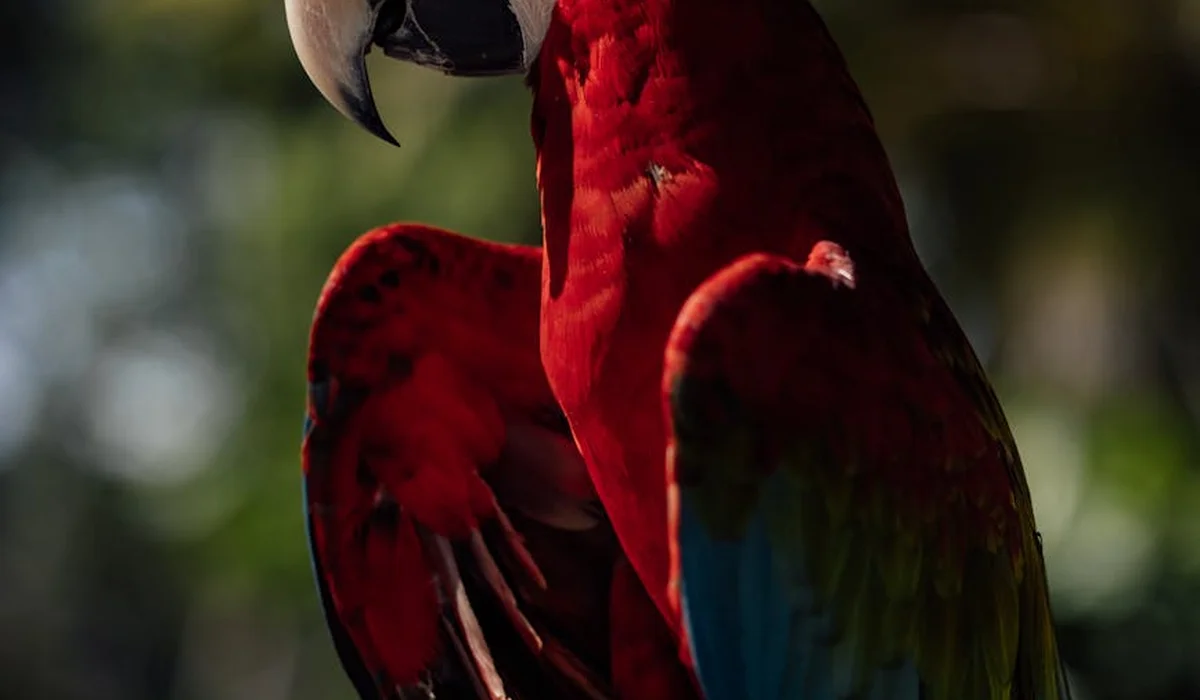
Packing the right gear makes all the difference for a smooth journey with your feathered friend. I always start with a checklist that covers travel cages, hydration tools, safe snacks, and weather protection items to keep my parrots secure and content. From my road trips with Kiwi and Sunny, I’ve learned that being prepared prevents stress for both of us. I also verify health certificates and travel documents for my parrot before departure, since many destinations require them. Keeping those ready helps prevent last-minute delays. Here’s a quick list of essentials:
- Travel cage or carrier with secure locks
- Portable water dispenser or spill-proof bowls
- Healthy, non-messy snacks like chopped veggies
- Lightweight cover for sun or drafts
- First-aid kit with bird-safe supplies
Choosing the Right Travel Cage or Carrier
Selecting a cage that balances ventilation, security, and size is key to your parrot’s comfort. I prefer carriers with wire mesh sides for airflow and a solid base to reduce swaying, which helps prevent motion sickness in sensitive birds like Sage. My African Grey, Sage, travels best in a crate that’s just roomy enough for her to turn around but not so large she gets tossed during bumps. Keep in mind that parrot housing cage requirements vary by species and size. Choose a cage that gives enough space to turn around and stretch, but isn’t so large it risks injury during sudden stops. Look for models with easy-to-clean trays and double-latch doors to avoid escapes. Avoid overly spacious carriers; they can lead to injury if your parrot slides around during sudden stops.
Snacks and Hydration on the Go
Keeping your parrot hydrated and nourished on the road requires simple, safe choices. I pack bite-sized treats like apple slices or unsalted nuts for Kiwi, as they’re easy to eat without creating a mess in the car. For hydration, I use clip-on water bottles that attach to the cage bars, and I offer sips during rest stops to encourage drinking. Steer clear of watery fruits that could cause spills, and always have a backup water source in case of delays. From experience, I’ve found that offering snacks every few hours helps maintain energy and reduces anxiety. These road-side choices reflect general parrot dietary guidelines that favor a varied, portion-controlled mix of fresh produce, pellets, and occasional healthy treats. It’s also important to minimize salty or sugary items and keep fresh water available at all times.
Health and Safety on the Road
Protecting your parrot from road hazards starts with proactive measures for temperature, noise, and breaks. I monitor the car’s climate closely, as parrots like Sunny can overheat quickly in direct sun or shiver in cold drafts. Regular stops every 1-2 hours allow for stretching and reassurance, which I’ve seen calm even the most nervous birds. Focus on these areas to ensure a safe trip:
- Heat and cold safety with temperature checks
- Sun exposure control using window shades
- Noise management with soft music or quiet periods
- Comfort breaks for feeding and interaction
Managing Temperature and Weather
Maintaining a stable car environment is crucial to prevent heatstroke or chilling in parrots. I keep a small thermometer in the carrier and adjust the AC or heat to stay between 65-80°F, a range that works well for all my birds. This aligns with the ideal temperature range recommended for pet parrots. Keeping within it helps minimize stress and health risks during travel. On sunny days, I use sunshades on windows and bring along familiar toys to distract Kiwi from any stress. If it’s cold, I add a light blanket over part of the cage—but never fully cover it, as good airflow is vital. From my drives with Sage, I’ve learned that sudden temperature swings can trigger anxiety, so gradual adjustments are best.
Behavior and Stress Reduction
Reducing stress and motion sickness involves creating a calm, predictable atmosphere in the vehicle. I play soft, familiar music or talk to my parrots in a soothing voice to mimic home routines, which helps ease their nerves during long drives. For motion sickness, I avoid feeding large meals right before travel and offer ginger-infused treats, as they’ve helped Sunny settle on winding roads. Keep the car interior quiet and avoid sudden movements; I’ve found that covering the carrier partially during high-stress moments, like highway merges, can make a big difference. Regular, gentle interactions during breaks reinforce trust and keep behavior steady.
Finding Parrot-Friendly Stops and Accommodations
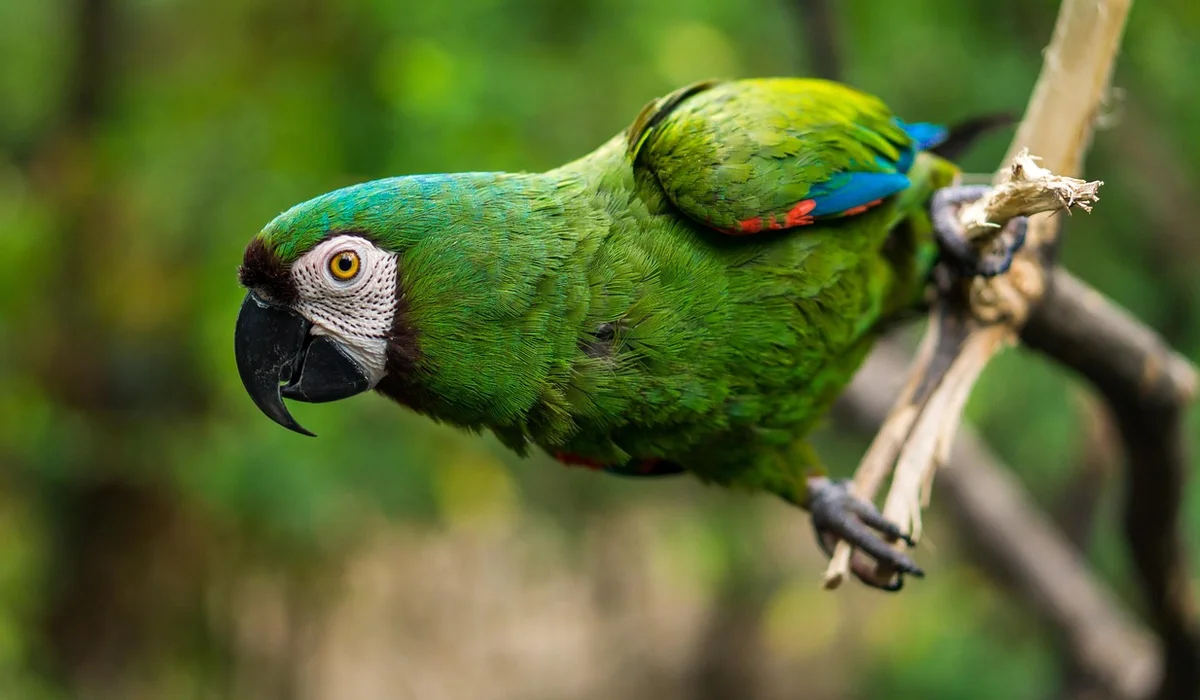
I learned the hard way that not every “pet-friendly” hotel actually means “parrot-friendly.” Always call ahead and explicitly confirm they allow birds, not just cats or dogs, to avoid a stressful situation at check-in.
I now use a simple three-step system for every trip. First, I book accommodations that explicitly list “birds” or “parrots” in their pet policy online. Second, I call the front desk directly to reconfirm. Third, I ask specific questions about extra fees and room location to ensure a quiet space for my flock.
- Choose hotels with interior corridors to minimize noise from outside traffic and slamming doors.
- Look for lodgings with windows that open for fresh air, provided your parrot’s travel cage is secure and away from the opening.
- Scope out rest areas with shaded picnic tables away from the main parking lot for a calmer pit stop.
- Always perform a quick room scan for potential hazards like ceiling fans, open toilet bowls, or toxic cleaning supply odors before letting your parrot out.
My green-cheek, Kiwi, gets overwhelmed easily, so I always hang a “Do Not Disturb” sign and inform housekeeping we have a bird to prevent unexpected knocks. A little upfront communication prevents a lot of mid-trip panic for both you and your feathered friend.
Emergency Planning for Unforeseen Events
During a sudden highway closure, I realized my emergency plan was incomplete. A true emergency plan isn’t just a thought; it’s a physical, portable kit and a clear set of instructions.
Your parrot’s safety hinges on three pillars: identification, medical readiness, and knowing when to act.
Proper Identification is Non-Negotiable
If your parrot gets lost, a leg band is hard to read from a distance. I have all my birds microchipped and use secure, labeled travel cages with my phone number in large, bold print. I also keep recent photos on my phone to show people quickly.
Assemble a Parrot-Specific First-Aid Kit
A human first-aid kit won’t cut it. My travel kit includes:
- Styptic powder to stop a bleeding nail or feather.
- Saline solution for flushing eyes or wounds.
- Self-cling bandage wrap that doesn’t stick to feathers.
- A small towel for safe restraint.
- The phone numbers for my regular vet and the ASPCA Animal Poison Control Center (888-426-4435).
Recognize When to Seek Professional Help
Trust your gut. If your parrot is lethargic, not eating, having trouble breathing, or has any significant injury, find the nearest avian vet immediately. In a home-first-aid emergency, stay calm, keep your bird warm and quiet, and prepare a safe carrier while you arrange transport to the vet. I use a vet-finder app to locate clinics along my route before I even leave home. Don’t wait to see if they “snap out of it” – birds hide illness until they are very, very sick.
FAQs
What are the best destinations for a parrot road trip?
Ideal destinations are quiet, nature-focused spots like national parks or bird-safe beaches that minimize noise and stress. Always research pet policies and avoid crowded areas to ensure a calm, enriching experience for your parrot.
How long can a parrot ride in a car comfortably?
Most parrots can travel comfortably for 2-3 hours at a time before needing a break for hydration and movement. Keep in mind that a parrot should not go long without food or water. Even on longer trips, provide drinking water and a small snack at regular intervals. Schedule regular stops to prevent fatigue and keep your bird content during longer journeys.
How to train a parrot to be calm in the car?
Begin with brief, positive car rides and slowly extend the time while offering treats and praise for calm behavior. Consistency and familiar items, like a favorite toy, help build confidence and reduce anxiety over trips.
In Closing
From my years traveling with Kiwi, my playful Green-cheeked Conure, I’ve found that securing a comfortable carrier, packing familiar toys, and planning regular stops for hydration and exercise make all the difference. Always prioritize your parrot’s safety by never leaving them alone in a vehicle and keeping their environment stress-free. At home, focus on creating a safe, stimulating indoor flight environment for your parrot. Clear the space of hazards, secure windows, and offer supervised flight time with enriching toys.
Responsible pet ownership means adapting to your bird’s needs and staying curious about new care techniques. Keep learning and sharing experiences to ensure your feathered friend thrives on every adventure.
Further Reading & Sources
- 6 Tips For Safe, Stress-free Car Travel With Your Bird
- Birds in the Backseat: Parrot Travel Made Easy
- Travel safely with your Pet Bird – Long Island Parrot Society
Suzanne Levine is a dedicated parrot enthusiast and experienced avian caregiver with over 15 years of hands-on experience in parrot care. As the founder of Parrot Care Central, Suzanne is passionate about sharing her knowledge and insights to help fellow parrot owners provide the best possible care for their feathered friends. Her expertise spans nutrition, behavior, health, and enrichment, making her a trusted resource in the parrot care community.
Travelling with Parrots