
Why Do Parrots Regurgitate? Affection or Health Issue?
Watching your parrot regurgitate can leave you puzzled and worried-is this a loving gesture or a hidden health problem?
I’ve been through this myself with my green-cheeked conure, Kiwi, and I’m here to guide you through the signs and solutions.
You’ll learn the key differences with these takeaways:
- Spot the affectionate cues that show your parrot’s bond with you.
- Recognize red flags that signal it’s time for a vet visit.
- Get simple steps to ensure your feathered friend stays healthy and happy.
This article gives you straightforward advice on: Affectionate Behavior, Health Warning Signs, When to See a Vet, Home Care Tips, Diet and Environment Fixes.
What Is Parrot Regurgitation Really About?
Regurgitation is your parrot gently bringing food back up from their crop, while vomiting is a forceful, sickly expulsion from their stomach.
Think of regurgitation like a carefully packed lunchbox, and vomiting like a sudden, messy spill-one is intentional, the other is a sign of distress.
The physical process starts in their crop, a special food storage pouch in their throat; it’s a controlled muscle movement, not a violent heave.
I first saw my Green-cheeked Conure, Kiwi, bobbing his head and offering me a bit of seed; I was confused, thinking he was choking before I learned this was his sweet way of saying, “You’re my favorite person.”
Common Causes Behind Parrot Regurgitation
- Affection and bonding: Your parrot might see you as their mate or flock member and offer you food as a loving gesture.
- Health issues: Infections, blockages, or organ problems can trigger regurgitation, especially if paired with lethargy or weight loss.
- Stress: Loud noises, new environments, or changes in routine can upset their digestive system, leading to this behavior.
- Diet: Eating spoiled food or something toxic can cause irritation, making them bring it back up.
- Hormonal instincts kick in during breeding season, driving them to “feed” their perceived partners or favorite toys.
- Medical triggers include yeast infections in the crop or foreign objects stuck in their throat, which need a vet’s attention fast.
Factors like molting can increase regurgitation as their body redirects energy, and boredom might lead them to do it for attention or self-soothing.
Affectionate Regurgitation: Bonding and Hormonal Behavior
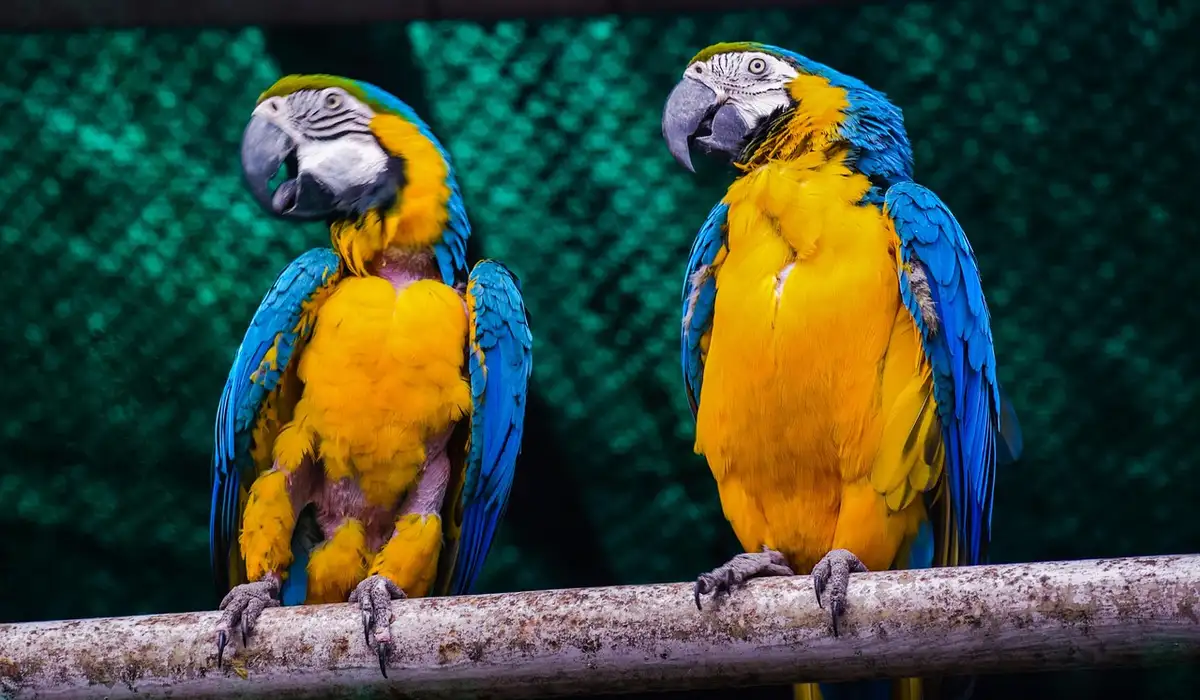
My Green-cheeked Conure, Kiwi, often bobs his head and brings up a little food for me. This courtship feeding is a deeply ingrained social ritual parrots use to strengthen pair bonds. In the wild, mates share pre-digested meals to ensure both partners stay nourished during nesting season.
When your parrot does this for you, they are essentially saying you are their chosen flock member. Regurgitation is one of the highest compliments a parrot can pay, placing you squarely in their inner circle of trust and affection. My Sun Conure, Sunny, gets especially chatty and follows me around right before this behavior, showing it’s a deliberate act of love.
Recognizing healthy affectionate signs is key. Look for these positive body language cues:
- Soft, relaxed eyes (often called “eye pinning”)
- A calm, slightly puffed-up posture
- Gentle head bobbing without distress
- The behavior is typically directed at a specific person or favorite toy
Health-Related Regurgitation: Warning Signs and Medical Issues
Not all regurgitation is a love letter. When regurgitation is a health symptom, it’s often accompanied by other worrying signs that are hard to miss. I learned this the hard way when one of my first birds kept bringing up food due to a crop infection.
Several serious conditions can cause this problem:
- Infections: Bacterial or fungal issues in the crop or digestive tract.
- Parasites: Internal parasites like giardia can irritate the system.
- Nutrition Problems: An all-seed diet lacks vital nutrients and can lead to issues.
- Toxic Ingestion: Chewing on something poisonous like zinc from a cage toy.
You need to visit an avian vet immediately if you notice any of these red flags:
- Regurgitation is frequent and projectile, not a gentle head bob
- Your parrot seems lethargic, fluffed up, or is losing weight
- You see undigested seed in the vomit, not a mushy consistency
- There’s a change in their droppings or a lack of droppings
- They show signs of respiratory distress like tail bobbing
Monitoring your parrot’s health starts with their home environment. Keep a close watch on their food intake and weight, as sudden changes are often the first clue something is wrong. I weigh my birds weekly with a small gram scale. This is a key part of weight management and obesity prevention. Keeping weight within healthy ranges supports overall vitality.
Follow these steps for a healthy cage setup:
- Provide a balanced pelleted diet, not just seeds.
- Offer fresh vegetables and a limited amount of fruit daily.
- Ensure food and water dishes are cleaned thoroughly every single day.
- Check that cage bars and toys are made of safe, non-toxic materials.
- Observe their droppings each morning for any changes in color or texture.
How to Tell If It’s Affection or a Health Problem
| Affection Indicators | Health Problem Signs |
|---|---|
| Head bobbing with a relaxed posture | Lethargy or unusual stillness |
| Occurs during bonding moments, like when you talk to them | Happens frequently, even when alone |
| No other symptoms; parrot eats and plays normally | Accompanied by weight loss or ruffled feathers |
| Regurgitation is directed toward you or a favorite toy | Undigested food in vomit or watery discharge |
I’ve spent years watching my parrots, and Kiwi, my Green-cheeked Conure, often regurgitates when I come home-it’s his way of saying he missed me. Pay close attention to the context; affectionate regurgitation usually happens during positive interactions, not randomly.
Notice if your parrot’s energy shifts; Sage, my African Grey, once got sick and regurgitated while sitting quietly in a corner. A sudden drop in activity or vocalization can signal something’s wrong, so track changes over a few days. If lethargy persists, consult a lethargy parrots troubleshooting guide to find the cause. It helps you check for dehydration, illness, or environmental stress.
- Watch for frequency: Once in a while is often love, but multiple times a day needs a vet check.
- Observe body language: Happy parrots puff feathers slightly, while sick ones might hunch.
- Check eating habits: Affectionate birds still enjoy meals; health issues can curb their appetite.
What to Do When Your Parrot Regurgitates
- Stay calm and assess the situation-note if it’s a one-time event or recurring.
- Look for other symptoms like diarrhea, sneezing, or changes in droppings.
- Ensure your parrot has access to fresh water and a quiet space to reduce stress.
If regurgitation comes with lethargy or loss of interest in toys, contact your vet right away. Don’t wait more than a day if symptoms persist; early intervention can prevent serious issues.
From my experience with Sunny, my Sun Conure, boredom can trigger regurgitation, so I rotate toys weekly to keep him engaged. Simple changes, like adding foraging puzzles, can distract your parrot and lower stress-induced behaviors. When Sunny stays engaged and vocalizations stay calm, the house feels quieter and easier to manage, which helps reduce stress for both of us. Training him to respond to cues also helps me modulate household noise without shouting.
- Increase social interaction with gentle talking or training sessions.
- Adjust the diet to include varied, nutritious foods to rule out deficiencies.
- Maintain a consistent routine to provide security and reduce anxiety.
Preventing Unwanted Regurgitation and Promoting Well-Being
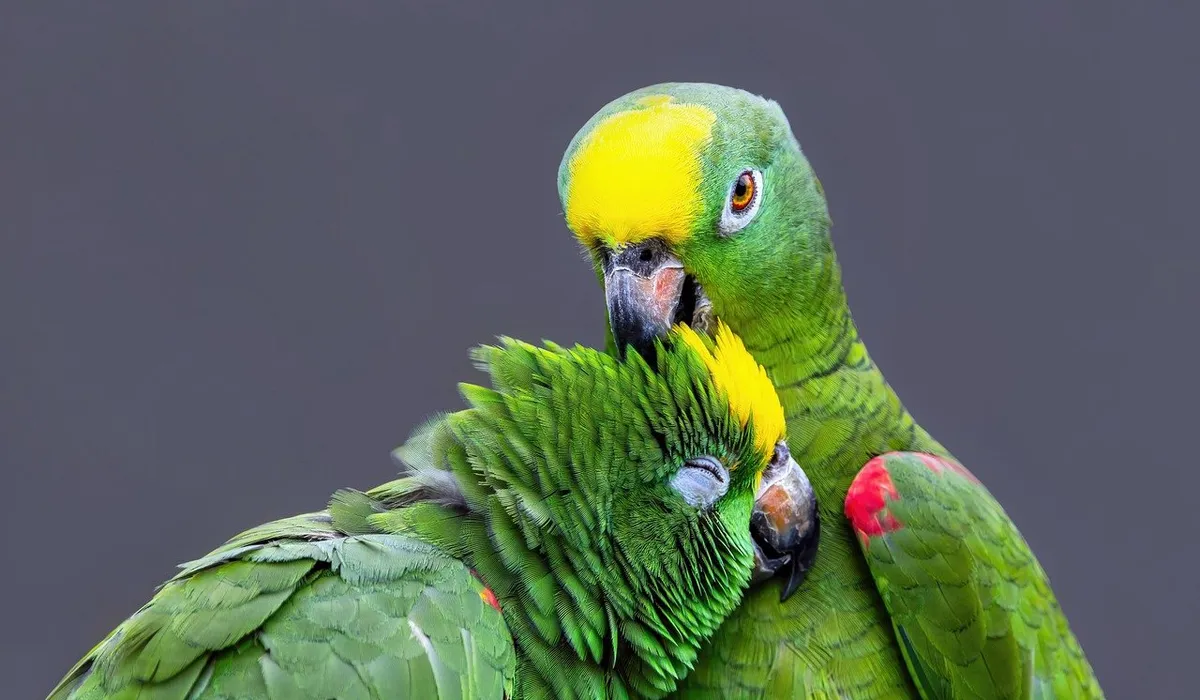
You can steer your parrot toward healthier expressions of affection with some thoughtful adjustments. Creating a stimulating environment reduces boredom-driven regurgitation dramatically. My conure Kiwi used to regurgitate constantly until I revamped his entire setup.
Enrichment is Your Best Friend
- Rotate foraging toys weekly to keep their minds busy and beaks occupied.
- Ensure the cage has multiple perches at different heights and textures.
- Schedule daily out-of-cage flight or climbing time in a safe, bird-proofed room.
- Arrange “play dates” with other parrot-safe family members so the bond isn’t solely with you.
Diet Tweaks Make a Difference
A poor diet can irritate their crop and trigger regurgitation. I saw a huge improvement when I shifted my flock to more fresh veggies and fewer fatty seeds.
- Base their diet on high-quality pellets, not seed mixes.
- Chop up fresh, dark leafy greens like kale and romaine daily.
- Limit high-fat “treat” foods like sunflower seeds and nuts.
- Always provide clean, fresh water to aid digestion.
Managing Hormonal Behavior
Hormones can turn your sweet bird into a regurgitating machine. Controlling their daylight hours and removing “nesty” spots worked wonders for my sun conure, Sunny.
- Provide 10-12 hours of uninterrupted darkness each night to mimic non-breeding seasons.
- Avoid petting their back or wings, as this can be sexually stimulating.
- Remove any enclosed, box-like toys or tents from the cage.
- Rearrange cage toys and perches frequently to disrupt nesting instincts.
When to Seek Help from an Avian Veterinarian
While often behavioral, regurgitation can signal a serious underlying condition. Trust your gut-you know your bird’s normal behavior better than anyone. I never hesitate to call my vet when Sage, my African Grey, acts off.
Red Flags That Demand a Vet Visit
- Regurgitation is paired with weight loss or a fluffed-up appearance.
- You see undigested food in the vomit, not just the typical mucusy substance.
- Your parrot seems lethargic, weak, or is having trouble breathing.
- The behavior is constant and happens even when the bird is alone.
- There’s a noticeable swelling in their crop area.
Stick to a Routine Check-Up Schedule
Preventative care is the best care for your feathered friend. Annual wellness exams are non-negotiable for catching issues early.
- Healthy adult parrots should see an avian vet once a year.
- Senior birds (over 10-15 years, depending on species) benefit from check-ups every six months.
- Any new bird needs a thorough vet exam within the first two weeks of coming home.
What to Expect at the Avian Vet
Knowing what’s coming can ease your nerves. A good avian vet will do a full physical, ask detailed questions, and make you feel like a partner in your bird’s health. During the visit, keeping your parrot calm—talk softly, move slowly, and avoid sudden movements—can help. Ask your vet about safe handling options, such as a gentle towel wrap or a familiar carrier, to reduce stress for your bird.
- The vet will visually examine your bird’s eyes, nares, beak, and feathers.
- They will gently palpate the crop and abdomen.
- Be prepared to answer questions about diet, behavior, and your home environment.
- The visit might include diagnostic tests like a crop swab, blood work, or x-rays if a problem is suspected.
FAQs
Is regurgitation always directed at owners?
No, parrots may regurgitate towards toys, mirrors, or other pets as part of social bonding. This behavior is a natural instinct to share food with perceived flock members, not just humans. In a home, humans are part of the parrot’s flock. Understanding parrot flock dynamics in a household helps you interpret these behaviors and respond appropriately.
Can regurgitation be a learned behavior for attention?
Yes, some parrots may regurgitate repeatedly if they receive positive reinforcement like extra pets or treats. Redirecting attention to toys or training can help discourage this habit over time. In positive reinforcement training for parrots, you reward desirable behaviors to shape their actions. Use short, consistent training sessions to reinforce calm, appropriate interactions.
How does a parrot’s age influence regurgitation frequency?
Younger parrots may regurgitate more during bonding phases, while older birds might do so due to age-related health issues. Regular vet check-ups are crucial to monitor changes as your parrot ages. For senior parrots, health concerns can change with age and may require specialized care. Aging birds benefit from regular veterinary monitoring and tailored care to support senior parrot health.
In Closing
When your parrot regurgitates, it could be a sweet gesture of love or a red flag for health troubles—always check for cues like timing and other symptoms. I’ve learned from my playful Kiwi that a happy, context-driven spit-up often means “I adore you,” but if Sage ever did it while acting off, I’d rush to the vet. Keep an eye out for changes in behavior or appetite to guide your response. A brief, occasional shake can be normal as part of settling in, but persistent shaking or tremors with other symptoms should prompt a vet visit.
Owning a parrot is a lifelong journey of care and connection, so stay curious and proactive about their well-being. By educating yourself and prioritizing their health, you’re not just a pet owner—you’re a guardian committed to giving them the best life possible. To help you stay ahead of potential issues, check out our complete guide on the most common parrot health concerns. It walks you through signs to watch for and what to do next.
Further Reading & Sources
- Regurgitation – Lafeber® Pet Birds
- Causes of Regurgitation in Pet Birds
- Should you discourage regurgitation? | Parrot Forum 🦜 Parrot Owners Community
Suzanne Levine is a dedicated parrot enthusiast and experienced avian caregiver with over 15 years of hands-on experience in parrot care. As the founder of Parrot Care Central, Suzanne is passionate about sharing her knowledge and insights to help fellow parrot owners provide the best possible care for their feathered friends. Her expertise spans nutrition, behavior, health, and enrichment, making her a trusted resource in the parrot care community.
Health & Wellness