
How to Teach Your Parrot Fun and Easy Tricks
Published on: April 25, 2026 | Last Updated: April 25, 2026
Written By: Suzanne Levine
Are you worried that training your parrot will be too hard or that your feathered friend might not even want to learn? I felt the same way when I started with my green-cheeked conure, Kiwi, who was initially too playful to focus.
Drawing from my hands-on experience with parrots like Kiwi, Sunny, and Sage, I will break down three key takeaways to make trick training a breeze for both of you.
- Use positive reinforcement with treats and praise to keep sessions stress-free and fun.
- Pick simple tricks first to build your parrot’s confidence and strengthen your bond.
- Stay patient and consistent, as every bird learns at their own pace with gentle guidance.
You will get straightforward, actionable tips that respect your parrot’s well-being. Topics covered include trick selection, step-by-step training, and solving common challenges.
Getting Ready for Parrot Trick Training
Selecting the Perfect Training Spot
Your training area sets the stage for success. I always train my Green-cheeked Conure, Kiwi, in a quiet room with the door closed to prevent sudden escapes or distractions. A small, safe space like a bathroom or a dedicated corner works wonders.
Ensure the room is well-lit but free from direct sunlight that could overheat your bird. Remove other pets from the area to keep your parrot’s focus entirely on you and the task at hand. A calm environment is non-negotiable. These are essential steps toward creating a parrot-proof room and ensuring a safe flight. With the space prepared, your bird can practice confidently and safely.
Your parrot should feel secure. I never train on top of a high cage where a fall could happen; a stable T-stand or a portable play gym is a much safer training perch. This simple setup makes all the difference.
Understanding Your Parrot’s Mood and Readiness
Parrots have big personalities and their cooperation depends entirely on their mood. My Sun Conure, Sunny, will literally turn her back on me if I try to train her when she’s preening or napping. You must learn to read these subtle signs.
Look for signs of a happy, engaged bird. A parrot that is chirping softly, has bright eyes, and is leaning towards you is showing clear signals of readiness for a training session. This is the perfect moment to begin.
Never force a session. If your bird is fluffed up, pinning its eyes rapidly, or trying to move away, respect that it’s just not a good time. Pushing a disinterested parrot only builds frustration for both of you. I’ve learned this the hard way with my clever African Grey, Sage.
Essential Tools and Techniques for Success
Mastering Positive Reinforcement and Clicker Training
This is the golden rule of parrot training. Positive reinforcement means you immediately reward the behavior you want to see repeated. It’s that simple. The reward makes your parrot want to do the trick again. In positive reinforcement training for parrots, timely rewards and consistent cues help solidify the behavior. This approach also builds trust and smooth communication between you and your bird.
A clicker is a brilliant tool that marks the exact moment your parrot does something right. Using a clicker effectively is central to parrot training, helping you shape behaviors with precision. The sequence is crucial: parrot performs action → you click → you give a treat. The click sound bridges the gap between the action and the reward. When paired with consistent cues and rewards, it becomes a powerful method for teaching tricks and daily manners.
Timing is everything. I practice my timing without my parrot first, clicking the instant an imaginary bird does the trick. A late click rewards the wrong action, like your parrot stepping off the perch instead of onto it.
Choosing the Best Training Treats
Training treats must be irresistible and tiny. You’re not feeding a meal; you’re offering a quick, high-value taste that keeps your parrot motivated for more. Size matters-a piece the size of a pea is perfect.
Find what your parrot goes crazy for. My parrots have different favorites: Kiwi would do backflips for a bit of pine nut, while Sage prefers a tiny piece of walnut. Experiment with healthy options to discover your bird’s ultimate motivator.
- Pine nuts or pieces of walnut
- Small chunks of millet spray
- Bits of unsweetened cereal like Cheerios
- A tiny piece of their favorite fruit or vegetable
Keep treats a surprise. I never use food from their regular daily bowl as a training reward; the specialness of the treat is a huge part of its power. This maintains the novelty and excitement for every session.
Step-by-Step Guide to Basic Parrot Tricks
Teaching Your Parrot to Step Up
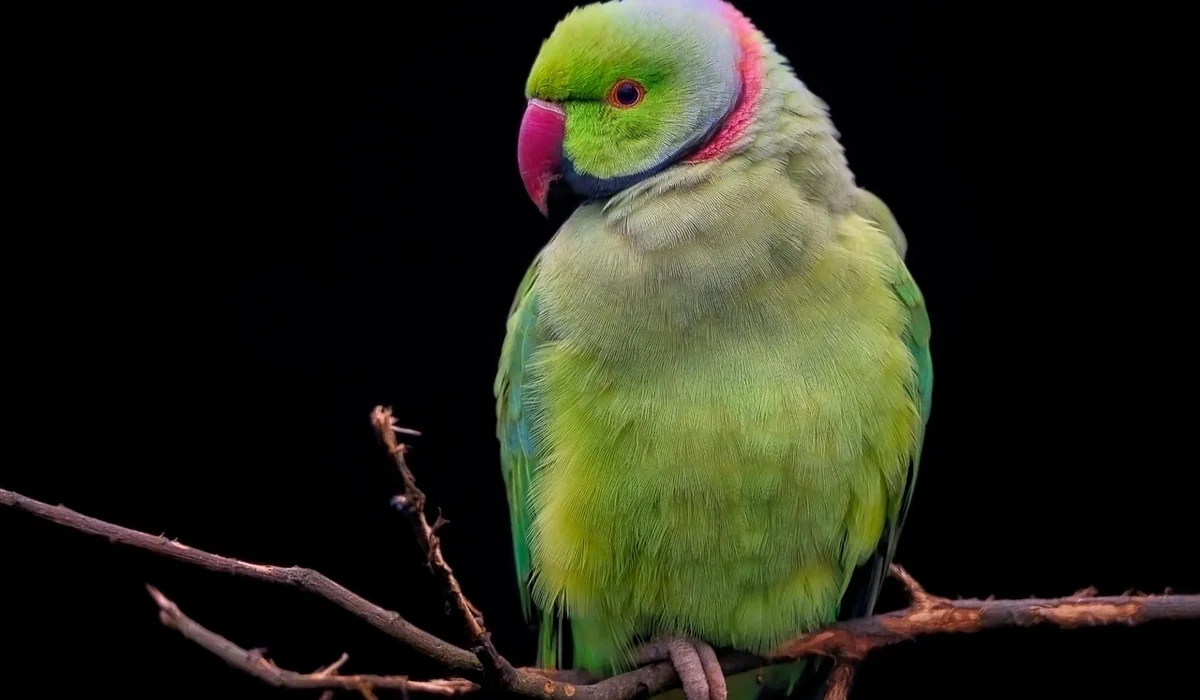
Getting your parrot to step onto your hand builds trust and is the first trick I teach. Start in a quiet room where your bird feels safe to prevent any stress. I practiced this with Kiwi, my Green-cheeked Conure, using his favorite millet spray as a lure. This is the classic step-up cue you’ll use to guide your parrot onto your hand. With consistent practice, you can build that habit calmly and confidently.
- Hold a treat just above your parrot’s feet to encourage lifting a foot.
- Gently press your finger against their lower chest while saying “step up.”
- Reward immediately with the treat and praise when they place a foot on you.
- Repeat daily, keeping sessions under 5 minutes to avoid boredom.
Kiwi’s playful nature made him eager to learn, but patience is key for all birds. Always use positive reinforcement and never force your parrot, as it can harm your bond and their welfare.
How to Train a Fun Wave or Spin
Wave and spin tricks add personality to your parrot’s repertoire. These moves rely on capturing natural behaviors and rewarding them consistently. With Sunny, my social Sun Conure, I noticed he’d lift his foot when excited, which I turned into a wave.
For a wave:
- Hold a treat near your parrot to make them raise a foot naturally.
- Say “wave” as they lift it, then give the treat right away.
- Practice until they associate the command with the action.
For a spin:
- Use a treat to guide your parrot in a small circle while saying “spin.”
- Reward after they complete the turn, even if it’s just a head movement at first.
- Keep it fun; Sunny now spins on cue for a piece of fruit, and it’s a joy to watch.
Short, upbeat training sessions prevent frustration and keep your parrot engaged and happy.
Fun and Easy Tricks for Beginner Parrots
Easy Fetch and Recall Games
Fetch and recall games turn playtime into learning moments. These activities strengthen your bond and provide mental stimulation for your parrot. I taught Sage, my smart African Grey, to fetch a small wooden bead by starting with something lightweight.
- Choose a small, safe object your parrot can easily pick up, like a soft ball or toy.
- Toss it a short distance and encourage them to grab it with a command like “fetch.”
- Use treats to reward them for bringing it back or moving toward you.
- For recall, call their name and reward them for flying or walking to you.
Sage’s calm demeanor helped him master this quickly. Recall games are especially useful for safety, ensuring your parrot comes to you in unfamiliar situations.
Creative Tricks Like Bow or Head Shake
Creative tricks like bowing or head shaking showcase your parrot’s unique personality. These are simple to teach because they mimic natural gestures parrots make during play or rest. I trained Kiwi to bow by rewarding him when he lowered his head during stretches.
For a bow:
- Wait for your parrot to naturally dip their head, then say “bow” and give a treat.
- Gradually shape the behavior by luring them downward with a favorite snack.
For a head shake:
- Capture moments when your parrot shakes their head, say “shake,” and reward.
- Use a gentle cue, like wiggling your finger, to encourage the motion.
Celebrate small successes to build confidence, and always prioritize your parrot’s comfort over rushing results. Watching Kiwi bow on command feels like a shared victory.
Overcoming Common Training Challenges
Dealing with Fear or Distractions
I remember when Kiwi, my Green-cheeked Conure, would freeze up at the sight of a new training prop. Parrots are prey animals, so their fear response is deeply wired. Start by placing the scary object far away and reward any calm behavior with a high-value treat like a tiny piece of walnut. Gradually move it closer over several sessions, never forcing the interaction. Watching for calm, scared parrot cues helps you pace properly, aiming to keep the bird calm and reduce stress. With patience, a stressed parrot can learn to trust and stay relaxed.
For distractions, my Sun Conure, Sunny, taught me a valuable lesson. If he was fixated on a window, I’d simply move his training perch to a quieter room. Creating a consistent, low-stimulus training environment is half the battle won. Turn off the TV and put other pets away to help your parrot focus solely on you.
- Identify the fear trigger and desensitize slowly.
- Use a “safe word” like “good” to mark calm behavior.
- Keep training sessions under 5 minutes to maintain attention.
- If your parrot gets spooked, end the session on a positive note with a simple, known trick.
What to Do If Your Parrot Isn’t Learning
If your parrot seems stuck, don’t blame the bird-rethink your approach. My African Grey, Sage, once refused to “wave” for weeks. The breakthrough came when I broke the trick into microscopic steps and rewarded the slightest paw lift. We often expect too much, too fast.
Check your timing. The reward must come within one second of the desired action. If you’re late, your parrot might think they’re being rewarded for sitting still instead of stepping up. I practiced with a clicker to sharpen my own timing, and it made a world of difference.
- Break the trick into smaller, achievable parts.
- Ensure you’re using a reward your parrot absolutely loves.
- Rule out health issues; a lethargic parrot might be an unwell parrot.
- Take a 2-3 day break. A mental reset can work wonders for both of you.
Building a Strong Bond Through Trick Training
Using Training for Better Socialization
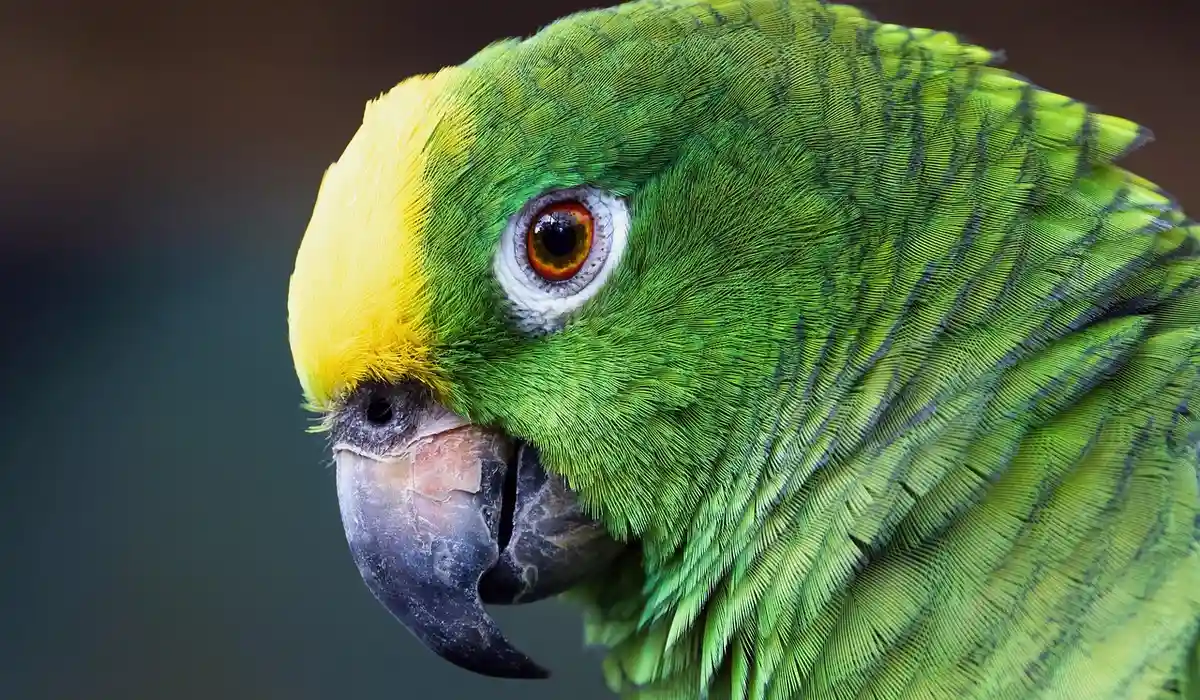
Trick training transformed my shyest parrot into a more confident bird. It’s not just about performance; it’s about communication. Every time you successfully teach a trick, you’re building a vocabulary of trust with your parrot. This shared language makes vet visits, nail trims, and meeting new people far less stressful.
I use training to introduce my parrots to new, non-threatening objects. Asking Kiwi to “target” a new toy with his beak made him curious instead of fearful. This positive association builds a foundation for a well-adjusted, socialized companion animal. A parrot that trusts you is a parrot that feels safe exploring its world.
- Invite family members to give simple commands (like “step up”) so your parrot bonds with the whole flock.
- Practice tricks in different rooms to generalize the behavior and build confidence.
- Use training sessions to gently acclimate your parrot to having its head and wings touched.
Making Training a Fun Routine
Consistency is key, but “routine” shouldn’t mean “boring.” I weave mini-training moments throughout our day. Asking for a “spin” before breakfast or a “wave” before getting a head scratch turns mundane moments into playful interactions. This keeps their minds active and reinforces our connection constantly.
Pay attention to your parrot’s body language. If they’re fluffed up and leaning in, they’re engaged. If they’re turning away, it’s time to stop. The goal is to end every session while your parrot is still eager for more, creating positive anticipation for the next time. This turns training from a chore into a game you both look forward to. For station training, teach your parrot to stay one place during routines. Start with a single perch and gradually extend how long you expect it to stay.
- Schedule 2-3 short sessions daily, aligning them with your parrot’s natural high-energy periods.
- Rotate the tricks you practice to prevent boredom.
- Celebrate wildly! Your enthusiastic praise is a powerful reward in itself.
- Keep a small bowl of treats in every room for spontaneous, fun learning opportunities.
Ensuring Safety and Welfare in Trick Training
Training should be a fun bonding experience, not a stressful chore for your feathered friend. Your parrot’s physical and mental health must always be the top priority during any training session. I learned this the hard way when I pushed my green-cheek, Kiwi, a little too long one afternoon; he let me know with a gentle nip that he was done for the day. Common parrot training mistakes to avoid include pushing sessions too long or using punishment, which can lead to stress and nip responses. Keep sessions short, positive, and aligned with your bird’s cues.
Safe Practices for Physical Tricks
When teaching tricks that involve movement, like “turn around” or “wave,” the environment is everything. Always train in a secure, enclosed space where a startled bird cannot fly into a window or mirror. I keep my sun conure, Sunny, in a small, familiar room with the curtains drawn to prevent any panic flights.
- Use a stable, comfortable training perch that is low to the ground.
- Avoid forcing your parrot into unnatural positions that could strain their legs or wings.
- Never, ever grab your parrot to make them perform a trick; this destroys trust.
- Keep training sessions short to prevent physical exhaustion and mental burnout.
For tricks like “step up,” ensure your hand is presented as a steady platform. A wobbly hand can make a parrot feel insecure and less likely to participate willingly. My African Grey, Sage, appreciates a firm, confident hand more than anything else. As you move beyond basics, this steady foundation helps when teaching advanced tricks. With practice, Sage can handle more complex cues and routines.
Balancing Training with Rest and Play
Parrots, especially intelligent species like conures and greys, need variety in their day. Think of training as just one part of a rich and stimulating daily routine. A tired parrot is a grumpy parrot, and you won’t make much progress if your bird is overworked.
Watch for clear signs that your parrot needs a break. If your bird starts to lose focus, preen excessively, or vocalize in an annoyed way, it’s time to stop immediately. I always end on a positive note with a favorite treat and some verbal praise, even if we only practiced for two minutes.
- Schedule training for when your bird is naturally alert, like in the morning.
- Keep sessions to 5-10 minutes maximum, especially for younger birds.
- Follow a training session with free-flight playtime or quiet time in their cage.
- Ensure your parrot gets 10-12 hours of uninterrupted sleep each night for optimal learning.
Training should feel like a game, not a job. By respecting your parrot’s need for rest and play, you build a stronger, more trusting relationship that makes learning new tricks easier and more enjoyable for both of you.
FAQs
How can YouTube videos help me teach parrot tricks effectively?
YouTube offers visual demonstrations that break down trick sequences clearly for both you and your parrot. Always choose channels that focus on positive reinforcement to ensure safe and ethical training methods.
What are some easy parrot tricks to start with at home for beginners?
Begin with simple commands like “step up” or “wave” to build confidence and trust between you and your parrot. These tricks use natural behaviors and can be practiced in short, daily sessions to keep learning fun. Regular, routine training helps address common behavioral issues by providing structure and positive redirection, so you can manage biting, screaming, or feather plucking more effectively. With consistency, your parrot learns expected behaviors and remains motivated.
Are there specific tricks that are best for teaching parrots in a home environment?
Tricks like “fetch” with lightweight toys or “spin” on a stable perch are ideal as they minimize space needs and use common household items. Focus on low-impact activities that keep your parrot engaged without requiring specialized equipment.
Final Words
Teaching your parrot is all about patience, praise, and making it a game they want to play. Keep your training sessions short, use their favorite treats as rewards, and always end on a positive note to build their confidence. The goal is to have fun and strengthen your bond, turning learning into a joyful daily ritual. For beginners, target training is a foundational skill to start with. It teaches focus, clear communication, and sets the stage for more advanced tricks.
Remember, a happy, healthy parrot is a willing student. Providing a nutritious diet, regular veterinary care, and a stimulating environment is the foundation for any successful training. Your journey in parrot care never truly ends, so keep learning and growing alongside your feathered friend.
Further Reading & Sources
- Teaching a Parrot Tricks | Training a Parrot | Parrots | Guide | Omlet UK
- Parrot Tricks “Head Shake NO!” (How To)
- The Benefits of Teaching a Parrot Tricks – IAABC FOUNDATION JOURNAL
Suzanne Levine is a dedicated parrot enthusiast and experienced avian caregiver with over 15 years of hands-on experience in parrot care. As the founder of Parrot Care Central, Suzanne is passionate about sharing her knowledge and insights to help fellow parrot owners provide the best possible care for their feathered friends. Her expertise spans nutrition, behavior, health, and enrichment, making her a trusted resource in the parrot care community.
Obedience Training