
Recognizing Obsessive-Compulsive Behaviors in Parrots and How to Help
Published on: February 10, 2026 | Last Updated: February 10, 2026
Written By: Suzanne Levine
Watching your parrot repeat the same actions endlessly can leave you feeling helpless and worried about their well-being.
I’ve been there with my own birds, like Kiwi, my Green-cheeked Conure, who once fixated on feather-plucking until I learned how to intervene.
In this guide, I’ll share insights from my experience to help you spot these signs and take action.
Here are the key points we’ll explore:
- Identifying common obsessive behaviors in parrots, from feather destruction to repetitive movements
- Understanding the root causes, like stress or boredom, that drive these actions
- Practical steps to create a healthier environment and reduce compulsive habits
You’ll get straightforward advice to support your parrot’s mental health.
Topics covered: obsessive behaviors, common triggers, intervention methods, prevention tips
What Does Obsessive-Compulsive Behavior Look Like in Parrots?
Think of obsessive-compulsive disorder in parrots as a brain glitch that gets them stuck in a loop. It’s when a normal, self-soothing behavior becomes a frantic, repetitive ritual they can’t control. Their brain tells them to perform the action over and over, even when it causes harm. That’s why parrots bite: triggers like fear, frustration, or overstimulation can spark the cycle. Understanding the causes and specific triggers helps caretakers intervene and reduce biting.
You’ll see a few common compulsive behaviors pop up:
- Feather Plucking: This goes beyond preening. They systematically rip out feathers, often creating bald patches.
- Pacing: Endlessly walking the same path on a perch or the cage floor, like a tiny, feathered sentry.
- Beak Grinding: While gentle grinding is normal for sleep, obsessive grinding is louder, harsher, and happens at all hours.
- Self-Mutilation: This is the most severe stage, where they start chewing on their own skin and muscle.
So how do you tell a healthy habit from a harmful one? The key difference lies in the intensity, frequency, and the bird’s overall body language. My conure, Kiwi, will sometimes pace when he’s curious about a new toy. It’s brief and his feathers are relaxed. But obsessive pacing is rigid, frantic, and he seems completely unaware of his surroundings.
I’ve seen this contrast clearly with my African Grey, Sage. When he’s calm, he’ll gently preen or quietly mutter to himself. When stressed, he fixates on one spot on his wing, plucking with a sharp, jerky motion. Normal self-soothing is gentle and intermittent; compulsive behavior is driven and destructive.
Uncovering the Roots: Why Parrots Develop Compulsive Habits
Parrots don’t develop these habits out of nowhere. Compulsive behaviors are almost always a scream for help, a symptom of a deeper problem. It’s their way of coping when their world feels overwhelming or painful. If you’re noticing these signs in your parrot, it’s a cue to explore avian depression solutions. You can support your bird’s well-being with enrichment, a stable routine, and veterinary care.
The causes generally fall into three main buckets:
- Stress and Anxiety: This is the big one. Parrots are incredibly sensitive to their environment and social bonds.
- Medical Issues: Pain from arthritis, internal infections, or skin allergies can trigger plucking and chewing.
- Environmental Deficiencies: A boring or unsafe home is a major source of frustration and stress.
Let’s break down those common stressors. Parrots are flock animals. Loneliness and a lack of positive social interaction is pure torture for a creature wired for community, often leading to separation anxiety. A cage that feels unsafe, perhaps placed in a high-traffic area with no retreat, keeps them on permanent high alert. And changes in routine? My sun conure, Sunny, lets me know instantly if I’m late with her breakfast. Their lives are built on predictability.
Understanding avian psychology is crucial here. Parrots are intelligent, emotional beings with the problem-solving skills of a young child. In the wild, their brains are constantly engaged-foraging, socializing, avoiding predators. In our homes, without that mental workout, that powerful brain turns inward and can get stuck in a negative loop. Regular, routine training can channel that energy, helping to prevent problem behaviors. With consistent, positive reinforcement during short training sessions, many behavioral issues improve as parrots learn expected, acceptable behaviors.
Here is a quick-reference list of common triggers:
- Insufficient social time or mental stimulation
- A dull environment with few toys or foraging opportunities
- An unpredictable daily schedule
- A cage that is too small or poorly located
- Underlying illness or chronic pain
- Past trauma or a history of neglect
Spotting the Red Flags: How to Identify OCD in Your Parrot
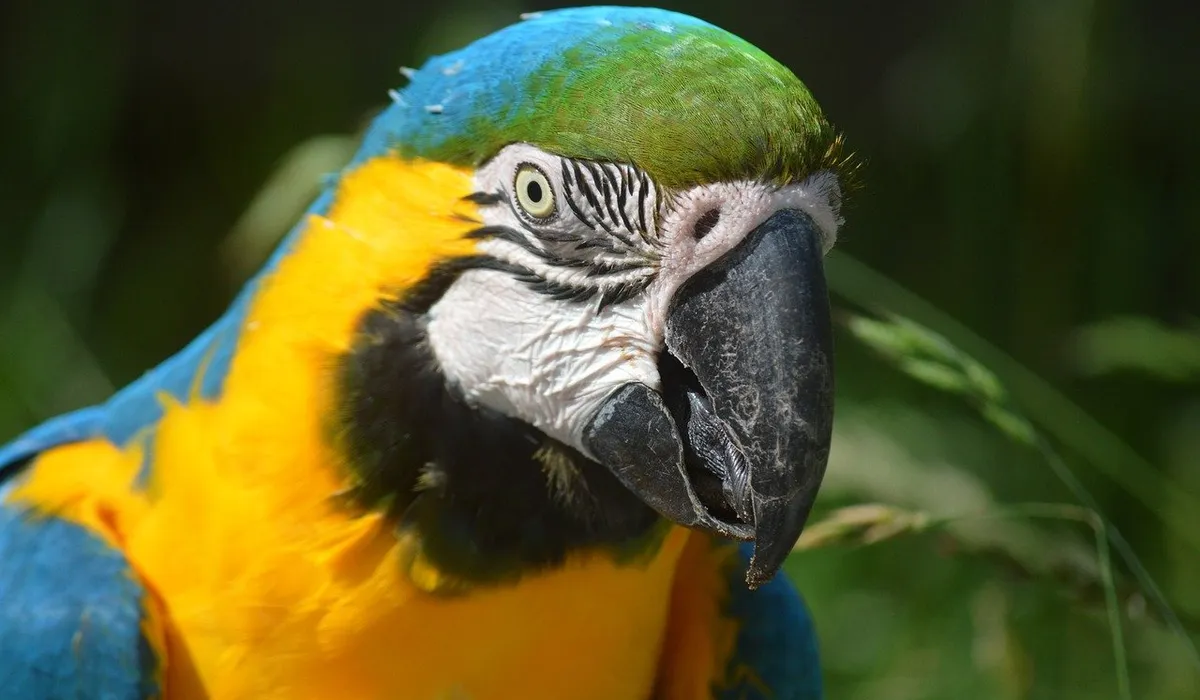
Your parrot might start showing tiny changes that scream for your attention. I’ve noticed that obsessive behaviors often begin subtly, like my conure Kiwi starting to over-preen one specific wing patch until it looked ragged. This is a common sign of boredom. Understanding why your parrot gets bored is the first step to helping it stay engaged.
Early signs often mirror stress cues you might already recognize. Watch for increased feather picking beyond normal grooming, repetitive pacing along cage perches, or obsessive head bobbing that lasts for minutes. My sun conure Sunny developed a habit of compulsively rubbing his beak on the same spot of his cage bars until it wore down his beak tip.
Monitoring Your Parrot’s Behavior Patterns
- Keep a simple behavior journal noting what happens before, during, and after the compulsive action
- Record how long the behavior lasts and how frequently it occurs each day
- Note any environmental triggers like loud noises, schedule changes, or new people
- Track improvements or worsening over at least two weeks to identify patterns
Normal Behavior vs. Compulsive Actions
| Normal Parrot Behavior | Possible Compulsive Behavior |
|---|---|
| Brief feather preening after meals | Repeated feather plucking creating bald spots |
| Occasional cage pacing when excited | Constant back-and-forth movement for hours |
| Playing with one favorite toy | Obsessively manipulating one object excluding all other activities |
| Vocalizing when hearing household sounds | Repeating the same sound incessantly without environmental triggers |
From my experience with Sunny, his social needs directly impacted his behavior. When I reduced our interaction time during a busy work week, he began obsessively shredding his paper toys within hours of me placing them in his cage. The destruction wasn’t playful – it was frantic and continuous until nothing remained.
First Aid for Feathered Friends: Immediate Steps to Help
When you spot those first warning signs, quick action can prevent behaviors from becoming entrenched habits. Your immediate response should focus on removing triggers and providing healthy alternatives that satisfy your parrot’s needs.
Initial Response Strategy
Start by identifying and eliminating obvious stressors. Move cages away from high-traffic areas if your bird startles easily. Cover mirrors if your parrot fixates on their reflection. Adjust lighting to create calmer environments during peak anxiety times, especially when setting up indoor flight areas for your bird.
Safe distractions work wonders for breaking the compulsive cycle. I’ve found that introducing novel foraging opportunities immediately redirects my parrots’ attention from repetitive behaviors to natural exploration.
Quick Enrichment Solutions
- Rotate toys weekly to maintain novelty and mental stimulation
- Create simple foraging boxes using cardboard and hidden treats
- Initiate social play sessions with training exercises or games
- Offer destructible items like untreated wood blocks or palm fronds
- Provide puzzle feeders that require problem-solving for food rewards
Early intervention makes all the difference in managing compulsive behaviors. Education transforms you from a worried observer into an effective caregiver who understands what your parrot is trying to communicate through their actions.
Actionable Steps to Take Today
- Immediately remove any identified triggers from your parrot’s environment
- Introduce at least two new enrichment activities before the compulsive behavior typically begins
- Schedule consistent, predictable interaction times throughout the day
- Consult an avian veterinarian to rule out underlying medical conditions
- Begin documenting behaviors to track progress and identify patterns
When my African Grey Sage began repetitive tongue clicking, I created a “behavior interruption” routine. Instead of scolding, I’d gently offer her a favorite nut in a puzzle toy, which redirected her focus while satisfying her oral fixation in a healthier way.
Long-Term Solutions: Enrichment and Behavioral Strategies

Treating obsessive behaviors in parrots isn’t about a quick fix; it’s about building a lifestyle that keeps their brilliant minds engaged and satisfied. I’ve found that the most effective approach combines a stimulating environment with consistent, positive interaction.
Transforming the Cage into a Playground
Your parrot’s cage should be their safe haven, not a boring holding cell. Start by rethinking the space.
- Rotate Toys Frequently: Parrots are smart and get bored with the same old things. I swap out Kiwi’s toys every week to keep him guessing and engaged.
- Offer a Variety of Textures: Include shreddable wood, crinkly paper, soft leather, and hard acrylic. This variety satisfies different destructive and manipulative urges in a healthy way.
- Create Foraging Opportunities: Hide treats in puzzle boxes, crumpled paper, or within foraging trays. This mimics their natural behavior of working for food, which is incredibly mentally tiring and rewarding.
Behavioral Intervention Techniques
When you see a repetitive behavior starting, you can gently guide your parrot toward a better choice.
- Redirect, Don’t Scold: If Sage starts pacing, I’ll calmly offer him a favorite foot toy or ask him to “step up.” This shifts his focus without any negative energy.
- Positive Reinforcement: Reward calm, independent play with a small treat or verbal praise. You’re teaching them what you *want* them to do, not just punishing what you don’t.
- Establish Predictable Routines: Parrots thrive on knowing what comes next. Consistent times for meals, play, and bedtime reduce anxiety that can fuel compulsions.
Enrichment Ideas for Different Personalities
Not all parrots enjoy the same things. Tailor activities to your bird’s unique character.
- For the Playful & Curious (like Kiwi): Complex puzzle toys, cardboard boxes to demolish, and training sessions for new tricks like fetching a tiny ball.
- For the Social & Affectionate (like Sunny): Interactive games like “peak-a-boo” with a towel, supervised baths in a shallow dish, and learning to wave hello.
- For the Smart & Calm (like Sage): Advanced foraging tasks, learning to identify colors or shapes, and having a “busy board” with different latches and locks to solve.
A Real Success Story: Kiwi’s Transformation
My Green-cheeked Conure, Kiwi, started repetively climbing one corner of his cage. By introducing a weekly toy rotation and a daily 10-minute training session, his compulsive climbing vanished within two weeks. He now uses that mental energy to learn new tricks instead. Seeing that change solidified my belief in the power of enrichment.
When to Call in the Experts: Seeking Veterinary and Professional Care
While you can do a lot at home, some signs mean it’s time to bring in the professionals. Your parrot’s welfare depends on you recognizing these red flags.
Signs That Demand a Vet Visit
Don’t wait if you see any of these issues. They often point to underlying medical problems that mimic or cause behavioral ones.
- Persistent Self-Mutilation: Any chewing, plucking, or biting that breaks the skin is a medical emergency. Infection can set in quickly.
- Sudden Behavior Changes with Health Decline: If lethargy, loss of appetite, or fluffed-up feathers accompany the new obsessive behavior, see a vet immediately.
- Behaviors That Don’t Respond to Home Enrichment: If you’ve diligently tried environmental and behavioral changes for a few weeks with no improvement, a professional can offer a new perspective.
What to Expect from the Pros
Knowing what happens during a consultation can ease your nerves.
- Avian Veterinarian: They will perform a thorough physical exam, often including blood tests, to rule out illnesses, nutritional deficiencies, or pain that could be driving the behavior.
- Certified Avian Behaviorist: These specialists will do a deep dive into your parrot’s environment, daily routine, and history. They observe the bird’s behavior and create a customized modification plan for you to follow.
Your Checklist for a Professional Management Plan
Go to your appointment prepared to get the most out of it.
- Bring a short video of the obsessive behavior occurring.
- Write down your parrot’s exact daily schedule (sleep, meals, out-of-cage time).
- List all foods in their diet and any supplements.
- Note the types, locations, and rotation schedule of all cage toys.
- Prepare a list of your specific questions and concerns.
Acting quickly when home interventions fail is one of the most responsible things you can do for your feathered friend. Delaying expert care can allow a manageable issue to become a severe, chronic problem. It’s our duty as caregivers to ensure they receive every resource available for a happy, healthy life.
Common Questions
How can you tell if a parrot is exhibiting OCD behaviors?
You can identify OCD by observing if a normal behavior becomes a frantic, repetitive ritual the bird cannot control. The key difference from healthy habits is the intensity, frequency, and the parrot’s rigid, unaware body language during the action.
What are typical compulsions in parrots with OCD?
Typical compulsions include systematic feather-plucking that creates bald patches and endless, rigid pacing along a set path. Other common signs are obsessive beak grinding outside of sleep and severe self-mutilation where the bird chews on its own skin.
Are OCD symptoms in parrots caused by stress or medical issues?
OCD symptoms can be caused by both stress, such as loneliness or an unpredictable routine, and underlying medical issues like pain from arthritis or skin infections. It is crucial to have a veterinarian rule out medical causes first, as pain is a common trigger.
How can OCD in parrots be treated?
Treatment involves creating a stimulating environment with frequent toy rotation and foraging opportunities to engage their mind. Combining this with consistent routines and positive reinforcement training helps redirect their focus and reduce compulsive habits.
When should you seek veterinary care for suspected OCD in a parrot?
You should seek immediate veterinary care if your parrot begins self-mutilation that breaks the skin or if obsessive behaviors are accompanied by other health declines like lethargy. A vet visit is also essential if the behaviors do not improve after several weeks of dedicated home enrichment efforts. If you suspect illness or injury, you can provide basic home first aid to help keep your parrot comfortable while you arrange care. If the condition seems urgent, contact an avian emergency clinic for guidance right away.
In Closing
From my years with parrots like Sage, whose calm demeanor once shifted to repetitive feather preening, I learned that spotting early obsessive behaviors and enriching their environment with toys and routines makes a huge difference. Acting quickly with vet guidance and mental stimulation can turn things around before habits deepen. Keeping their sound environment steady—predictable routines and gentle background noise—helps manage household noise and reduce stress for both you and your parrot. A calmer bird often makes for a quieter, more peaceful home.
Your parrot’s well-being hinges on your commitment to understanding their unique needs and staying curious about care updates. Embrace the journey of learning and adapting, because a well-cared-for parrot thrives with your attentive love and dedication.
Further Reading & Sources
- Pet Birds and Obsessive Compulsive Disorders
- Stereotypies in caged parrots, schizophrenia and autism: evidence for a common mechanism – PubMed
- Environmental enrichment and development of cage stereotypy in Orange-winged Amazon parrots (Amazona amazonica) – PubMed
Suzanne Levine is a dedicated parrot enthusiast and experienced avian caregiver with over 15 years of hands-on experience in parrot care. As the founder of Parrot Care Central, Suzanne is passionate about sharing her knowledge and insights to help fellow parrot owners provide the best possible care for their feathered friends. Her expertise spans nutrition, behavior, health, and enrichment, making her a trusted resource in the parrot care community.
Enrichment Activities