
Coping with Parrot Parent Burnout: A Guide for Overwhelmed Owners
Published on: February 23, 2026 | Last Updated: February 23, 2026
Written By: Suzanne Levine
Are you lying awake at night, worried you’re not doing enough for your parrot while feeling completely drained yourself? That heavy guilt and exhaustion are real signs of burnout, and many parrot parents face them silently.
I’ve been there with my own flock-like when Kiwi’s endless energy left me frazzled or Sunny’s loud calls tested my patience. Drawing from those experiences, I’ll guide you through practical steps to feel better and care smarter for your bird.
- Spot the hidden signs of burnout before they overwhelm you.
- Recharge with easy self-care tricks that fit into a busy day.
- Create a happier home for both you and your parrot without extra stress.
Expect clear, actionable advice you can start using right away. This article dives into: identifying burnout triggers, daily self-care habits, and improving parrot care routines.
Spotting the Telltale Signs of Burnout
Common Emotional and Physical Clues
You might notice yourself feeling constantly drained, even after a full night’s sleep. That heavy, persistent exhaustion is often your first red flag that something’s off balance.
Irritability can creep in over small things that never used to bother you. I’ve snapped at my conure, Kiwi, for simply being loud and playful, which immediately filled me with guilt. Short tempers and frequent frustration are classic signs your emotional reserves are running on empty.
- A sense of dread about daily care tasks like cage cleaning.
- Feeling detached or emotionally numb towards your bird.
- Forgetting routine things, like refilling food dishes or turning off cage lights at night.
- Physical symptoms like headaches, changes in appetite, or muscle tension.
How Burnout Affects Your Parrot
Our parrots are incredibly perceptive and pick up on our stress. When we’re calm, a scared or stressed parrot is more likely to feel safe. A steady, reassuring presence helps them settle. Your emotional state directly influences your bird’s sense of security and well-being.
When I was overwhelmed, my African Grey, Sage, became noticeably quieter and more withdrawn. He mirrored my low energy. Birds may respond to your burnout by becoming louder, plucking feathers, or showing signs of anxiety themselves.
The bond you’ve worked so hard to build can begin to feel strained. Your parrot might become less interactive or even hesitant to step up, reacting to the subtle shifts in your mood and energy. It becomes a difficult cycle for you both. Watch your parrot’s body language: a relaxed stance signals happiness, while a tense posture signals stress. Acknowledging these cues helps you adjust your approach and restore the bond.
Revamping Your Parrot Care Routine for Calm
Creating a Sustainable Daily Schedule
Structure is your best friend when you’re feeling swamped. I sat down and mapped out a simple, realistic schedule that didn’t leave me exhausted by 10 AM. A predictable routine reduces decision fatigue and creates a calm environment for both you and your bird.
- Cluster morning tasks: Fresh food, water, and a quick cage tidy can all happen in one 15-minute block.
- Incorporate “passive” interaction: Having your parrot out on a playstand while you work or read counts as quality time.
- Simplify meals: Prep chop (a mix of chopped veggies) in bulk and freeze portions for easy daily use.
- End the day with a calm ritual, like sharing a quiet piece of fruit before covering the cage for the night.
Delegating Tasks Without Guilt
You do not have to do everything yourself. Asking for help is a sign of strength, not failure. Delegating care tasks is a proactive step toward being a better, more present parrot parent.
My partner now handles the weekly deep cage clean, which gives me a much-needed mental break. Identify one or two tasks someone else can reliably manage, even if it’s just topping up food bowls.
- Family members can be in charge of evening pellet servings or changing cage paper.
- A trusted friend might be willing to “bird-sit” for a few hours so you can have some personal time.
- Consider automated options like a timed light switch to ensure consistent day/night cycles without you remembering.
Your parrot benefits from a happy, healthy you. Letting others help is a gift you give to your bird and yourself. Wondering about the most common parrot health concerns? This complete guide helps you recognize warning signs and stay ahead with prevention and care.
Fostering Parrot Independence to Lighten Your Load
Enrichment Ideas That Entertain and Educate
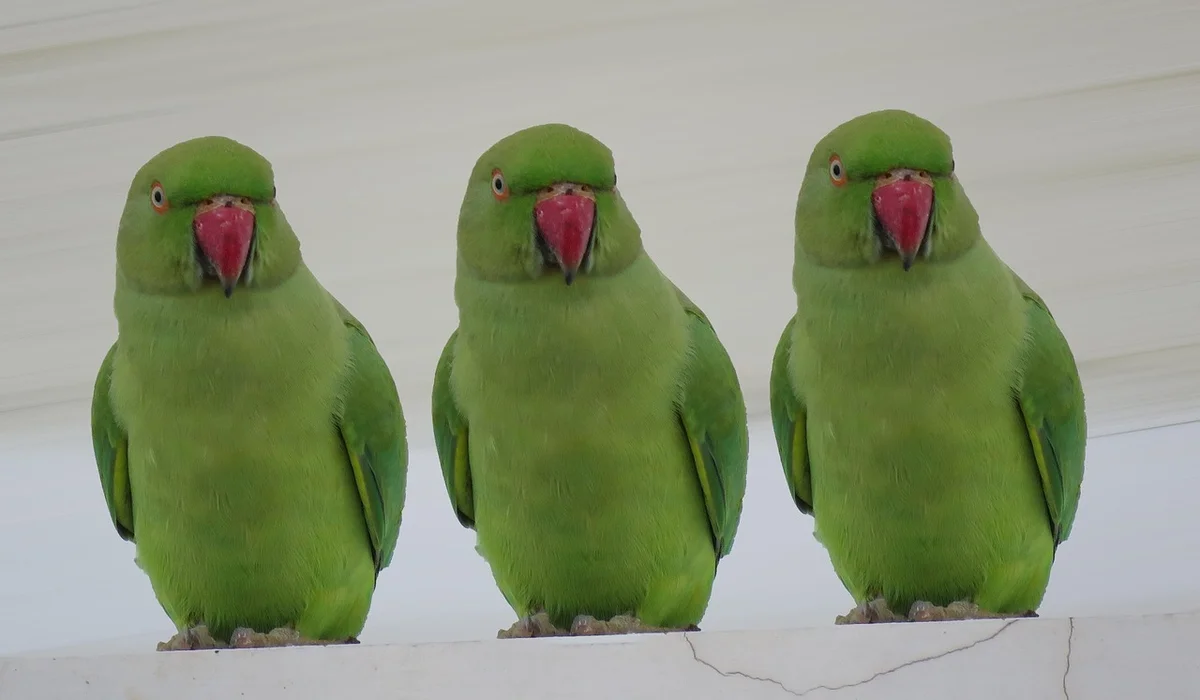
When my Green-cheeked Conure, Kiwi, gets bored, he turns into a tiny feathered tornado-chewing everything in sight! Providing engaging enrichment activities can keep your parrot happily occupied and reduce their constant need for your attention. I’ve found that mixing up toys and challenges prevents monotony and sparks their natural curiosity. You can also make safe, homemade toys for Kiwi to chew and explore. DIY parrot toys using bird-safe wood, paper, and natural fibers can be a simple and affordable enrichment option.
- Foraging toys: Hide treats in puzzle feeders or crumpled paper to mimic wild hunting behaviors.
- Shreddable items: Offer untreated wood blocks or cardboard for safe chewing and destruction.
- Training sessions: Teach simple tricks like “turn around” using short, fun interactions to build confidence.
- Rotating perches and swings: Change their setup weekly to keep the environment fresh and exciting.
With Sage, my African Grey, I rotate toys every few days to keep her sharp mind engaged. This not only entertains them but also strengthens problem-solving skills, making them more self-reliant. Watching them figure out a new toy feels like seeing a lightbulb go off-it’s pure joy for both of you!
Positive Reinforcement for Good Behavior
Sunny, my Sun Conure, used to squawk loudly whenever I left the room, but positive reinforcement changed that. Rewarding calm, independent behavior with treats or praise encourages your parrot to repeat those actions without constant prompting. Start small, like giving a favorite nut when they play quietly alone for a few minutes. Combine this with consistent routines and training to further improve their behavior.
- Identify desired behaviors: Pick one thing, like not screaming when you’re busy.
- Use immediate rewards: Offer a tiny piece of fruit or a click from a training clicker right when they do it.
- Be consistent: Repeat this daily to build habits that stick over time.
- Phase out treats slowly: Replace with verbal praise or head scratches to maintain the behavior.
I’ve seen this work wonders with Kiwi-he now entertains himself with a bell toy instead of demanding cuddles nonstop. Positive reinforcement builds trust and reduces stress for both you and your bird, creating a happier home. It’s all about celebrating those small wins together!
Nurturing Yourself While Caring for Your Parrot
Quick Self-Care Practices for Busy Days
On days when Kiwi’s antics and Sage’s chatter feel overwhelming, I sneak in mini self-care moments to recharge. Taking just five minutes for yourself can prevent burnout and make you a more patient parrot parent. Simple practices fit into any schedule and don’t require special tools.
- Deep breathing: Inhale for four counts, hold, then exhale slowly to calm your nerves.
- Step outside: A brief walk or just standing in sunlight boosts mood and energy.
- Hydrate and snack: Keep water and a healthy bite nearby to avoid neglecting your needs.
- Listen to music: Play a favorite song to shift your focus and relax.
I often pair this with giving Sunny a foraging toy-she stays busy, and I get a moment of peace. Prioritizing your well-being isn’t selfish; it ensures you can give your parrot the best care possible. Remember, a refreshed you means a happier bird!
Setting Boundaries with Your Feathered Friend
When Sage learned to mimic my phone’s ringtone, I realized boundaries were essential for my sanity. Establishing clear limits helps your parrot understand when it’s time to play and when it’s time to respect your space. This doesn’t mean less love-it means healthier interactions for everyone.
- Create a routine: Set specific times for interaction, like morning chats and evening training, so they know what to expect.
- Use visual cues: Place a small towel over part of the cage during your “quiet time” to signal no disturbances.
- Ignore attention-seeking behaviors: If they scream for no reason, wait until they’re calm before responding.
- Reward patience: Give treats when they wait quietly while you finish a task.
With Kiwi, I started ignoring his nibbles during work hours, and he quickly adapted to playing solo. Boundaries teach respect and independence, reducing friction and strengthening your bond over time. It’s a win-win that keeps your home harmonious and your spirit lifted.
Finding Support When You Need It Most
Connecting with Other Parrot Parents
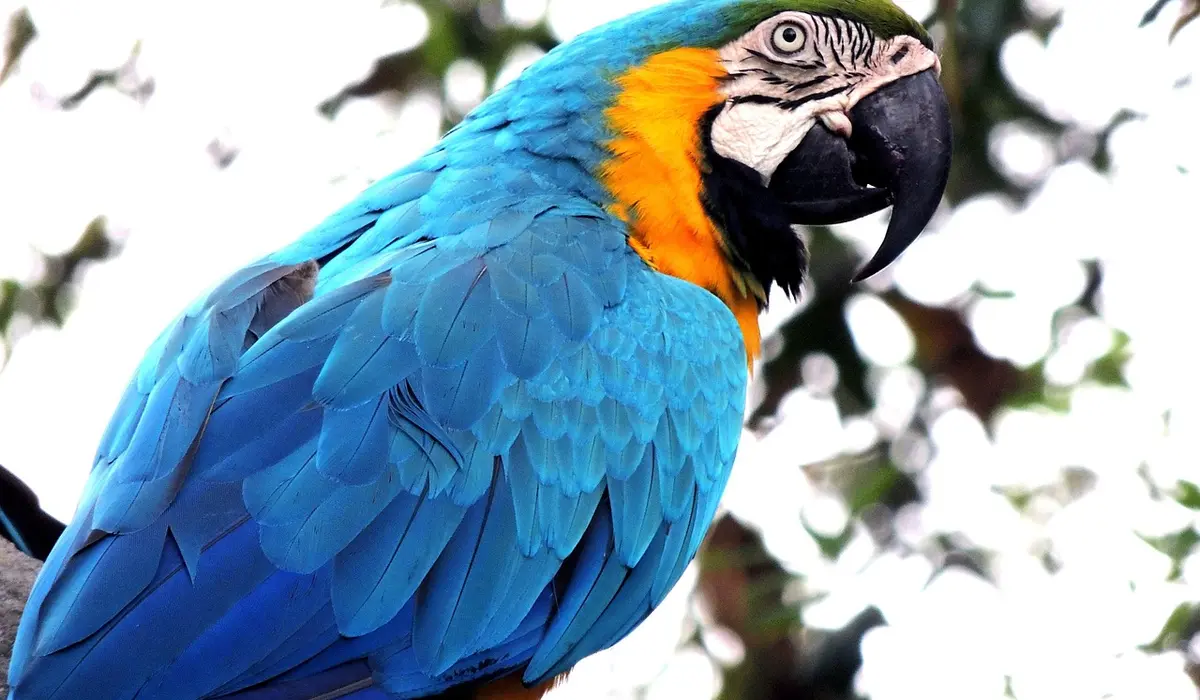
You don’t have to navigate the squawks and screams alone. I felt completely isolated until I found my local parrot club. Connecting with people who truly get it can be a powerful emotional reset. They won’t judge you for needing a five-minute break from a demanding conure.
- Search for local parrot owner meetups or bird clubs in your city.
- Join dedicated online forums and Facebook groups filled with experienced owners.
- Arrange “playdates” for your parrots if they are social, giving you and a friend a moment of shared understanding.
When my Green-cheeked Conure, Kiwi, went through a particularly nippy phase, it was another conure owner who gave me the perfect trick that worked.
When to Consult an Avian Vet or Behaviorist
Sometimes, the challenge is beyond a simple fix and requires a professional eye. A sudden behavior change was my first clue with Sage, my African Grey. An avian vet is your first stop for any health-related concerns that might be causing behavioral issues. Pain can make the sweetest bird grumpy. During vet visits, proper handling can reduce stress for your parrot and make the exam go more smoothly. Gentle, calm handling at the parrot’s pace helps Sage feel secure in the vet’s hands.
You should absolutely seek professional guidance if you notice:
- Sudden, severe aggression or fearfulness that doesn’t improve.
- Evidence of feather-destructive behavior or self-mutilation.
- Any signs of illness paired with a personality shift, like lethargy or loss of appetite.
A certified parrot behaviorist can help unravel complex problems like chronic screaming or phobias. When you seek professional help, your parrot’s behavioral issues can be diagnosed accurately and addressed with evidence-based strategies. A qualified expert can tailor plans to your bird’s temperament and home environment. Investing in expert advice is an act of love for both you and your feathered friend.
Tools and Resources to Ease the Burden
Time-Saving Products for Daily Care
Your time is precious, and the right tools can give you some back. I learned this the hard way, scrubbing bowls by hand every single day. Simple product swaps can dramatically cut down on your daily chore time.
- Multiple sets of food and water dishes mean you only need to do a big wash once a week.
- Automatic water dispensers help ensure your bird stays hydrated even on your busiest days.
- Large cage liners or recycled paper bedding make quick cleanups a breeze.
- Foraging toys that you can pre-fill with meals keep your parrot occupied and mentally stimulated.
These small investments bought me an extra 20 minutes each morning, which was a total game-changer for my stress levels.
Educational Materials for Ongoing Learning
Understanding the ‘why’ behind your parrot’s actions can dissolve so much frustration. I spent hours reading and watching everything I could find. Knowledge truly is power when it comes to preventing and managing burnout. It turns baffling behaviors into manageable puzzles. If you’re wondering why your parrot is bored, I can help you figure it out. Together we can replace boredom with engaging activities.
My personal go-to resources include:
- Books by well-known avian behaviorists that focus on positive reinforcement.
- Reputable YouTube channels that offer visual demonstrations of training techniques.
- Webinars from avian veterinarians discussing common health and behavior links.
Learning about parrot body language helped me finally understand what Sunny, my Sun Conure, was trying to tell me before she even screamed. Building your knowledge base builds your confidence and patience as a parrot parent. While parrots can mimic human speech, they often learn words through repetition and association rather than true language comprehension. Their grasp of language is therefore different from ours, but it can still be a helpful tool in communication.
FAQs
How can I prevent burnout from happening in the first place?
Establish a balanced care schedule from the start and prioritize your own well-being. Regular self-check-ins can help you spot early signs before they escalate.
What if I don’t have anyone to help delegate tasks to?
Focus on automating tasks with tools like timed feeders and self-cleaning cages. Simplify routines by prepping meals in bulk to reduce daily chores.
How long does it typically take to recover from parrot parent burnout?
Recovery time varies, but consistent self-care and adjusted routines can show improvements within a few weeks. Be patient with yourself and celebrate small progress milestones.
In Closing
Remember, being a great parrot parent starts with taking care of yourself. Give yourself permission to schedule quiet time, simplify your daily routines, and ask for help when you need it. If you’re prepping for your new parrot’s first day home, here’s a simple step-by-step survival guide to help you stay organized. It can make the day calmer for both you and your bird. Your well-being is the foundation for your bird’s happiness.
Your commitment to learning and growing in your pet parrot care journey makes all the difference. Every day is a chance to better understand your feathered friend’s unique needs and build a stronger, more joyful bond. Keep going-you’ve got this.
Further Reading & Sources
- How To Avoid Burning Out On Parrot Chores
- Parrot so traumatised by his owner’s death he needs Prozac to cope | Daily Mail Online
- Signs Your Parrot Is Stressed | Blog | Long Island Bird and Exotics Pet Vet
Suzanne Levine is a dedicated parrot enthusiast and experienced avian caregiver with over 15 years of hands-on experience in parrot care. As the founder of Parrot Care Central, Suzanne is passionate about sharing her knowledge and insights to help fellow parrot owners provide the best possible care for their feathered friends. Her expertise spans nutrition, behavior, health, and enrichment, making her a trusted resource in the parrot care community.
Forums and Support Groups