
Parrot Body Language: How to Read a Happy vs. Stressed Bird
Published on: February 24, 2026 | Last Updated: February 24, 2026
Written By: Suzanne Levine
Ever feel completely lost trying to figure out what your parrot is thinking? You see a fluffed-up bird and wonder, “Is that cozy contentment or a sign of illness?” That confusion is something I’ve wrestled with myself, especially with my own flock.
I will help you decode those subtle signals by breaking down the core differences in their posture, eyes, and vocalizations. You will learn to spot:
- The unmistakable signs of a truly happy, content parrot.
- The critical warning signals of a stressed or fearful bird.
- How to use this knowledge to build a deeper, more trusting bond.
By the end of this guide, you will have clear, actionable advice you can start using today. We are covering vocal clues, feather positioning, eye pinning, body posture, and practical steps for building trust.
The Basics of Parrot Body Language
Parrot body language is a silent, complex conversation happening right before your eyes. It’s the primary way our feathered friends express their emotions, needs, and overall well-being without saying a word. Parrots often sway or bob side to side. Decoding that movement can reveal whether they’re excited, anxious, or inviting interaction. Learning this visual dialect transformed my relationship with my birds, turning guesswork into genuine connection.
Understanding these signals is a cornerstone of responsible pet care for several key reasons.
- Deepens Your Bond: When you correctly interpret a cue and respond appropriately, you build immense trust. My conure, Kiwi, started seeking me out for playtime more often once I learned his specific “I’m happy to see you” dance.
- Early Health Monitoring: Subtle shifts in posture or feather position can be the first whisper of illness, long before more obvious symptoms appear. This early detection has been crucial for me in getting timely vet care.
- Prevents Behavioral Issues: Recognizing stress or fear allows you to adjust the environment, preventing problems like feather plucking or aggression from taking root.
- Enriches Their Daily Life: You learn what toys, foods, and interactions truly make your parrot’s heart sing, allowing you to tailor their environment for maximum happiness.
Happy Parrot Body Language Cues
A content parrot is a symphony of gentle movements and soft sounds. Recognizing these signs of pure bliss is one of the most rewarding parts of being a parrot parent. My sun conure, Sunny, is a master at displaying joy in the most adorable ways.
- Relaxed, Fluffed Posture: Feathers are slightly fluffed, not tight to the body, indicating a state of comfort and ease.
- Beak Grinding: A soft, rhythmic grinding sound, much like a cat’s purr. This is the ultimate sign of a parrot feeling safe and content, often heard before a nap.
- Playful Vocalizations: Happy chirps, whistles, and mimicked sounds replace alarm calls or silence. Sunny greets me with a series of cheerful, high-pitched “hellos” every morning.
- Active Exploration: A curious bird is a happy bird. They will investigate toys, shred paper, and move around their cage or play gym with purpose.
- Food Begging: Even in adult birds, a gentle head bobbing and soft vocalizations can be a happy, social behavior, a way of saying “I’m comfortable with you.”
Facial and Head Signals of Joy
The head and face are hubs of emotional expression. Pinning eyes, where the pupils rapidly constrict and dilate, can signal excitement or curiosity, not just agitation. Context is everything here.
- Observe the Eyes: Watch for soft, relaxed eyes, sometimes accompanied by a slow “eye blink” directed at you, which is a sign of affection.
- Listen for the Grind: In a quiet room, listen closely for that gentle beak grinding when your bird is perched. It’s their version of a contented sigh.
- Watch the Head Bob: A rhythmic, enthusiastic head bob, like the one my Sunny does when music plays, is a clear display of high spirits and engagement.
Body Posture and Feather Clues
A parrot’s entire body tells a story of its mood. A relaxed bird will often stand on one foot, a sure sign they feel secure enough to let their guard down completely. My African Grey, Sage, does this while quietly observing the room.
- Feather Ruffling: A full-body feather shake, followed by smooth, neatly preened feathers. It’s like they’re shaking off the day and getting comfortable.
- Wing Position: Slightly drooped or relaxed wings, not held tightly against the body. A happy parrot might also do a joyful “wing flap” while perched.
- Tail Wagging: A gentle, side-to-side tail wag after preening or stretching signals satisfaction, much like a dog’s happy wag.
- The “Happy Fluff”: A soft, overall fluffing up that makes them look like a little puffball. Kiwi gets this look right before he settles in for a nap on my shoulder.
Stressed Parrot Body Language Cues
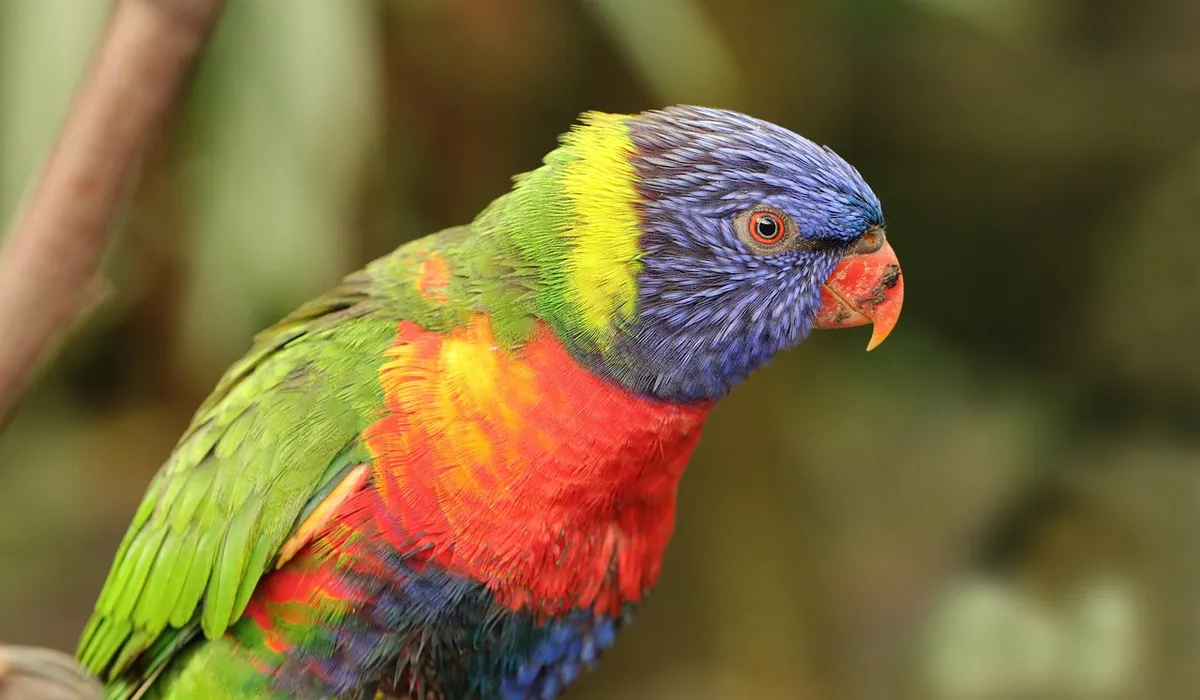
Spotting stress in your parrot early can prevent health issues and strengthen your bond. Understanding why parrots fluff their feathers can help you tell contentment from illness. Fluffing can indicate comfort or warmth, but excessive or unusual puffing, especially with other symptoms, may signal a health issue. Watch for these red flags to keep your feathered friend feeling safe and content.
- Feather fluffing: Birds puff up to trap air for warmth, but constant fluffing can signal illness or discomfort.
- Panting: Rapid breathing without exertion often means overheating or anxiety, especially in noisy environments.
- Retreating behavior: If your parrot hides in cage corners or avoids interaction, it might feel threatened or scared.
Compare these stressed signs with happy ones to quickly gauge your bird’s mood. To tell if your parrot is happy, check the 10 key signs many owners look for. We’ll highlight them so you can spot them easily. Happy parrots have smooth feathers, relaxed postures, and engage willingly with you.
| Behavior | Stressed Signs | Happy Signs |
|---|---|---|
| Feathers | Constantly fluffed, ragged | Sleek, preened regularly |
| Vocalization | Loud, repetitive squawks | Soft chirps, mimicry |
| Movement | Retreating, frantic pacing | Curious exploration, playing |
| Eating | Reduced appetite, food tossing | Eager feeding, sharing treats |
Environmental stress cues include sudden changes in lighting or loud sounds that make birds freeze or vocalize excessively. I’ve seen my Sun Conure, Sunny, get jumpy when I move his cage, so I always introduce changes slowly to avoid startling him.
Warning Signs in Eyes and Beak
Your parrot’s eyes and beak reveal a lot about its inner state. Eye pinning—where pupils rapidly dilate and contract—can indicate excitement or stress, depending on the situation. If you want to tell if your parrot is stressed, here are 15 warning signs to watch for. Recognizing these cues can help you respond quickly and keep your bird comfortable.
- Eye pinning: In stress, it often pairs with crouching or hissing; in happiness, it might accompany playful chattering.
- Beak tapping: Light taps on surfaces can be curious, but rapid, forceful tapping may signal irritation or fear.
- Other indicators: Beak wiping repeatedly or holding the beak open for long periods suggests discomfort or overheating.
Take action if these signs combine with other stress cues, like panting or feather ruffling. When Sage, my African Grey, pins her eyes while backing away, I give her space to calm down instead of pushing interaction.
Body Language of Fear or Anxiety
Recognizing fear early helps you respond with care and prevent escalation. Wing drooping, tail fanning, and foot tapping are common signs of anxiety in parrots. A calm, patient approach can help a scared or stressed parrot feel safe and begin to relax. Keep your voice soft and movements slow to reinforce calmness.
- Identify wing drooping: Wings held slightly away from the body, often with a hunched posture, indicate unease.
- Spot tail fanning: A fanned-out tail can mean aggression or fear, especially if paired with raised feathers.
- Notice foot tapping: Rapid tapping or lifting feet repeatedly suggests nervousness, like when meeting new people.
Respond by removing stressors, speaking softly, and offering a safe perch. I recall Kiwi, my Green-cheeked Conure, tapping his feet during vet visits, so I bring his favorite toy to distract him and ease his nerves.
Interpreting Specific Body Parts in Detail
Each body part tells a unique story about your parrot’s emotions. Breaking down these signals helps you become a better observer and caregiver for your bird.
| Body Part | Happy Examples | Stressed Examples |
|---|---|---|
| Crest (for species like cockatoos) | Raised slightly, relaxed | Fully erect or flattened tightly |
| Perching stance | Upright, balanced on one foot | Crouched, gripping perch tightly |
| Overall posture | Alert but loose, ready to play | Hunched, feathers puffed out |
Integrating elements like crest position adds depth to your observations. For instance, a raised crest in excitement differs from one in alarm-context is key to accurate reading.
Eyes: Windows to Parrot Emotions
Parrot eyes convey subtle shifts in mood that are easy to miss. Eye pinning can mean joy during play or fear when faced with a threat, so always check the surroundings.
- Eye pinning: Rapid changes in pupil size; in stress, it’s often fast and erratic.
- Pupil size: Dilated pupils in low light are normal, but in bright settings, they might signal anxiety.
- Expressions: Soft, half-closed eyes show contentment, while wide-eyed stares indicate alertness or fear.
Context matters-observe what’s happening around your bird to interpret these signs correctly. Sunny’s eyes pin when he sees his favorite treat, but if he’s alone in a noisy room, it could mean he’s overwhelmed.
Beak and Head Movements
Beak and head actions offer clues to your parrot’s comfort level. Beak grinding, often heard at rest, usually signifies relaxation and readiness to sleep. Understanding these behaviors can be even more insightful when combined with knowledge of other beak behaviors.
- Interpret beak grinding: A soft, rhythmic sound means your bird is calm and secure in its environment.
- Assess head bobbing: Gentle bobbing can be a greeting or feeding behavior, but rapid bobbing may show frustration.
- Evaluate tapping: Light beak taps on toys are playful, but hard taps on cage bars might signal boredom or stress.
Use these steps to gauge whether your parrot is content or needs attention. I’ve noticed Sage grinds her beak before napping, a habit that reassures me she’s feeling peaceful and well-cared for.
Wings, Tail, and Feet Signals
Wings, tail, and feet movements complete the picture of your parrot’s emotional state. Wing position changes from relaxed drooping to tense lifting can signal everything from curiosity to fear.
- Wing position: Slightly drooped wings in a warm room are normal, but held out stiffly often means overheating or stress.
- Tail twitching: A gentle wag might show happiness, while rapid flicking can indicate irritation or impending flight.
- Foot behaviors: Standing on one foot is a restful pose, but constant shifting or gripping too tight suggests anxiety.
Drawing from my flock, Kiwi often twitches his tail when he’s excited to see me, but if he does it while backing away, I know to give him space. Observing these details helps you advocate for your parrot’s welfare by addressing discomfort before it escalates.
Social and Environmental Context in Body Language
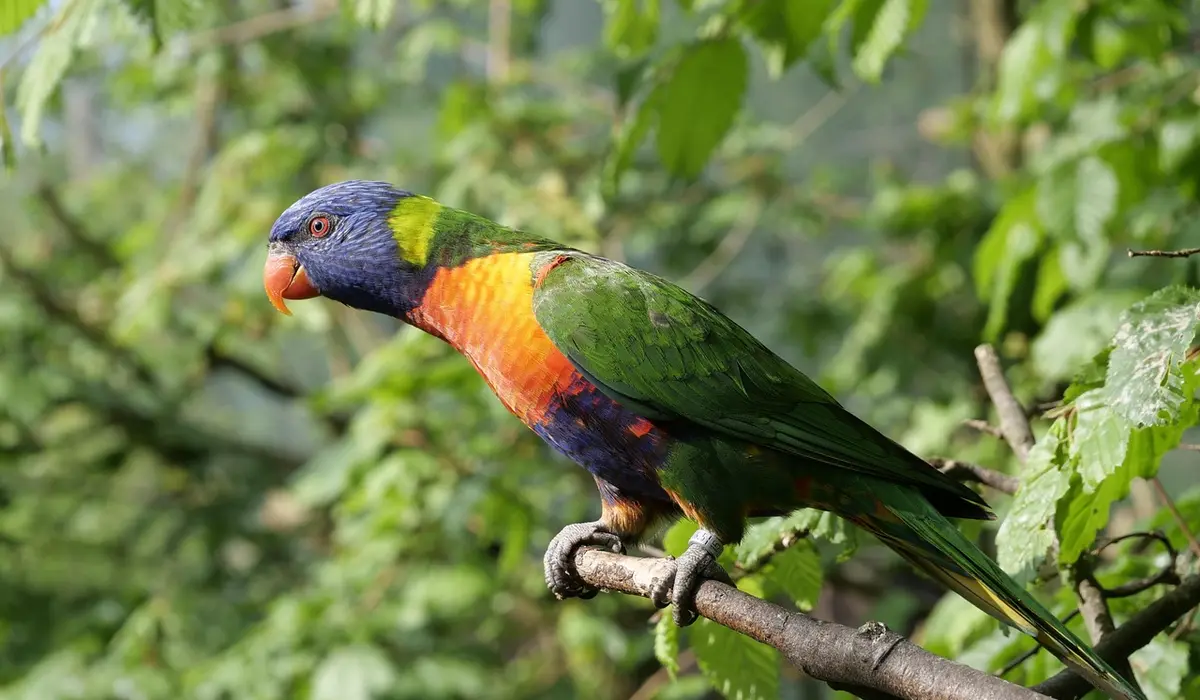
Your parrot’s signals can shift dramatically based on who’s around and what’s happening in their space. I’ve seen my Sun Conure Sunny go from relaxed to alert in seconds when a new person enters the room, showing how environment shapes every gesture. Watch for cues like a bird leaning toward you for attention or emitting sharp alarm calls when startled.
- Approaching behavior, such as hopping closer or bowing their head, often means they crave interaction.
- Vocal alarms, like repeated squawks, can signal fear from loud noises or unfamiliar sights.
- Stress from other pets, such as a cat staring, might cause feathers to puff up or hiding.
To observe context at home, note changes during daily routines like meal times or TV noise. Keep a simple log of what triggers happy chirps versus tense postures to spot patterns over time.
Social Interactions and Bonding
Parrots show clear signs when they want affection or handling. My African Grey Sage will gently nibble my finger when she’s ready for petting, a soft invite I never ignore. Look for relaxed body language with smooth feathers and slow blinks. Likewise, recognizing pain signals is part of a quick guide to parrot body language. Subtle cues like a stiff stance or ruffled feathers can indicate discomfort.
- Behaviors indicating desire for interaction include wing flutters, head bobbing, or soft chattering.
- For handling, wait for calm poses-avoid touching if they step back or pin their eyes, which can mean discomfort.
Reading these signals helps build trust without force. I always let Kiwi initiate contact first, which has deepened our bond through mutual respect.
Environmental Stressors and Calming Cues
Common stressors in homes can upset your bird, but you can ease their worries. Sudden movements or bright lights often make my parrots freeze or shriek, so I dim rooms and move slowly to soothe them. Keeping household noise at a steady, moderate level can help your parrot manage sound and reduce stress. Identify what disrupts their peace.
- Loud appliances, like vacuums, may cause feather ruffling or frantic flying.
- New objects in their cage can lead to avoidance or aggressive pecking.
- Mitigate stress by providing hiding spots, such as a covered perch or tent.
To create a low-stress environment, follow these steps:
- Place the cage in a quiet corner away from high-traffic areas.
- Use soft, consistent background sounds, like gentle music, to mask jarring noises.
- Maintain a stable routine for feeding and play to reduce anxiety.
With Sage, I’ve found that a predictable schedule cuts down her nervous pacing by half.
Practical Application: Enhancing Your Parrot’s Well-being
Use body language clues to tweak daily care for a happier bird. Noticing when Sunny fluffs her feathers contentedly after play tells me she’s in a good mood, so I reward her with a favorite treat. Actionable steps make all the difference.
Do’s for a happy bird:
- Offer variety in toys and perches to encourage exploration.
- Engage in interactive games, like fetch or puzzle feeders, to stimulate their mind.
- Provide fresh fruits and veggies daily to support health and mood.
Don’ts for a stressed bird:
- Avoid forcing interactions if they show signs like biting or turning away.
- Don’t leave them in noisy, chaotic spaces for long periods.
- Refrain from sudden changes in diet or environment without gradual introduction.
My personal routine includes morning chats with Kiwi and evening wind-down time, which keeps all my parrots chirpy and calm.
Responding to Your Parrot’s Signals
Reinforce happy behaviors and address stress with simple steps. When Sage does a little dance, I join in with praise, strengthening her joyful expressions. For calming stress, move slowly and speak softly.
- If they’re relaxed, offer a scratch or a treat to encourage repetition.
- For stress, remove the trigger and provide a safe space, like a covered cage.
- Monitor for persistent issues like feather plucking or loss of appetite.
Seek vet care if unusual behaviors last more than a few days, as it could signal health problems needing expert attention.
Daily Care Tips for a Content Bird
Routines prevent boredom and stress by giving your parrot stability. I mix up toys weekly for Sunny to avoid monotony, and she stays engaged and cheerful. Short, routine training sessions can help address behavioral issues by reinforcing positive actions. Tailor care to their body language signals.
- For diet, observe if they eagerly eat or ignore food-adjust with nutritious options like leafy greens or pellets.
- Incorporate play sessions when they’re active and alert, using foraging toys to mimic natural behaviors.
- Ensure 10-12 hours of quiet sleep by covering the cage at night, which reduces irritability.
By tuning into their cues, you can create a life full of joy and comfort for your feathered friend.
FAQs
How can I tell if my parrot wants to be petted?
Watch for them leaning in with a relaxed body and soft, slow blinks. Avoid approaching if they step back or show tense feathers, as this indicates they prefer space.
Is it okay to pet my parrot at night, and how can I tell if they want it?
At night, parrots are often winding down, so only pet if they make gentle contact calls or nuzzle your hand. If they fluff up and tuck their head, they are likely ready to sleep and should not be disturbed.
What are some specific body language cues for Green Parrots?
Green parrots, such as Amazons, may brighten their feather colors when content and use distinct, melodic calls. They might also fan their tail or raise their neck feathers slightly to show excitement or alertness.
How does Quaker Parrot body language differ from other species?
Quaker parrots often bob their heads rhythmically as a greeting or during play, and they may shiver or quiver their wings when excited. They can also display territorial behaviors by puffing up and chattering loudly near their cage.
Where can I find a parrot body language chart for quick reference?
Check online pet care websites or avian forums for downloadable charts that summarize key signals. You can also use the comparison tables in this article as a starting point to create your own visual guide.
In Closing
By tuning into your parrot’s body language, you can spot the subtle shifts between joy and distress, like Kiwi’s playful chirps versus her tense silence. Regular observation builds a deeper bond, letting you address needs before they escalate into health issues. I’ve learned that each bird, from Sunny’s vibrant displays to Sage’s calm gazes, has unique tells that guide daily care.
Responsible parrot ownership means committing to their complex emotional and physical needs through ongoing education and attentive practices. Advocating for animal welfare starts with staying curious and adapting to new insights in parrot behavior and care. Your dedication ensures a thriving, happy life for your feathered companion, enriching both your worlds.
Further Reading & Sources
- Understanding your parrot’s body language – ExoticDirect
- Parrot Love: Reading Bird Body Language – Hagen Avicultural Research Institute
- Parrot Body Language – Northern Parrots
Suzanne Levine is a dedicated parrot enthusiast and experienced avian caregiver with over 15 years of hands-on experience in parrot care. As the founder of Parrot Care Central, Suzanne is passionate about sharing her knowledge and insights to help fellow parrot owners provide the best possible care for their feathered friends. Her expertise spans nutrition, behavior, health, and enrichment, making her a trusted resource in the parrot care community.
Health & Wellness