
Parrot Ownership Laws in India: Your Simple Legal Guide
Published on: December 24, 2025 | Last Updated: December 24, 2025
Written By: Suzanne Levine
Thinking about welcoming a parrot into your home in India? You might be wondering if it’s legal, what rules apply, and how to avoid hefty fines or unintentionally harming these intelligent birds.
From my years caring for parrots like Kiwi, Sunny, and Sage, I’ve learned the ins and outs of ownership laws firsthand. I’ll help you grasp the essentials with these key points:
- Which parrot species are protected under Indian wildlife laws and why it matters.
- How to legally own a parrot with the right permits and avoid penalties.
- Why ethical ownership supports parrot welfare and keeps them thriving.
You’ll walk away with straightforward steps to make smart, lawful choices. We’ll dive into: protected species list, legal documentation process, penalty details, ethical care tips.
Parrots in India: Native Species and Their Status
India hosts several stunning native parrot species, each with unique traits and habitats.
- Alexandrine Parakeet: Named after Alexander the Great, these large parrots sport vibrant green feathers with a maroon shoulder patch and massive red beaks.
- Rose-ringed Parakeet: Easily spotted in urban areas, they flaunt green plumage, with males displaying a distinctive black and rose neck ring.
- Plum-headed Parakeet: Smaller and quieter, males boast a plum-colored head, while females have a soft grey-blue hue.
- Malabar Parakeet: Endemic to the Western Ghats, these birds shine with bright green bodies and bluish-grey faces.
- Vernal Hanging-Parrot: Tiny and acrobatic, they sleep upside down and feature green feathers with orange-red rumps.
These parrots thrive in diverse environments, from dense forests and woodlands to city parks and agricultural lands.
Many species adapt to human presence, but habitat loss pushes them into closer contact with people.
Under the Wildlife Protection Act, 1972, most native parrots fall under Schedule IV, granting them protection but allowing some ownership under specific conditions. Understanding why parrots die suddenly, including common causes and prevention, is essential for responsible care. It highlights the steps owners can take to reduce risk and keep parrots healthy.
However, the Alexandrine Parakeet is listed in Schedule I, offering it the highest level of protection due to significant population declines.
Conservation status varies, with some species like the Rose-ringed Parakeet being common, while others face threats from deforestation and illegal trade.
Protections exist primarily to curb poaching and trafficking, which have drastically reduced wild populations over decades.
From my experience volunteering with bird rescues, I’ve seen how illegal trapping devastates local flocks, making these laws vital for survival.
The Legal Framework: Wildlife Protection Act and CITES
The Wildlife Protection Act, 1972, serves as India’s cornerstone for safeguarding biodiversity, including parrots.
It categorizes species into schedules that dictate their level of protection and legal handling.
- Schedule I: Includes highly endangered species like the Alexandrine Parakeet, prohibiting their capture, trade, or ownership without exceptional permits.
- Schedule IV: Covers species like Rose-ringed and Plum-headed Parakeets, allowing captive ownership only with proper documentation from authorities.
Violating these provisions can lead to hefty fines or imprisonment, emphasizing the law’s seriousness.
CITES, the Convention on International Trade in Endangered Species, complements this by regulating cross-border trade to prevent overexploitation.
India is a signatory, meaning all parrot trade, whether import or export, must adhere to CITES appendices.
- Appendix I: Lists species threatened with extinction, such as certain macaws, banning commercial international trade.
- Appendix II: Includes species not necessarily threatened but requiring controlled trade, like many Indian parrots, to avoid endangerment.
CITIES ensures that wild-caught parrots aren’t smuggled internationally, reducing pressure on native populations.
Key regulations mandate that any captive parrot must be legally sourced, with proof like registration certificates or bred-in-captivity tags.
These rules exist because unregulated trade has historically led to population crashes, as I’ve witnessed in rescue cases where birds suffered from stress and poor health.
By enforcing these laws, India aims to balance ecological preservation with responsible pet ownership, ensuring parrots thrive in the wild and in homes.
Which Parrots Are Legal and Illegal to Keep
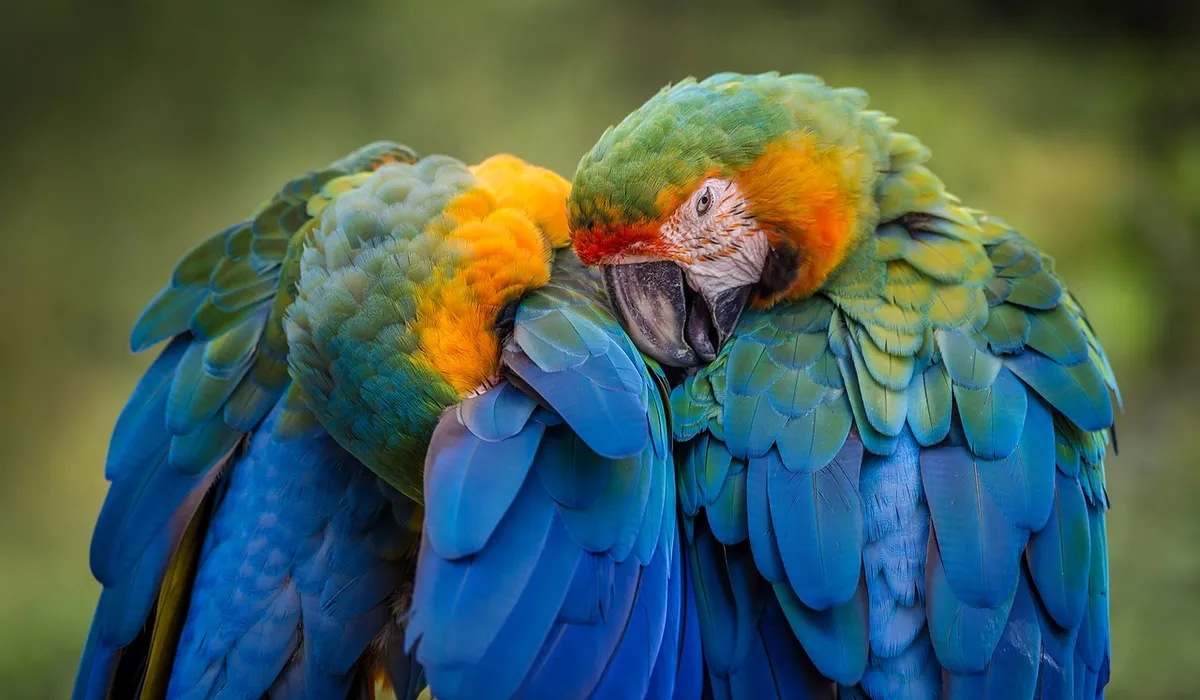
Navigating parrot ownership in India means knowing which species you can legally care for with proper permits and which are strictly off-limits. Getting it right protects both you and these incredible birds from legal trouble and harm. Once you’ve secured the necessary permits and protections, the next step is socializing your parrot after quarantine with a clear, step-by-step introduction guide. A gradual, structured socialization plan helps your bird acclimate to people and daily routines, building trust and comfort in your home.
- Legal parrot species with permits include Rose-ringed Parakeets, Alexandrine Parrots, and Plum-headed Parakeets, as they are native and regulated under the Wildlife Protection Act, 1972.
- Banned species, like the African Grey Parrot, along with Macaws and Cockatoos, face strict protection due to their endangered status and international trade restrictions.
- Differences between native and exotic parrots under Indian law are stark: native birds often have permit-based ownership to control population impacts, while most exotics are banned to prevent ecological disruption and illegal trafficking.
From my time caring for parrots like Kiwi, my Green-cheeked Conure, I’ve learned that sticking to legal species isn’t just about rules—it’s a commitment to animal welfare. Choosing a permitted parrot ensures you’re not contributing to the decline of vulnerable wild populations. African grey parrots are endangered largely due to habitat loss and illegal trapping for the pet trade. By choosing legally sourced birds, we can help lessen the market that fuels those harms.
Common Legal Parrots in India
If you’re considering a feathered friend, start with species that are widely accepted with the right paperwork. Always verify permits with local forest departments, as requirements can vary.
- Alexandrine Parrots are permissible with permits and cherished for their intelligence and vibrant green plumage, making them a popular choice among bird lovers.
- State-specific variations exist; for example, in states like Tamil Nadu or Maharashtra, enforcement might be stricter, so double-check regional guidelines to avoid surprises.
I’ve met many owners who adore their Alexandrines for their playful antics, much like my Sunny, the Sun Conure, who brightens my days. Opting for legal parrots like these supports conservation efforts and keeps your hobby ethical.
Illegal Parrots and Why They’re Banned
Keeping banned parrots might seem tempting, but it’s a risky move that harms ecosystems and violates laws. Illegal ownership often stems from ignorance, but the consequences are severe for both birds and people.
- Prohibited species include African Grey Parrots, Hyacinth Macaws, and Yellow-crested Cockatoos, listed under CITES and India’s Schedule I for high protection.
- Ecological reasons focus on preventing species extinction and habitat loss, while legal grounds stem from India’s commitment to global treaties that curb wildlife trafficking.
Seeing an African Grey like Sage in captivity always reminds me how their ban safeguards their future in the wild. The CITES treaty explains parrot ownership isn’t a free-for-all and requires permits. It ensures birds come from legal, traceable sources to protect wild populations. Respecting these bans is a simple way to advocate for parrot welfare and global biodiversity.
How to Legally Own a Parrot: Permits and Process
Navigating the legal path to parrot ownership in India feels like teaching a bird to talk-it requires patience and the right approach. Your first stop is always your state’s Chief Wildlife Warden’s office, as they hold the keys to legal ownership. I learned this the hard way when adopting Kiwi; skipping this step can lead to heartbreak and hefty fines.
Applying for a Parrot Ownership Permit
- Contact your state wildlife department to request the application form for a Captive Animal License.
- Gather your identification proof, address verification, and recent passport-sized photographs.
- Submit the completed form with supporting documents to the district forest office.
- Prepare your home for the mandatory inspection where officials verify cage size and safety standards.
- Pay the prescribed fee and wait 30-60 days for approval while the department processes your application.
Dealing with multiple agencies-from local forest offices to state wildlife boards-often creates delays, so start early and keep copies of everything. When I applied for Sunny’s permit, following up politely every two weeks moved things along faster.
Required Documents Checklist
- Proof of identity (Aadhaar card, passport, or driver’s license)
- Proof of residence (utility bill or rental agreement)
- Veterinary health certificate for the parrot
- Photographs of the enclosure showing proper dimensions
- Purchase invoice or adoption papers from a certified breeder
Having these documents ready cuts processing time significantly, as I discovered when registering Sage. Missing paperwork sent me back three times before I got it right.
Maintaining Legal Compliance
- Renew licenses annually before expiration dates
- Keep vaccination and health checkup records updated
- Ensure cage dimensions meet minimum space requirements
- Report any escape or death to authorities within 24 hours
- Never transport parrots across state lines without transit permits
Setting calendar reminders for renewals saves you from accidental lapses that could jeopardize your ownership rights. My birds’ paperwork lives in a dedicated folder I update every veterinary visit.
Penalties for Illegal Parrot Ownership
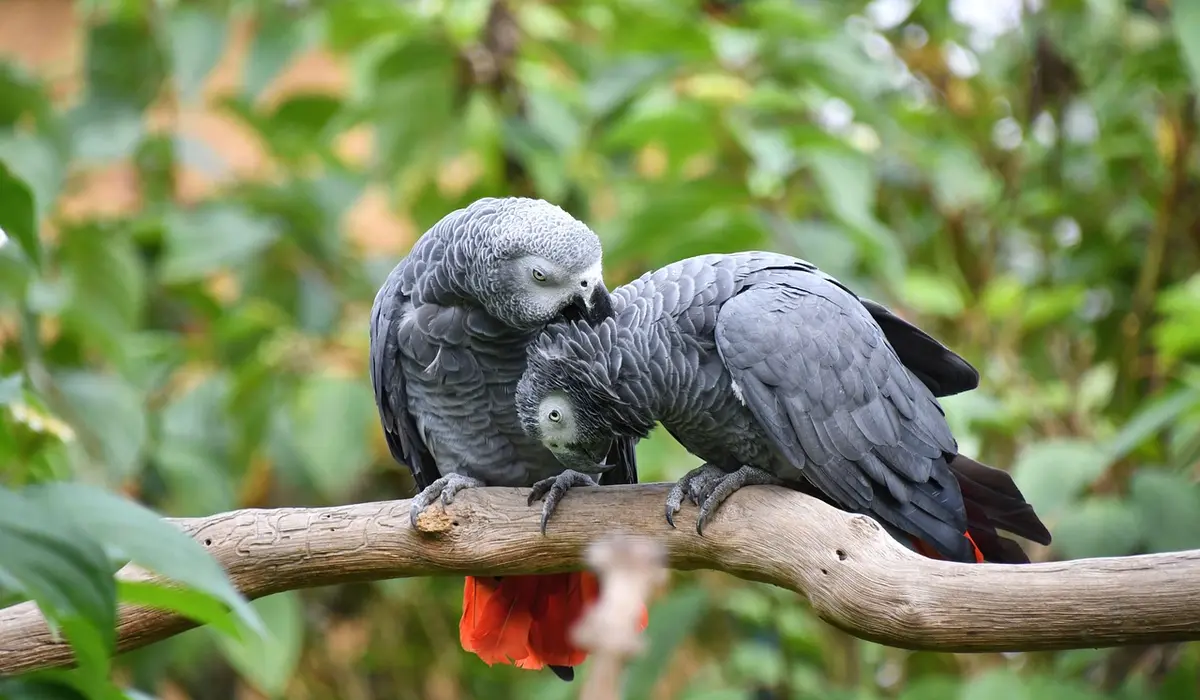
Getting caught with a protected parrot species without the proper paperwork isn’t a simple warning. The legal consequences are severe and designed to act as a powerful deterrent against the illegal wildlife trade. I’ve seen the heartbreak of birds being seized, and the financial and legal nightmare it creates for the unprepared owner. Beyond the legal stakes, humans can get sick from parrots, so understanding zoonotic disease risks is essential. This awareness helps protect both people and birds.
Fines, Imprisonment, and Other Penalties
The Wildlife (Protection) Act of 1972 lays down the law. For most protected Indian parrots, like the Ring-necked Parakeet, the penalties are no joke.
- Hefty Fines: You could be looking at a minimum fine of ₹25,000, which can go much higher depending on the severity of the offense.
- Jail Time: This isn’t just a financial hit. The law mandates imprisonment for a term which can extend up to seven years. In many cases, it’s a minimum of three years.
- Confiscation: The bird will be immediately seized by authorities and placed into a government-approved rescue center or zoo. You will not get your feathered friend back.
Enforcement and How to Report Illegal Activity
Laws are only as good as their enforcement. In India, the State Forest Departments are the primary agencies tasked with tackling wildlife crime.
- Who to Contact: If you suspect illegal parrot trade or ownership, your first point of contact should be the local Forest Department office. You can also call the nationwide wildlife crime helpline.
- How to Report: Be prepared to provide as much detail as possible – location, descriptions of people involved, vehicle numbers, and any photos or videos if you can safely obtain them. Your report can be anonymous.
- Market Raids: Authorities regularly conduct surprise raids on bird markets and pet shops. I’ve witnessed these operations, and they are a key tool in disrupting the supply chain of illegally captured birds.
Real-World Consequences Beyond the Law
The legal penalties are stark, but the real-world fallout can be just as devastating.
- Trauma for the Bird: A confiscated parrot is often stressed, frightened, and may have already endured a traumatic capture and transport. Rehabilitation is a long, difficult process.
- Financial Burden: Beyond the fine, you could face legal fees and the complete loss of your investment in the bird, its cage, and its supplies.
- Social Stigma: Being involved in a wildlife crime case carries a significant social stigma and can impact your personal and professional reputation.
- Health Risks: Illegally traded birds are rarely vetted. You could be introducing diseases like Psittacosis into your home, posing a risk to your family and any other pets you have. I always quarantine any new bird, but with an illegal bird, the health history is a complete mystery.
Responsible Parrot Care Under Indian Law
Owning a parrot legally is just the first step. True responsibility means providing a life that honors their wild spirit, even within your home. My own Green-cheeked Conure, Kiwi, taught me that legality and ethics must walk together. I see his need for flight, foraging, and mental challenges—needs that don’t disappear just because he lives with me. Your new parrot’s first day home calls for a step-by-step survival guide. Start simple, keep sessions short, and build trust from day one.
Ethical Care is Non-Negotiable
The law sets a minimum standard, but your care should aim much higher. A proper diet, spacious housing, and mental enrichment aren’t just nice extras; they are your duty as a legal guardian.
- Diet: Many people offer only seeds, but this is like feeding a child candy for every meal. My birds thrive on pellets, fresh chopped vegetables, and occasional fruit treats. A poor diet leads to malnutrition and suffering.
- Housing: A small, barren cage is a prison. Parrots need large enclosures for flight, with natural wood perches of varying diameters to keep their feet healthy. My conures’ cage is their safe base, but they spend most of their day outside it.
- Welfare: Parrots are intelligent, emotional beings. They can get bored, depressed, or stressed. Daily out-of-cage time, foraging toys, and positive social interaction are not optional. I’ve seen the dramatic change in my parrot Sage’s demeanor when her environment is stimulating.
Find Expert Guidance
You are not alone in this journey. Wildlife rescue and rehabilitation centers are invaluable, often overlooked resources. They deal with the heartbreaking consequences of illegal trade and improper care every single day.
I’ve visited local centers to learn and volunteer. The staff can offer species-specific advice on behavior, diet, and habitat setup that generic pet stores cannot. They can also direct you to avian veterinarians, which is critical because most regular vets aren’t trained to treat birds. When care is needed, ask staff for a board-certified avian veterinarian or a bird specialist. Look for someone with hands-on experience with your bird’s species.
Be Part of the Solution
Responsible ownership extends beyond your home. Every time you choose to adopt a rescued bird or buy from a reputable, legal breeder, you cast a vote against the cruel illegal wildlife trade. The demand for cheap, exotic parrots fuels a cycle of immense animal suffering. So which option is right for you? Weigh the bird’s well-being, your resources, and your long-term commitment before deciding between adoption and purchasing from a reputable source.
- Adopt, Don’t Shop: Many rescue centers have parrots in need of forever homes. These birds are often already habituated to human care and come with a known history.
- Spread Awareness: Talk to friends and family. Share on social media about the importance of legal ownership and proper care. Public pressure can lead to better enforcement of wildlife laws.
- Report Illegal Activity: If you see parrots being sold illegally or kept in deplorable conditions, report it to the local forest department or a wildlife rescue organization. You could save a life.
Common Questions
Can I legally buy a parrot from a local bird market in India?
Purchasing from unverified local markets is extremely risky, as many birds are illegally trapped from the wild. You must only acquire a parrot from a certified and licensed breeder who can provide all the necessary legal documentation. To choose the right pet parrot for your home lifestyle, assess your space, daily routine, and noise tolerance. A certified breeder can help match you with a parrot that fits your living environment and care capacity.
Do I need to renew my parrot ownership permit, and what happens if I move to a different state?
Yes, permits typically require annual renewal with the state’s wildlife authority. If you relocate, you must apply for a new permit or a transit permit from the Chief Wildlife Warden, as ownership licenses are generally state-specific.
How strictly are parrot ownership laws enforced for common species like the Rose-ringed Parakeet?
Enforcement is becoming increasingly strict, even for common species, due to rising conservation efforts. Authorities conduct raids on markets and homes, and ignorance of the law is not considered a valid defense if you are found with an unregistered bird.
Why are exotic parrots like African Greys completely banned in India?
These bans exist primarily to protect global biodiversity and prevent the introduction of non-native species that could disrupt local ecosystems. International treaties like CITES, which India is part of, strictly regulate the trade of these endangered species to combat trafficking.
What is the legal procedure if I inherit a parrot from a family member?
You must formally transfer the ownership permit into your name by submitting an application to the wildlife department. Failure to do so renders the possession illegal, and the bird could be confiscated by the authorities.
Closing the Loop
Always research your local state laws before bringing a parrot home, and ensure any bird you acquire has proper CITES certification and is registered if required. Staying legally compliant from the start is the foundation of a secure and happy life for your parrot. These same steps are essential when traveling with your parrot. Always verify airline policies and destination pet requirements before a trip to keep your bird safe and compliant.
Remember, legal ownership is just the first step; true care means committing to their complex needs for decades. Your journey as a parrot guardian is one of continuous learning and unwavering responsibility.
Further Reading & Sources
- Most Popular Exotic Pet Birds That You Can Legally Keep in India
- Is Keeping Parrot Legal in India? – Law Legal Hub
- Which Pets are Legal in India? | Petopia Gala
Suzanne Levine is a dedicated parrot enthusiast and experienced avian caregiver with over 15 years of hands-on experience in parrot care. As the founder of Parrot Care Central, Suzanne is passionate about sharing her knowledge and insights to help fellow parrot owners provide the best possible care for their feathered friends. Her expertise spans nutrition, behavior, health, and enrichment, making her a trusted resource in the parrot care community.
Finding a Parrot