
Parrot End-of-Life Care: A Compassionate Guide
Published on: February 17, 2026 | Last Updated: February 17, 2026
Written By: Suzanne Levine
Facing your parrot’s final days is one of the hardest things a bird owner will ever experience. The mix of love, worry, and the desperate need to do right by your feathered friend can feel overwhelming.
I’ve walked this difficult path with my own birds, and I’m here to help you navigate it with clarity and heart. We’ll focus on three key takeaways:
- Recognizing the subtle signs of decline in your parrot
- Creating a comfortable and pain-free environment for their final days
- Making compassionate decisions about euthanasia and aftercare
You will get clear, step-by-step advice to honor your parrot’s life with grace. This guide covers the essential topics you need, from the first difficult signs to saying a peaceful goodbye.
Topics covered: Recognizing end-of-life signs, Providing comfort and pain management, The euthanasia decision, Aftercare options, Grieving and memorializing your parrot. We also address why parrots die suddenly, common causes, and practical prevention tips. Understanding these risks helps you take proactive steps to keep your parrot healthy.
Recognizing When Your Parrot Needs Special Support
Physical Indicators of Aging or Illness
Your parrot’s body often speaks before they make a sound. Watch for subtle shifts in their feathers, posture, and daily routines that signal it’s time for extra care. I noticed my Green-cheeked Conure, Kiwi, started sleeping more and her vibrant green feathers lost some luster long before her appetite changed.
- Changes in feather quality: Dullness, fluffing up for long periods, or difficulty preening
- Reduced mobility: Trouble perching, climbing, or flying that wasn’t present before
- Weight changes: Either weight loss or unusual weight gain visible through keel bone prominence
- Altered eating habits: Dropping favorite foods, eating slower, or difficulty swallowing
- Eye changes: Cloudiness, discharge, or half-closed eyes through the day
Emotional and Behavioral Changes
Parrots communicate volumes through their behavior and emotional state. Your bird might become more withdrawn or unusually clingy as they navigate discomfort or aging. My Sun Conure, Sunny, who typically demanded constant attention, began preferring quiet corners in his final months.
- Social withdrawal: Avoiding interaction with family members or cage mates
- Vocalization changes: Unusual quietness or different types of calls
- Reduced play: Ignoring favorite toys or activities they once enjoyed
- Sleep pattern shifts: Sleeping more during active hours or restlessness at night
- Personality fluctuations: A normally confident bird becoming nervous or anxious
Creating a Comfort-Focused Environment for Your Parrot
Hydration and Nutrition Adjustments
What goes into your parrot’s body becomes their primary source of comfort and strength. Focus on easy-to-eat, nutrient-rich foods and constant access to fresh water when your parrot needs extra support. I found my African Grey, Sage, appreciated warm, soft foods during his last year when his beak strength diminished. If you’re looking at homemade parrot food recipes, healthy, nutritious options can be tailored to your bird’s needs. Simple, safe ingredients like cooked grains, leafy greens, and chopped fruit can be combined into balanced, comforting meals.
- Softer food options: Mashed sweet potatoes, cooked grains, or softened pellets
- Hydration assistance: Offering water through syringes or adding low-sodium broth
- Temperature considerations: Serving foods at room temperature or slightly warmed
- Feeding frequency: Smaller, more frequent meals instead of large portions
- Favorite treats: Incorporating their most loved foods to maintain interest in eating
Pain Management and Enrichment Ideas
Comfort extends beyond physical relief to mental peace during challenging times. Work closely with your avian veterinarian to create a pain management plan while adapting enrichment to your parrot’s current abilities. I created lower perches and introduced gentle music sessions for Kiwi when arthritis made climbing difficult—especially after noticing the subtle signs of discomfort.
- Veterinary pain relief: Prescribed medications administered exactly as directed
- Cage modifications: Lower perches, ramps, and easily accessible food stations
- Gentle enrichment: Soft music, quiet conversation, or window viewing from comfortable perches
- Temperature regulation: Heating pads (approved by your vet) or avoiding drafts
- Comfort items: Familiar toys, soft fabrics, or your presence nearby for reassurance
Navigating the Decision for Euthanasia
When Euthanasia Becomes the Kindest Choice
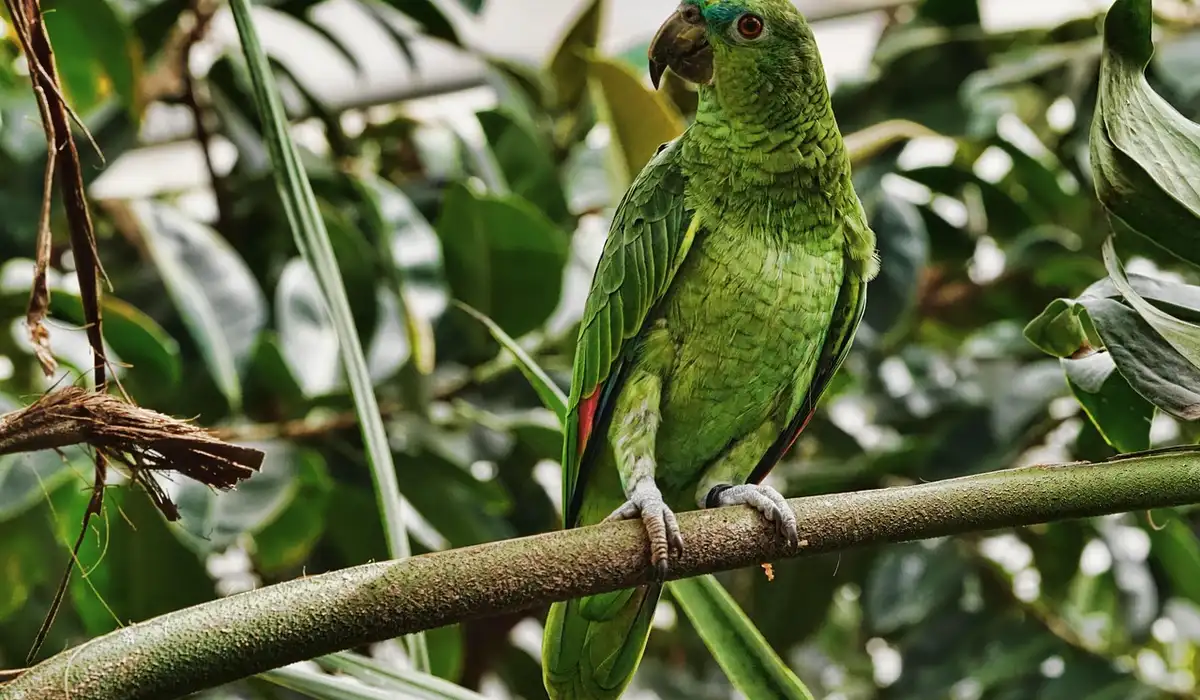
You might notice your parrot hiding more, refusing favorite treats, or struggling to perch—these are signs their body is giving up. I’ve seen this with my own birds, like when Sunny, my sun conure, stopped chirping and just sat quietly, which was totally unlike her playful self. Also, watch for respiratory distress signs such as rapid or labored breathing, open-mouth breathing, tail bobbing, nostril flaring, or wheezing. A quick respiratory distress checklist can help you spot breathing problems in parrots early and know when to seek urgent veterinary care. Chronic pain, labored breathing, or no interest in interaction often mean their quality of life has dipped too low. Vets use scales to assess pain and mobility, but you know your feathered friend best. If daily life is more struggle than joy, euthanasia can be a gentle release from suffering.
Think about their ability to eat, move, and show curiosity. Parrots like my African grey, Sage, are smart and will mask pain, so watch for subtle changes like feather plucking or listlessness. Sometimes those subtle signs point to signs of avian depression, not just pain. Solutions include enrichment, more social time, and veterinary guidance. It’s not about giving up; it’s about choosing compassion over prolonged agony. I recall a time when a vet helped me understand that for birds, ending pain is an act of love, not failure.
- Monitor for persistent weight loss or dehydration
- Note if they can’t preen or fly short distances
- Check for signs of distress like constant vocalizations or aggression
Preparing Yourself and Your Family
This decision hits hard, and it’s okay to feel grief even before it happens. Talking openly with family, especially kids, helps everyone process emotions together. I sat down with my niece to explain why Kiwi, my green-cheeked conure, might need to rest forever, using simple words and letting her ask questions. Create a support circle-friends, online parrot communities, or a counselor can ease the burden.
Plan a quiet day beforehand to share final moments, like offering a favorite fruit or soft music. Remember, your parrot senses your stress, so staying calm helps them feel safe too. By shaping your home’s soundscape—lower background noise and gentle sounds—you can help your parrot manage household noise and reduce stress. A calmer environment supports smoother final moments. Here’s how to prepare emotionally:
- Share stories and photos to celebrate your bird’s life
- Discuss roles-who will be present during the procedure
- Set up a comforting space with familiar toys or perches
Planning and Experiencing the Farewell Process
What to Expect During Euthanasia
The vet will typically start with a sedative to relax your parrot, so they drift off peacefully. You can hold them or speak softly, just like I did with Sage, whose calm demeanor made it a bit easier to say goodbye. The actual injection is quick and painless, often causing them to fall asleep within seconds. Expect a quiet room, maybe with dim lights, to keep things serene. Your vet may also outline any medications your bird needs after the procedure. Common avian meds include antibiotics or anti-inflammatories, with simple dosing guidance.
Afterward, they might twitch or take a final breath-it’s normal and doesn’t mean they’re in pain. Staying by their side until the end shows them they’re loved, reducing fear in their final moments. Vets are gentle and explain each step, so ask questions if you’re unsure. I’ve found that focusing on the relief from suffering helps ease the heartache.
Aftercare Options for Your Parrot’s Remains
You have choices to honor your parrot’s memory in a way that feels right for you. Home burial lets you plant a tree or flowers as a living tribute, but check local regulations first. For my birds, I’ve chosen cremation because it’s flexible-you can keep the ashes in an urn or scatter them in a meaningful spot. Pet cemeteries offer dedicated spaces if you prefer a visitable grave.
Consider what aligns with your beliefs and space. Communal cremation is budget-friendly and still respectful, while private services allow for personal keepsakes like paw prints or feathers. Here are common options:
- Burial in a backyard or pet cemetery
- Cremation with ashes returned or scattered
- Taxidermy or memorial jewelry for a tangible reminder
Whatever you pick, it’s a step toward healing. I’ve kept a feather from each of my parrots as a sweet memento that brings a smile on tough days.
Honoring Your Parrot’s Life and Legacy
Celebrating your parrot’s unique spirit brings comfort during this tough time. Reflecting on their personality, like my Green-cheeked Conure Kiwi’s playful antics, helps keep their memory vibrant and alive.
You can create lasting tributes that honor the bond you shared. Simple acts of remembrance turn grief into a beautiful celebration of their life.
Simple Farewell Rituals You Can Do at Home
After my Sun Conure Sunny passed, I found peace in quiet home rituals. These easy steps let you say goodbye in a personal and meaningful way.
- Light a candle and share favorite memories aloud.
- Play their favorite sounds or music they enjoyed.
- Create a small memorial with photos and feathers.
- Write a letter to your parrot expressing your love.
- Plant a flower or tree in their honor.
Each ritual helps you process emotions gently. Focus on what feels right for you and your feathered friend’s legacy.
Coping with Grief and Moving Forward
Grieving a parrot is natural and takes time. Allow yourself to feel the sadness without rushing the healing process. If you’re seeking support, a parrot loss coping guide can offer practical tips for grief and bereavement. It can help you navigate this difficult time with compassion.
I remember how empty the house felt after Sage, my African Grey, was gone. Talking with other parrot owners who understand your loss can ease the loneliness.
- Join online support groups for pet loss.
- Keep a journal of your feelings and happy memories.
- Engage in gentle activities like walking or drawing.
- Consider volunteering at a bird rescue to honor their memory.
Moving forward doesn’t mean forgetting. Cherish the joy they brought while opening your heart to new possibilities.
FAQs
Is it normal to consider getting another parrot after a loss?
Yes, it’s a common part of the grieving process to think about bringing a new bird into your life. Take your time to heal and ensure you’re ready before making any decisions.
How can I support other pets who were bonded with the parrot?
Maintain their routines and provide extra attention to help them adjust to the absence. Watch for signs of stress, like changes in behavior, and consult a vet if needed.
What are the legal considerations for burying a parrot at home?
Check local regulations, as some areas have restrictions on pet burials in residential properties. Always ensure the burial site is deep enough to prevent disturbance and is environmentally safe.
In Closing
Caring for your parrot at the end of its life is one of the most profound acts of love you can offer. Focus on their comfort, manage pain with veterinary guidance, and treasure the quiet moments of connection. During vet visits, gentle handling and a calm, familiar environment can reduce stress for your parrot. Ask the vet about safe restraint techniques to keep them comfortable. The decisions you make, from palliative care to humane euthanasia, are made with their best interests at heart.
This journey underscores the deep responsibility we accept when we welcome these intelligent beings into our homes. Parrots are among the most intelligent birds, capable of problem-solving and nuanced communication. This intelligence is exactly why mental stimulation, enrichment, and consistent social interaction matter every day. Let this experience reinforce your commitment to lifelong learning about parrot behavior, nutrition, and welfare. Our feathered companions depend on us for everything, and honoring their lives means being the most informed and compassionate guardians we can be.
Further Reading & Sources
- How To Cope With Losing A Bird – Northern Parrots
- r/parrots on Reddit: End of life
- Planning for the care of your parrot when you no longer can – The Oasis Sanctuary
Suzanne Levine is a dedicated parrot enthusiast and experienced avian caregiver with over 15 years of hands-on experience in parrot care. As the founder of Parrot Care Central, Suzanne is passionate about sharing her knowledge and insights to help fellow parrot owners provide the best possible care for their feathered friends. Her expertise spans nutrition, behavior, health, and enrichment, making her a trusted resource in the parrot care community.
Health & Wellness