
A Guide to Common Avian Medications: What to Expect from Your Vet
Published on: February 19, 2026 | Last Updated: February 19, 2026
Written By: Suzanne Levine
Seeing your feathered friend unwell can make your heart race with worry about giving them the right medicine and handling vet visits.
I have cared for birds like my playful conure Kiwi and smart African Grey Sage for years, so I understand those fears firsthand. This guide will help you feel more confident by breaking down key aspects of avian medications.
We will focus on:
- Recognizing when your bird truly needs medication and spotting common health signs.
- Exploring frequent types of avian drugs, from antibiotics to pain relievers, and how they work.
- Preparing for vet appointments with the right questions to ensure your bird’s comfort and safety.
You will get straightforward advice that puts your bird’s welfare first. Topics covered include: antibiotics, antifungals, anti-inflammatories, administration methods, cost considerations, follow-up care. Annual vet checkups for parrots are a cornerstone of parrots’ preventative care. This guide explains why regular wellness visits matter and how early detection can help keep your bird thriving.
Understanding Why Your Parrot Needs Medications
Knowing about avian medications before your vet visit transforms you from a worried owner into an informed partner in your bird’s health. This knowledge helps you ask better questions and understand the treatment plan your vet recommends.
Parrots are masters at hiding illness, a survival instinct from the wild, so by the time we notice symptoms, they often need medical help fast. These common health issues affecting lifespan can influence a parrot’s lifespan if not addressed promptly. Common issues requiring prescriptions include:
- Respiratory infections, often signaled by sneezing or tail bobbing.
- Psittacosis, a bacterial infection that can affect humans too.
- Feather plucking driven by skin infections or systemic illness.
- Gastrointestinal problems like yeast or bacterial overgrowth.
- External parasites such as mites or internal worms.
I remember my first urgent vet visit with Kiwi, my Green-cheeked Conure; he was unusually quiet and puffed up. Walking in with a basic understanding of common antibiotics and antifungals made the stressful situation feel more manageable. I could follow the vet’s logic and felt confident in administering the prescribed liquid medication at home.
Types of Avian Medications and Their Uses
Veterinarians have a toolkit of medications tailored for a parrot’s unique physiology. Each type serves a distinct purpose in fighting illness and promoting comfort. This is part of a complete guide to the most common parrot health concerns. It helps owners recognize symptoms and know when to seek professional care.
- Antibiotics target bacterial invaders. They are crucial for clearing up infections in the respiratory system, skin, or digestive tract.
- Antifungals combat yeast and fungal overgrowth, which can cause issues like sour crop or respiratory aspergillosis.
- Antiparasitics evict unwelcome guests, both inside the body (worms) and on the outside (mites and lice).
- Anti-inflammatories reduce swelling and pain, providing immense relief from injuries, arthritis, or post-surgical discomfort.
Proper medication doesn’t just fight the primary illness; it supports your bird’s entire system by reducing stress and allowing them to rest and heal.
Antibiotics for Bacterial Infections
When bacteria are the culprit, your vet will choose an antibiotic based on the type and location of the infection.
- Enrofloxacin (Baytril): A broad-spectrum antibiotic frequently used for respiratory and gastrointestinal infections.
- Doxycycline: Often the go-to treatment for psittacosis and other stubborn bacterial diseases.
- Amoxicillin/Clavulanate: Effective for skin and soft tissue infections or wounds.
These medications typically treat conditions like sinusitis, conjunctivitis, and bacterial enteritis. Completing the full course of antibiotics is absolutely critical, even if your bird seems better, to prevent a relapse.
Antifungals and Antiparasitics
These medications are prescribed when fungi or parasites disrupt your parrot’s health.
Antifungals like Nystatin or Itraconazole are used for candidiasis (a yeast infection in the crop) or the more serious respiratory infection, aspergillosis.
I had to use an antiparasitic on my Sun Conure, Sunny, after he started scratching incessantly. A simple skin scrape at the vet revealed mites, and a topical treatment cleared them up within a week, restoring his cheerful, preening self. Other common antiparasitics include Ivermectin for mites and Fenbendazole for internal worms.
How Vets Determine Dosage and Administration
Your vet doesn’t just pick a number out of thin air. They start by weighing your parrot because even a few grams can drastically change medication needs. I’ve seen this firsthand with my own birds; Kiwi, my Green-cheek, requires a much smaller dose than my larger African Grey, Sage, for the same type of infection.
Species plays a huge role, too. Some parrot breeds metabolize drugs faster or slower, which directly impacts how much medicine they get and how often. A Cockatoo might need a different treatment plan than a Macaw, even if they weigh the same.
- Weight: The single most critical factor for calculating a safe, effective dose.
- Species: Determines metabolic rate and potential species-specific sensitivities.
- Medical History: Underlying conditions or past reactions can rule out certain medications.
- Age and Overall Health: A young, robust bird may handle a treatment differently than an elderly one.
Vets use a precise formula, often milligrams of drug per kilogram of body weight, to get the math exactly right. They double-check their calculations because there’s no room for error with our feathered friends.
Following your vet’s instructions to the letter is non-negotiable for your parrot’s recovery. Skipping doses, stopping early, or guessing on amounts can lead to treatment failure or even antibiotic resistance. During a home-first-aid emergency, act quickly to contact your avian vet or an emergency clinic. Having a basic home first-aid plan can bridge the gap until professional care arrives.
Administering Medications to Your Parrot Safely
Giving medicine to a parrot can feel daunting, but with the right approach, it becomes manageable. The goal is always to keep the process as calm and quick as possible to minimize stress for everyone involved. From my experience, a stressed bird is a difficult patient. When you take your parrot to the vet, careful handling is essential to reduce stress. Practicing gentle handling at home can help your bird stay calm during examinations and procedures.
Medications typically come in a few forms, each with its own technique.
- Oral Medications: These are liquids or suspensions given directly into the beak.
- Syringes and Droppers: The most common tools for delivering liquid medicine accurately.
- Injections: Usually administered by a vet, but some owners are trained for at-home subcutaneous fluids or insulin.
- Medicated Foods or Water: Sometimes used, but dosing can be unreliable if the bird doesn’t consume it all.
Prepare everything you need before you even take your bird out of its cage. Have the measured dose, a towel, and a treat ready to go. This prevents fumbling and delays.
I always use a small towel to gently restrain my parrots. Wrapping them loosely in a “burrito” style secures their wings and helps them feel contained, which paradoxically often calms them down. Speak to them in a soft, reassuring voice throughout the process. To keep it positive, I gradually acclimate them to towel handling with short, reward-based sessions. This is part of teaching your parrot to accept towel-safe, stress-free handling.
Reward them immediately after with a tiny, favorite treat. This positive reinforcement helps build a better association with medicine time for future doses. It works wonders with my conures, who now see the syringe and think “millet!” instead of “panic!”
Using Syringes and Droppers for Oral Meds
This is the method I use most often at home. Accuracy is everything, so always draw up the exact amount your vet prescribed, and check for air bubbles by tapping the syringe.
- Gently restrain your parrot with a towel, leaving its head accessible.
- Hold the syringe in your dominant hand, positioned from the side or slightly above the head.
- Use a finger on your other hand to gently guide the lower beak open if needed.
- Place the tip of the syringe in the side of the beak, aiming toward the back of the throat, but not down the windpipe.
- Depress the plunger slowly, allowing your bird to swallow naturally.
Never aim the syringe straight down the throat, as this can cause your bird to aspirate the liquid into its lungs. I learned this the hard way with a quick-moving Kiwi and a very scared me-it’s a mistake you only make once.
Always point the syringe into the side of the mouth, in the gap behind the tongue. Clean the syringe thoroughly with warm water after every single use to prevent contamination. A dedicated medicine syringe is a small investment for your parrot’s health.
Monitoring Your Parrot During Treatment
Keeping a close watch on your feathered friend during treatment gives you the best shot at a full recovery.
I keep a simple journal for my parrots, like Kiwi and Sunny, to track every dose and any changes in their behavior.
How to Track Medication Schedule and Adherence
- Set phone alarms for each dose and check them off a physical calendar on your fridge.
- Note the exact time you gave the medicine and how much your parrot actually swallowed.
- Ask another family member to double-check that a dose wasn’t missed if your schedule gets hectic.
Signs of Improvement and Potential Side Effects
You want to see positive changes, but you also need to be a detective for any problems the medicine might cause.
- Good Signs: More active, brighter eyes, singing or talking again, eating and drinking normally.
- Warning Signs: Lethargy, loss of appetite, vomiting, diarrhea, or any new lumps or rashes.
My African Grey, Sage, once developed a mild rash from an antibiotic, which we caught early because I was watching her like a hawk.
When to Contact the Vet for Follow-Up
Don’t wait if something feels off. Your vet expects your calls.
- Contact them immediately if you see severe side effects like trouble breathing or seizures.
- Call for advice if your parrot refuses medication for more than two doses in a row.
- Schedule a follow-up appointment if symptoms don’t start improving within the timeframe your vet provided.
Safety Precautions and Storage for Avian Drugs
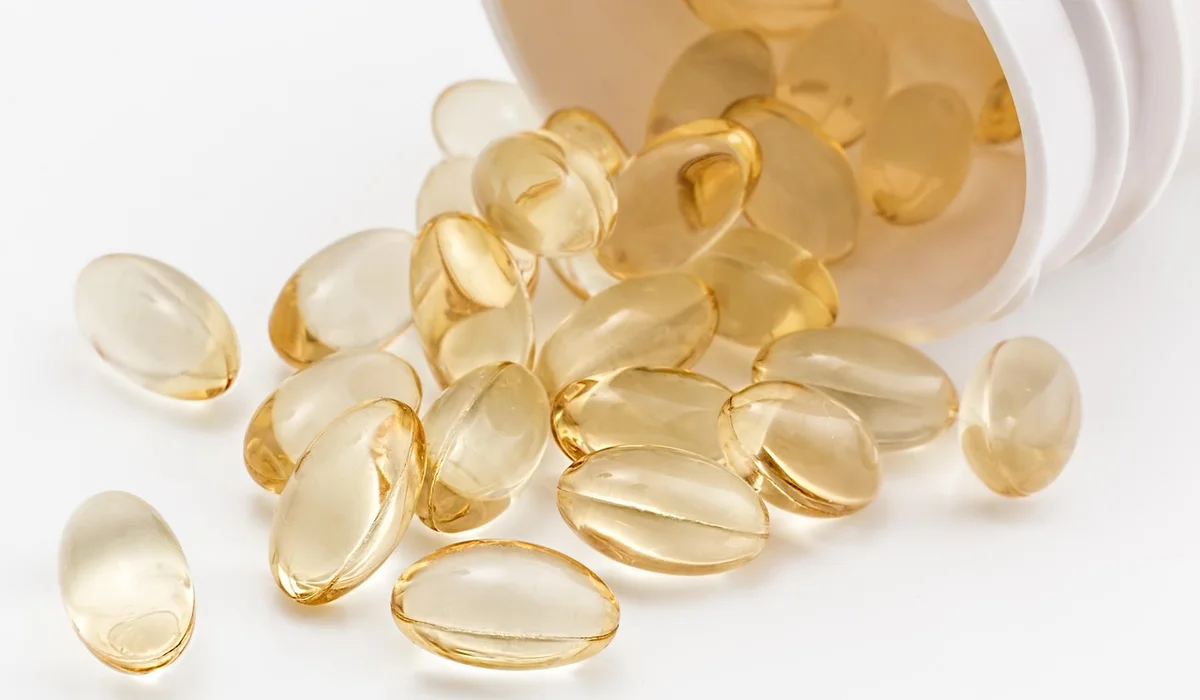
Treating parrot medications with respect protects everyone in your home, especially your curious, beaky companions. If your parrot eats something potentially toxic, keep calm and consult the emergency guide. Contact your avian veterinarian or poison control right away for specific instructions.
Proper handling is non-negotiable; these are powerful substances that demand caution.
Handling Tips to Prevent Accidents
- Always wash your hands thoroughly before and after giving any medication.
- Prepare doses on a clean, stable surface away from where your parrot can fly or climb to.
- Never transfer liquid medicines into food bowls; use a syringe to ensure an accurate, direct dose.
Storage Conditions to Maintain Drug Efficacy
Where and how you store medicine directly impacts how well it works.
- Most liquid antibiotics require refrigeration-check the label carefully.
- Keep all medications in a cool, dark, and dry place, far from sunlight or humidity.
- Store them in a locked cabinet or a very high shelf that is completely inaccessible to pets and children.
I learned the hard way that heat can ruin medication after leaving a bottle on a sunny windowsill.
Avoiding Drug Interactions Based on Medical History
Your vet is your partner here, but you hold key information.
- Provide your vet with a complete list of all current medications, supplements, and vitamins your parrot is taking.
- Remind your vet of any past allergic reactions or negative responses to specific drugs.
- Never, ever use medication prescribed for one of your parrots on another bird without explicit veterinary instruction.
Adjusting Therapy Based on Your Parrot’s Response
You must become a detective in your own home, watching for clues that tell you if the medication is helping or hurting. Birds are masters at hiding illness, so subtle shifts in behavior or appearance are your biggest hints that something needs to change.
Signs Your Parrot’s Medication Needs a Tweaking
Not every bird reacts the same way to the same drug, and your vet relies on your daily observations.
- Your bird suddenly stops eating its favorite treats or shows no interest in food.
- You notice increased lethargy; your playful conure no longer wants to come out of the cage.
- Vomiting or regurgitation occurs shortly after you administer the medication.
- The original symptoms, like sneezing or feather fluffing, get worse instead of better.
- You see the development of new, worrying symptoms like diarrhea or balance issues.
Any of these signs warrant an immediate call to your veterinarian-don’t wait for the next scheduled check-up. I learned this the hard way when one of my birds had a reaction; catching it early made all the difference.
The Critical Role of Follow-Up Visits
Think of follow-up appointments not as optional extras, but as essential pit stops on the road to recovery.
- These visits allow your vet to physically re-examine your bird, checking weight and listening to its lungs.
- They often perform repeat lab tests to see if infection markers have gone down or organ values have improved.
- Your vet uses this data to confirm the treatment is working or to make a crucial pivot if it’s not.
Skipping a re-check is like flying blind; you might think everything is fine while an underlying issue continues to simmer. These appointments are your safety net.
A Personal Story: Monitoring Sage’s Recovery
My African Grey, Sage, once needed a lengthy course of antibiotics for a respiratory infection.
For the first few days, he seemed more tired, which we expected. But by day five, he started refusing his medicated food, a clever bird who had figured out our game.
This was our signal. We called the vet, who switched him to a liquid medication we could administer directly. It was a hassle, but it worked. His follow-up visit confirmed his lungs were clear, and we could finally stop the treatment.
That experience taught me that recovery is rarely a straight line, and your vigilance is the most powerful tool your vet has. Watching Sage’s personality slowly return to its curious, chatty self was the best reward.
FAQs
What are potential drug interactions in avian patients?
Potential drug interactions can occur when medications like antibiotics are combined with probiotics, reducing the latter’s effectiveness. Always disclose all current medications and supplements to your vet to prevent harmful combinations and ensure safe treatment.
Are there species specific medications for birds?
Yes, some medications are formulated or dosed specifically for certain bird species due to variations in metabolism and sensitivity. Your vet will select the appropriate drug based on your parrot’s species to maximize efficacy and minimize risks. Avian veterinarians have specialized training in birds and understand their unique metabolism and disease signs. This is why many parrots benefit from care by an avian specialist rather than a general veterinarian.
Where can owners find reliable sources for avian medication guidelines?
Reliable sources include professional organizations like the Association of Avian Veterinarians and peer-reviewed veterinary journals. Always prioritize guidance from your avian veterinarian for accurate, tailored information over general online resources.
Closing the Loop
Your main job is to partner with your avian vet, follow their medication instructions precisely, and monitor your parrot’s response closely. This means giving the full course of any prescribed drug, even if your bird seems better, and knowing the signs that warrant an immediate callback to the clinic. For safe and effective administration, follow the vet’s dosing schedule and use the recommended method of delivery. Always monitor for adverse reactions and contact the clinic if you notice anything concerning.
Being a great parrot owner is a journey of constant learning and attentive care. Stay curious, keep asking questions, and always advocate for your feathered friend’s health and well-being-they’re counting on you.
Further Reading & Sources
- Avian Medications: A to Z
- Avian treatments that work (Proceedings) | dvm360
- Veterinary Medicine for Birds – Manufacturer | AdvaCare Pharma
Suzanne Levine is a dedicated parrot enthusiast and experienced avian caregiver with over 15 years of hands-on experience in parrot care. As the founder of Parrot Care Central, Suzanne is passionate about sharing her knowledge and insights to help fellow parrot owners provide the best possible care for their feathered friends. Her expertise spans nutrition, behavior, health, and enrichment, making her a trusted resource in the parrot care community.
Health & Wellness